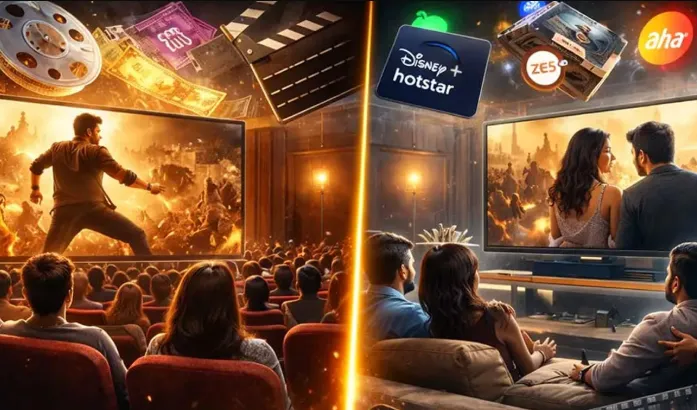
What's Next for OTT and Cinema — Predictions for 2030
The End of the Either/Or Debate
For the last five years, industry experts have debated whether OTT will kill theatres or theatres will fight back. By 2030, that debate will seem quaint. The future is not either/or. It's both/and—but in forms we can barely recognize today.
Three forces will reshape Indian entertainment by the end of the decade: AI-generated content, immersive technologies, and new business models that blur the line between cinema and streaming.
Prediction 1: AI-Generated Scripts and Visual Effects
By 2030, generative AI will write 20-30% of all web series scripts, especially in genre categories (crime, horror, romance). AI will not replace human writers entirely—the best shows will still need human emotion—but it will significantly reduce production time and cost.
AI will also dominate visual effects. What takes a team of 50 VFX artists six months today will be done by AI in a week. This will lower the budget for sci-fi and fantasy content, allowing more ambitious Indian originals.
Netflix India is already experimenting with AI-assisted scriptwriting for its Tamil and Telugu originals. Amazon has an internal AI tool that generates storyboards from scripts.
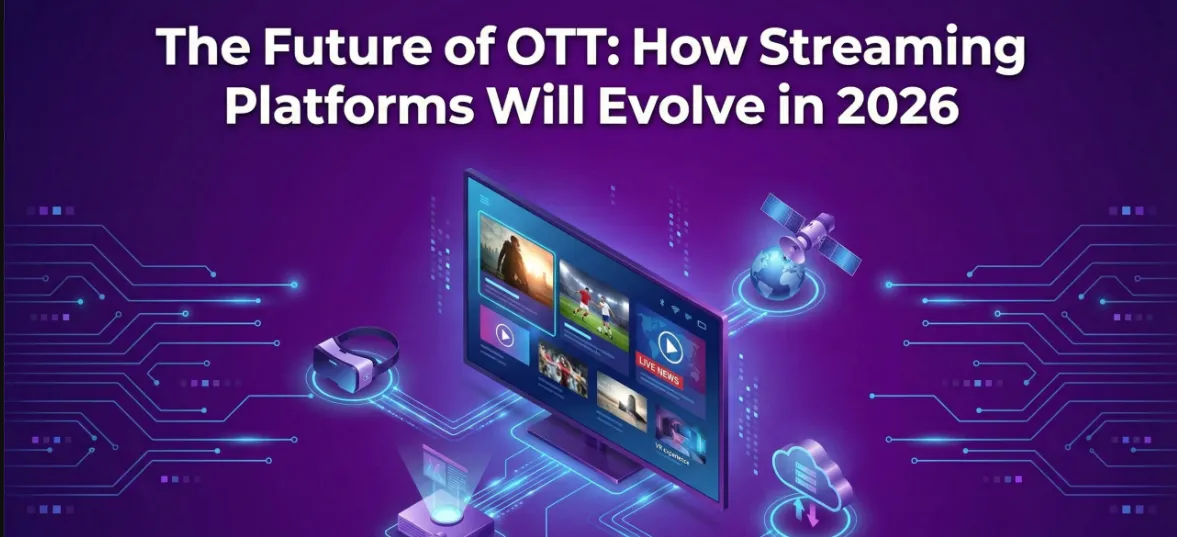
Prediction 2: Immersive Cinema (VR/AR)
By 2030, major multiplexes will have dedicated VR/AR screens. Audiences will wear lightweight headsets and be transported inside the film. Imagine watching a horror movie from the killer's perspective, or a nature documentary where you can "walk" through the jungle.
PVR Inox has already partnered with a VR startup to test immersive short films. The technology is expensive now, but costs will drop by 2028-29.
AR will also come to cinemas. You might point your phone at a movie poster and see a trailer play in your living room. Or scan a ticket stub and unlock behind-the-scenes content.
Prediction 3: The 1-Week Theatrical Window
Today's 4-8 week window will shrink to 1-2 weeks for most films by 2030. Only the biggest blockbusters (think Jawan-scale) will get 3-4 weeks. Why? Because producers have realized that a film makes 80% of its box office revenue in the first 7-10 days. After that, the audience has already seen it or moved on.
The shorter window benefits everyone: cinemas get a concentrated rush; producers get faster OTT revenue; streaming platforms get newer content sooner. The loser is the "slow burn" film—the one that builds audience through word of mouth. Those films will go direct-to-OTT.
Prediction 4: Dynamic Pricing and Subscription Models
By 2030, you won't pay a flat ticket price. Prices will vary by:
Day of week (Friday night = premium, Tuesday afternoon = discount)
Time of day (prime time vs morning shows)
Demand (a sold-out show will cost more than a half-empty one)
Seat location (recliners cost more than standard seats)
Cinemas will also offer subscriptions: pay ₹1,000-1,500 per month for unlimited movies. PVR Inox is already piloting this in select cities. By 2030, 30% of frequent moviegoers will be on a subscription plan.
Prediction 5: The Rise of "Phygital" Releases
"Phygital" (physical + digital) releases will become common. A film might release in cinemas on Friday, and on OTT the following Friday—but at a premium price (₹500-1,000 per rental). This is already happening in Hollywood (Disney's Premier Access). By 2030, Indian films will adopt this model for mid-budget films.
For the consumer, choice expands: watch in a theatre for ₹300, watch at home on release day for ₹800 (premium rental), or wait two weeks for free with subscription.
Prediction 6: Regional Content Will Dominate
Hindi will no longer be the default language of Indian entertainment. By 2030, Tamil, Telugu, Malayalam, Kannada, Bengali, and Marathi content will account for 60% of OTT viewing. Platforms will commission shows directly in these languages, not just dub Hindi content.
Theatres will also screen more regional films nationally. Kantara (Kannada) and Pushpa (Telugu) showed the way. By 2030, a film from any language can become a national hit if the story resonates.
Prediction 7: Consolidation Among OTT Platforms
India has too many streaming platforms. By 2030, we will see consolidation. Disney+ Hotstar may merge with JioCinema (both owned by Reliance after the 2024 merger). Sony LIV might partner with ZEE5. Netflix and Amazon Prime will remain independent.
The survivors will be those with deep pockets (Netflix, Amazon, Reliance) or niche focus (Sony LIV for prestige dramas, ZEE5 for regional). The others will shut down or be acquired.
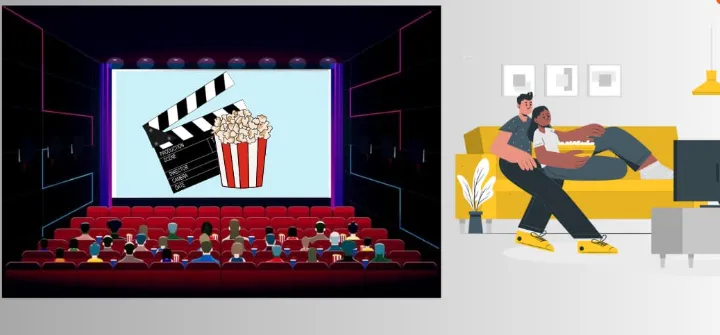
Prediction 8: Cinema as a Social Hub
The movie will become secondary to the experience. Cinemas will host:
Live podcasts recorded in front of an audience
Esports tournaments on the big screen
Yoga and meditation sessions with immersive visuals
Corporate retreats and team-building events
Wedding screenings (couples showing their wedding film)
PVR Inox already reports that non-movie content grew from 2% to 8% of revenue between 2019 and 2025. By 2030, it could reach 20%.
The Bottom Line
By 2030, the line between cinema and OTT will have blurred beyond recognition. You will watch some films on a 100-foot IMAX screen, others on your phone, and some in VR headsets. The content will be made by AI and humans, financed by subscriptions and ads, and experienced alone or in crowds.
The only constant? Indian audiences will still love stories. They will just consume them in more ways than we can imagine.


