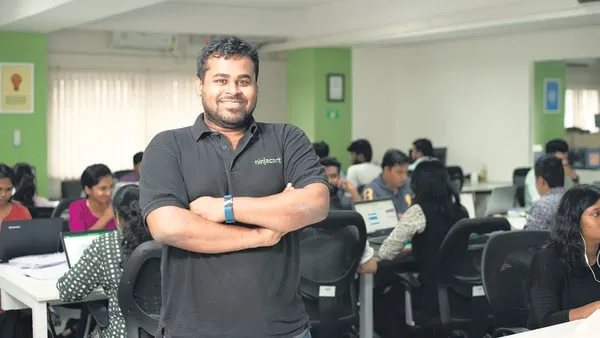
Thirukumaran Nagarajan — From a Chennai Dorm Room to India’s Largest Agritech Supply Chain
The Failure That Became a Multi‑Crore Success
In 2015, Thirukumaran Nagarajan (known as Thiruku) was a final‑year computer science student at SRM University in Chennai. Along with four friends — Kartheeswaran, Sharath, Ashutosh, and Vasanth — he launched a hyperlocal grocery delivery app called Ninjacart. The idea was simple: deliver vegetables, fruits, and staples from local kirana stores to customers within 60 minutes.
They raised a small angel round, built an app, and hired delivery boys. For a few months, it worked. But then the reality hit: unit economics were brutal. Customer acquisition cost was high, average order value was low, and the convenience of delivery did not justify the premium. By early 2016, Ninjacart was burning cash and running out of runway.
The team faced a choice: shut down or pivot. They analyzed their data and found something surprising. While the B2C side was failing, the B2B side — supplying fresh produce to the very kirana stores they were buying from — was working. Stores were happy to get reliable, quality produce at competitive prices.
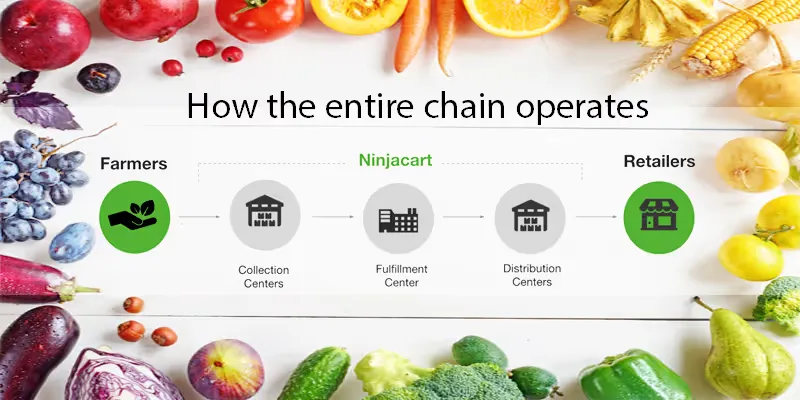
So Ninjacart pivoted completely. It stopped delivering to consumers and started delivering from farmers to businesses (restaurants, kirana stores, hotels, and small enterprises). The technology stack was rebuilt for B2B: demand forecasting, dynamic pricing, quality inspection, and route optimization.
Thirukumaran, who had taught himself coding and logistics, moved the entire team into a small warehouse in Chennai’s Koyambedu market — Asia’s second‑largest fruit and vegetable wholesale market. They slept on the floor, woke up at 2 AM to receive farmer deliveries, and wrote code during the day. There was no venture capital, no media attention, just grit.
The Technology That Moves Tomatoes at Scale
Ninjacart’s core innovation is not sexy — it’s operational. But behind the trucks and crates is a sophisticated technology stack that Thirukumaran and his team built from scratch:
Demand forecasting algorithm: Predicts how much of each vegetable (e.g., tomatoes, onions, potatoes) each retailer will need on a given day, based on historical data, seasonality, and even weather. Accuracy is over 85%, reducing waste from 15% (industry average) to under 3%.
Dynamic pricing engine: Farmers are paid based on real‑time market prices, quality grading, and distance to warehouse. The algorithm ensures farmers get 20–30% higher prices than mandis (wholesale markets), while retailers pay 10–15% lower.
Route optimization AI: Ninjacart’s delivery fleet (2,000+ vehicles) is routed using an algorithm that minimizes fuel, time, and carbon footprint. The system updates in real time based on traffic and new orders.
Quality inspection app: At every warehouse, produce is photographed and graded by inspectors using a mobile app. The app flags defects using computer vision (developed in‑house), ensuring consistent quality.
This technology is why Ninjacart can handle over 2,000 tonnes of fresh produce daily — from 50,000+ farmers across 20+ Indian states — and deliver it to 100,000+ businesses within 12 hours of harvest.
From Chennai to National Scale
Despite scaling to cities like Bengaluru, Delhi, Mumbai, Hyderabad, and Pune, Thirukumaran kept Ninjacart’s headquarters in Chennai. The company’s primary engineering and data science teams are based in the city, taking advantage of Tamil Nadu’s strong talent pool in logistics and software.
By 2020, Ninjacart had raised over $350 million from investors including Tiger Global, Steadview Capital, Flipkart (Walmart), and Syngenta Ventures. The valuation crossed $1 billion, making it one of India’s few agritech unicorns.
But Thirukumaran remained focused on solving operational challenges, not celebrating valuation. During the COVID‑19 lockdown in 2020, when supply chains broke down across India, Ninjacart pivoted to direct‑to‑consumer delivery again — but this time as a service to help farmers sell to apartment complexes. The move generated an additional ₹100 crore in revenue and helped thousands of farmers who had lost mandi access.
Post‑pandemic, Ninjacart expanded into exports (shipping Indian grapes and pomegranates to the Middle East and Europe) and processed foods (a private label brand called “Ninjacart Fresh” for packaged cut vegetables and ready‑to‑cook kits). Both verticals are growing at 40% year‑on‑year.
The Farmer‑First Philosophy
Thirukumaran’s background — growing up in a Tamil Nadu family with farming relatives — shaped his approach. He realized that Indian farmers face three core problems:
Price uncertainty — mandis are opaque and exploitative.
Payment delays — farmers often wait weeks for settlement.
Waste — lack of cold storage and logistics leads to 15–20% spoilage.
Ninjacart solves each:
Price transparency: Farmers see the exact price and grading before dispatch.
Next‑day payment: Farmers receive payment within 24 hours via UPI or bank transfer.
Reduced waste: Cold‑storage warehouses and express logistics cut spoilage to under 3%.
By 2025, Ninjacart had paid over ₹5,000 crore cumulatively to farmers, with an average farmer earning ₹25,000–30,000 per month (double the national average for smallholders). The company also provides free training on post‑harvest handling and organic certification.
Leadership Philosophy: Grit Over Glamour
Thirukumaran is famously hands‑on. He still visits warehouses at 3 AM, wears a company t‑shirt and jeans to meetings, and personally reviews customer complaints. He has no corner office; he works from a desk in the middle of the Chennai engineering team.
His management style is data‑driven but empathetic. He encourages “fail fast” experiments: if a new logistics route doesn’t work, kill it in a week. But if a farmer relationship is at risk, he steps in personally.
He is also frugal. Ninjacart’s offices are functional, not flashy. The company does not spend on lavish offsites or brand advertising. Every rupee goes to technology and operations.
“We are not a startup; we are a supply chain company that happens to use technology,” he told Forbes India in 2024. “Our metric of success is not valuation. It’s how many farmers we lift out of poverty and how much waste we reduce.”
Challenges and Critiques
Ninjacart has faced multiple challenges:
Logistics complexity: Fresh produce is perishable and seasonal. Scaling to new cities requires building new warehouses, cold chains, and farmer networks from scratch — expensive and slow.
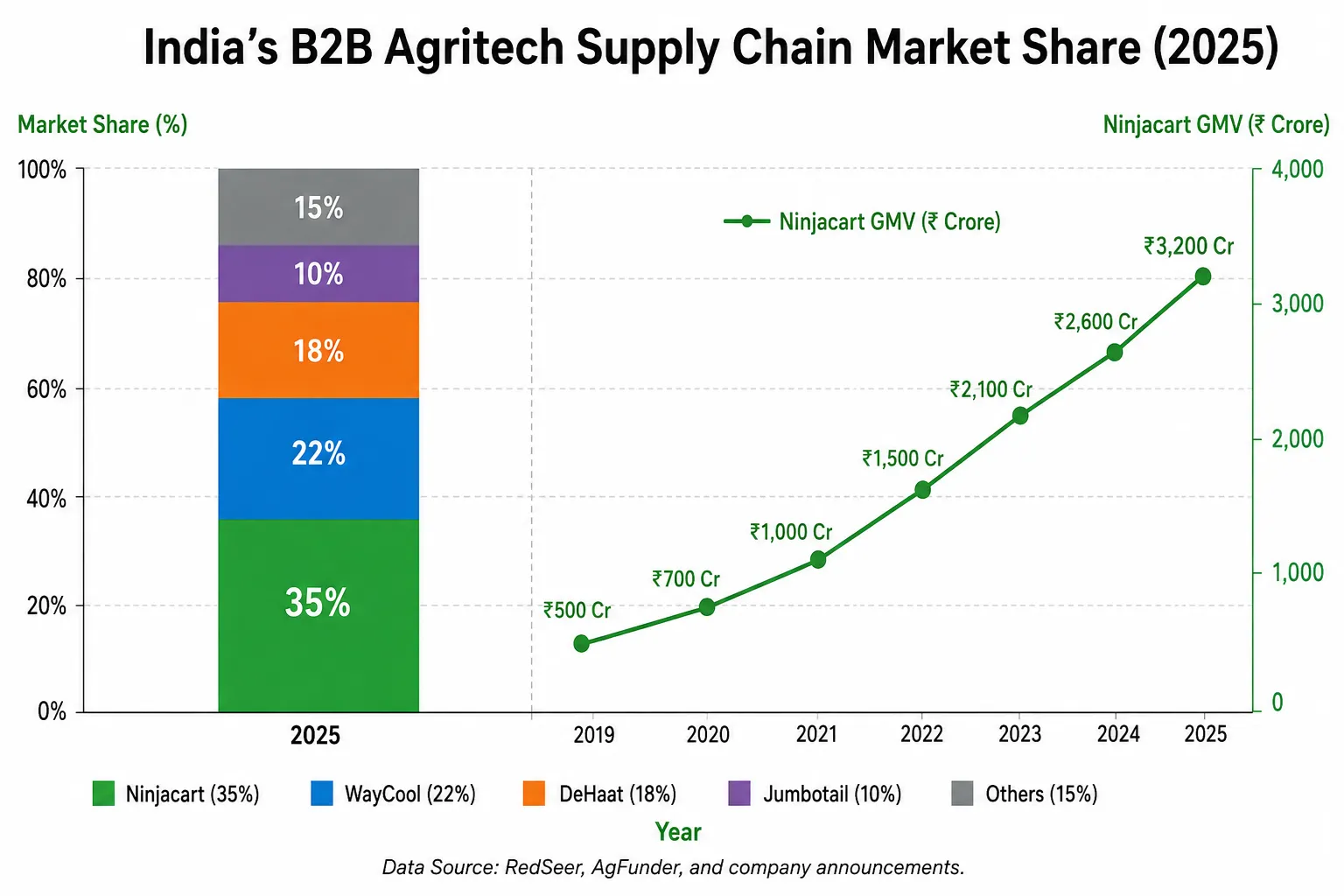
Competition: Startups like WayCool (also Chennai‑based), DeHaat, and even Amazon Fresh are competing in the same space. Ninjacart’s response has been to focus on “high‑intensity” commodities (onion, tomato, potato, ginger, garlic) where supply chain fragmentation is highest.
Profitability: Ninjacart remains unprofitable at the net level, though contribution margins turned positive in 2024. Investors are patient, but Thirukumaran knows the clock is ticking.
Farmer dependence: If a major crop fails due to weather, Ninjacart’s volumes drop. The company is diversifying into processed foods and exports to reduce this risk.
Some critics also argue that Ninjacart’s technology‑first approach leaves small farmers behind, as they need smartphones and digital literacy to use the platform. Thirukumaran has responded with voice‑based interfaces and on‑ground field officers who help farmers onboard.
The Tamil Nadu Connection
Thirukumaran is a proud Tamilian. He speaks Tamil in internal meetings, sources heavily from Tamil Nadu’s farming belts (Salem, Coimbatore, Dindigul), and has partnered with the state government’s “Uzhavan” app for farmer outreach.
He also mentors agritech startups in Chennai through the Tamil Nadu Agritech Incubator (at TANSTIA) and invests small amounts in early‑stage supply chain ventures.
“Chennai gave us the patience and persistence to build a hard business,” he says. “If we had started in Bengaluru, we might have pivoted to something flashier. But Tamil Nadu is about doing the difficult work — and that’s what Ninjacart is.”