They Came Back From a Trip Abroad and Couldn't Find Anything Like It in India. So They Sold Their House and Made It.
The founding story of Chumbak begins, as the best founding stories do, with a moment of ordinary noticing.
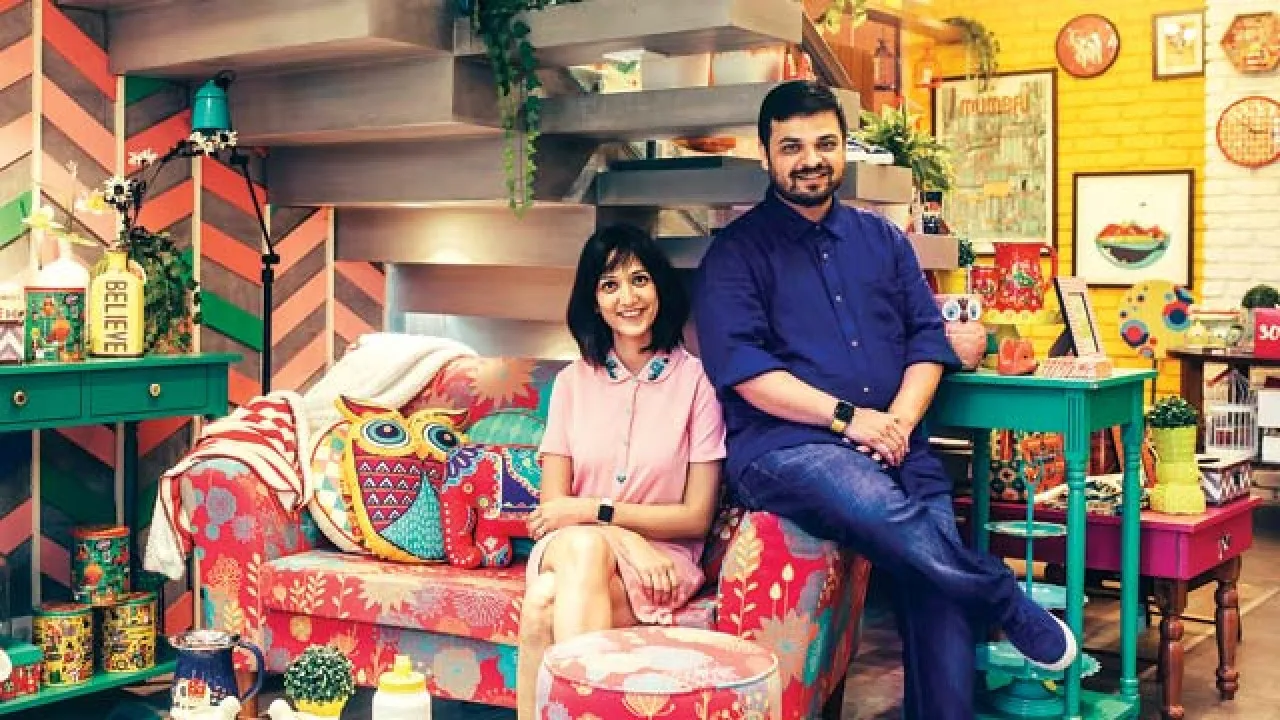
Shubhra Chadda and Vivek Prabhakar were a couple living a stable, comfortable life in Bengaluru. Shubhra had a background in marketing and design. Vivek had worked at companies including Sun Microsystems and Titan. They were not unhappy. They were not failing. They were doing what their educational backgrounds and professional trajectories suggested they should do.
And then they came back from a trip abroad, carrying the small things travellers always carry: a fridge magnet from Paris, a quirky keychain from somewhere else, a colourful little object that cost almost nothing and meant everything because it captured a place and a feeling in physical form.
They looked at what they had brought back. And then they looked at what India offered when someone wanted to give a gift, buy a souvenir, or simply bring home something that was fun and beautiful and distinctively Indian.
The gap was obvious. India had handicrafts and traditional items. It had expensive imported products. What it did not have was a brand that took the aesthetic richness of Indian culture and presented it in a contemporary, playful, affordable format — something that a young Indian professional would be excited to give and proud to own, that felt modern and global without abandoning its Indian identity.
In 2010, Shubhra and Vivek decided to fill that gap. To fund the decision, they sold their house. The home they had built their life in went for approximately ₹45 lakh — the entire seed capital for what became Chumbak.
The Name, the First Products, and the Design Philosophy That Never Changed
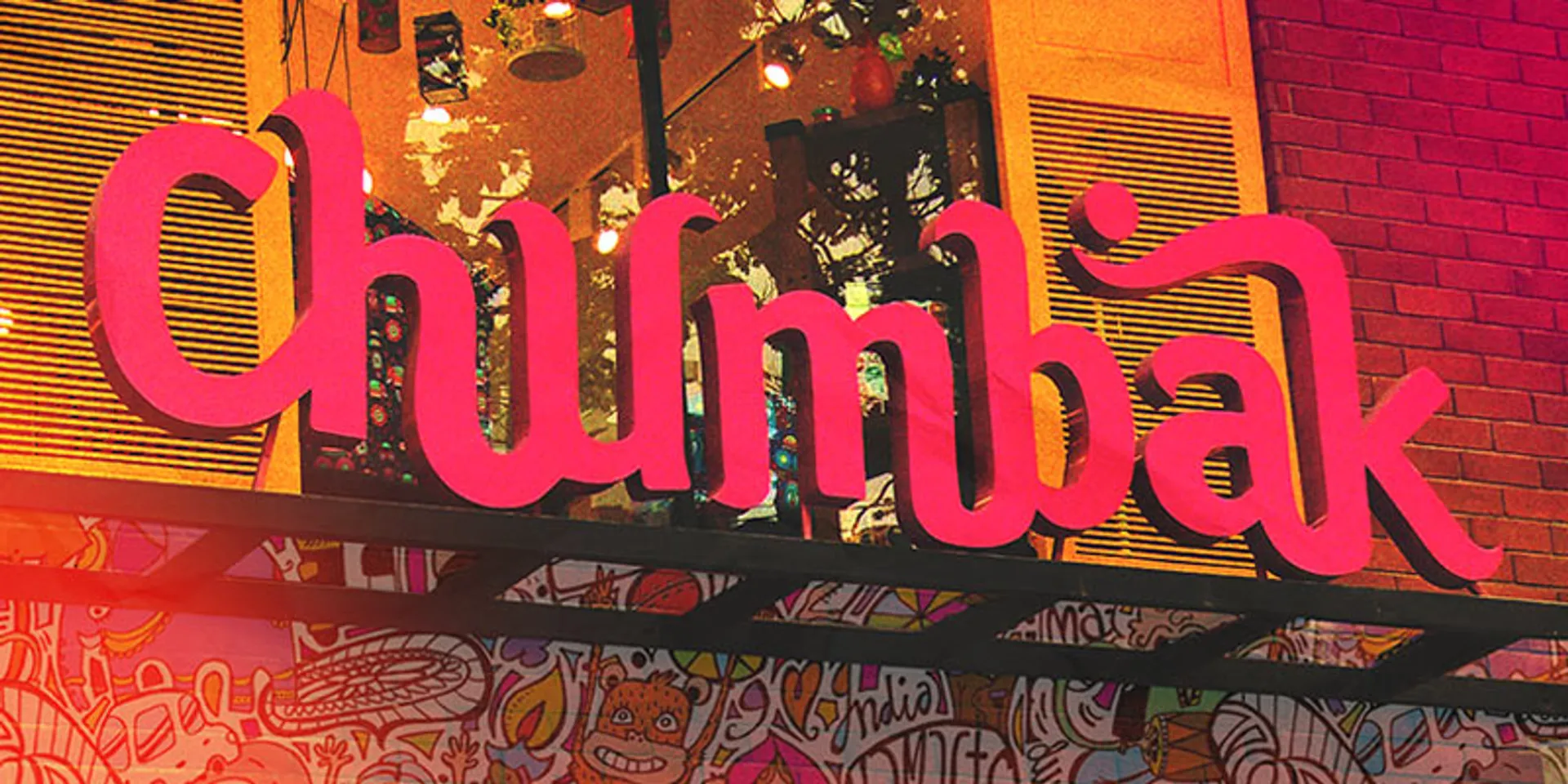
Chumbak means magnet in Hindi. The name was chosen not as a marketing decision but as a literal description of what the brand was built around — and what it aspired to become. A magnet for people. A magnet for colour, for creativity, for the kind of joyful design that makes everyday objects into something worth noticing.
The first products were fridge magnets — decorated with the motifs that would define Chumbak's visual identity: auto-rickshaws, decorated elephants, tropical birds, geometric patterns drawn from Indian craft traditions but rendered in bright, contemporary colours that felt nothing like the dusty handicraft category they technically belonged to. These were not traditional souvenirs with a coat of modern paint. They were new things, made from old visual languages, that said something specific about what it meant to be Indian and contemporary simultaneously.
Keychains followed. Then mugs. Then phone covers, wallets, bags, and eventually an entire product ecosystem that stretched from the smallest impulse purchase to furniture and home decor.
The business started where most small consumer businesses start: wholesale. Chumbak products were sold through multi-brand retailers, airport gift shops, and the distributor network that could get them in front of customers across India without requiring the company to build its own retail infrastructure. This model allowed rapid product testing — if a design sold, make more. If it did not, understand why and iterate.
What spread the brand in those early years was not advertising. It was social media, then a genuinely new tool, which Chumbak used with a specificity that made it one of the first Indian brands to appear in a global Facebook case study. Bright, shareable content. Designs that made people want to take photos and show their friends. A brand voice that was playful and honest and did not talk down to its customers.
The aesthetic was the marketing. The product was the advertisement. In an era when Indian brands were largely either imitating Western equivalents or defaulting to traditional positioning, Chumbak was doing something different: proving that Indian design could be aspirational, fun, and globally relevant all at once.
The Capital That Scaled It — and the Decisions That Shaped It
The ₹45 lakh from the house sale was enough to start. Building what Chumbak became required institutional capital, and the company raised it in stages that reflect a specific kind of brand maturation.
Seedfund's early backing in 2012 validated the concept and the initial traction. A $6.5 million Series B from Matrix Partners India in 2014 funded the pivot from wholesale to retail — a capital-intensive transition that required building physical stores in high-footfall malls and premium high streets across Bengaluru, Delhi, and Mumbai. By 2016, a 300 per cent increase in SKUs had accompanied the geographic expansion, and Chumbak had evolved from a quirky gifting brand into a full lifestyle company that competed in home decor, fashion, and accessories simultaneously.
By 2018, the brand had crossed a ₹100 crore annual revenue run rate — a milestone that confirmed the original thesis: Indian consumers would pay for contemporary, India-inspired design if it was executed well and priced accessibly. Total funding across 14 rounds eventually reached nearly ₹250 crore, from investors including Matrix Partners, Gaja Capital, Blacksoil, and Narayan Ramachandran.
Alicia Souza, the illustrator whose distinctive visual style became inseparable from Chumbak's early identity, joined as a creative co-founder — her signature illustrations of the brand's most iconic motifs becoming part of what customers recognised and loved before they knew the brand's name. Her involvement reflected a broader truth about how Chumbak worked: the design was the product, the product was the brand, and the brand was built on the talent and sensibility of people who genuinely cared about what they were making.
The GOAT Brand Labs Chapter
In 2022, GOAT Brand Labs — a Bengaluru-based brand acquisition platform backed by significant institutional capital — acquired Chumbak as part of its strategy of consolidating and scaling consumer brands with strong existing identities and retail presence.
The acquisition brought the brand into a portfolio alongside other D2C acquisitions and set an ambition to scale Chumbak to ₹500 crore in revenue by 2025. The resources of GOAT's operating platform, including its supply chain optimisation, technology infrastructure, and D2C expertise, were directed at accelerating what Shubhra and Vivek had built.
Vasant Indar Nangia joined as CEO under the new ownership structure, while Shubhra Chadda remains on the board — her creative influence maintained even as operational leadership transitioned.
The road to ₹500 crore by 2025 proved more challenging than the ambition suggested, as it did for much of the Indian D2C ecosystem in the post-pandemic rationalisation period. But Chumbak's core brand strength — its design identity, its customer loyalty, its ability to keep the aesthetic fresh while remaining recognisably itself — continued to be the asset that the GOAT investment was built on.
Recent activity reflects a brand continuing to evolve without losing what made it distinctive. A luggage line launched in partnership with Assembly Luggage. A Marigold collection for the festive season. A collaboration with Phool and Nautica on Myntra. A sensory haven transformation of the Hauz Khas store in Delhi. These are the moves of a brand that understands its customers' lives continue to change and that its products should keep up.
What Chumbak Actually Represents
More than 90 per cent of Chumbak's products are designed and handcrafted in India, working with local artisans whose expertise in texture, embellishment, and material adds the dimension of craft knowledge that mass manufacturing cannot replicate.
That fact is worth stating clearly because it locates Chumbak in a specific and important position in India's design and manufacturing ecosystem. It is not an Indian-named brand that sources from generic factories. It is a brand whose production is deeply connected to the artisan communities and craft traditions that India has spent centuries developing. The bridge Chumbak builds — between those traditions and the contemporary consumer who wants something playful and modern — is one that few brands have maintained as consistently.
The six brand pillars that Chumbak articulates on its own website are unusual in their specificity: Wit, Warmth, Honesty, Creativity, Spontaneity, and Community. These are not the generic values that most lifestyle brands paste on their about pages. They are a description of a specific kind of personality — one that shows up in the product design, the store experience, the social media voice, and the customer community that has stayed with the brand across fifteen years of change.
Shubhra Chadda and Vivek Prabhakar sold a house to build something they believed in. They built it into a brand that people genuinely love — not in the way that people love a familiar utility, but in the way that people love the things that make their homes and their wardrobes feel more like themselves.
That is the hardest thing to build in consumer products. Most brands never get there. Chumbak did it starting with a fridge magnet and ₹45 lakh. The house was worth selling.


