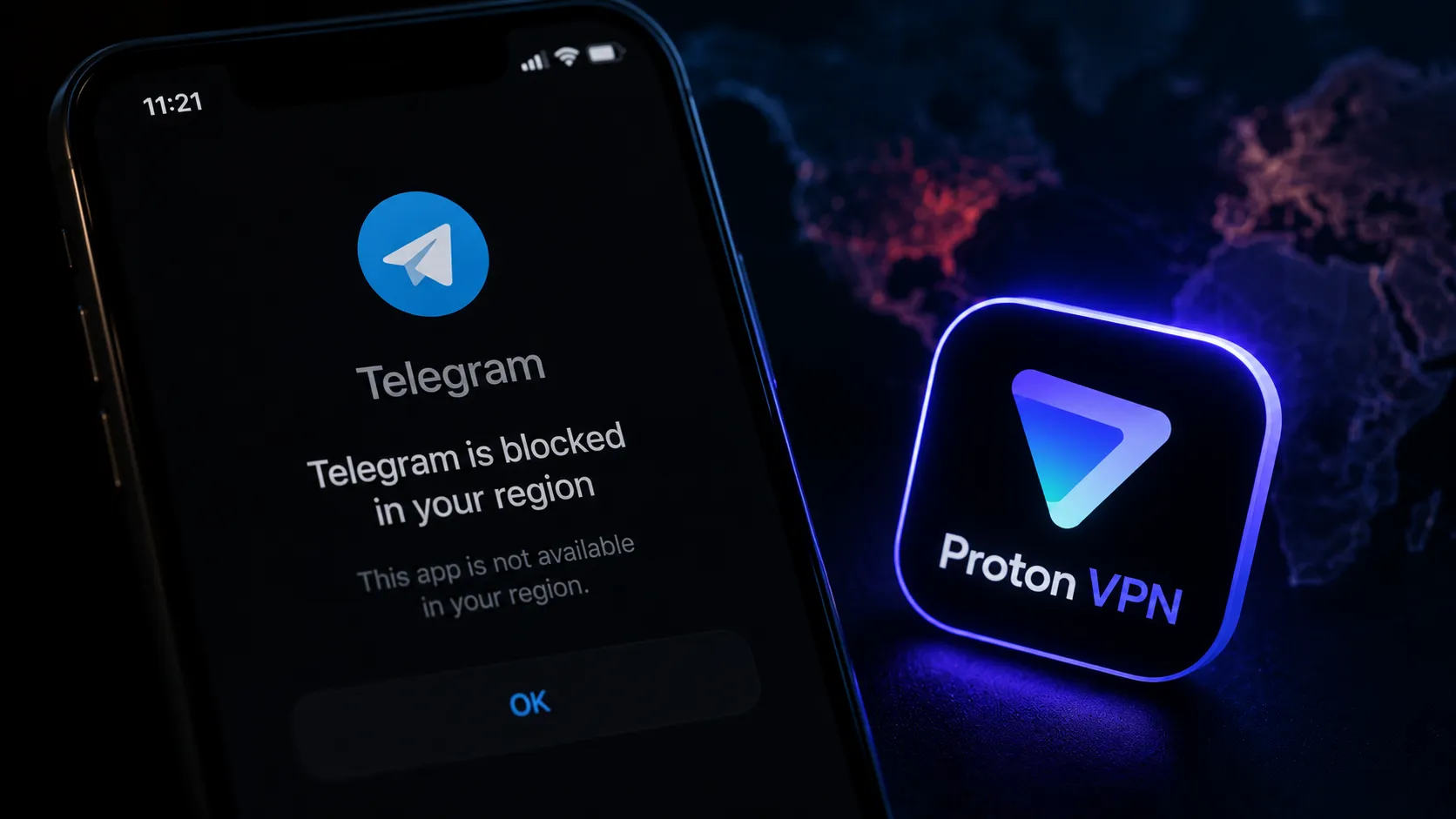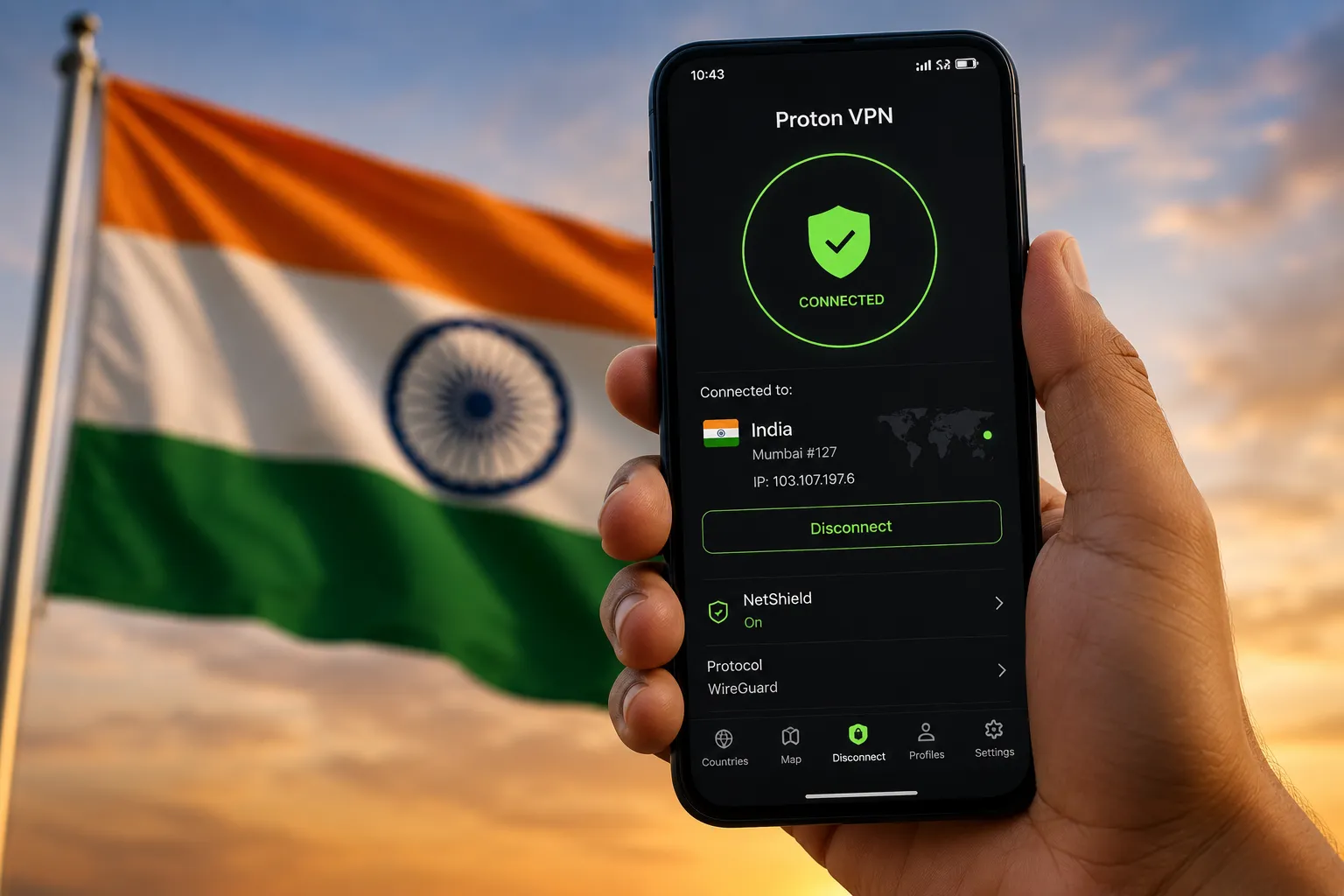
India blocked Telegram for 150 million users over exam cheating. Within hours, Proton VPN registrations spiked 150%. Within a day, they jumped another 120%. The government didn't just restrict access — it created the most effective VPN ad campaign in Indian history.
The notification landed on a Tuesday evening. By Wednesday morning, it had become the most effective marketing campaign in VPN history.
On June 16, the Ministry of Electronics and Information Technology (MeitY) issued an order under Section 69A of the Information Technology Act, temporarily blocking access to Telegram across India until June 22. The reason: concerns that fraudsters were using the platform to target candidates ahead of a re‑test for the National Eligibility cum Entrance Test (NEET‑UG), the country's largest entrance examination by applicant volume. The government said the measure was needed to prevent the spread of fake exam papers and related scams.
The response was immediate. And it was the opposite of what the government intended.
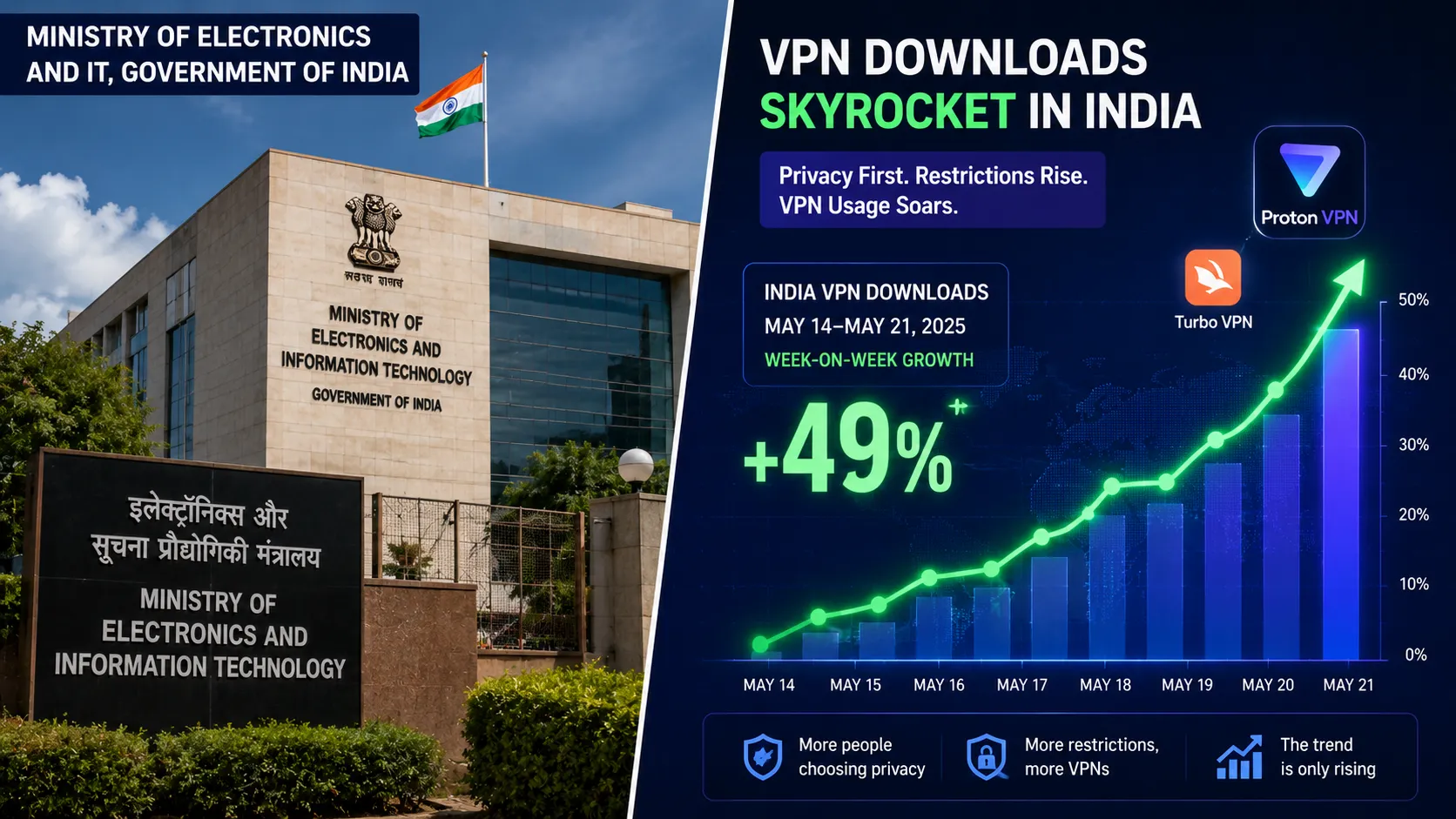
Within hours of the restriction, VPN downloads surged across the country. App intelligence firm Appfigures told TechCrunch that Tuesday, the day India announced the Telegram restriction, marked the biggest day for VPN app downloads in the country since at least the start of 2025. Downloads of major VPN apps rose 49% from a recent daily average of 139,000 to 208,000. The government hadn't just restricted access — it had created the most effective VPN marketing campaign in Indian history.
The Numbers That Tell the Story
David Peterson, general manager at Proton VPN, tweeted that hourly registrations for the VPN spiked 150% on Tuesday evening after the block was announced. Daily registrations from India rose 120% above baseline levels on Wednesday. The company described the increase as "extremely noteworthy" given its existing scale in the country.
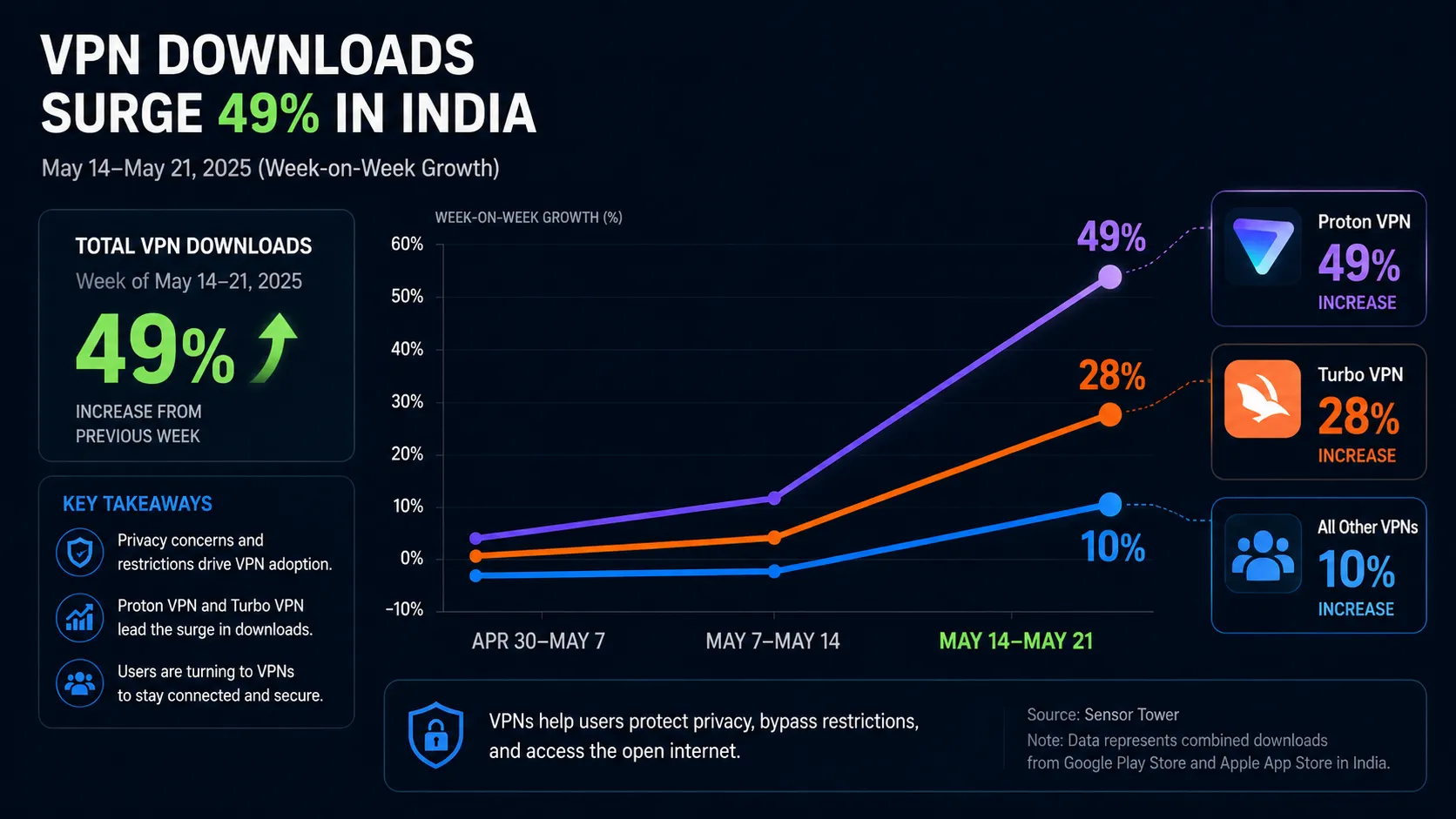
The individual app spikes were sharper still. Proton VPN downloads on Apple's App Store in India jumped 113%, while Turbo VPN downloads rose 85%. On Google Play, downloads of Proton VPN climbed 64% and Turbo VPN downloads increased 35%. NordVPN's App Store downloads increased 41%, while ExpressVPN downloads on Google Play rose 31%.
The surge pushed several VPN services up India's app‑store charts at breakneck speed. Proton VPN climbed from 18th to 5th in Apple's Utilities rankings between June 16 and June 18, while its Google Play ranking rose from 8th to 2nd in the Tools category. VPN apps surged past everyday favourites like Zomato, Uber and Amazon in popularity.
"VPN – Super Unlimited Proxy" jumped from around 456th in India's free‑app rankings in mid‑May to 14th — a rise of more than 440 positions. Turbo VPN climbed over 200 positions from around 286 to 41st. Proton VPN climbed from around 265th to 42nd.
The trend was not limited to Proton. Canadian VPN service provider Windscribe reported a similar surge, with signups from India peaking roughly 100% above baseline levels, while first‑time downloads of its iOS app in the country rose about 89%. Sensor Tower told TechCrunch that downloads across the VPN app category in India rose 10% day‑over‑day on June 17, reversing a decline seen over the previous two weeks.
Google Trends showed a sharp surge in searches for "VPN for Telegram". Until June 15, search interest was at zero, indicating no notable demand. But on June 16, the numbers started rising rapidly from 0 to 5, then 18, 28, and peaking at 99 within hours. The pattern was simple: restriction triggered demand for VPNs almost instantly.
The Bypass Mentality
The data points to a clear behavioural pattern: rather than logging off, many users moved to work around the block. Telegram's daily active users in India actually rose 17% on the day the ban was announced — the app's largest day‑over‑day increase in the country since a major Meta outage in 2021. Cloudflare separately recorded a sharp rise in DNS requests for Telegram domains, which it cautioned can reflect users repeatedly attempting to reach a blocked service rather than successful access.
The irony is difficult to ignore. The government imposed a block to disrupt exam cheating. The block drove users toward VPNs, which allowed them to keep using Telegram. The block also drove users toward alternative messaging apps — Signal downloads rose 72% on Apple's App Store and 322% on Google Play, while Viber's App Store downloads increased 216%. Telegram‑linked messaging app iMe recorded one of the sharpest jumps, with its Google Play downloads rising from a recent daily average of about 827 to 50,900 on June 16.
The government may have blocked the most direct route to Telegram. But the app‑store rankings told the real story: VPN apps were racing up the charts, and users were finding other ways in.
The X Account That Got Withheld
The government's response to the surge was telling. X withheld the account of Proton VPN General Manager David Peterson in India in response to a legal demand, days after he posted that the privacy‑focused VPN service saw sign‑ups spike following India's block on Telegram. His account now displays the standard notice stating that the content has been withheld in response to a legal demand.
The block targets the messenger's promotion of a workaround. A VPN allows users to mask their geolocation and access blocked platforms, so the surge directly reflects demand for bypassing the Telegram ban. By withholding Peterson's account, authorities have restricted the person publicising that workaround — not just the platform under the order.
Journalist Aditi Agrawal noted that the government "often hunts for an axe to step on it," describing the withholding as self‑defeating. The sign‑up data points to widespread circumvention. Daily registrations from India jumped 120% on Wednesday after hourly registrations surged 150% on Tuesday evening, according to Proton VPN's official X post, which remained accessible in India.
Google Trends also showed searches for "Telegram VPN" and "VPN for Telegram" rising during the same period.
The Legal Challenge
Telegram has challenged the order in the Delhi High Court, arguing that authorities should target specific content rather than block the entire platform. The Delhi High Court upheld the block, dismissing Telegram's challenge and holding that it met the proportionality test. The ruling is significant because it extends Section 69A powers to a platform‑wide block rather than the content‑specific takedowns that the provision has typically covered.
Telegram founder Pavel Durov earlier said the ban punishes more than 150 million ordinary users rather than the insiders who leaked exam materials and argued that the leaks simply shifted to other apps. Durov has also alleged that Reliance sabotaged Telegram access for users outside India through BGP hijacking.
The government has defended the measure as a temporary, event‑linked step, with the Solicitor General arguing it bears a "logical nexus" to safeguarding the integrity of the re‑test, a high‑stakes national examination affected by paper‑leak allegations.
The Bigger Picture
The Telegram ban and the subsequent VPN surge highlight a fundamental tension in India's approach to internet governance. Section 69A blocking relies on internet service providers implementing the order at their end. Access can be restored using a VPN. That dynamic is a known feature of online blocking globally, and it helps explain why a restriction can be announced quickly but take longer to fully bite.
The ban also raises questions about the proportionality of platform‑wide restrictions. A Statista survey shows that 45 per cent of Indians use Telegram regularly, the highest among all countries surveyed. India is ahead of Brazil (38 per cent), Mexico (34 per cent), South Africa and Spain (32 per cent), and far above the United States (9 per cent) and Japan (1 per cent). This means the restriction is hitting a platform that already has deep penetration across the country, with nearly half of users actively relying on it.
The ban is in force until June 22, with Telegram also directed to disable its message‑editing feature until June 30. The NEET‑UG re‑test, being written by more than 22 lakh candidates, will take place on June 21. The block is set to end a day later.
The Bottom Line
India's temporary ban on Telegram wasn't just a restriction. It was the most effective VPN marketing campaign in the country's history.
Within hours, Proton VPN registrations spiked 150%. Within a day, they jumped another 120%. VPN downloads surged 49% in a single day — the biggest day for VPN apps in India since at least the start of 2025. VPN apps overtook Zomato, Uber, and Amazon in the app charts. A VPN app jumped 440 positions to become the 14th most downloaded free app in the country.
The government's X account withheld the Proton VPN manager's account for publicising the workaround. Google Trends showed searches for "VPN for Telegram" going from zero to 99 in hours. Telegram's daily active users actually rose 17% on the day of the ban. The restriction didn't stop Telegram usage. It just sent users looking for another route in.
The Delhi High Court has upheld the block. But the data tells a different story. The government may have blocked Telegram. But it also gave the VPN industry its best marketing week ever.