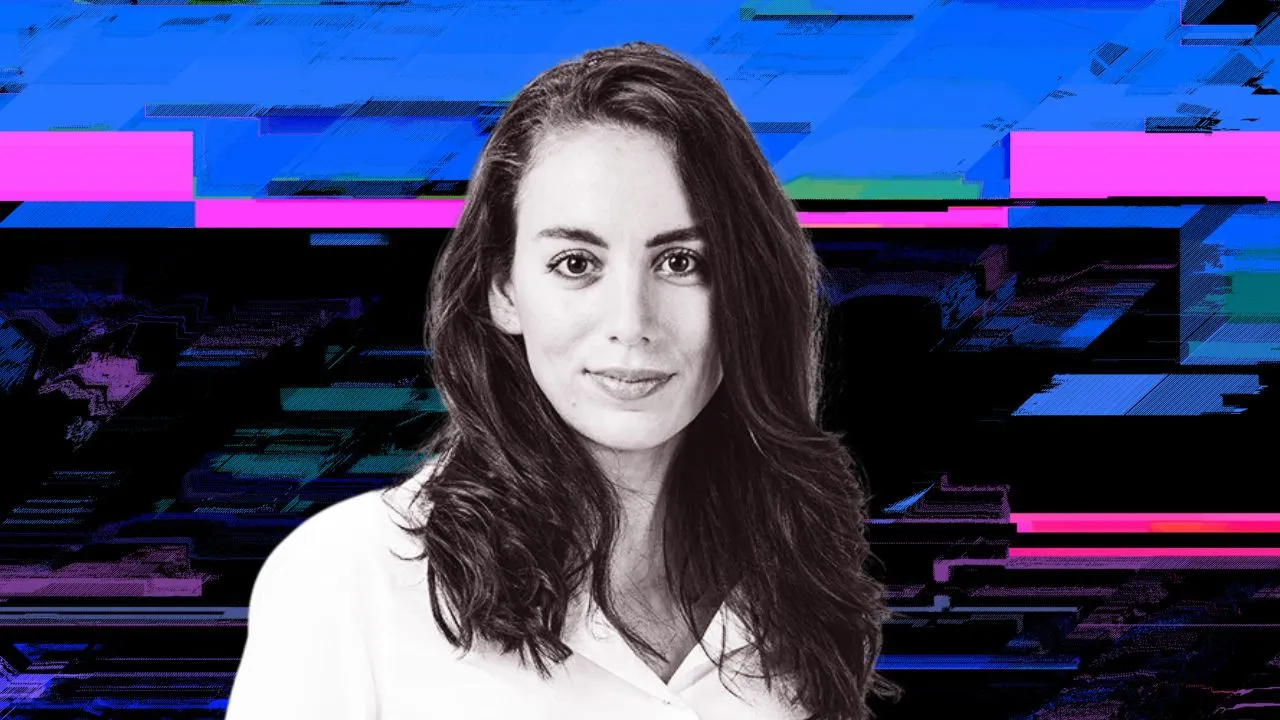
The head of enterprise AI sales rejoined OpenAI in January after being fired from Mira Murati's $12 billion startup. Now he's gone again. The only constant at OpenAI is change — and the talent churn is showing no signs of slowing down.
Barret Zoph posted a goodbye message in OpenAI's Slack channels on Thursday. It was the second time in 18 months that he had done so.
Five months after returning to OpenAI, Zoph — the company's head of enterprise AI sales — has departed, The Verge has learned. His return in mid-January had been celebrated as a victory: a top researcher, a former vice president of post-training who had helped shape ChatGPT and GPT-4, was coming back to the mothership after a brief, tumultuous stint at a rival startup. Now he is gone again, his destination undisclosed.
The departure marks the latest chapter in one of the most dramatic talent sagas in AI. Zoph originally left OpenAI in the fall of 2024 to co-found Thinking Machines Lab, the competing AI company founded by former OpenAI CTO Mira Murati. But he departed that role abruptly in January 2026 after reports of alleged misconduct involving an undisclosed relationship with a colleague. He was fired.
Then, in a twist that stunned the industry, OpenAI welcomed him back. Now, just five months later, he is out again.
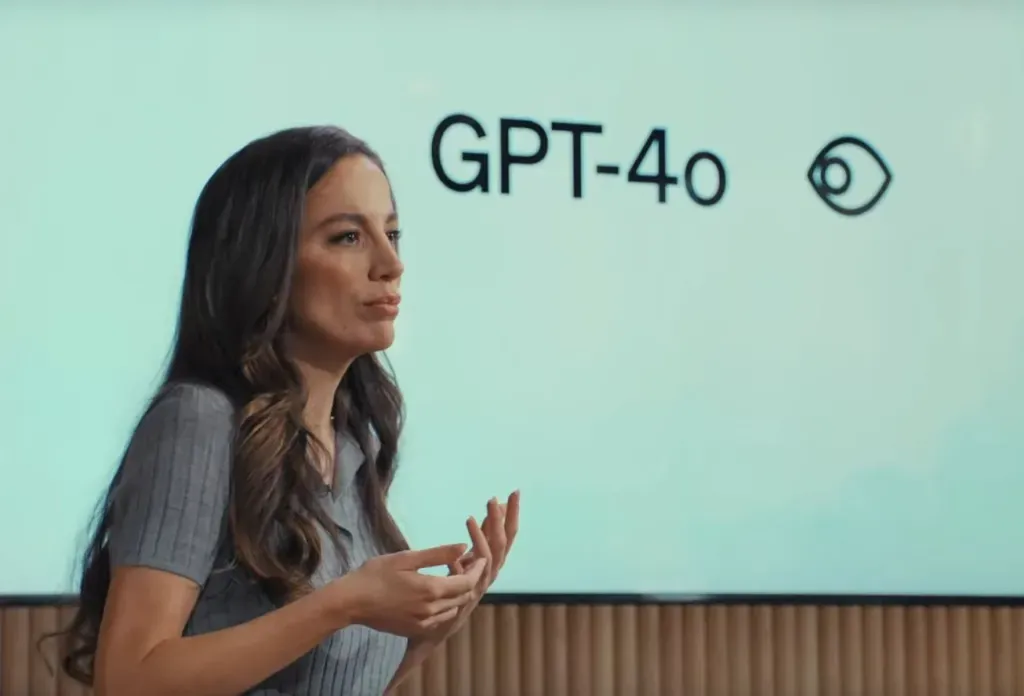
The January Homecoming That Shocked the Industry
The saga began in September 2024, when Murati left OpenAI to start Thinking Machines Lab. A group of OpenAI employees followed shortly after. Zoph was among them, becoming co-founder and CTO of the new venture.
By January 2026, the startup had already been valued at $12 billion and was in talks to raise more than $4 billion at a $50 billion valuation. Then the wheels came off.
On January 14, Murati announced on X that Thinking Machines Lab had "parted ways" with Zoph. According to reports, Zoph told Murati on a Monday that he was considering leaving; he was fired on Wednesday. Two narratives emerged: one source close to Thinking Machines alleged that Zoph had shared confidential company information with competitors; another report cited an undisclosed relationship with a colleague. Zoph did not respond to requests for comment.
Within hours, OpenAI's CEO of Applications, Fidji Simo, announced that Zoph would be returning to OpenAI — along with another Thinking Machines co-founder, Luke Metz, and a third staffer, Sam Schoenholz. The decision had "been in the works for several weeks," Simo wrote. OpenAI, she said, didn't share the same concerns about Zoph as Murati.
The move was a major win for OpenAI, which had recently lost its VP of research, Jerry Tworek. It was also a blow to Thinking Machines, which had already lost another co-founder, Andrew Tulloch, to Meta in November.
The Enterprise AI Role That Lasted Five Months
Shortly after Zoph returned to OpenAI, the company said he would lead its push into enterprise. It was a significant role: OpenAI had vowed to stop chasing so-called "side quests" and focus on key revenue drivers like enterprise and coding ahead of its planned IPO.
But the role lasted only five months. OpenAI confirmed to The Verge that Zoph would be departing. Neither OpenAI nor Zoph has publicly explained the reasons for this latest departure.
The timing is awkward. OpenAI is preparing for an IPO, and the revolving door of senior talent does not inspire confidence. The company has already lost Noam Shazeer, one of the inventors of the Transformer architecture, to OpenAI — only to have him return. It has lost research leaders, product leaders, and now, twice, Barret Zoph.
The Talent War That Never Ends
Zoph's departure is the latest in a series of high-profile exits and returns that have come to define the AI industry's talent landscape.
In the same week, Anthropic recruited Nobel laureate John Jumper from Google DeepMind. OpenAI, meanwhile, is fighting to retain its own talent while simultaneously poaching from rivals. The competition for elite AI researchers has driven salaries into the stratosphere, with senior researchers commanding packages worth tens of millions of dollars.
But Zoph's case is different. He wasn't poached. He wasn't lured away by a competitor. He rejoined OpenAI after being fired from a rival startup, was given a critical role, and then left again — all in the span of five months.
The pattern raises questions about OpenAI's talent strategy. Is the company so desperate for experienced leaders that it will rehire someone who was fired from a rival for misconduct? Is the culture at OpenAI so chaotic that even a returning insider can't last more than a few months? Or is Zoph simply a free agent in an industry where loyalty is a luxury no one can afford?

The Murati-Altman Tension
The Zoph saga is also a reminder of the deep tensions between OpenAI and Thinking Machines Lab — and between Sam Altman and Mira Murati.
Murati briefly took over as CEO from Altman during his November 2023 ouster. During the recent OpenAI trial, Murati testified that she couldn't trust everything Altman said. The relationship between the two has been fraught ever since.
When Murati left OpenAI in September 2024 to start Thinking Machines Lab, a group of employees followed. When Zoph and his colleagues returned to OpenAI in January, it was a victory for Altman — and a defeat for Murati.
Now Zoph is gone again. And the tensions between the two companies — and their leaders — remain unresolved.
The Bottom Line
Barret Zoph has left OpenAI for the second time in 18 months. He rejoined the company in January after being fired from Mira Murati's Thinking Machines Lab amid allegations of misconduct. He was given a critical role leading enterprise AI sales. Five months later, he is gone.
The departure is a reminder of the instability that pervades the AI industry's upper echelons. Talented researchers and executives move between companies with dizzying speed. Loyalty is rare. Trust is fragile. And even a returning insider can find themselves out the door within months.
For OpenAI, the timing is particularly awkward. The company is preparing for an IPO and has vowed to focus on key revenue drivers like enterprise and coding. Losing the head of enterprise AI sales — just months after giving him the role — does not project stability.
But in the AI industry, stability has never been the point. The point is speed. The point is talent. The point is winning the race to build AGI, no matter the cost.
Barret Zoph is gone. Someone else will take his place. The revolving door will keep spinning. And the talent war will continue, one departure at a time.


