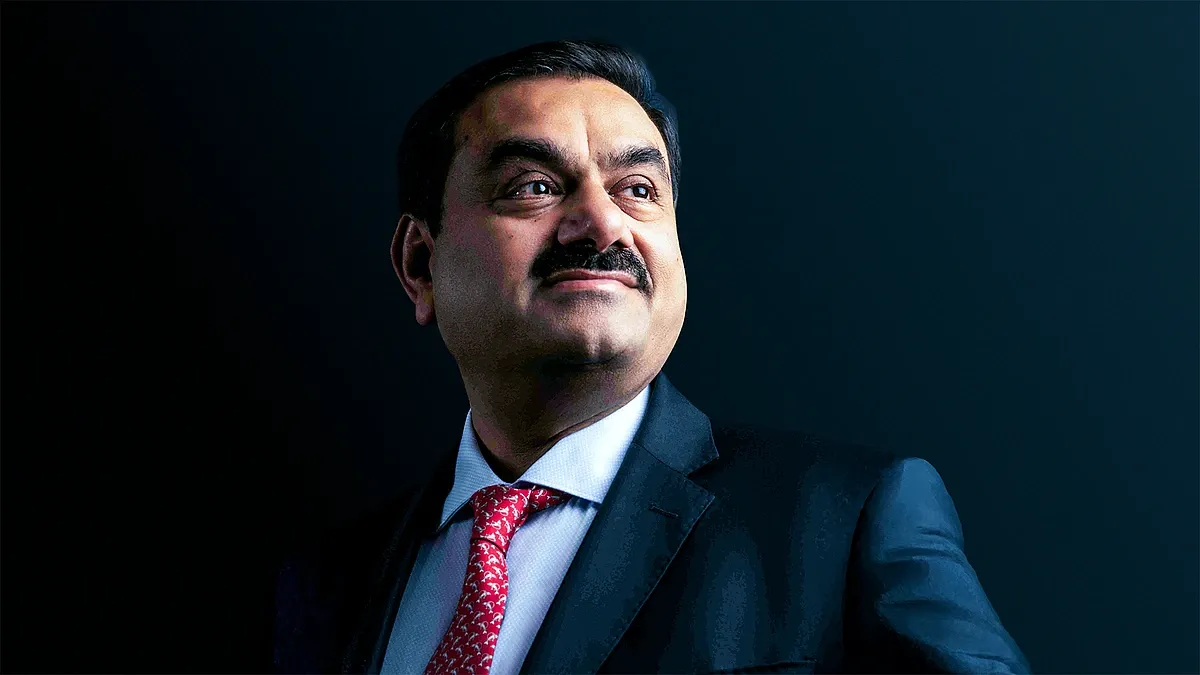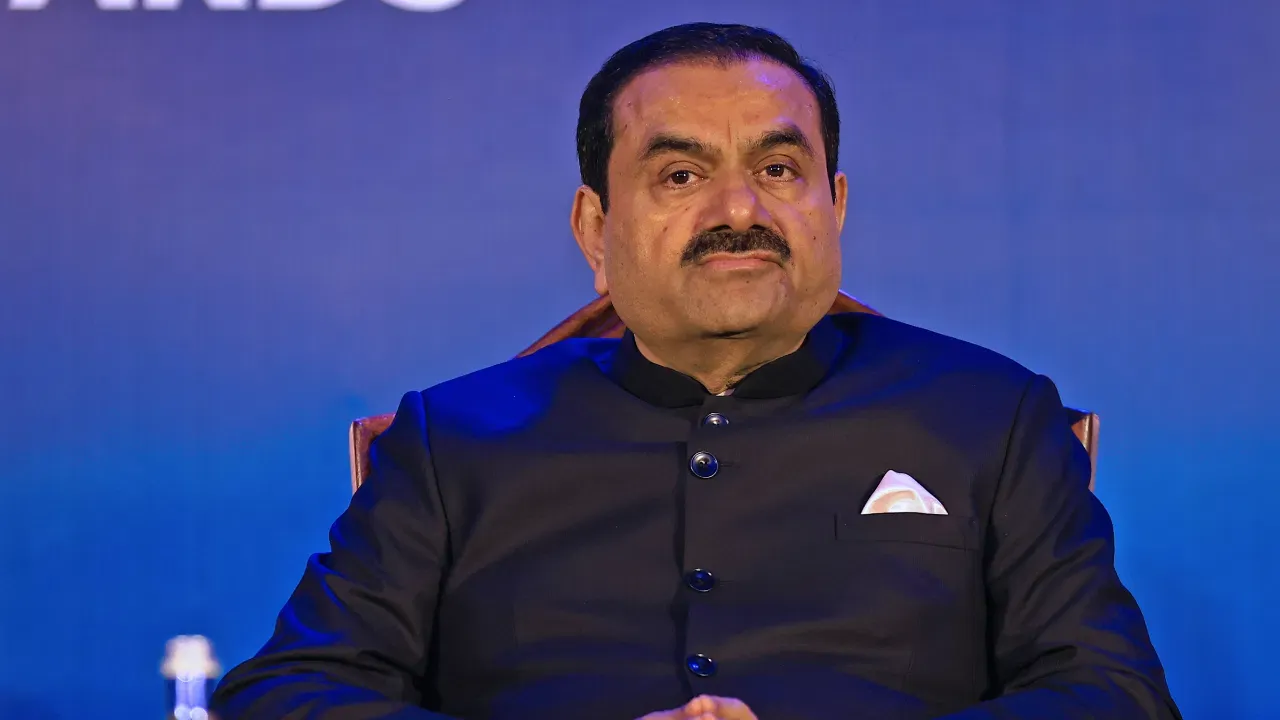
For nearly a decade, one name sat unchallenged atop India's real estate wealth rankings: Rajiv Singh of DLF. That reign has now come to an end. Gautam Adani and family have topped the 2026 GROHE-Hurun India Real Estate Rich List with a real estate wealth of ₹90,400 crore, according to the report released this month, ending DLF's long-standing dominance and marking the first time the Adani family has secured the number one position on the closely watched annual ranking.
The scale of the shift is striking. Adani's real estate wealth grew by a remarkable 73 per cent over the past year, driven by the rapid expansion of Adani Properties across several of India's major cities. That surge propelled Gautam Adani and family two places up the rankings to claim the top spot, while Rajiv Singh and family of DLF slipped to second place with ₹90,200 crore — a wealth decline of 29 per cent that reflected a broader correction in real estate valuations across the sector rather than any company-specific setback unique to DLF. The margin separating the two families at the top of the list, notably, is razor-thin: just ₹200 crore now separates India's new wealthiest real estate family from the one it displaced.
Behind the headline figures lies a company that has, over recent years, transformed itself from a real estate afterthought within the broader Adani conglomerate into what is now India's most valuable unlisted real estate developer. Adani Properties recorded the highest absolute gain in valuation of any Indian real estate company this year, adding approximately ₹38,000 crore to its worth and climbing four places to become the country's fourth-most valuable real estate company overall, even while its shares remain outside public markets. According to Hurun India founder Anas Rahman Junaid, researchers had flagged Adani's ambitions in this space as far back as mid-2025, when the group's real estate wealth stood at a comparatively modest ₹52,320 crore and ranked only third on the list, behind both DLF and Lodha Developers. At the time, Hurun researchers had projected that Adani could overtake DLF within five years; the actual timeline, it now appears, has been considerably shorter.
Much of Adani Properties' growth has been anchored in large-scale urban redevelopment projects, chief among them the ambitious and closely watched Dharavi redevelopment in Mumbai — one of the largest slum rehabilitation projects in the world — alongside the Motilal Nagar redevelopment, also in Mumbai. These projects, while carrying significant execution complexity and long gestation timelines, represent precisely the kind of large-scale, high-visibility urban transformation initiatives that can meaningfully re-rate a real estate portfolio's valuation once market confidence in their execution builds. The Ahmedabad-based company's rapid ascent up the wealth rankings suggests investors and valuers alike have grown considerably more confident in the group's ability to deliver on these ambitions.
The broader rankings for 2026 reveal a property sector experiencing a subdued year overall, even as individual companies like Adani Properties posted standout gains. Mangal Prabhat Lodha and family retained third position on the individual wealth list with ₹67,700 crore, even as their overall real estate wealth declined by 27 per cent amid the sector-wide market correction, though Mumbai-based Lodha Developers continued to report healthy sales performance and expanded its national footprint despite the challenging conditions. Vikas Oberoi remained in fourth position with wealth of ₹42,500 crore, notwithstanding a 10 per cent decline, with Oberoi Realty continuing to focus on premium residential and commercial developments. Chandru Raheja and family rounded out the top five with ₹42,200 crore, their position underpinned by K Raheja Corp's substantial and diversified presence across commercial office space, hospitality, and residential developments.