The Indore Model: How India's Cleanest City Became a Billion-Dollar D2C Hub
The City That Refused to Stay Clean
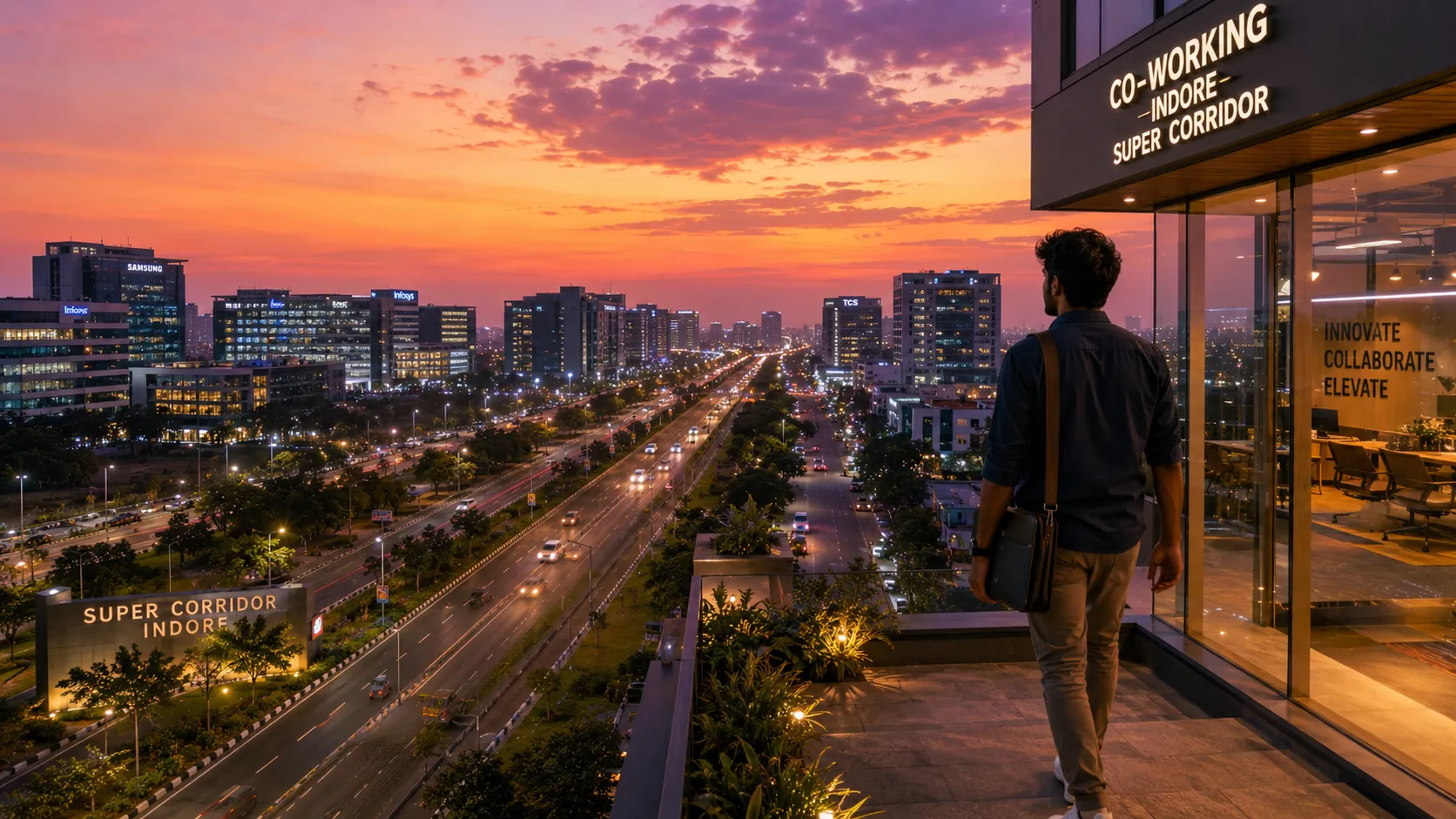
Ask anyone about Indore, and they will mention its spotless streets, its seven consecutive Swachh Survekshan crowns, and its famously efficient waste‑to‑energy plants. But after the sun sets, when the garbage trucks have returned to their depots, a different kind of transformation hums across the Super Corridor. Young founders huddle in co‑working spaces, pitching D2C brands that ship everything from home‑grown plants to fragrances to wooden Montessori toys—not to Indore itself, but to 500 cities across India and beyond.
This is the story of Indore’s second act: India’s cleanest city has become its most replicable startup hub. And the playbook it has written is now being studied by every Tier‑2 city that wants a piece of the D2C boom.
The Numbers That Made Investors Look Twice
Indore’s transition from a traditional trading centre to a modern startup destination is not accidental. The data tells a compelling story.
Over 300 startups have been registered in the city in the past five years, giving it a startup density of 5.4 per 1,000 people.
The city boasts an ease-of-doing-business score of 92.81, one of the highest among non‑metros.
It attracts a yearly influx of 20,000 STEM graduates from institutions such as IIT Indore and IIM Indore, creating a deep and affordable talent pool.
More than 50% of India’s DPIIT‑recognised startups now originate from Tier‑2 and Tier‑3 cities, and Indore is a leading contributor.
According to the ANSR Emerging Cities Report 2026, Indore has been identified as one of 14 Tier‑2 cities primed for Global Capability Centre (GCC) expansion, recognised for its talent attractiveness, infrastructure readiness, and business‑friendly regulatory environment.
The Infrastructure That Makes It Work
No startup hub can thrive without the hard scaffolding of roads, power, and digital connectivity. Indore’s transformation has been anchored by two major infrastructure bets.
The Super Corridor: A 12‑lane, 7‑kilometre stretch that has attracted investments exceeding ₹7,000 crore and is expected to generate over 100,000 jobs. It houses IT parks, logistics hubs, and commercial real estate that offer office space at 50‑60% of metro rents.
Sinhasa IT Park & Launchpad Innovation Centre: In March 2026, Chief Minister Mohan Yadav inaugurated the Launchpad Incubation Centre at Sinhasa IT Park, a joint initiative of IIT Indore, DRISHTI CPS Foundation, and MPSEDC. With an investment of ₹30 crore, the 10,000 sq ft facility includes 5,000 sq ft of co‑working space and 5,000 sq ft of advanced labs. It will support approximately 100 startups and generate 200‑300 jobs over the next seven years, focusing on deep‑tech sectors such as AI, robotics, Industry 4.0, digital healthcare, and advanced manufacturing.
Indore Smart Seed Incubation Centre: A joint initiative of Indore Smart City and CIIE.CO (built at IIM Ahmedabad), this 150‑seat incubation facility offers co‑working spaces, team rooms, meeting rooms, and mentorship programmes. It supports early‑stage startups across sectors, with programmes such as Innocity Learn and Innocity Connect designed to sensitise new entrepreneurs.
The D2C Champions: From Kyari to EM5
The D2C brands that call Indore home are not small experiments—they are quietly building national footprints.
Kyari (Select Brands): Co‑founded in 2022 by brothers Agam Choudhary and Saksham Jain, this D2C brand offers home‑grown plants and planters. In May 2024, it raised ₹6.5 crore in Pre‑Series A funding led by Agra Gwalior Pathways and Airen Holdings. At the time, the brand aimed to surpass ₹40 crore in sales in FY25, targeting a 10‑12% share of India’s ₹400 crore online gardening market.
EM5: Founded in 2022 by Shashank Chourey, this fragrance brand makes perfumes, roll‑ons, foot sprays, scented candles, and beard balms. In February 2026, Indian cricketer Suryakumar Yadav made an undisclosed investment in EM5, attracted by its “authentic, digital‑first” approach. The brand’s revenue jumped from ₹1.43 crore in FY23 to ₹7.08 crore in FY24 (4X growth). It sells via its own website, marketplaces, and quick‑commerce platforms.
ShopKirana: A B2B e‑commerce company that focuses on technology and supply chain innovation for neighbourhood retailers. Founded in 2015 and headquartered in Indore, ShopKirana works directly with brands to help them reach the masses with transparency and deep market intelligence. It ranks among Indore’s top startups, with an SB Score of 407 on StartupBlink. The startup has previously been in talks to raise a $40 million Series C funding round.
ClassMonitor: An ed‑tech startup focused on homeschooling solutions, headquartered in Indore and ranked third among the city’s startups.
Eggoz: A homegrown egg startup with operations in Indore that has set its sights on profitability, offering more nutritious and chemical‑free eggs with a one‑day delivery promise.
The Logistics Edge: DTDC’s ‘Dream Store’ in Indore
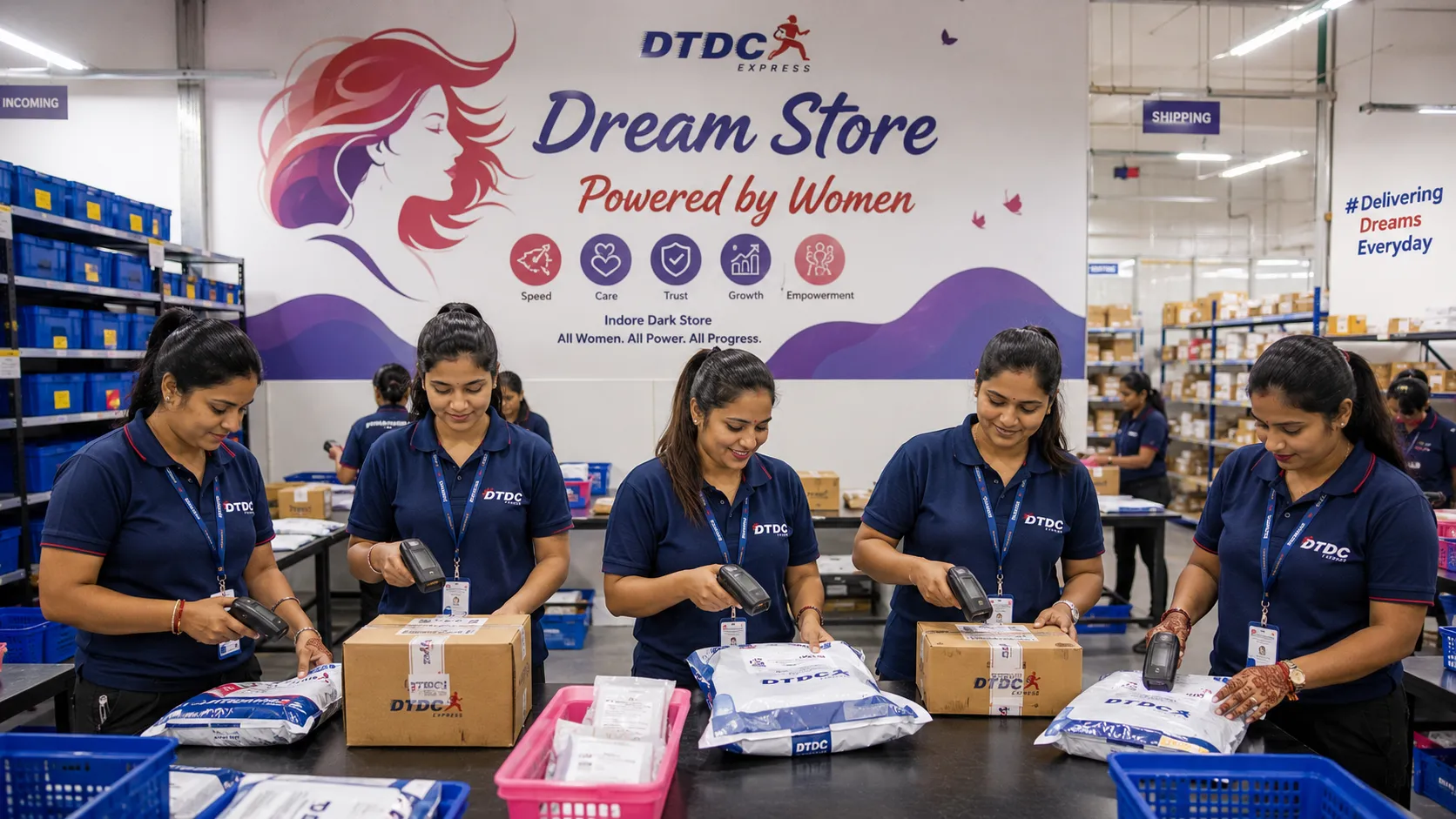
One of the most innovative signals of Indore’s D2C readiness came from DTDC Express in November 2025: the logistics giant launched its first all‑women‑operated dark store in Indore. The 700 sq ft facility is managed entirely by women and handles end‑to‑end operations—warehousing, last‑mile delivery, and client servicing—with a two‑hour delivery turnaround under its rapid‑commerce service, DTDC Raftaar.
Calling it their “Dream Store,” DTDC’s CEO Abhishek Chakraborty noted that the facility is designed to support a variety of client‑specific needs, using advanced warehouse management technology for deliveries within two to six hours. Through DTDC Raftaar, the company is offering “dark store as a service” to help D2C and mid‑sized brands deliver faster without heavy upfront logistics investments. With this launch, DTDC expanded its dark‑store presence across Tier‑1 and Tier‑2 cities including Delhi, Bengaluru, Kolkata, Cochin, Bhopal, Kanpur, Nagpur, Udaipur, and Meerut.
For D2C brands based in Indore, this means instant access to a logistics infrastructure that can compete with the best in Mumbai or Bengaluru—without the metro rent.
The Orbisys Startup Awards: A Platform for Recognition
In May 2026, the Orbisys Startup Awards honoured 50 emerging startups and visionary founders from Indore, celebrating innovation across technology, healthcare, finance, real estate, digital media, and consumer services. Over 100 startups were introduced through a “runway‑style ramp walk,” symbolising innovation as the new identity of central India’s business landscape.
The initiative, led by Prabhat Agarwal, founder of Orbisys Global, featured a special talk show in collaboration with PR 24×7. Neha Gaur, CEO of PR 24×7, emphasised: “A startup’s story is its strongest asset in the early stages. Public relations is not just visibility—it is the foundation of trust that sustains a brand even in challenging times.”
Among the awardees were founders from Insure Marketing Solution, Orbotox, Vaibhav Perfumery, Bhojankart, Dieslog Delivery, and many others, showcasing the diversity of Indore’s entrepreneurial talent.
The Policy Tailwind: Madhya Pradesh’s Startup Push
Indore’s rise has been accelerated by Madhya Pradesh’s Startup Policy 2019/2022, which provides:
Seed funds up to ₹10 crore
Pre‑seed prizes
100% incubator growth support
MSME incentives for prototype development and scaling
The state has also established 45 incubators across its cities, many of them concentrated in Indore, providing startups with networking events, mentorship programmes, and access to early‑stage capital. The Union Budget 2025‑26 also launched a new ₹10,000 crore Fund of Funds for startups, ensuring adequate capital availability beyond the existing ₹91,000 crore commitment.
The Structural Shift: Lower Costs, Higher Runways
Why have founders chosen Indore over metros? The answer is ruthlessly economic.
Office rent is 50‑60% lower than in Bengaluru or Mumbai.
Talent acquisition costs are 25‑30% lower.
Operational expenses across the board allow startups to extend their financial runway by 30‑50%, channelling more capital into product development and customer acquisition.
Additionally, skilled graduates from IIT Indore, IIM Indore, and NMIMS are increasingly choosing to stay closer to home, creating competitive teams without paying metro‑level salaries. For D2C brands, this talent‑cost arbitrage is a competitive weapon.
The Global Indian Takeaway
For the Indian diaspora, the Indore model offers three clear opportunities:
Invest via emerging funds. The city has active accelerators and angel networks, and the central government’s new Fund of Funds is directing capital toward Tier‑2 ecosystems. Early‑stage investment in Indore‑based D2C brands offers valuation arbitrage compared to metro peers.
Build a distribution partnership. DTDC’s “dark store as a service” model shows that Indore is a logistics gateway to Central India. Diaspora professionals with retail or e‑commerce networks can partner with Indore‑based D2C brands to distribute products across Tier‑2 and Tier‑3 India.
Relocate or outsource. For Indian‑owned businesses abroad, Indore offers a cost‑effective back‑office or R&D location with world‑class talent from IIT and IIM. The city’s quality of life—clean air, lower congestion, and green spaces—makes it attractive for talent retention.
The Final Word
Indore did not become a startup hub by accident. It became one by cleaning its streets, building its infrastructure, nurturing its educational institutions, and keeping its costs low. And then it let the founders come.
From Kyari’s plants to EM5’s fragrances, from ShopKirana’s B2B revolution to DTDC’s Dream Store, the evidence is everywhere: India’s cleanest city is also one of its smartest bets for the future of D2C. The Indore model is not just replicable—it is already being replicated. And for the Global Indian looking for the next Bengaluru, the search ends in a city that swept its way to the top.
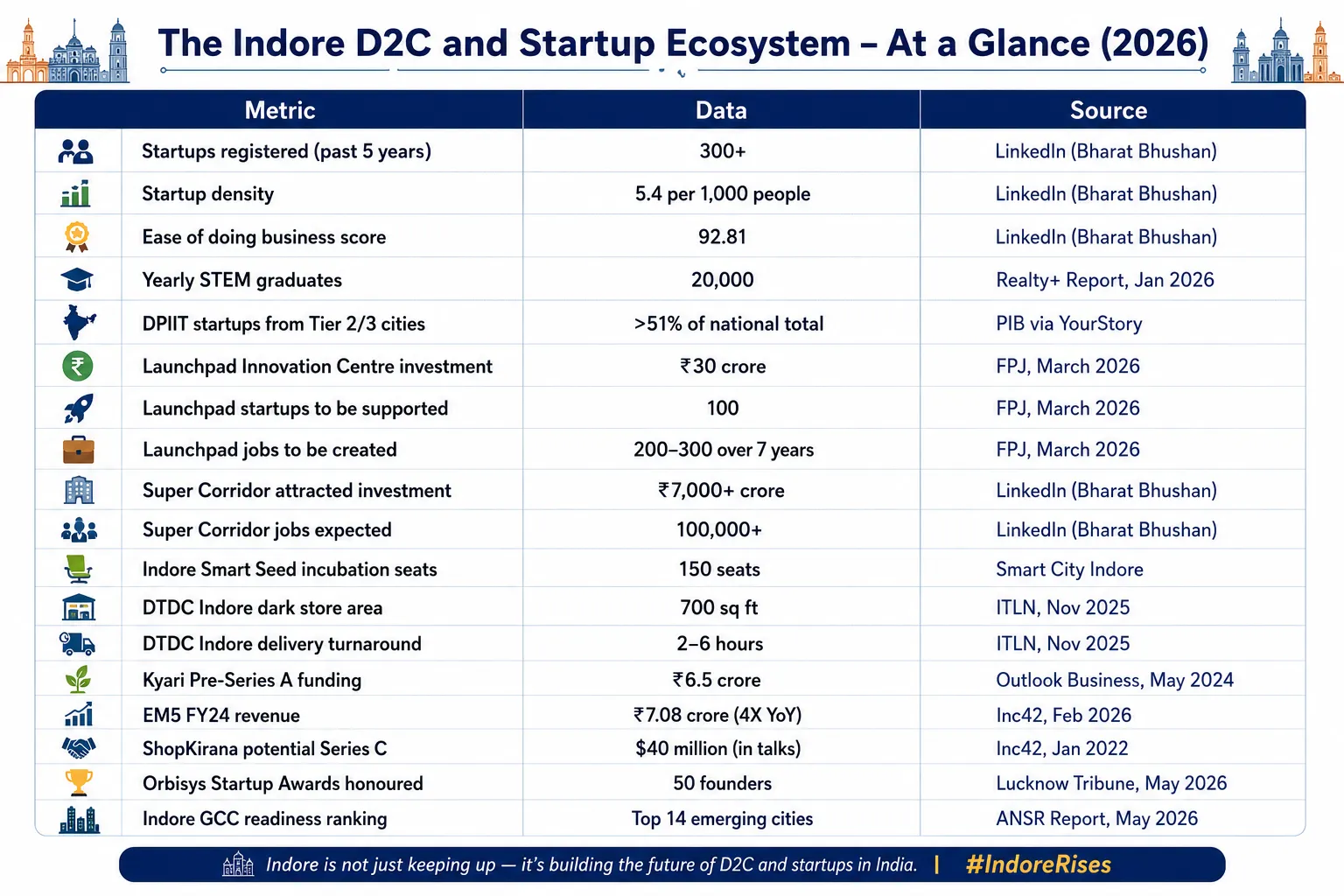
CHART: “The Indore D2C and Startup Ecosystem – At a Glance (2026)”
Metric | Data | Source |
|---|---|---|
Startups registered (past 5 years) | 300+ | LinkedIn (Bharat Bhushan) |
Startup density | 5.4 per 1,000 people | LinkedIn (Bharat Bhushan) |
Ease of doing business score | 92.81 | LinkedIn (Bharat Bhushan) |
Yearly STEM graduates | 20,000 | Realty+ Report, Jan 2026 |
DPIIT startups from Tier 2/3 cities | >51% of national total | PIB via YourStory |
Launchpad Innovation Centre investment | ₹30 crore | FPJ, March 2026 |
Launchpad startups to be supported | 100 | FPJ, March 2026 |
Launchpad jobs to be created | 200–300 over 7 years | FPJ, March 2026 |
Super Corridor attracted investment | ₹7,000+ crore | LinkedIn (Bharat Bhushan) |
Super Corridor jobs expected | 100,000+ | LinkedIn (Bharat Bhushan) |
Indore Smart Seed incubation seats | 150 seats | Smart City Indore |
DTDC Indore dark store area | 700 sq ft | ITLN, Nov 2025 |
DTDC Indore delivery turnaround | 2–6 hours | ITLN, Nov 2025 |
Kyari Pre‑Series A funding | ₹6.5 crore | Outlook Business, May 2024 |
EM5 FY24 revenue | ₹7.08 crore (4X YoY) | Inc42, Feb 2026 |
ShopKirana potential Series C | $40 million (in talks) | Inc42, Jan 2022 |
Orbisys Startup Awards honoured | 50 founders | Lucknow Tribune, May 2026 |
Indore GCC readiness ranking | Top 14 emerging cities | ANSR Report, May 2026 |


