The Future of Movie Theatres — Luxury, Experience, and the Battle for Footfall
The Experience Economy Arrives at the Cinema
For decades, a movie theatre was simply a place to watch a film. You bought a ticket, sat in a plastic seat, ate overpriced popcorn, and left. The experience was secondary to the content. Then OTT happened. Suddenly, audiences could watch the same film at home, on a big TV, with better snacks and the ability to pause.
Cinemas had to evolve or die. They chose evolution.
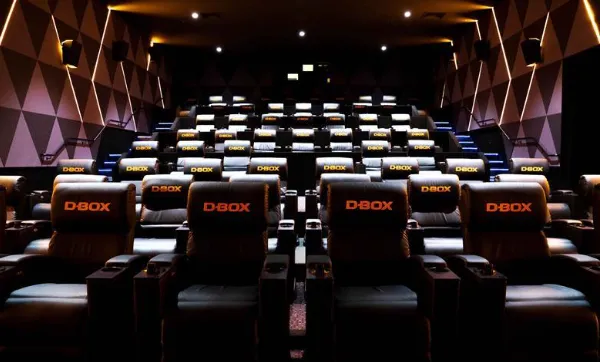
Today, a trip to PVR Inox is no longer just about the movie. It's about the leather recliner, the gourmet burger delivered to your seat, the 70-foot IMAX screen, the 4DX motion seats that rumble with every explosion. The cinema has become a destination—not just a venue.
Premium Formats: The Profit Engine
Standard screens still dominate, but premium formats are growing fast. In 2025, premium screens accounted for only 12% of total screens but generated 25% of box office revenue. Audiences are willing to pay ₹500–₹1,500 for a superior experience.
IMAX – Larger screens, sharper images, immersive sound. PVR Inox has expanded its IMAX footprint to 30 screens across India. Average ticket price: ₹800.
4DX/MX4D – Motion seats, wind, water, scent effects synchronized with the action. Popular for action and superhero films. Average ticket price: ₹600.
Gold Class/Luxury Lounges – Recliners, waiter service, gourmet food. Targeted at families and couples. Average ticket price: ₹1,200.
These formats have higher margins because customers also spend more on food and beverage. A standard screen attendee might spend ₹90 on F&B. A Gold Class attendee spends ₹250-300.
The Renovation Wave
PVR Inox has invested over ₹1,000 crore in the last three years renovating existing screens and adding premium formats. Competitors like Cinepolis and Miraj have followed. Even some single-screen owners have upgraded—adding digital projection, better seats, and air conditioning to compete.
The result: average ticket price across India rose from ₹180 in 2019 to ₹280 in 2025, even as footfall grew. Exhibitors have learned that charging more for a better experience is more sustainable than discounting to fill seats.
Beyond Movies: Diversifying Revenue
Cinemas are no longer just for movies. PVR Inox now hosts:
Live sports screenings (IPL finals, FIFA World Cup)
Corporate events (product launches, town halls)
Gaming tournaments (e-sports on the big screen)
Live theatre and comedy shows (stand-up specials, plays)
Concerts (recorded or live-streamed)
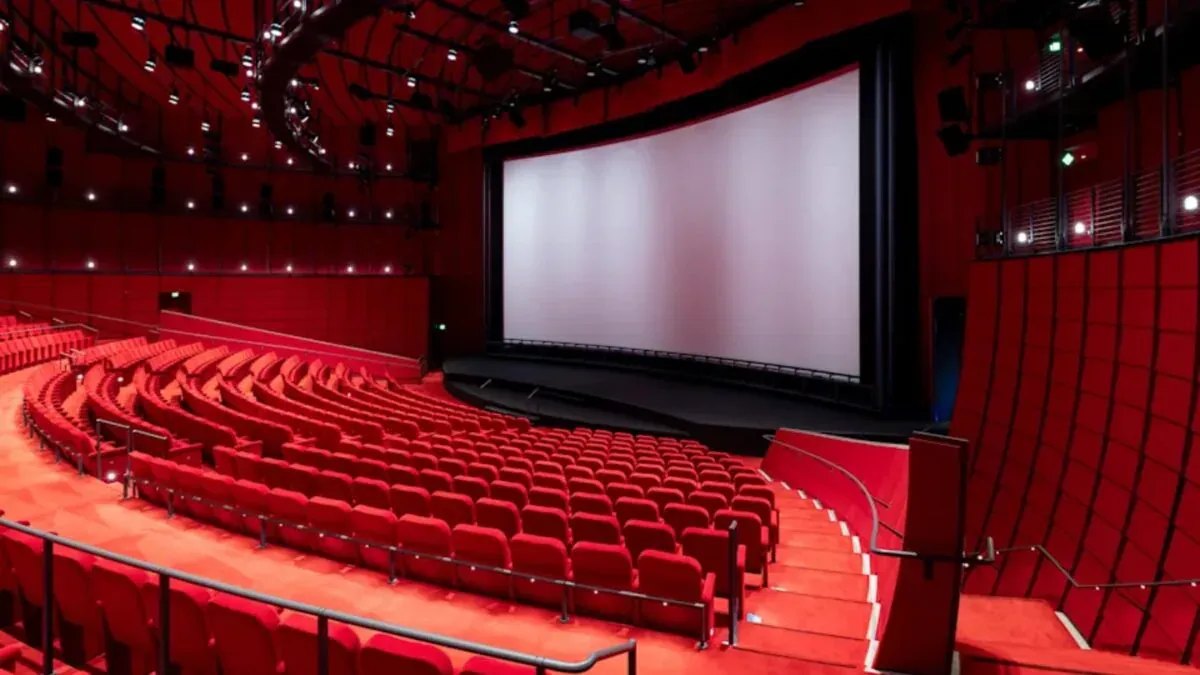
These non-movie events now account for 8-10% of PVR Inox's revenue, up from 2% in 2019. The goal is to make cinemas a 365-day destination, not just a Friday-to-Sunday business.
Food & Beverage: The Real Moneymaker
F&B margins in cinemas are 70-80%, compared to 10-15% for ticket sales. That's why exhibitors are obsessed with upgrading their food offerings. PVR Inox now has in-house brands like "Gourmet Pizza" and "Starbucks at PVR." Some locations even have full-service restaurants inside the multiplex.
F&B revenue per person has grown from ₹70 in 2019 to ₹110 in 2025. For premium formats, it's even higher. The strategy is simple: get customers through the door with a movie, then make profit on what they eat and drink.
The Single-Screen Struggle
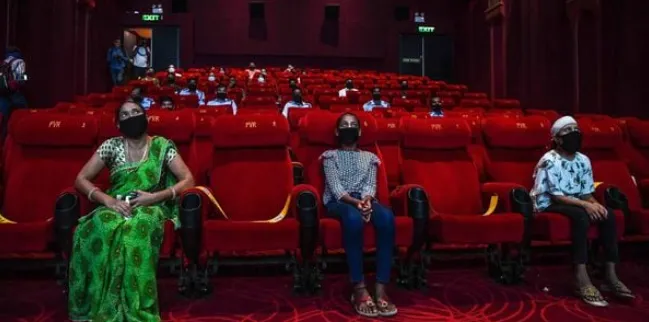
While multiplexes thrive, single-screen cinemas continue to decline. Over 5,000 single screens have shut since 2015, leaving around 8,000 operational. Those that survive have embraced digital projection, better seating, and lower ticket prices (₹50-150). Some have converted into mixed-use spaces—renting halls for weddings, corporate events, and religious gatherings during non-film hours.
The government has announced a cinema revival fund, but progress has been slow. Most single-screen owners lack the capital for major upgrades.
The Threat of OTT and Shrinking Windows
The biggest challenge remains the shrinking theatrical window. A film now comes to OTT within 4-8 weeks of release, sometimes sooner. This compresses the theatrical revenue window. Exhibitors are pushing for a minimum 4-week window, but producers want flexibility.
The compromise: blockbusters get 6-8 weeks; smaller films get 2-4 weeks. This hybrid model has stabilized the industry.
What's Next for Exhibition?
The next five years will see:
More premium screens – IMAX, 4DX, and luxury lounges will expand to Tier-2 cities like Lucknow, Nagpur, Coimbatore.
Dynamic pricing – Ticket prices will vary by time, day, and demand (like airlines). A Friday night show will cost more than a Tuesday morning show.
Membership programs – Subscription models (pay ₹1,000/month for X movies) will grow.
Immersive technologies – VR/AR experiences before or after films.
Non-film content – Live concerts, esports, and even yoga sessions in cinemas.
The cinema is not dying. It is becoming something new—a hub for shared experiences that cannot be replicated at home.


