The D2C Gold Rush — How Bollywood Stars Are Launching Their Own Consumer Brands
The Endorsement Trap They Escaped
For decades, Bollywood stars followed a predictable pattern: charge a hefty fee to appear in a commercial, collect the cheque, and move on. The brand got visibility; the star got paid. But the relationship ended there.
Then came the D2C revolution. Stars realized that their influence—if converted into equity—could generate returns far beyond a one-time fee. A brand that grows 10x over five years would make a celebrity investor far richer than any endorsement deal.
So they started saying no to pure endorsements. Instead, they began negotiating equity stakes or launching their own brands. The shift wasn't easy. Brand managers were skeptical. But the early bets paid off spectacularly.
Deepika Padukone: 82°E – The Clean Beauty Powerhouse
In 2022, Deepika Padukone launched 82°E—a skincare and wellness brand named after the 82 degrees east longitude that runs through India. Unlike many celebrity brands that license their name to a third party, Deepika co-founded the company, hired a full R&D team, and built a manufacturing supply chain.
82°E launched with four products: a face moisturizer, a cleansing balm, a scalp treatment, and a face mask. Within six months, it became one of the fastest-growing D2C skincare brands in India. By 2025, 82°E had expanded into body care and wellness supplements, with annual revenue estimated at ₹150 crore.
Deepika's advantage: her authentic connection to wellness (she has spoken openly about her skin struggles) and her 80 million+ Instagram followers, who trust her recommendations.

Alia Bhatt: Ed-a-Mamma – The Reliance Exit
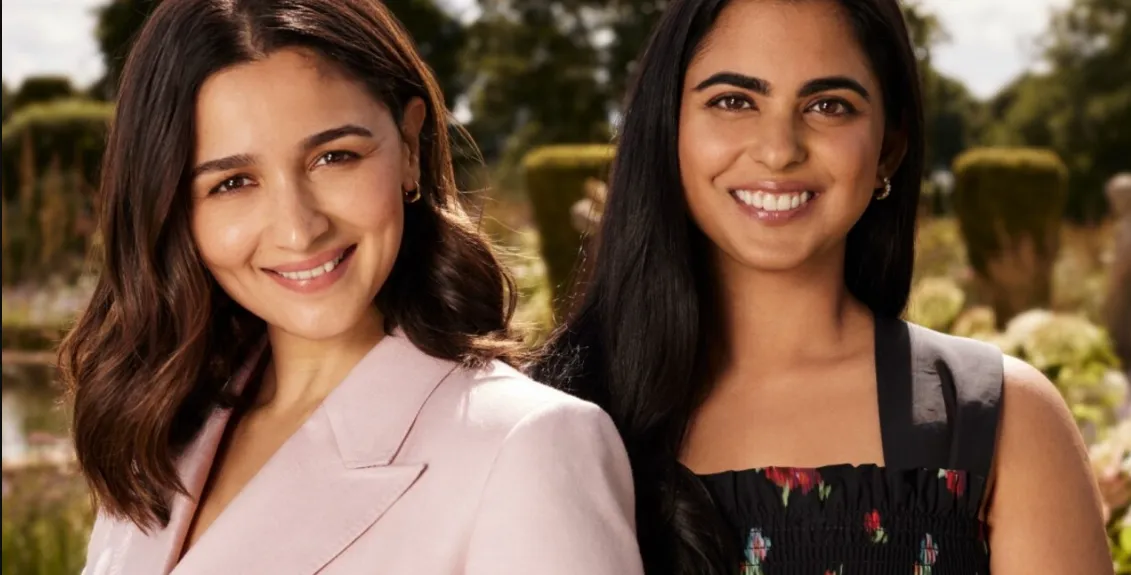
Alia Bhatt launched Ed-a-Mamma, a children's clothing and lifestyle brand focused on sustainability. The brand used organic fabrics, eco-friendly packaging, and age-appropriate designs. Unlike many celebrity brands that struggle to scale, Ed-a-Mamma grew steadily and built a loyal customer base.
In 2024, Reliance Retail acquired a majority stake in Ed-a-Mamma in a deal that valued the brand at over ₹300 crore. Alia reportedly pocketed ₹150 crore from the transaction while retaining a minority stake and creative control. This exit is a blueprint for other stars: build a brand with strong fundamentals, then sell to a strategic buyer.
Ranveer Singh: The Strategic Investor
Ranveer Singh took a different path. Instead of launching his own brand, he invested in existing D2C startups with high growth potential. His early bets included:
SUGAR Cosmetics – Took equity alongside his endorsement deal. The brand grew from ₹500 crore valuation to ₹2,800 crore.
boAt – Invested in the audio accessories brand that later went public.
Bellatrix Aerospace – A space-tech startup, his most surprising bet.
Ranveer's portfolio is diversified across beauty, electronics, and even space tech. His investment thesis: back founders who are solving real problems, and add value through his massive reach.
Kriti Sanon: Hyphen & GIVA
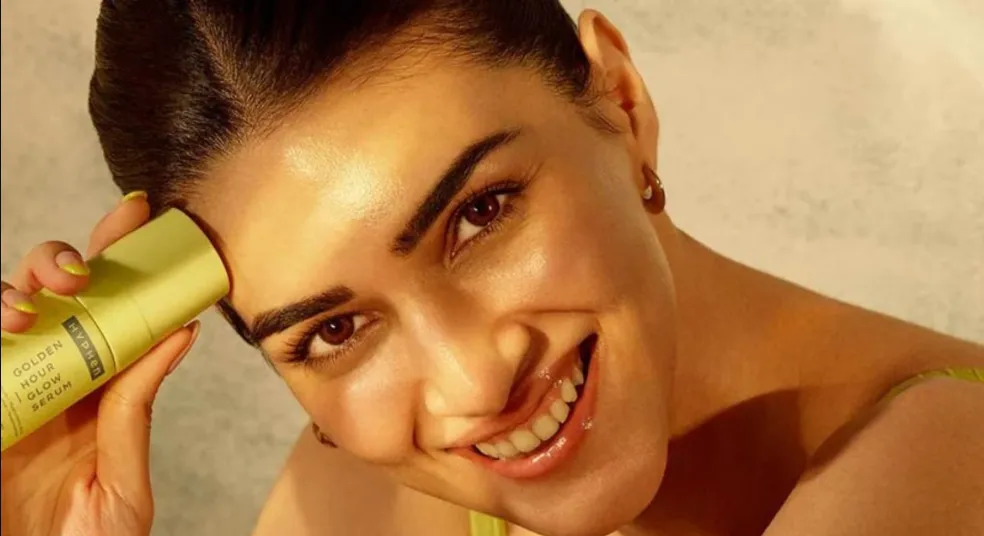
Kriti Sanon co-founded Hyphen, a D2C beauty brand, and invested in GIVA, a jewellery startup. She plays an active role in product development, branding, and marketing. Hyphen crossed ₹50 crore in annual revenue within 18 months. Kriti's approach is hands-on—she is not just a face but a strategic partner.
Why Celebrities Are Choosing D2C
The economics are compelling. A traditional endorsement might pay ₹3–5 crore per year. But a 2% equity stake in a brand that grows from ₹100 crore to ₹1,000 crore in valuation is worth ₹18 crore—and the celebrity still gets an endorsement fee on top.
Moreover, D2C brands need exactly what celebrities have: trust, reach, and aspirational appeal. A single Instagram post from a star can drive millions of rupees in sales. The alignment of incentives makes celebrity-D2C partnerships one of the most effective marketing models today.
The Risks: When Celebrity Brands Fail
Not every celebrity brand succeeds. Many have fizzled out due to poor product quality, lack of authenticity, or mismanagement. Stars who treat their brand as a side project—showing up only for photoshoots—rarely succeed. The winners are those who get their hands dirty: testing products, attending design meetings, and genuinely caring about the customer experience.
The Future: More Stars, More Categories
Industry analysts predict that by 2030, over 50% of top Bollywood stars will have a direct stake in at least one D2C brand. Categories with the most potential: beauty, skincare, activewear, baby products, and healthy snacks. The stars who build real, sustainable businesses will not only earn more but also secure their financial future beyond films.


