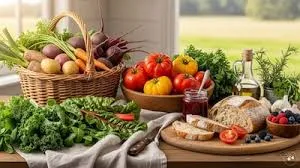
The country now boasts 4.7 million hectares of land under organic cultivation, with 2.4 million farmers practising organic farming—and these numbers are increasing by the day. India has become home to the largest number of organic farmers in the world, with over 4 million organic producers.
From a village kitchen in Rajasthan to a global trade fair in Nuremberg, from a ₹7,500 phone to a crore-rupee empire—the organic food revolution is rewriting the rules of Indian agriculture, entrepreneurship, and consumer culture. And it's just getting started.
Chapter 1: The Numbers That Will Make Your Head Spin
Let's start with the data, because it's nothing short of extraordinary.
Metric | Value |
|---|---|
Organic Food Market Size (2025) | $1.84 billion (≈₹15,000 crore) |
Projected Market Size (2035) | $13.46 billion (≈₹1.1 lakh crore) |
CAGR (2026-2035) | 22% |
Land Under Organic Cultivation | 4.7 million hectares |
Organic Farmers | 2.4 million and growing |
Certified Organic Production (2025) | 2.9 million metric tons |
India's Share of Global Organic Market | 2.97% |
Organic Product Exports (2020-21) | $1.03 billion |
The states leading this organic revolution are Madhya Pradesh (831,168.8 hectares), Maharashtra (1,025,675.6 hectares), and Gujarat (851,526.64 hectares). But the growth isn't limited to these regions—organic farming is spreading across the country, from the Northeastern states to the southern heartland.
"India is the place to serve the world as a good organic food basket," said Commerce Secretary Rajesh Agrawal at the inauguration of Biofach 2026. India's organic exports have grown threefold over the last decade, and the government now aims to triple them again over the next five years.
Chapter 2: The Consumer Revolution — From Passive Buying to Informed Choice
But the real story isn't just about production—it's about consumption. Something fundamental is shifting in how Indians think about food.
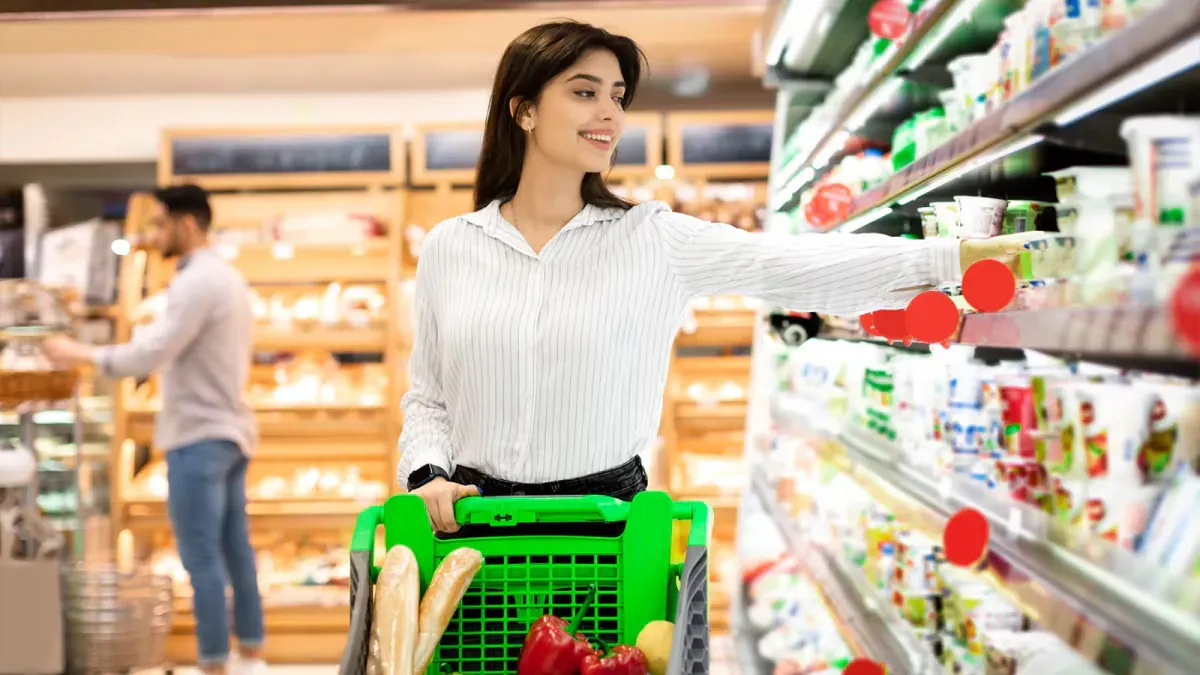
A recent 2026 consumer insight study points to a growing number of urban shoppers actively examining ingredient lists rather than relying on marketing cues. What was once a passive act of consumption is evolving into a more deliberate, informed process.
"Consumers today are far more conscious and are moving beyond front-of-pack claims to actively question ingredient lists, sourcing, and how products are made," says Gaurav Manchanda, Founder & Director of The Organic World.
Growing unease around ultra-processed foods (UPFs), reinforced by global research published in 2026, is prompting consumers to reconsider not just what they eat, but how it is made. A large number of households are rejecting polished and processed foods and choosing to buy organic grains and pulses.
This movement is not just a passing trend—it is a movement motivated by good health, which is changing how traditional farmers produce crops on their farms.
Chapter 3: The Trends Defining India's Organic Revolution
The Indian organic market is being shaped by several powerful trends, each reflecting the evolving preferences of health-conscious consumers.
Organic Pulses and Cereals: While organic grains, pulses, and cereals have always been the preferred choice, millets (ragi, bajra, jowar) are gradually becoming popular owing to their low glycaemic index. This represents a return to traditional grains that our ancestors consumed—grains that are now being rediscovered by a health-conscious generation.
Clean-Label & Traceable Products: Consumers are demanding clean-label transparency with certifications as well as food quality and safety standard criteria adhered to and mentioned on the packaging. "For us, certification is a starting point, not the end of the process. Consumers today want to understand the story behind the product," Manchanda explains.
Digital & Subscription-Based Organic Grocery: E-commerce platforms and quick commerce chains are expanding ease of access across India by offering home delivery options. The growth of the e-commerce industry serves as an aid to enterprises, appealing to potential consumers through lucrative offers and wider market penetration.
Wellness & Functional Foods: Organic superfoods such as quinoa, chia, moringa, and spirulina are becoming mainstream due to their nutritional profiles.
Organic Snacks: Crackers, trail mixes, millets, and dried fruits are popular amongst the younger generation of consumers seeking convenient, healthier alternatives to conventional snacks such as potato chips and packaged food.
Organic Dairy & Animal Products: Milk, ghee, cottage cheese, and yoghurt sourced from animals raised without hormones and antibiotics are gaining trust among health-focused buyers.
Natural Condiments & Artisanal Foods: Organic pickles, jams, sauces, and traditional condiments made without synthetic preservatives are increasingly found in health stores and organic markets. Many of these products are produced by rural self-help groups and small manufacturers tapping into the organic artisan movement while promoting the 'Vocal for Local' movement in India.
Chapter 4: The Brands Building the Organic Empire
India's organic revolution is being driven by a diverse ecosystem of players—from government-backed cooperatives to nimble startups.
Bharat Organics (NCOL): With the approval of the Union Cabinet, the Ministry of Cooperation set up the National Cooperative Organics Limited (NCOL) to act as an umbrella organization for aggregation, procurement, certification, testing, branding, and marketing of organic products. NCOL has launched 27 organic products across key categories including pulses, rice, flours, dry fruits, and sweeteners, sold under the brand name "Bharat Organics" . The Ministry also launched a D2C platform to expand the cooperative model, offering products at accessible pricing (10-15% above conventional).
Organic Tattva: This brand launched its 2026 Resolution Campaign, calling on consumers across India to pledge to organic, pesticide-free food. Each Organic Tattva product carries a QR code that enables consumers to verify the source, purity, and testing details of the specific batch. CEO Rohit Mehrotra said: "We believe that food choices shape not just individual health, but the future of our food ecosystem" .
iD Fresh Food: India's most loved fresh food brand announced its entry into the organic segment with the launch of iD Organic Batter. For its Organic Batter range, the company is sourcing grains through an established organic sourcing model that works with over 2,500 farmers across Karnataka and Andhra Pradesh. CEO Rajat Diwaker said: "At iD, everyday food has always been built on trust and transparency, and entering the organic space is a natural extension of that belief" .
Akshayakalpa Organic: This brand is becoming a leading name in India's organic dairy market, emphasizing traceable sources and farmer-driven production.
The Organic World: Founded in 2017, this retailer has focused on curating organic and preservative-free products, with an emphasis on simplifying choices for consumers. Its 'Not In Our Aisle' framework excludes a wide range of commonly used but questionable ingredients.
Chapter 5: The Government's Role — From Policy to Action
The government has played a crucial role in enabling this revolution. India started with the National Programme for Organic Production way back in 2001, designed to adopt international standards for organic goods.
Today, 3% of India's cultivation is organic. The government is now bringing in cooperatives in a big way. "Cooperatives can bring in and aggregate farmers to create good, viable organic ecosystem in various villages across the country," Agrawal said.
India's organic ecosystem is growing very fast, and the country is keen to collaborate with the EU to strengthen this ecosystem to cater to rising demands. The focus is now on creating credibility around organic foods and ensuring trust around certification.
Chapter 6: The Global Stage — India as 'Country of the Year'
In 2026, India is being celebrated as the 'Country of the Year' at BIOFACH in Nuremberg—the world's leading trade fair for organic food. Around 100 exhibitors from 20 Indian states, including Assam, Meghalaya, and Kerala, are showcasing their organic food products.
"India matters on the global organic stage," says Indian climate activist and content creator Aakash Ranison. "India is home to the largest number of organic farmers in the world. This scale, combined with traditional farming knowledge and climate-resilient practices, positions India as a key player of sustainable food systems" .
Chapter 7: The Challenges — What's Holding India Back?
Despite the impressive growth, challenges remain.
Scale and Penetration: While the organic food market is growing rapidly, it remains a niche market. Wider penetration is expected in the coming years, but it will take time.
Certification and Trust: There is a need to ensure trust and credibility around the certification of organic products. The emphasis on official organic certifications (India Organic/NPOP) is rising as consumers seek authentic products.
Pricing: Organic products typically cost 10-15% more than conventional products. While this premium is justified by the higher costs of organic farming, it remains a barrier for price-sensitive consumers.
Supply Chain Infrastructure: Building robust supply chains for organic products—from farm to fork—remains a significant challenge, particularly in rural and remote areas.
Consumer Awareness: While awareness is growing, many consumers still lack a clear understanding of what "organic" truly means and how to verify organic claims.
The Final Verdict: A Revolution in the Making
June 2026 finds India at a remarkable crossroads in its organic food journey.
From a humble beginning in 2001 to becoming the world's largest organic producer; from a $1.84 billion market to a projected $13.46 billion empire; from 2.4 million farmers to 4 million organic producers—the numbers tell a story of extraordinary growth.
But the real story isn't just about numbers. It's about a fundamental shift in how Indians think about food. It's about consumers who are no longer passive buyers but informed choosers. It's about farmers who are returning to traditional, sustainable practices. It's about entrepreneurs who are building brands that compete on the global stage. And it's about a government that is creating the policy framework to enable all of this.
"India is the place for large-scale organic production," said Commerce Secretary Rajesh Agrawal. The government now aims to triple organic exports over the next five years.
From a village kitchen in Rajasthan to a global trade fair in Nuremberg—the organic food revolution is rewriting the rules of Indian agriculture, entrepreneurship, and consumer culture.
And it's just getting started.
"Consumers today are far more conscious and are moving beyond front-of-pack claims to actively question ingredient lists, sourcing, and how products are made." – Gaurav Manchanda, Founder & Director, The Organic World
"India is the place to serve the world as a good organic food basket." – Rajesh Agrawal, Commerce Secretary, India
"India matters on the global organic stage. India is home to the largest number of organic farmers in the world." – Aakash Ranison, Climate Activist


