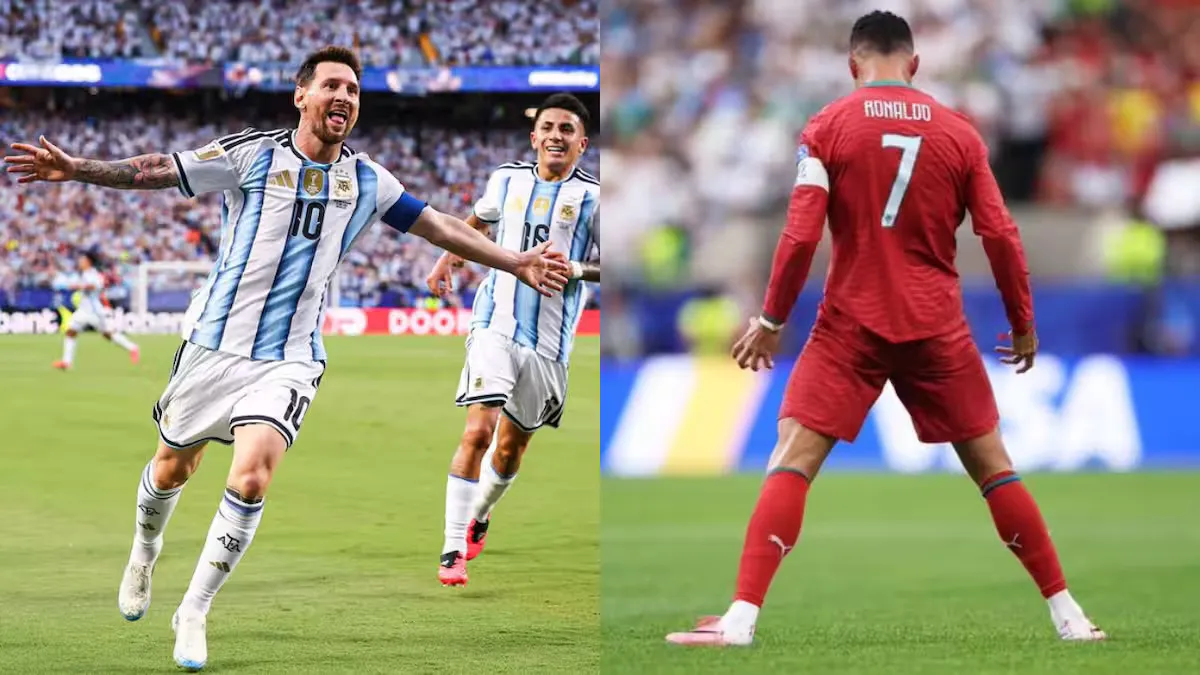
The New Era of Athlete-Branded Merchandise
There was a time when the relationship between athletes and merchandise began and ended with endorsements: a bat with a brand logo sticker, a billboard with a cricketer's face, a 30-second TV spot with a catchy line. But today's players operate in a different league entirely. They are not just lending their faces; they are lending their vision, capital, and credibility. Athletes are moving from fronting campaigns to founding companies, from being brand ambassadors to becoming brand builders. The pitch has widened, and ownership is the new innings .
This transformation reflects a fundamental shift in how sports stars approach their careers. The same digital tools that helped creators launch personal brands are now empowering sportspersons to do the same. They no longer rely solely on endorsement fees or post-retirement commentary careers. Instead, they are building equity in the very ecosystem they once endorsed, translating influence into ownership and turning celebrity into capital .
The Indian Cricket Revolution: From Ambassadors to Founders
India's cricketers have been at the forefront of this merchandise revolution, leveraging the country's cricket-obsessed culture to build businesses that connect with fans on a deeply personal level.
Sachin Tendulkar: The God of Cricket Turns Founder
The legendary Sachin Tendulkar, who once endorsed countless brands, has now entered the fray as a founder. In October 2025, he launched TEN x YOU (styled 10XU) , a Bengaluru-based sportswear and athleisure label offering cricket-specific footwear and lifestyle apparel tailored to Indian bodies and climates . Co-founded by Tendulkar alongside Karthik Gurumurthy and Karan Arora, and backed by investors including Peak XV and Whiteboard Capital, the brand represents a significant departure from traditional celebrity endorsements .
At the Mumbai launch, Tendulkar highlighted the brand's mission: to inspire Indians to move from being "sport-loving" to "sport-playing," promoting an active lifestyle across the country . The brand debuted with high-performance footwear, cricket-specific shoes, and versatile athleisure apparel, with products priced between Rs 1,200–6,000 and cricket-specific footwear at around Rs 9,000 . The brand promises stability and durability, with technical features tailored for Indian athletes and local climatic conditions.
By building his own brand instead of simply endorsing one, Tendulkar embodies the shift from name-lending to stake-holding, from face value to founder value . The company expects initial monthly revenue of Rs 4–5 crore, aiming to scale to Rs 30–35 crore within 18 months, with international expansion plans targeting the UK and West Asia .
Virat Kohli: Building a Lifestyle Empire
When Virat Kohli steps out wearing Wrogn, it isn't just fashion—it's part of his portfolio. Wrogn isn't a brand that merely capitalises on his charisma; it was co-created with him. Kohli didn't sign up as a brand ambassador; he got into the trenches with the team, helping shape its voice and vibe. He extended the vision through One8 Commune, tapping into his personality: edgy, ambitious, urban, and unapologetically self-assured. It's not marketing for him; it's personal .
This approach represents the essence of the new movement: cricketers today aren't just symbols of aspiration; they are entrepreneurs, visionaries, and stakeholders in India's booming consumer economy .
Jasprit Bumrah: Investing with Purpose
Jasprit Bumrah made headlines when he invested in Uppercase, a sustainable luggage brand. He didn't just write a cheque—he starred in a striking campaign announcing the partnership. The story wasn't "Bumrah endorses Uppercase"; it was "Bumrah believes in Uppercase" .
Sudip Ghose, Founder and CEO of Acefour Accessories (parent company of Uppercase), explains: "Having someone like Jasprit come on board as an investor adds more than just visibility—it adds credibility. When a public figure puts their money into a brand, it signals long-term belief, not just a promotional partnership" . Ghose adds that Bumrah actively contributes ideas—from product features that suit an athlete's lifestyle to campaign narratives that feel real .
Bumrah himself notes: "I have always admired Uppercase's ethos of creating environmentally friendly bags from recycled materials, a mission that strongly resonates with both my wife and me. As we consider the future for our children and the upcoming generation, it becomes increasingly essential to support brands that emphasize sustainability" .
MS Dhoni: The Silent Investor
Even Captain Cool, MS Dhoni, who has famously guarded his personal brand with the calm precision of a well-timed helicopter shot, has chosen to invest in Garuda Aerospace. Dhoni has always been about efficiency, discipline, and systems that work quietly but powerfully. Garuda, which specialises in drone technology for agriculture and disaster management, speaks to a very different kind of legacy—one of enabling growth from the grassroots, literally .
Agnishwar Jayaprakash, Founder and CEO of Garuda Aerospace, says: "Having MS Dhoni as both an investor and our brand ambassador has been a game-changer. His values of discipline, performance, and calm leadership align beautifully with what we stand for. His presence not only boosts our brand visibility but also sends a strong message to the industry" .
The Grassroots Connection: Arshdeep Singh and SiXiT
The merchandise revolution isn't limited to elite brands. SiXiT, currently a Rs 125 crore brand, has unveiled plans to achieve Rs 300 crore in revenue over the next three years, driven by product expansion and deeper engagement with grassroots cricket communities. The brand recently signed star cricketer Arshdeep Singh as Brand Ambassador for its cricket ball category .
Arshdeep Singh comments: "Every cricketer in India starts the same way—with a cricket tennis ball, a narrow lane, and a dream. SiXiT has been part of that journey for millions of players across this country including me, and that is what drew me to this association. This is a brand that genuinely understands where cricket comes from" .
Since its inception in 2019, SiXiT has built a strong presence through its cricket tennis balls widely used in informal cricket matches, local tournaments, and weekend cricket leagues across the country. The brand now works with 2,000 distributors and wholesalers, with products available through 50,000 retail outlets .
Collectibles and Memorabilia: The New Frontier
Beyond clothing and equipment, the sports merchandise market has expanded into collectibles that tap into deep-rooted fan loyalty.
Cricket Icons: India's Miniature Revolution
Pune-based startup Infinity Toy Tronics has launched Cricket Icons, India's first official line of collectible miniatures featuring players from top IPL teams including Mumbai Indians, Kolkata Knight Riders, Gujarat Titans, and Rajasthan Royals. The line includes single figurines priced at Rs 249, team packs at Rs 649, and upcoming action figures at Rs 699 .
Each figure is crafted with 90–95 per cent likeness and doubles as a digital key. Fans can scan the QR code on the toy to unlock player avatars, quizzes, loyalty rewards, and challenges on the Cricket Icons app, where they can win match tickets and signed memorabilia .
Saurabh Gajbi, Director of Infinity Toy Tronics, explains: "Growing up, we all played with Marvel heroes, Power Rangers, or football action figures—but cricket, despite being India's biggest sport, never had its own space in the collectables world. With Cricket Icons, we saw an opportunity to not only fill that gap but also spark a revolution in the Indian toy industry" .
The FIFA Merchandise Machine: Global Scale, Local Impact
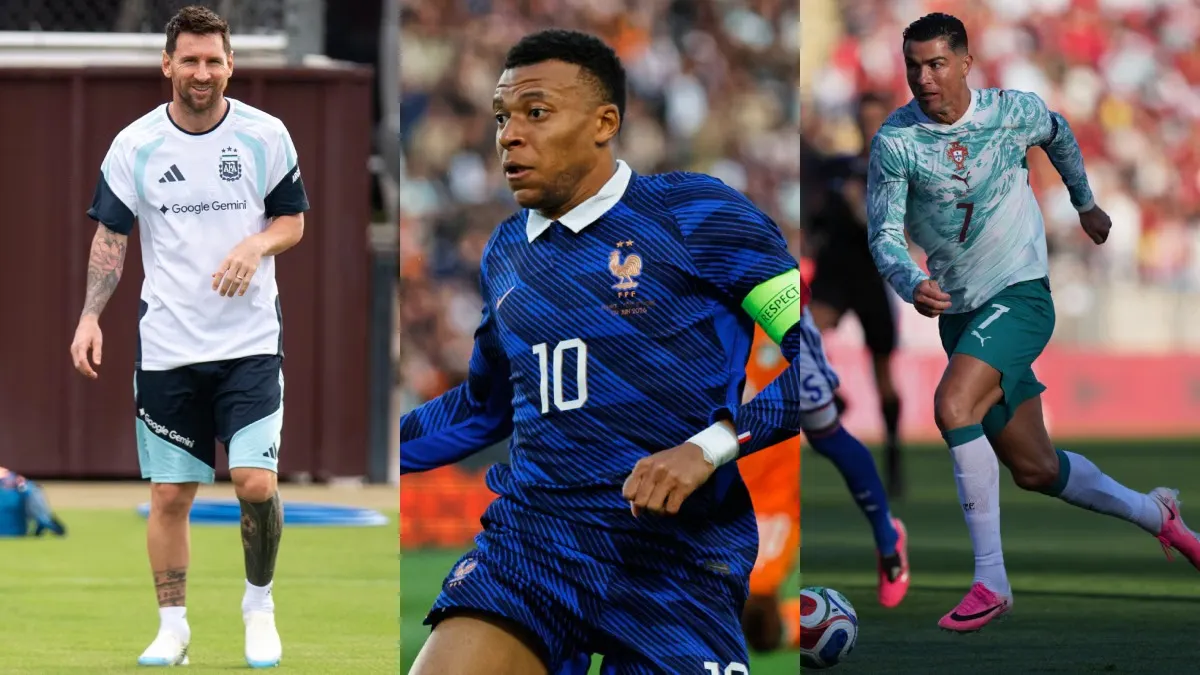
While cricket dominates India, football—and particularly FIFA—operates on an entirely different scale of commercial sophistication.
The Clean Jersey Strategy
In the 2026 World Cup, if you look closely at any player's jersey, you'll notice something striking in the era of aggressive commercialism: it is completely clean. No sponsors, no betting companies, no airlines, no beer brands. Only three things appear: the federation crest, the sportswear brand logo, and the player's number .
This is not a matter of respecting tradition or romantic aesthetics. It is a perfectly calculated business strategy where FIFA centralises all commercial exploitation to protect its own global partners like Coca-Cola, Adidas, and Visa. Allowing each country to feature its own sponsors would dilute the impact of these billion-dollar contracts .
FIFA's regulations are draconian: "It is strictly forbidden to carry any advertising on the pieces of the playing equipment in any official match" . In exchange for this commercial censorship, FIFA compensates federations handsomely. The organisation projects revenues of $13 billion for this cycle, of which $9 billion will come exclusively from the 2026 tournament .
The Shirt Sales Battle: Messi vs Ronaldo
Despite the clean jerseys on the pitch, off the pitch, shirt sales tell a fascinating story of commercial dominance.
According to 2025 shirt sales figures, Barcelona prodigy Lamine Yamal topped the European charts with approximately 1.32 million shirts sold. Lionel Messi, now playing for Inter Miami in MLS, ranked second with 1.28 million shirts sold worldwide. Cristiano Ronaldo of Al-Nassr ranked seventh with 925,000 shirts sold .
Messi's commercial appeal remains remarkable even as his career enters its later stages. His move to Inter Miami transformed the club into a global brand—the club ranked fifth in global shirt sales with 2.166 million shirts, surpassing Ronaldo's Al-Nassr, which sold 1.28 million shirts .
This demonstrates that Messi's appeal remains formidable despite his age and playing in a league often considered "less competitive." His contract extending until 2028 further increases the club's commercial attractiveness .
The Patch Revolution: FIFA's Million-Dollar Collectibles
In a groundbreaking innovation, FIFA has introduced a system of custom patches recognising individual achievements and milestones. Positioned below the tournament logo on the right sleeve, the patches celebrate honours such as the Golden Boot and Golden Gloves, while a separate Gold Legacy patch is reserved for players making a fifth or sixth World Cup appearance .
The innovation extends beyond the pitch. Once matches end, team kit managers remove the adhesive patches from the jerseys. Instead of remaining with the shirts, the patches are preserved for use in ultra-rare trading cards produced by Topps, turning individual moments into high-value collectibles .
The Golden Gloves patch is worn by goalkeepers including Belgium's Thibaut Courtois and Argentina's Emiliano Martínez. The Golden Boot badge is reserved for leading scorers including France's Kylian Mbappé, England's Harry Kane, and Colombia's James Rodríguez. Meanwhile, only six players qualify for the Gold Legacy patch, including Lionel Messi, Cristiano Ronaldo, Luka Modrić, and Guillermo Ochoa .
Collectors will have to wait, however. FIFA's existing licensing agreement with Panini runs until the 2030 World Cup, delaying the launch of Topps-branded cards until 2031. As a result, the patches from the 2026 tournament are effectively being placed in storage for five years before they can reach the market .
The Fanatics Deal: A New Collectibles Era
In May 2026, FIFA and Fanatics announced a historic exclusive collectibles licensing deal covering trading cards, stickers, and trading card games, beginning in full in 2031 . The agreement covers both physical and digital collectibles and includes the highly sought-after player jersey patch program .
As part of the deal, Fanatics will distribute more than $150 million in collectibles free of charge across the lifetime of the partnership to support youth football globally . FIFA President Gianni Infantino stated: "Across the sports landscape, we see that Fanatics are driving massive innovation in collectibles that provides fans with a new, meaningful way to engage with their favorite teams and with their favorite players" .
The Economics of Athlete Merchandise
The sports merchandise industry operates on several key economic principles:
Brand Building Through Authenticity: Fans today are sophisticated. They can distinguish between a paid endorsement and genuine investment. When Kohli launches a label, fans believe he wears it. When Bumrah backs a luggage brand, fans trust it is the one he uses. This authenticity is hard to buy through advertising alone but flows naturally through investment-led storytelling .
Direct-to-Consumer Models: Athlete-founded brands like Tendulkar's 10XU and Kohli's Wrogn leverage D2C models that build direct relationships with fans, bypassing traditional retail middlemen .
Digital Integration: Modern merchandise often includes digital components—QR codes unlocking app content, augmented reality experiences, and loyalty rewards—that extend the value proposition beyond the physical product .
Long-Term Career Strategy: Athletes are increasingly thinking beyond their playing careers. Building equity in businesses provides post-retirement income and legacy .
The Scarcity Factor: FIFA's patch program demonstrates how scarcity and exclusivity drive value. Ultra-rare items tied to specific achievements command premium prices and create collector demand .
The Future of Sports Merchandise
Several trends will shape the future of sports merchandise:
Increased Athlete Ownership: More athletes will become founders and investors, not just endorsers. The trend from "face value to founder value" will accelerate .
Digital and Physical Integration: NFTs, digital collectibles, and augmented reality will increasingly blend with physical merchandise, creating hybrid products .
Sustainability Focus: Athletes like Bumrah are prioritising sustainable brands, and this will become more central to merchandise strategies .
Globalisation of Regional Brands: Indian cricketers' merchandise ambitions now include international expansion, with 10XU targeting the UK and West Asia .
Next-Generation Stars: While legends like Messi and Ronaldo still dominate commercially, new stars like Lamine Yamal are rising, signalling a generational shift .
Conclusion: More Than Just Merchandise
The sports merchandise industry has transformed from a simple retail business into a sophisticated ecosystem of athlete-led entrepreneurship, collectible innovation, and global branding. Indian cricketers are leading the charge in building genuine businesses that reflect their values and connect authentically with fans. Meanwhile, FIFA's patch program and Fanatics deal demonstrate how even the most traditional institutions are innovating to create new revenue streams.
Whether it's Tendulkar designing cricket-specific footwear, Kohli co-creating a fashion label, or Messi's shirts outselling Ronaldo's, the message is clear: sports merchandise is no longer just about selling products—it's about building relationships, telling stories, and creating lasting commercial legacies that extend far beyond the final whistle.


