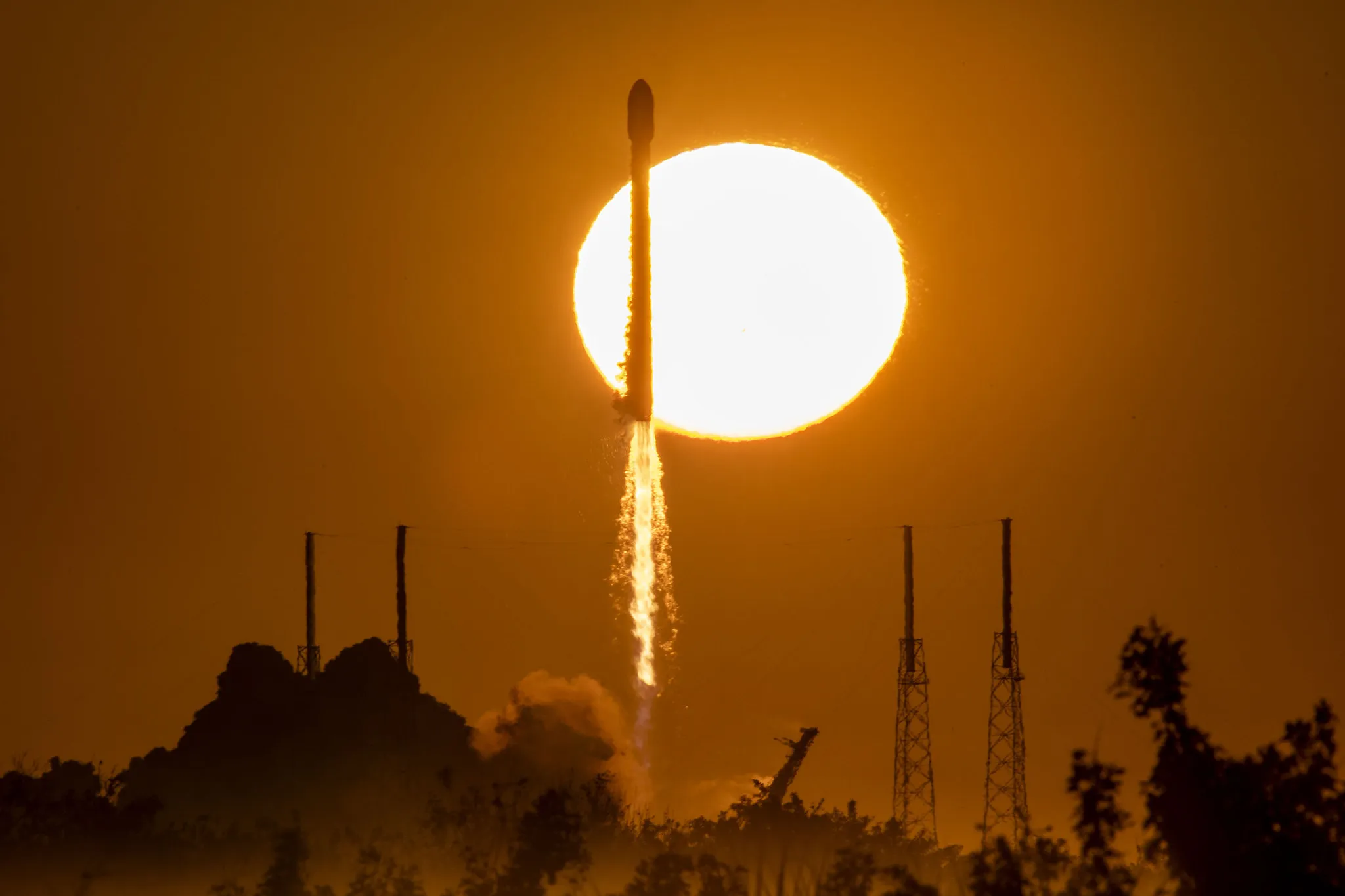
It was the moment Wall Street had been waiting for since SpaceX first landed a rocket upright on a drone ship. At 9:30 a.m. Eastern Time, the Hawthorne‑based rocket company finally went public in the largest tech IPO in history—a $75 billion offering that sent shockwaves through every corner of the global economy. Within the first hour of trading, shares of SpaceX (ticker: STARS) surged 31%, cooling slightly to a 19% gain by the closing bell. But for a brief, dazzling window, the man at the center of it all—Elon Musk—saw his net worth momentarily cross a threshold no human had ever touched: one trillion dollars.
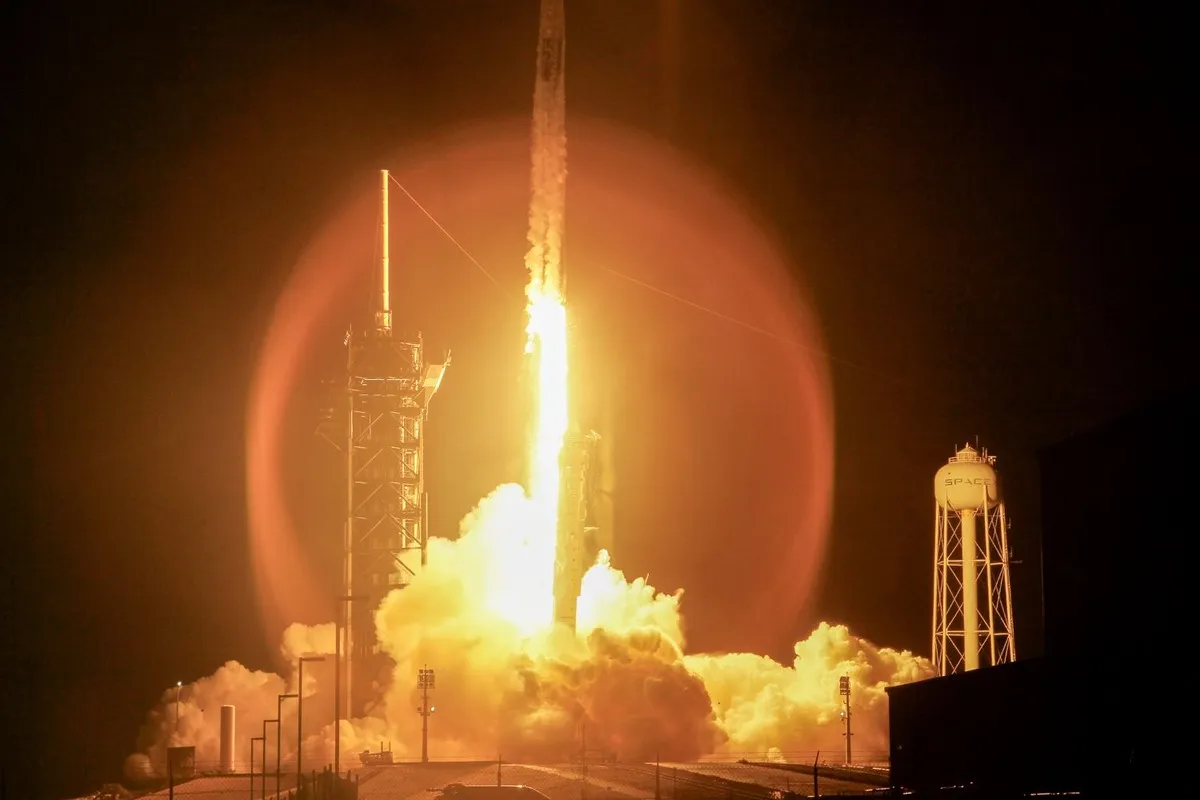
The IPO had been rumored for years. Musk himself repeatedly dismissed going public, famously calling public markets “a pressure cooker of short‑term thinking.” But behind the scenes, pressure from early investors—including Google, Fidelity, and a constellation of venture capital firms—had reached a breaking point. With SpaceX’s Starlink satellite internet division now generating over $6 billion in annual recurring revenue and the Starship megarocket finally delivering payloads to orbit, the company no longer resembled a risky venture. It looked like a utility of the future.
“This is not an IPO. It’s a coronation,” said Liza Hamilton, a partner at Swift Capital, speaking from the floor of the New York Stock Exchange. “SpaceX has effectively built a moat around the space economy that no competitor—not Blue Origin, not Rocket Lab, not China—can cross for at least a decade.”
The numbers are staggering. SpaceX priced its shares at $68 each, valuing the company at $75 billion. But by midday, the stock had touched $89, pushing the market capitalization past $98 billion. Musk’s personal stake, which includes roughly 42% of the company’s equity plus options, briefly swelled his net worth to an estimated $1.02 trillion, according to the Bloomberg Billionaires Index. That figure has since settled to around $930 billion, but the psychological barrier has been shattered.
“What we witnessed today is the financial equivalent of the Moon landing,” said Yale economist Robert Shiller in a phone interview. “Valuations of this magnitude used to belong only to sovereign nations. Now a single person—who runs three other companies, no less—has achieved it.”
The road to this moment was anything but smooth. SpaceX nearly went bankrupt in 2008 after three consecutive Falcon 1 failures. Musk himself has described those months as “the worst of my life,” living on leftover fast food and borrowing money for rent. The fourth flight succeeded, securing a $1.6 billion contract from NASA. From there, the company never looked back: reusable rockets, the Crew Dragon carrying astronauts, and now Starlink—a constellation of over 6,000 satellites beaming internet to rural Alaska, Ukrainian battlefields, and cruise ships in the Pacific.