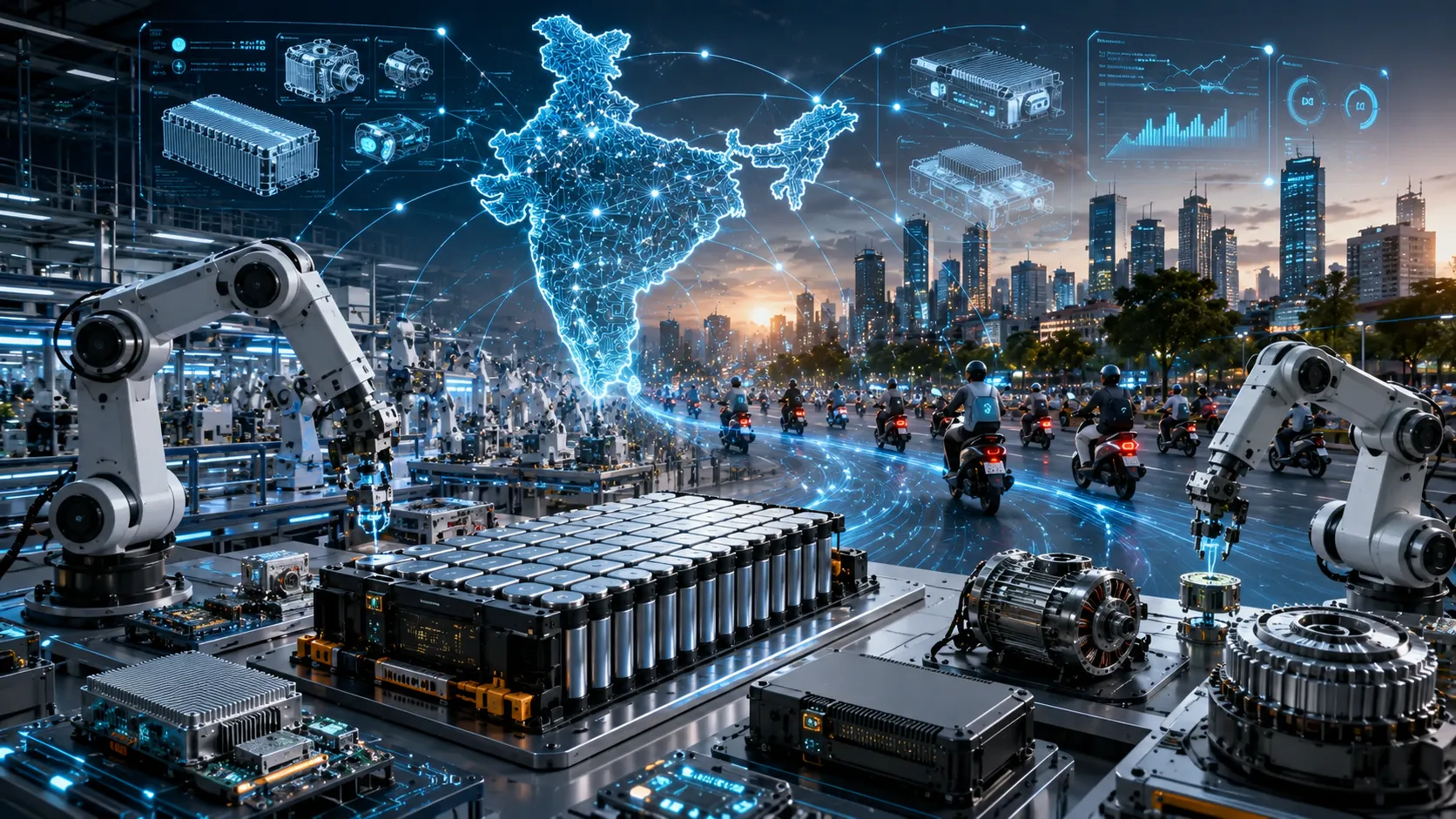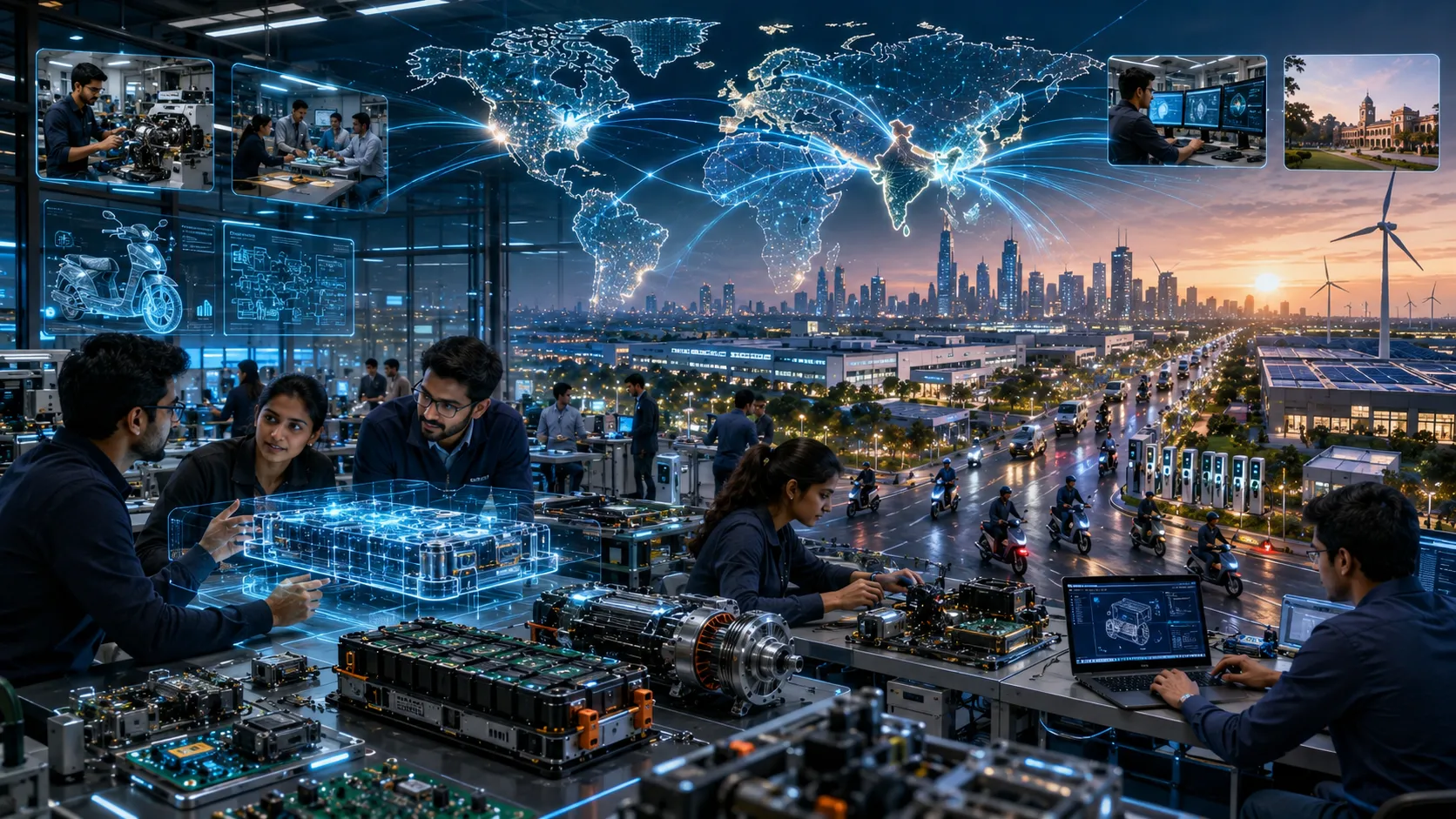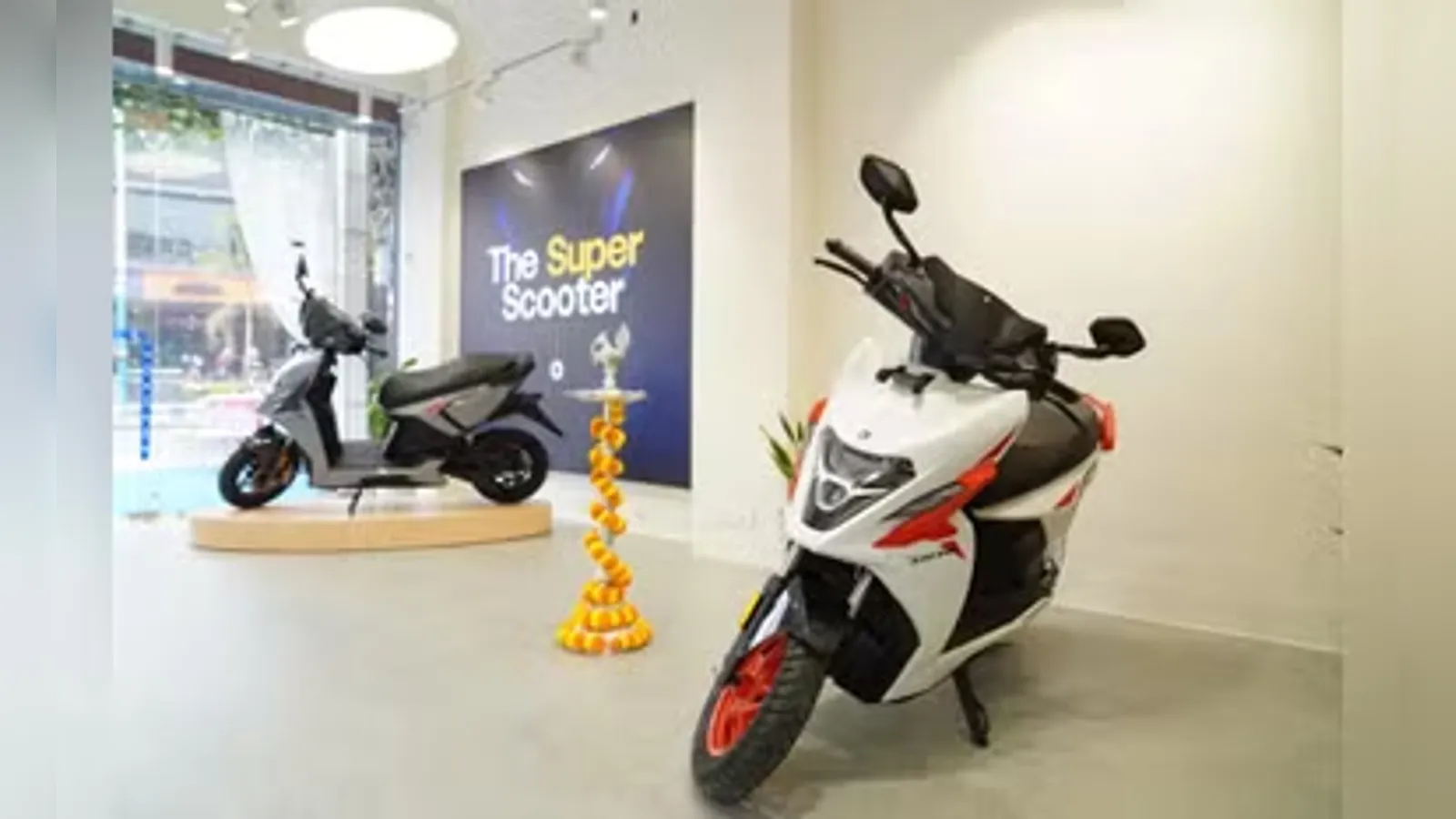
India's two-wheeler market is the largest in the world: over 20 million new motorcycles and scooters sold annually, with hundreds of millions of existing vehicles on the road. It is also, in 2026, the fastest-electrifying vehicle market on earth. Government subsidies under the FAME scheme, rising petrol prices, the economics of electric operation for urban delivery fleets, and a rapidly expanding charging infrastructure are collectively pushing India's two-wheeler sector toward an electric transition happening faster than any industry forecast predicted three years ago. Simpl Energy, featured prominently in India's June 2026 weekly funding charts, is building the technology stack that makes this transition technically possible at Indian scale and Indian cost.
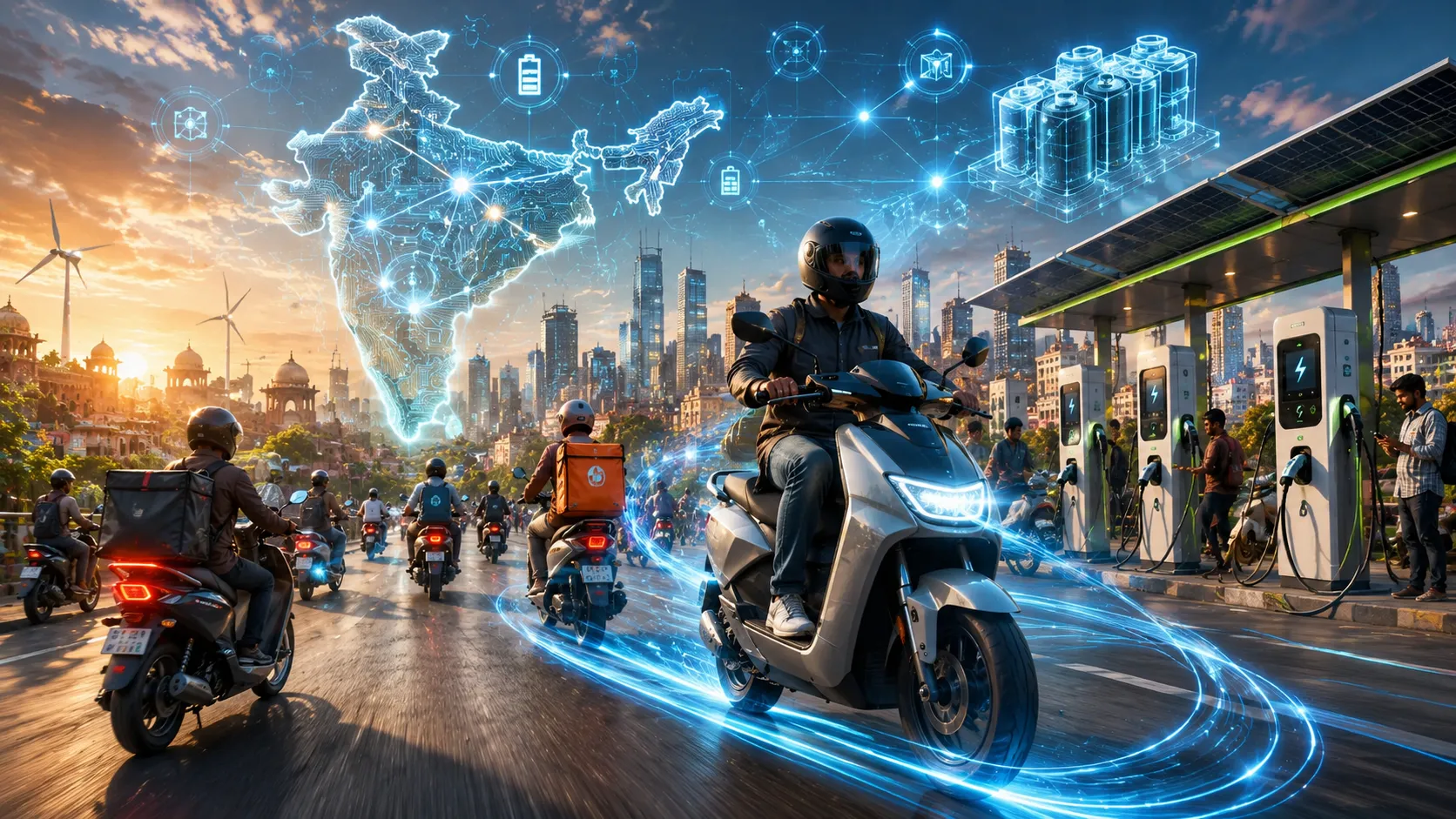
What Simpl Energy builds is the deep technology of electric vehicles: the motors, motor controllers, battery management systems, and power electronics that determine an EV's performance, range, reliability, and total cost of ownership. These are not consumer-facing products. They are the invisible components that determine whether an electric two-wheeler can handle Indian road conditions — the potholes of rural Maharashtra, the monsoon flooding of urban Chennai, the altitude extremes of Ladakh — and do so reliably over the three-to-five year ownership lifecycle Indian consumers expect.
The technology validation story is critical. India's EV two-wheeler market suffered a setback in 2022 when several vehicles experienced battery fires, rattling consumer confidence and triggering a regulatory response from the government. The incident accelerated the industry's shift toward more rigorous battery management and thermal management standards — exactly the domain where Simpl Energy's technology provides differentiated capability. A startup demonstrating tested, validated technology across Indian road and climate conditions with multiple EV OEM partnerships is building a moat that is difficult to replicate quickly.