
Wall Street has never been shy about publishing rankings, but few carry the specific symbolic weight, within diaspora business circles, of Barron's annual list of the 100 Most Influential Women in US Finance. This year's edition, released earlier in 2026, included seven Indian-American women among its honourees — executives holding senior leadership positions across some of the largest banking, asset management, and wealth advisory institutions in the country. That list has taken on fresh, timely relevance this month, as one of its honourees, Neesha Hathi, steps into a newly expanded role at Charles Schwab this July, taking charge of a unified wealth advisory and banking organisation overseeing platforms with nearly twelve trillion dollars in client assets.
Taken together, the Barron's recognition and Hathi's new mandate offer a useful moment to examine just how deeply Indian-American women have embedded themselves into the senior leadership ranks of American finance — an industry that, for much of its history, offered comparatively narrow pathways to both women and immigrants of any background, let alone the specific intersection of both identities that these executives represent.
THE NAMES BEHIND THE NUMBERS
Among the seven Indian-American women recognised on this year's list, several have built distinctive, closely watched careers at the very top of their respective institutions. Anu Aiyengar, originally from Kerala, serves as global head of advisory and mergers and acquisitions at J.P. Morgan, where she has led one of the firm's most active dealmaking businesses, overseeing some of the largest and most complex corporate transactions moving through Wall Street in any given year — a role that places her among a small handful of executives, of any background, with genuine influence over how corporate America's biggest strategic decisions get structured and financed.
Sonal Desai serves as chief investment officer for Franklin Templeton's Fixed Income division, managing more than two hundred billion dollars in assets — a portfolio size that places her among the relatively small group of women globally entrusted with investment decision-making authority over sums of this magnitude, in an asset management industry that has historically skewed heavily toward male leadership at the most senior portfolio management and investment strategy levels.
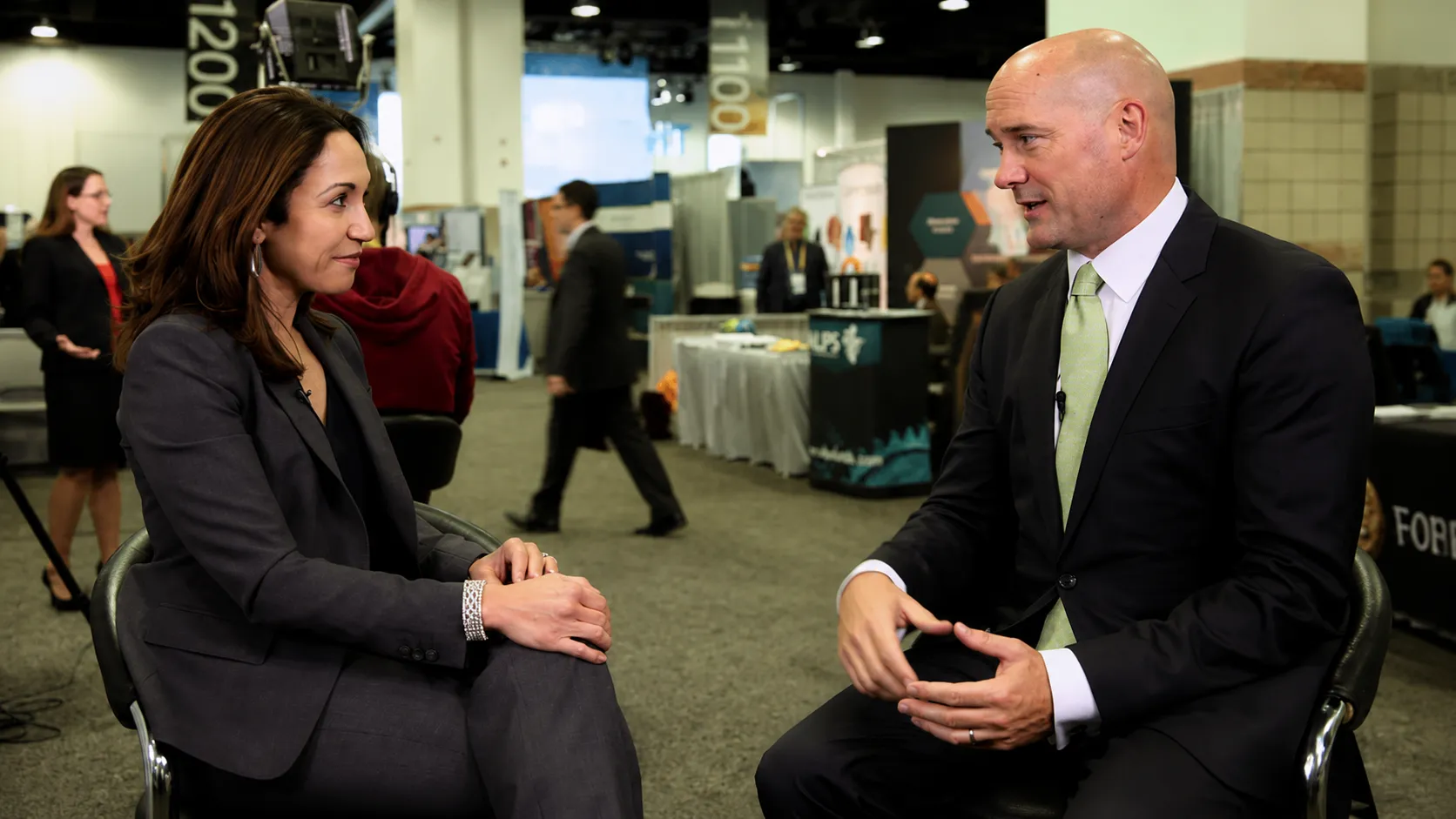
And then there is Neesha Hathi, whose July 2026 appointment to lead a newly unified wealth advisory and banking organisation at Charles Schwab represents, in some respects, the most immediately consequential development among this year's honourees, given both the scale of assets involved and the significance of the organisational restructuring her new role is designed to oversee.
WHAT HATHI'S NEW ROLE ACTUALLY INVOLVES
Charles Schwab's decision to unify its wealth advisory and banking platforms under a single leadership structure reflects a broader strategic push within the wealth management industry toward more integrated, seamless client experiences — recognising that affluent clients increasingly expect their investment management, financial planning, and banking relationships to function as a coordinated whole, rather than as separate, disconnected product lines managed by different teams with limited coordination between them. Placing this unified structure under Hathi's leadership, beginning this July, signals the seriousness with which Schwab is treating this integration effort, entrusting oversight of platforms collectively managing close to twelve trillion dollars in client assets to a single executive mandate.
For an executive to be entrusted with coordinating platforms of this combined scale represents one of the more significant leadership mandates currently held by any Indian-American woman in the US financial services industry, and it arrives at a moment when Schwab itself continues navigating a competitive, rapidly evolving wealth management landscape, shaped by increasing client expectations around digital experience, fee transparency, and the kind of holistic, integrated financial guidance that Hathi's newly unified organisation is specifically designed to deliver more effectively.
WHY THIS REPRESENTATION MATTERS BEYOND INDIVIDUAL ACHIEVEMENT
For the broader Indian-American diaspora community, and for Indian-American women specifically pursuing careers in finance, the visibility of executives like Aiyengar, Desai, and Hathi carries significance well beyond their individual professional accomplishments, however substantial those accomplishments are in their own right. Representation at this level within an industry as historically insular and slow to diversify as Wall Street senior leadership continues to serve an important signalling function for the next generation of Indian-American women considering careers in finance, offering concrete, visible proof that the most senior echelons of American financial institutions are genuinely reachable, rather than remaining largely theoretical aspirations disconnected from observable career pathways.
This matters particularly given the persistent, well-documented underrepresentation of women broadly, and women of colour specifically, within the most senior leadership and investment decision-making roles across the financial services industry, despite decades of stated diversity and inclusion commitments from major financial institutions. Progress toward closing this gap has often been measured in the kind of incremental, individual appointments and recognitions that this year's Barron's list represents — meaningful, but still requiring sustained, continued progress before senior financial leadership genuinely reflects the broader demographic diversity of the workforce and client base these institutions serve.
THE BROADER PATTERN OF INDIAN-AMERICAN WOMEN IN CORPORATE LEADERSHIP
This finance-specific recognition fits within a broader, increasingly well-documented pattern of Indian-American women ascending to senior corporate leadership positions across multiple industries simultaneously, extending well beyond finance into technology, healthcare, and other major sectors of the American economy. This broader trend has itself become a recurring subject of diaspora media coverage and industry analysis, reflecting both the scale of Indian immigration to the United States over recent decades and the particular educational and career trajectories that have characterised much of that immigration wave, heavily concentrated in fields like engineering, medicine, and business that have historically offered clearer, more structured pathways toward eventual senior leadership roles than some other career tracks.
For finance specifically, this pattern reflects the confluence of several factors: strong representation of Indian-American professionals within elite business school programmes that serve as traditional pipelines into senior finance careers, a cultural emphasis within many Indian immigrant families on quantitative, analytically rigorous fields well-suited to careers in investment banking, asset management, and related disciplines, and, increasingly, a growing network effect as earlier generations of successful Indian-American finance executives have mentored and championed the career development of subsequent generations moving through the same institutions and industry networks.
WHAT THIS MEANS FOR ASPIRING FINANCE PROFESSIONALS
For younger Indian-American women currently building careers in finance, or considering the industry as a career path, the visibility of executives at this level offers more than symbolic inspiration — it offers concrete, observable evidence of the specific career trajectories, institutional environments, and leadership styles that have proven successful for women navigating this particular intersection of gender and cultural identity within a historically challenging industry environment. Mentorship networks specifically connecting established Indian-American finance executives with earlier-career professionals have grown increasingly formalised in recent years, with executives like those recognised on this year's Barron's list frequently participating in industry panels, diaspora professional organisation events, and more structured mentorship programmes aimed at supporting the next generation's advancement through an industry that, despite genuine progress, continues to present real structural and cultural barriers to women and professionals of colour at the most senior levels.
THE ROAD AHEAD
As Hathi settles into her expanded Schwab mandate this July, and as Aiyengar, Desai, and their fellow honourees continue their own senior leadership work across their respective institutions, this year's Barron's recognition offers a useful snapshot of where Indian-American women's influence within US finance currently stands — substantial, growing, and increasingly concentrated in roles carrying genuine decision-making authority over trillions of dollars in client assets and some of the most consequential corporate transactions moving through the American economy, even as the broader industry continues its slower, ongoing work toward fuller representation at every level of its leadership pipeline.
For a diaspora community that has long tracked its members' rise through corporate America's most prestigious institutions with close attention, this year's list, and the timely elevation of one of its honourees to an even larger mandate this month, offers a fresh, concrete marker of just how far that influence has extended within an industry that, within living memory, offered few visible pathways to women or immigrants of any background reaching its highest levels of authority.
THE EDUCATIONAL PATHWAYS BEHIND THE RISE
Looking across the career trajectories of the Indian-American women recognised on lists of this nature, a recurring pattern emerges: many built their foundational credentials through a combination of rigorous undergraduate training, often in quantitative or business-adjacent fields, followed by additional graduate business education at leading American institutions, before entering finance through some of the industry's most competitive entry points, including elite investment banking analyst programmes and management consulting roles that have long served as traditional feeder pathways into senior finance leadership.
This educational and early-career pattern reflects a broader, well-documented characteristic of the post-1965 wave of Indian immigration to the United States, which was itself heavily shaped by immigration policy changes that prioritised highly skilled, educated professionals — meaning that many Indian-American finance executives reaching senior leadership positions today are themselves either first-generation immigrants who arrived specifically for graduate education or early-career opportunities, or the children of that same immigration wave, raised within families that placed considerable emphasis on rigorous academic achievement and professional credentialing as the primary pathway toward long-term career success and stability within their adopted country.
WHY THE TIMING OF THIS RECOGNITION MATTERS
The convergence of this year's Barron's recognition with Hathi's concrete, dated appointment this July illustrates something important about how diaspora achievement narratives tend to develop: broad recognition lists, published periodically throughout the year, provide the wider context and comparative benchmark, while specific, dated developments — a new appointment, a completed deal, a launched product — provide the timely news hook that brings renewed attention back to that broader context. For readers encountering this story now, in late July, the specific occasion of Hathi's expanded mandate offers a timely lens through which to revisit and appreciate the broader significance of the fuller list she belongs to, connecting an individual leadership transition to the wider, ongoing story of Indian-American women's rising influence across the upper echelons of American finance.
WHAT COMES NEXT FOR THIS GENERATION OF LEADERS
As Hathi begins the work of integrating Schwab's wealth advisory and banking platforms under her new unified mandate, and as her fellow honourees continue building on their own institutional track records, the coming year will offer a genuine test of whether this generation of Indian-American finance leaders can translate individual recognition into the kind of sustained, structural influence that reshapes institutional practices and opens further pathways for those following behind them. Industry observers will be watching closely to see whether Schwab's integrated wealth platform, under Hathi's leadership, delivers the client experience improvements and competitive positioning the reorganisation is designed to achieve — a business outcome that, if successful, would only further reinforce the broader diaspora narrative these leaders' individual careers have already begun to write.
For now, seven names on a list and one newly expanded mandate this July stand together as a marker of a much longer story still very much unfolding — one measured not in a single headline, but in the accumulating weight of appointments, mandates, and trillions of dollars now passing through the hands of a generation of Indian-American women who have made the upper reaches of American finance genuinely, visibly their own.

A NOTE ON HOW THIS STORY WAS BUILT
It is worth noting, in the interest of full transparency, that this feature draws on Barron's broader 2026 recognition list published earlier in the year, brought into current relevance through Neesha Hathi's specific, dated appointment beginning this July. Readers interested in the complete roster of honourees, and the fuller detail behind each executive's career and current mandate, are encouraged to consult Barron's own published ranking directly for the complete list and accompanying profiles of all seven Indian-American women recognised this year, alongside their peers from across the broader finance industry.


