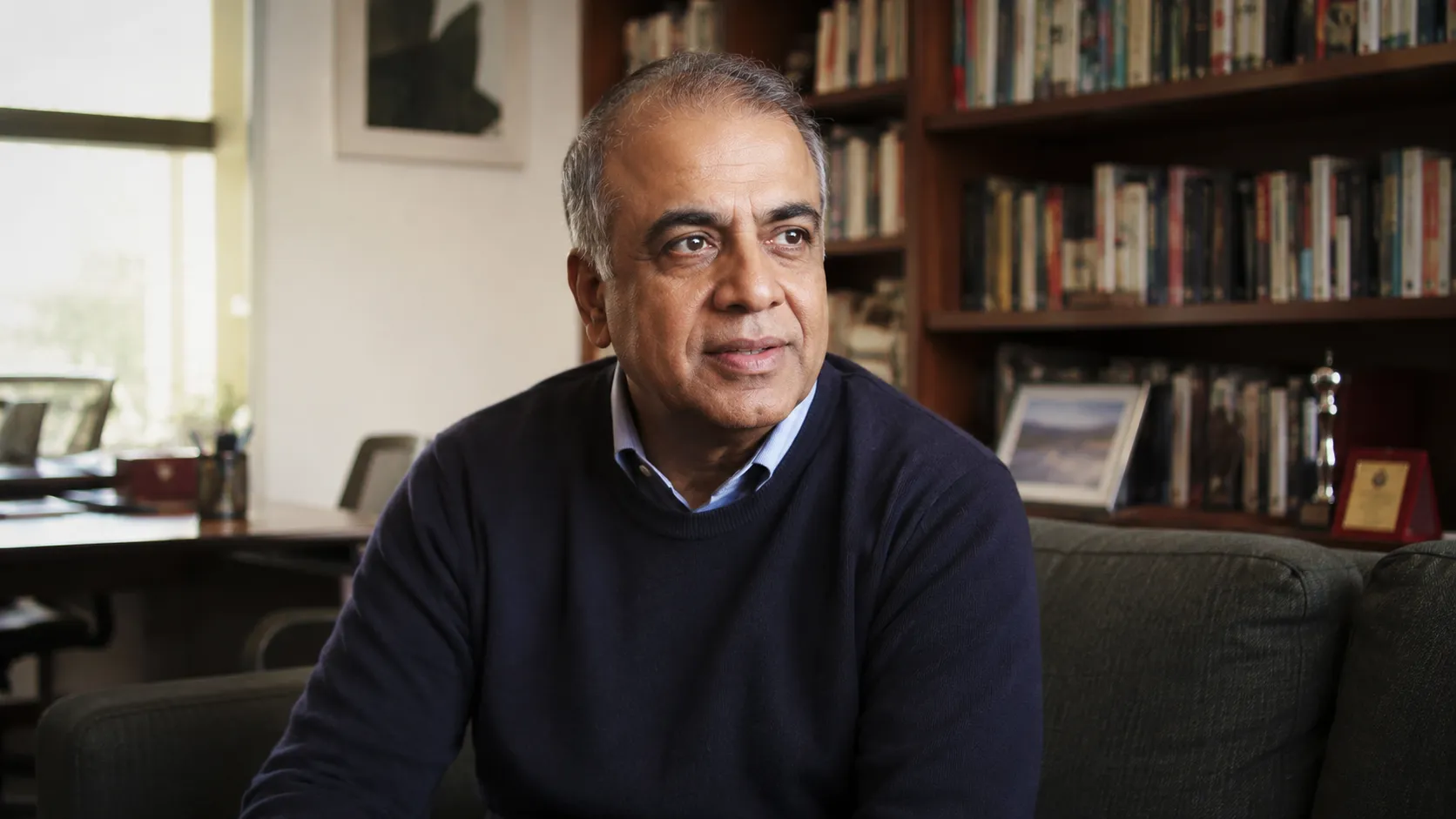
Sanjeev Bikhchandani — The Man Who Bet His Savings on a Job Portal When India Had No Internet Jobs
The Shed, the Savings, and the Leap of Faith
Sanjeev Bikhchandani grew up in a middle-class family in Delhi. He studied at St. Stephen’s College and then IIM Ahmedabad. After a few years in marketing, he was restless. He wanted to build something of his own, but he didn't know what.
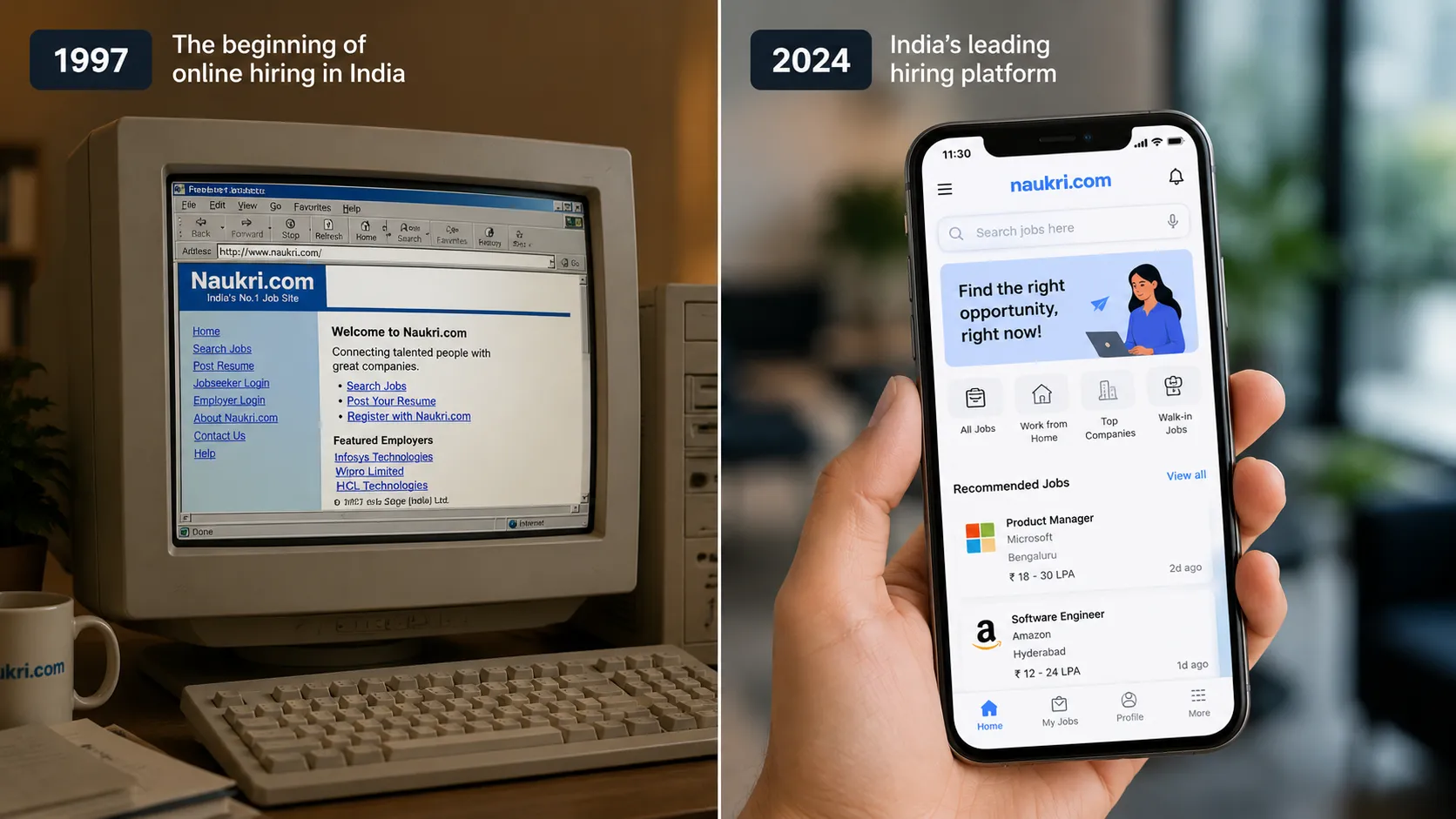
In 1995, he noticed a tiny trend: a few companies in the US were starting job websites. In India, job hunting meant newspaper classifieds and personal networks. Sanjeev wondered: why not bring job listings online? It seemed absurd because almost no one had internet access at home. But he reasoned that internet would grow, and when it did, jobs would be one of the first things people searched for.
He and his wife, Harjeet, put together their savings — ₹8 lakh — and built a simple website from their backyard shed in Noida. They called it Naukri.com (Naukri means “job” in Hindi). Sanjeev handled sales and strategy; Harjeet handled operations.
The first few years were brutal. They got few visitors, no revenue. They survived by doing small consulting jobs on the side. Friends and family told them to give up. But Sanjeev kept his day job (he didn't quit until 1999) and let Naukri grow slowly.
The Dot-Com Bust and the Slow Climb
In 1999, the dot-com boom began. Investors threw money at any internet startup. Sanjeev raised a small amount of funding, but he refused to spend lavishly. He kept Naukri lean. When the dot-com bust hit in 2000, most of his competitors died. Naukri survived because it had low costs and a patient founder.
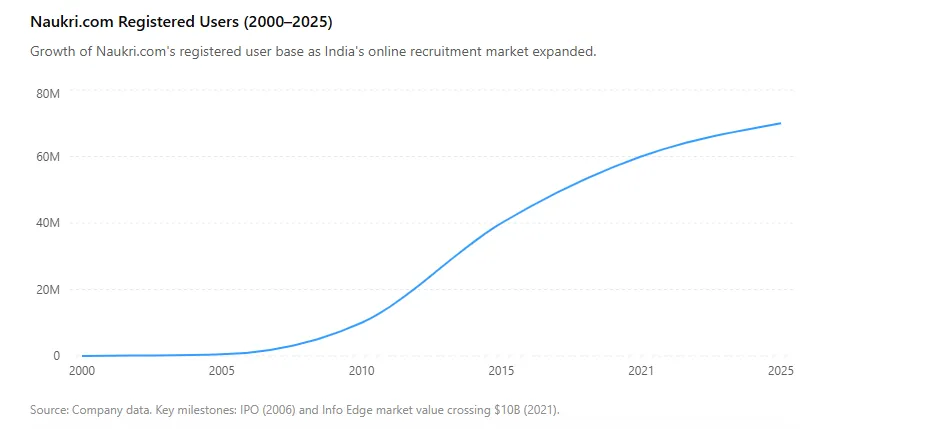
The real growth came after 2005, when internet access spread across India, and companies began posting jobs online. Naukri became the default platform. It had brand recognition, a huge database of resumes, and a simple business model: charge recruiters for job postings and access to the resume database. Candidates used it for free.
By 2006, Naukri was profitable and dominant. It had over 5 million registered users. Sanjeev took InfoEdge (the parent company) public on the Indian stock exchanges. The IPO was a success, and InfoEdge became one of the first Indian internet companies to be listed.
The Investor Who Backed India's Biggest Startups
With the money from the IPO, Sanjeev started investing in other early-stage startups. He wasn't a typical venture capitalist – he was a founder himself, so he understood the struggles. He took small bets, mostly in the consumer internet space.
His investment portfolio reads like a who's who of Indian startups:
Zomato (food delivery) – one of the first outside investors
PolicyBazaar (insurance comparison) – early backer
Swiggy (food delivery) – participated in early rounds
Unacademy (edtech) – seed investor
Lenskart (eyewear) – early stage
These investments generated billions of dollars in returns. InfoEdge's stake in Zomato alone was worth over $1 billion when Zomato went public. Sanjeev's ability to spot talent and trends before others has made him one of India's most respected angel investors.
Leadership Philosophy: Long-Term Patience
Sanjeev is the opposite of the stereotypical aggressive founder. He is calm, thoughtful, and patient. He famously said: "I am not a hero. I am just someone who stayed in the game long enough."
His key principles:
Don't overspend: Naukri survived because it was lean. He still practices frugality.
Bet on the team, not the idea: He invests in founders he trusts.
Think decades, not quarters: It took Naukri 10 years to become profitable. He is willing to wait.
He remains chairman of InfoEdge but has stepped back from day-to-day operations. His son, Harsh Bikhchandani, now manages the family's investments.
Challenges and Critiques
Competition: LinkedIn, Indeed, and newer portals have eaten into Naukri's share. Naukri remains the leader in India but its growth has slowed.
Missed opportunities: InfoEdge didn't invest in Flipkart or Ola – two of India's biggest startups – because they were outside its thesis. Sanjeev says he has no regrets.
Booster shot controversy: A few years ago, Naukri's "Booster" feature (extra visibility for paid users) was criticized as unfair. The company later tweaked the feature.