Sahil Barua — One Scooter, One Delivery Boy — Now India's Largest Logistics Network
The Scooter That Started a Revolution
Sahil Barua was a Bain consultant advising logistics companies. He saw the same problem everywhere: Indian logistics was fragmented, slow, and opaque. A package from Delhi to Gurugram could take three days. There was no way to track it. If it got lost, you were helpless.
One night, he and his roommate (and future co-founder) Mohit Tandon ordered food online. The delivery arrived in 30 minutes. Sahil joked: “If they can deliver food in 30 minutes, why can’t we deliver anything in a day?” That joke became a business plan.
In 2011, Sahil quit Bain. He bought a second-hand scooter for ₹30,000. He hired one delivery boy, and they started delivering packages between two Delhi neighborhoods — Vasant Kunj and Saket. The company was called Delhivery (a play on “delivery” and “Delhi”).
The first few months were manual. Sahil would take orders over the phone, write addresses in a notebook, and the delivery boy would go. They offered next-day delivery, real-time SMS updates, and cash-on-delivery — innovations that incumbents didn’t offer. Customers loved it.
From Delhi to National Scale
Within a year, Delhivery expanded to 10 cities. Sahil raised a seed round from investors like Nexus Venture Partners. He hired engineers to build a technology platform — a routing engine, a warehouse management system, and a customer dashboard. The key insight: logistics is a data problem. If you can predict demand, optimize routes, and track every package in real time, you can beat competitors on cost and speed.
By 2015, Delhivery had 500+ cities covered and was handling packages for Flipkart, Snapdeal, and other e-commerce companies. It raised over $200 million from Tiger Global and Carlyle. The company built its own fulfillment centers — large warehouses where sellers could store inventory, and Delhivery would pick, pack, and ship. This “integrated” model (instead of just point-to-point courier) became its competitive moat.
The E-commerce Logistics War
As Flipkart and Amazon built their own in-house logistics (Ekart and Amazon Logistics), Delhivery had to compete with its own customers. Sahil pivoted to serve smaller sellers, D2C brands, and B2B clients. He also acquired competitor Spoton Logistics to expand into B2B and freight.
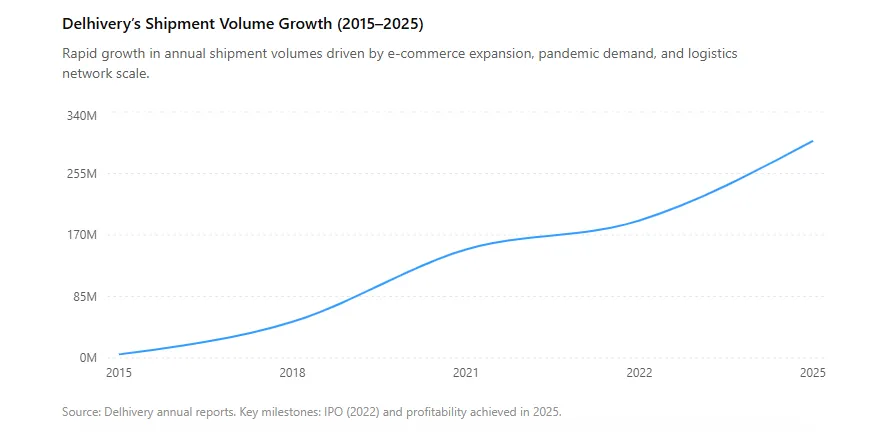
The pandemic was Delhivery’s proving ground. Lockdowns disrupted supply chains, but e-commerce boomed. Delhivery’s volumes surged 2.5x. The company handled millions of packages of essentials, medicines, and work-from-home equipment. Its tech platform allowed dynamic rerouting when roads were blocked.
In 2022, Delhivery went public at a valuation of ₹35,000 crore (approx. $4.2 billion at the time). The IPO was oversubscribed, and Sahil became a billionaire on paper — though he continues to live modestly.
The Technology That Moves Millions
Delhivery’s secret sauce is its technology stack:
Route optimization AI: Reduces fuel costs by 15% by calculating the most efficient path for each delivery partner, considering traffic, weather, and package volume.
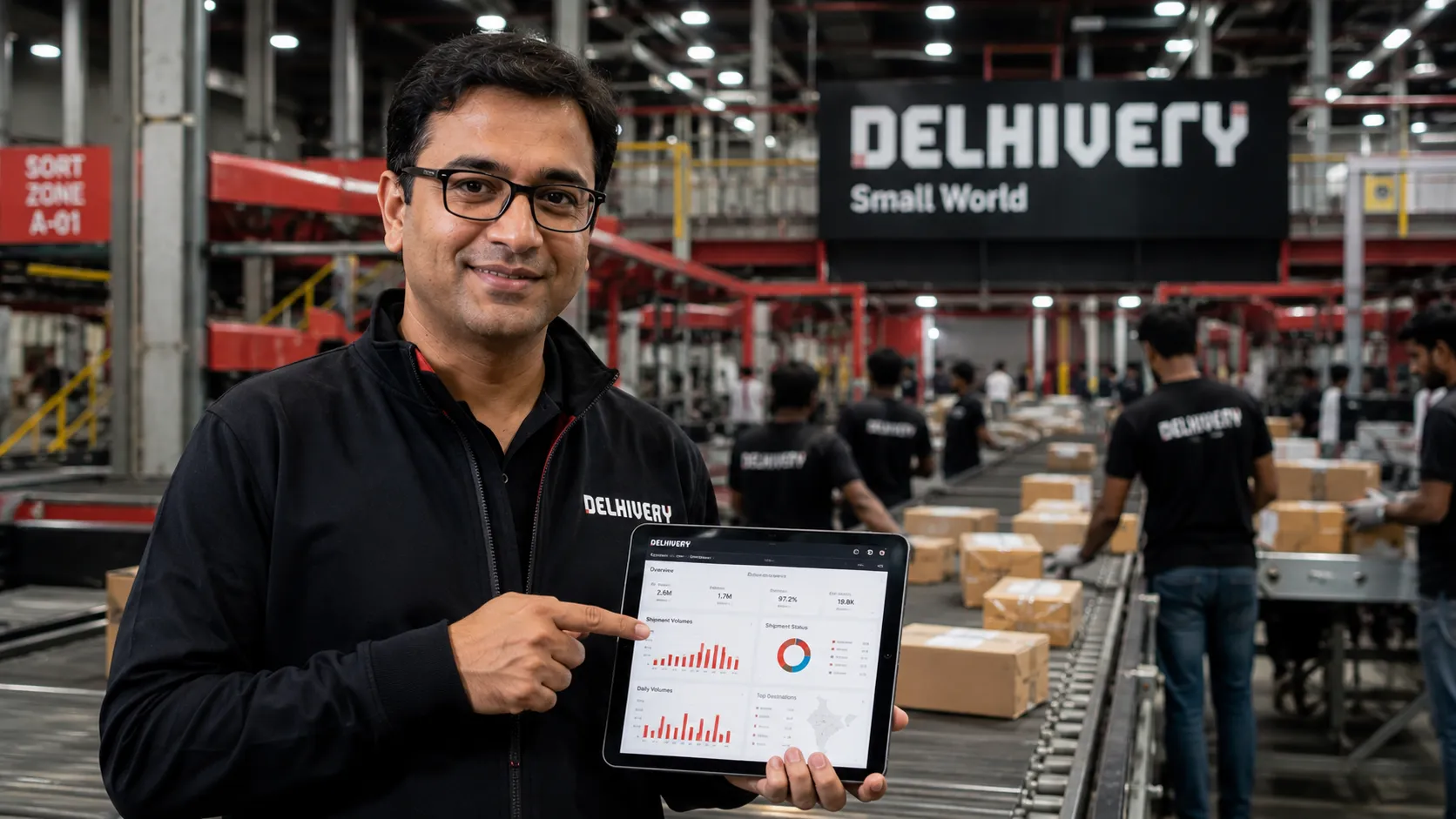
Automated sorting centers: Using conveyor belts and barcode scanners, Delhivery sorts 200,000 packages per hour at its largest hub.
Customer dashboard: Sellers can track inventory, create shipments, and see real-time delivery status.
Network design engine: Decides where to place fulfillment centers to minimize delivery time for 90% of India’s population.
This tech allows Delhivery to offer services at a lower cost than the e-commerce giants’ in-house teams. Many D2C brands — Mamaearth, SUGAR, Boat — use Delhivery for their logistics.
Leadership Philosophy: Data-First, Humble
Sahil is known for his calm, analytical style. He does not shout or make grandiose claims. He tracks “delivery success rate” and “damage rate” as key metrics. He visits warehouses unannounced to spot issues. He has famously said: “Logistics is not glamorous. It’s about getting the last 100 meters right.”
He is also frugal. Delhivery’s headquarters is functional, not flashy. He flies economy and drives a simple car. Employees say he is approachable and listens to on-ground feedback.
Challenges and Critiques
Profitability: Delhivery has struggled to turn a consistent net profit due to high capital expenditure on warehouses and vehicles. It became profitable in 2025 but margins are thin.
Competition: Ekart (Flipkart’s logistics arm) and Amazon Logistics are massive and subsidized by their parent companies. Delhivery also competes with Blue Dart, DTDC, and new tech-enabled startups.
Labor issues: Delivery partners and warehouse workers have complained about low pay and long hours. Sahil has introduced health insurance and performance bonuses, but unions remain critical.
IPO underperformance: The stock fell after listing, reflecting broader market skepticism of logistics stocks.