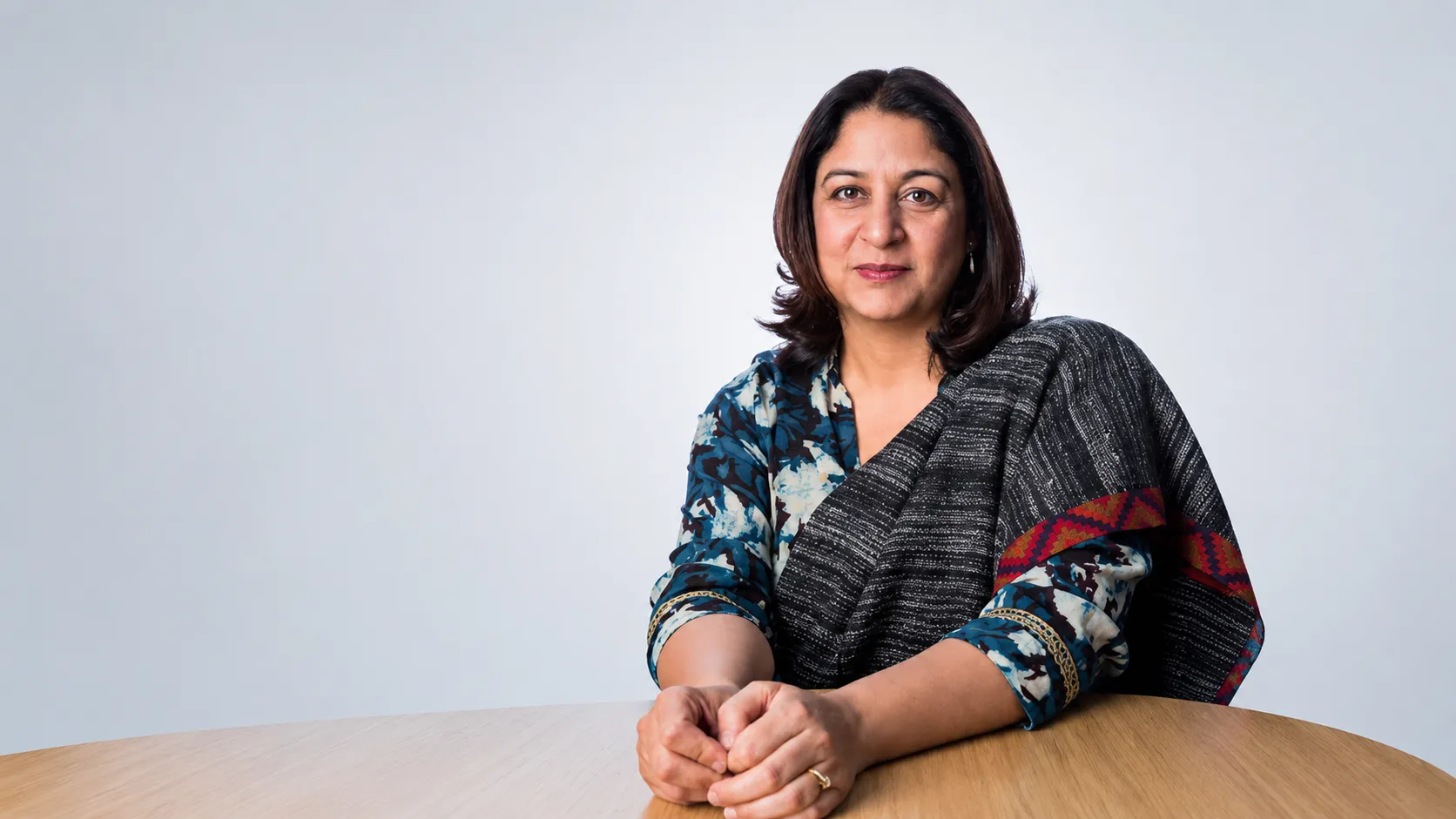
In 2007, Safeena Husain left a comfortable career abroad and returned to India to start a non-profit organization in roughly fifty villages in Pali, a district in Rajasthan. Nearly two decades later, that organization, Educate Girls, operates across more than 20,000 villages spanning Rajasthan, Madhya Pradesh, and Uttar Pradesh, has mobilized more than two million out-of-school girls back into classrooms, and has made Husain the first Indian nonprofit founder to receive the Ramon Magsaysay Award — often described as Asia's equivalent of the Nobel Prize — as well as the first Indian woman to be named a WISE Prize laureate for education. In 2026, she was named to TIME's Women of the Year list, recognized alongside fellow Indian-origin honorees Dr. Reshma Kewalramani and Reshma Saujani as one of sixteen women reshaping systemic challenges into opportunities for progress on a global stage.
A Personal Mission Born From a Difficult Childhood
Husain, born in Delhi in 1971, has been candid about the fact that her commitment to girls' education is deeply personal rather than purely professional. She has spoken about a childhood marked by poverty, and by violence and abuse, that repeatedly interrupted her own education from a young age. She was the first person in her family to study overseas, and she has described her education as the thing that gave her choices and a voice — an awareness that became the founding impulse behind Educate Girls, built on the conviction that millions of girls across India are never given that same chance.
Before founding Educate Girls, Husain worked for roughly a decade with international development and health organizations, including Child Family Health International, gaining direct exposure to how community-based development programs can succeed or fail depending on how deeply they engage local populations rather than simply delivering services from the outside. It was during this period that she became convinced of the specific, outsized impact that organizations focused on closing the gender gap in education could have on broader development outcomes, and she made the decision to return to India to build an organization around that conviction.
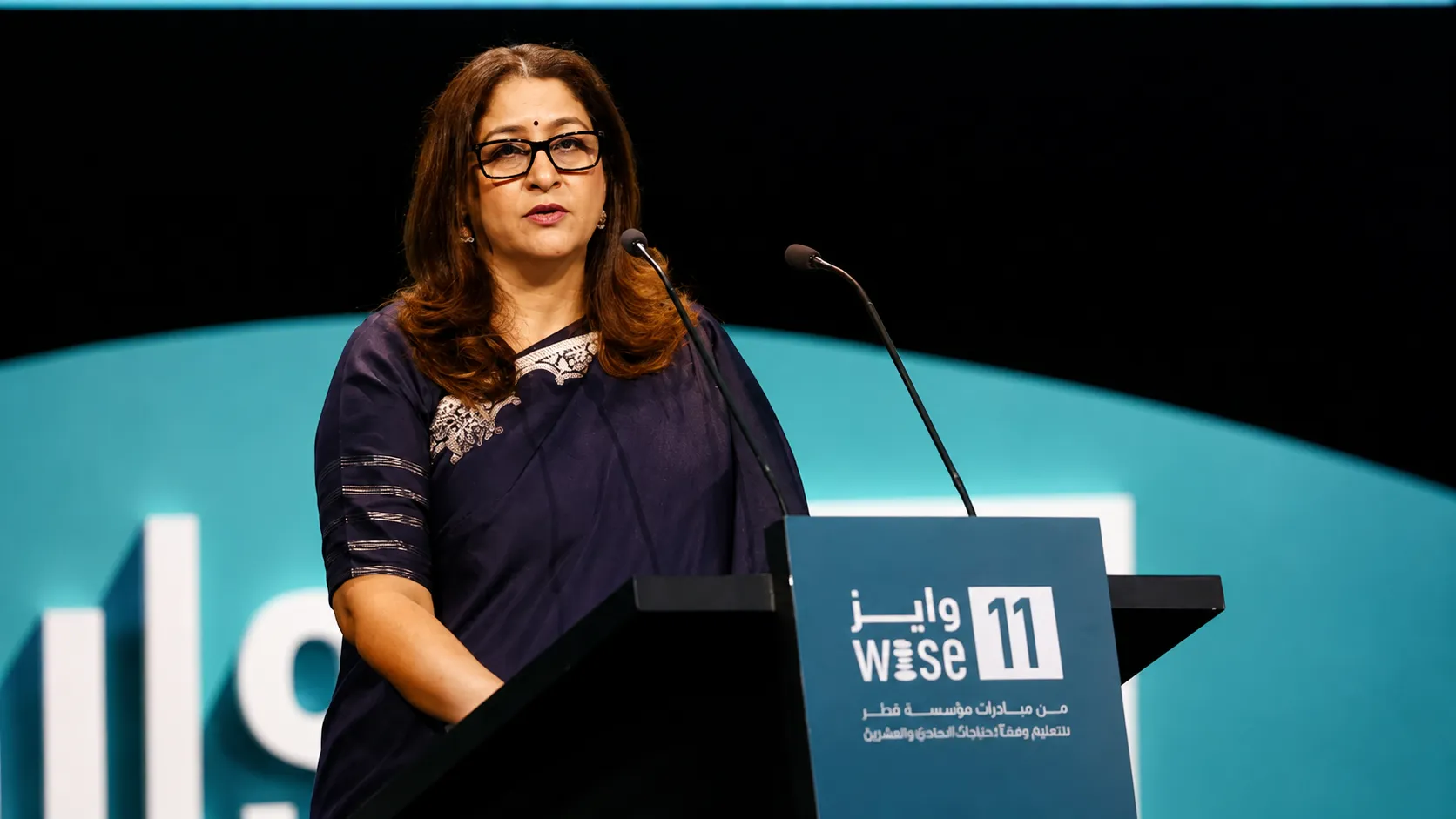
Building Educate Girls From Fifty Villages to Twenty Thousand
Educate Girls' model combines door-to-door community engagement with predictive analytics and technology in a way that was, at the time of its founding, relatively unusual for a grassroots education non-profit in rural India. The organization trains and deploys a large network of community-based volunteers — commonly referred to as gender champions or gender advocates — who go door to door in villages to identify out-of-school girls, work with families and local communities to enroll them, and then support their retention in school alongside broader efforts to improve foundational literacy and numeracy for all children in the community, not just the girls specifically targeted for enrollment.
The organization runs two core programs that together span the full age range of girls' educational needs. Vidya, its Back to School program, focuses on identifying, enrolling, and retaining out-of-school girls between the ages of 6 and 14, while also working to improve foundational literacy and numeracy skills for all children in grades 3 through 5 within the communities it serves. Pragati, its Second Chance program, addresses an older cohort — adolescent girls and young women between 15 and 29 who are no longer eligible for formal schooling — helping them develop academic and life skills, build personal agency, and pursue a pathway back into education through government-run state open schools, ultimately supporting them toward completing their 10th and 12th grade qualifications.
A Pioneering Model for Financing Social Impact
Beyond its direct programmatic work, Educate Girls achieved a distinctive milestone in the broader field of social impact financing: under Husain's leadership, the organization launched the world's first Development Impact Bond in education — a financing mechanism in which private investors provide upfront capital for a social program, and are repaid by outcome funders based on the program's measured success against predefined targets, effectively shifting financial risk away from the implementing organization and toward investors willing to bet on the program's effectiveness. When that inaugural bond concluded in 2018, it had exceeded its target outcomes, providing a proof-of-concept for outcomes-based financing in education that has since influenced how development funders and social enterprises think about structuring impact investments more broadly.
The organization's scale-up has been substantial and sustained. In 2019, Educate Girls became the first Asian organization selected for support by the Audacious Project, a major social-impact funding collaborative operating under the TED organization, which backed the organization's goal of reaching 1.5 million out-of-school girls. By 2025, the organization had not only hit that 1.5 million target but continued surpassing it, with cumulative figures showing it has mobilized more than 1.8 million girls for school enrollment and provided remedial learning support to over 2.2 million students in total, supported by a network of nearly 20,000 community-based gender advocates operating across its three focus states.
Recognition on the Global Stage
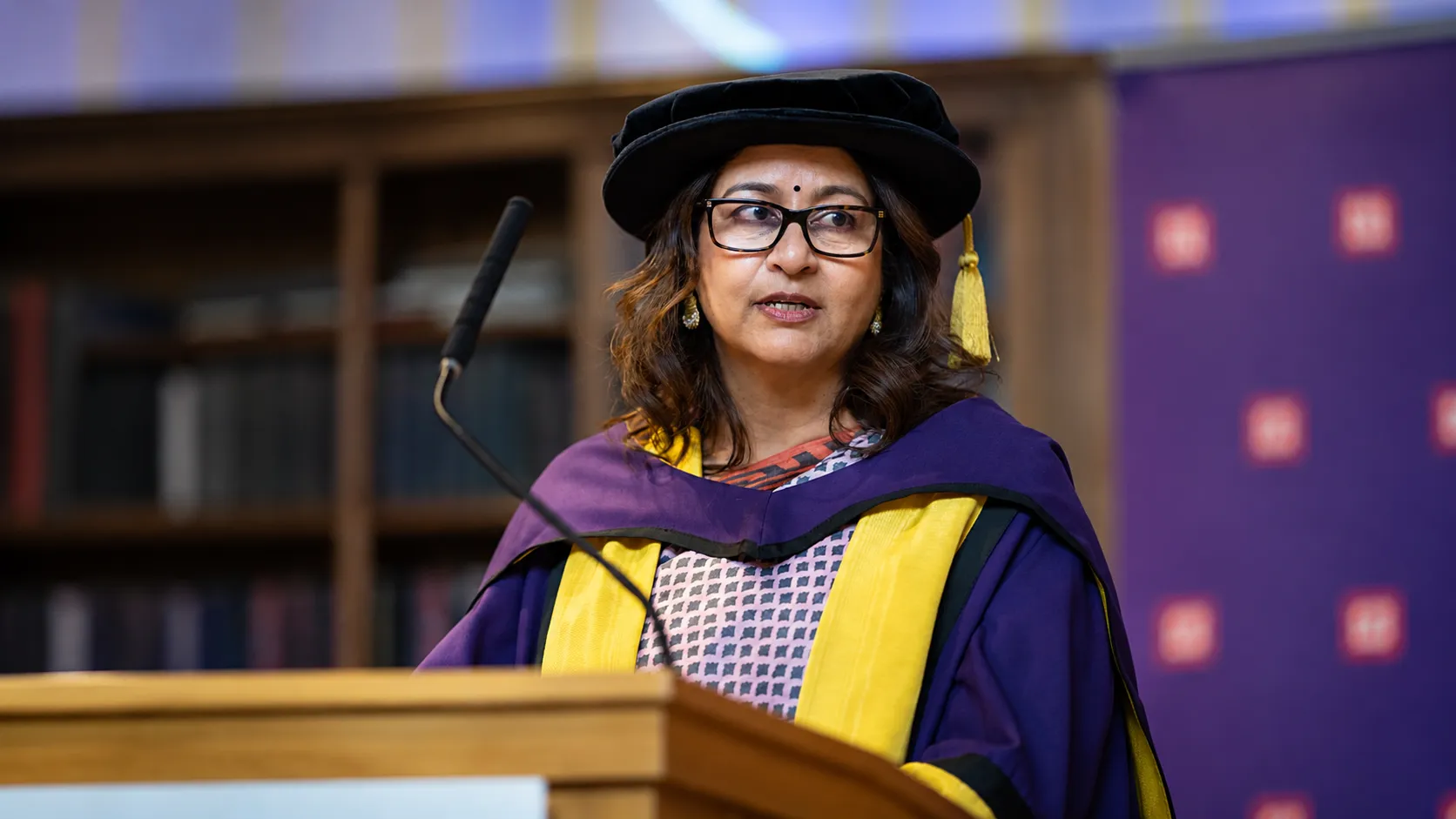
Husain's recognition has extended well beyond the education and development sector's own specialized circles. In 2023, she became the first Indian woman honored with the WISE Prize for Education, one of the most prestigious global awards in the education field, presented by the World Innovation Summit for Education. In 2024, the London School of Economics and Political Science — her own alma mater — conferred an honorary doctorate on her in recognition of her service to society, and she has also received India's NITI Aayog Women Transforming India Award, the Skoll Award for Social Entrepreneurship, and the NDTV-L'Oréal Women of Worth Award, among numerous other honors accumulated over nearly two decades of work.
Husain has also documented her journey and the broader mission of Educate Girls in a book, part memoir and part social-impact narrative, written in part during a residency supported by the Rockefeller Foundation. Beyond her role leading Educate Girls, she serves as an advisor to several other organizations working in India's social sector and education technology space, and has been named to a global advisory board convened by the development consultancy Dalberg, reflecting the broader influence she has built across India's social impact and international development ecosystem.
The Next Decade's Target: Ten Million Girls
Nearly two decades after starting with fifty villages in Pali, Husain has set an even more ambitious goal for the coming decade: enhancing access to quality education for ten million learners. It is a target that reflects both the scale Educate Girls has already achieved and Husain's continued conviction that the deepest, most entrenched barrier to girls' education in rural India is not infrastructure or resources alone, but a patriarchal mindset that continues to value daughters less than sons in many of the communities where the organization works. For India's broader diaspora and NRI community, Husain's story — someone who left a life and career abroad specifically to return home and build an institution addressing one of India's most stubborn development challenges — offers a distinctive counter-narrative to the more commonly told story of NRI success achieved entirely outside India, illustrating how deeply personal experience, translated into rigorous, technology-enabled institution-building, can produce impact at a genuinely national scale.


