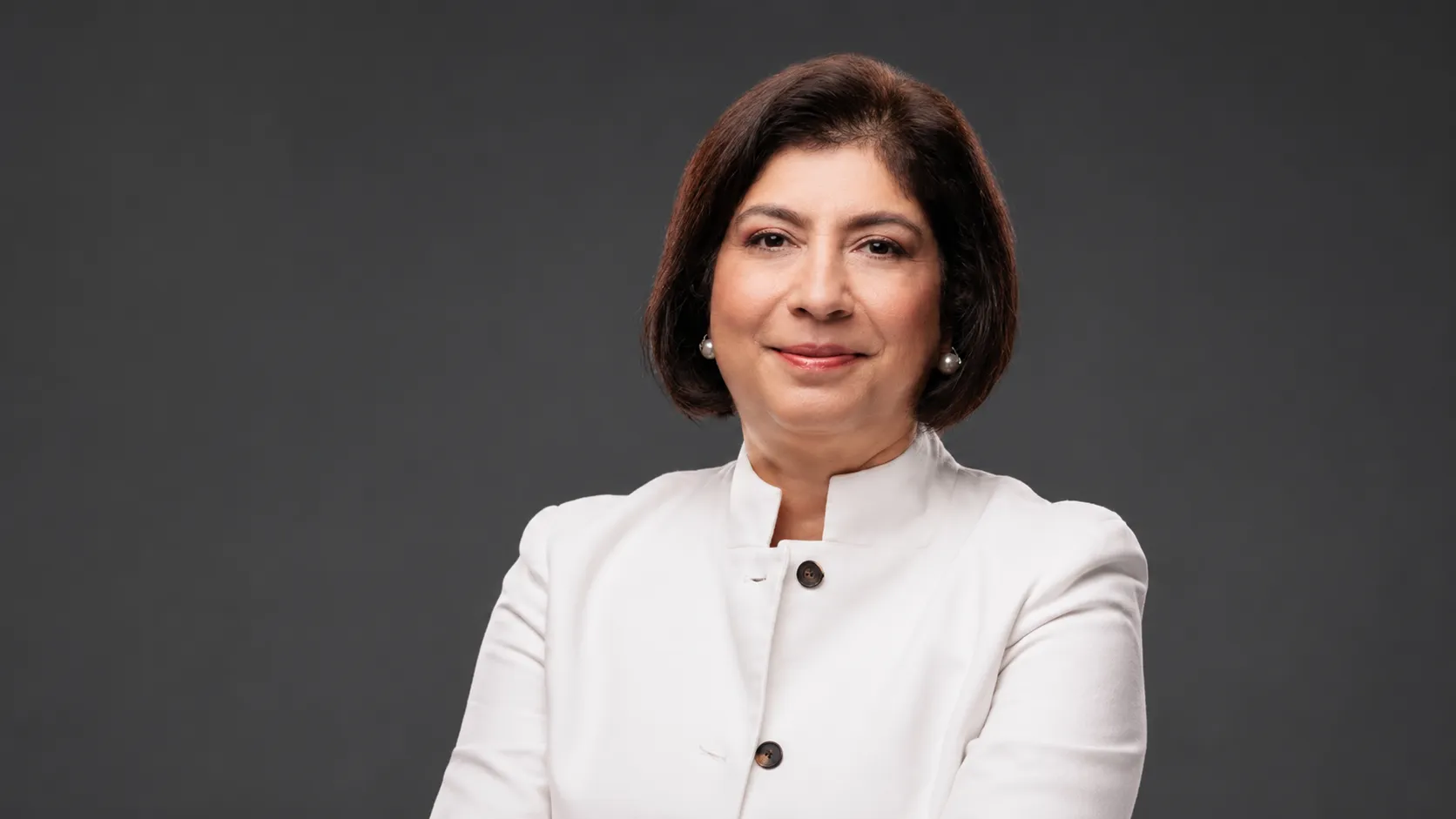
When Dr. Reshma Kewalramani took over as chief executive officer of Vertex Pharmaceuticals in April 2020, in the middle of a global pandemic that had upended nearly every industry on the planet, she became the first woman to lead a large, publicly traded biotechnology company in the United States. Six years later, her name sits on TIME's 2026 Women of the Year list, alongside a career-long body of work spanning bedside medicine, pharmaceutical research and development, and now the top job at a Fortune 500 company that has fundamentally changed how the world treats cystic fibrosis and is now pushing into gene editing and non-opioid pain treatment. Her story — Mumbai-born, Boston-shaped, and built on the unglamorous discipline of clinical nephrology before it ever touched a boardroom — offers one of the more compelling case studies in how immigrant and NRI women have reshaped leadership at the very top of American corporate life.
From Bombay to Boston: The Making of a Physician
Reshma Kewalramani was born in Bombay (now Mumbai), India, and arrived in Boston at the age of 17 to enroll in Boston University's distinctive seven-year combined liberal arts and medical education program, which allows students to earn both a bachelor's degree and a medical degree on an accelerated track. She graduated with honors, receiving her medical degree summa cum laude, and went on to complete her internship and residency in internal medicine at Massachusetts General Hospital, followed by a fellowship in nephrology through a combined program between Massachusetts General Hospital and Brigham and Women's Hospital — two of the most respected teaching hospitals in the United States. She practiced as a transplant nephrologist, treating patients with kidney disease at Boston-area hospitals, a formative period she has described as central to shaping her later career, giving her direct, sustained exposure to the human consequences of chronic disease that would later inform her approach to drug development.
Her transition from clinical medicine into the pharmaceutical industry came when she received a job offer from Amgen, the California-based biotechnology company, prompting a cross-country move with her husband, Abhijit Kulkarni, and their then six-month-old twin sons. At Amgen, Kewalramani spent more than twelve years building a career across research and development, holding roles including Vice President of Global Clinical Development for the Nephrology and Metabolic Therapeutic Area, and later Vice President of the U.S. Medical Organization — a group she personally established and grew until it assumed responsibility for the company's full portfolio of medicines. In 2015, partway through her time at Amgen, she completed the General Management Program at Harvard Business School, formalizing a business and leadership skill set to complement her clinical and scientific training.
Joining Vertex and the Path to the Corner Office
Kewalramani joined Vertex Pharmaceuticals in 2017 as Chief Medical Officer and Executive Vice President of Global Medicines Development and Medical Affairs. Vertex had, by that point, already established itself as the dominant player in treatments for cystic fibrosis, a genetic disease that affects the lungs and digestive system, through a series of medicines that treat the disease's underlying cause rather than merely managing its symptoms. During her time as Chief Medical Officer, the company continued to expand this portfolio, working toward treatments that could address the underlying genetic mutation for an even broader share of the cystic fibrosis patient population.
In April 2020, Kewalramani was named President and CEO of Vertex, succeeding Jeffrey Leiden, who had led the company for seven years and remained on as executive chairman. The appointment made her, at the time, the first woman to serve as CEO of a large, publicly traded biotechnology company in the United States — a distinction that placed her name alongside a very small number of women who have led major pharmaceutical or biotech firms of comparable scale. She has spoken about the decision to join Vertex in terms of mission alignment, describing the company's approach of working in serious diseases where the underlying human biology is well understood and validated as giving it a genuinely higher probability of successfully translating laboratory science into medicines that reach patients.
What Vertex Has Achieved Under Her Leadership
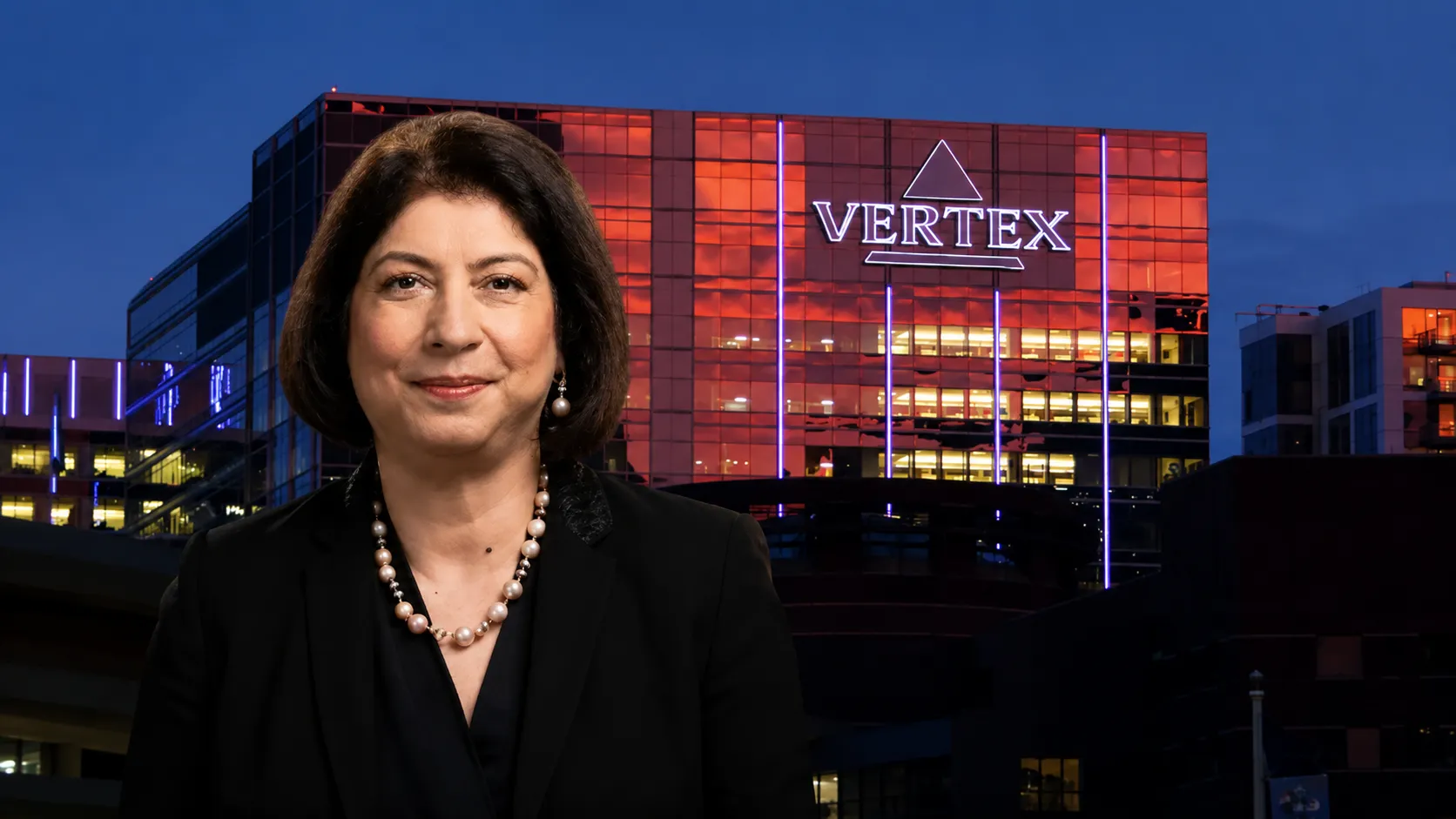
Since Kewalramani became CEO, Vertex has continued to expand its cystic fibrosis franchise, which today includes five approved medicines — ALYFTREK, TRIKAFTA, SYMDEKO, ORKAMBI, and KALYDECO — that together treat the underlying cause of the disease for the large majority of the eligible patient population. Beyond cystic fibrosis, the company has pushed into genuinely novel therapeutic territory during her tenure. In late 2023, Vertex, in partnership with CRISPR Therapeutics, launched the first CRISPR-based gene-editing therapy to reach approval, a treatment for sickle-cell disease that represented a landmark moment for the entire field of gene-editing medicine, translating a Nobel Prize-winning scientific technique into an actual approved treatment available to patients. In January 2025, the company also received approval for a new class of non-opioid pain medication, addressing a category of drug development with significant public health relevance given the ongoing opioid epidemic in the United States.
Under her leadership, the company has also roughly doubled its employee base and the number of medicines in its portfolio since she joined in 2017, while significantly expanding its clinical-stage pipeline and its physical footprint, including its presence in Boston's Seaport innovation district. Vertex has been recognized repeatedly as one of the best places to work by publications including Science magazine, The Boston Globe, Newsweek, and Fortune during this period of expansion — recognition that Kewalramani has connected to the company's deliberate efforts to build and sustain a culture of belonging, diversity, and equity even as it has scaled rapidly.
Recognition and a Return to Alma Mater
Kewalramani's leadership has drawn sustained recognition well beyond the biotech industry's own trade press. She has been named to the TIME 100 Most Influential People in the World list, the TIME 100 Health list, and now TIME's 2026 Women of the Year list — the honor that placed her alongside fellow Indian-origin honorees Safeena Husain and Reshma Saujani this year. She has also been recognized on Fortune's list of the most powerful people in business, named a Changemaker by CNBC, included among Fierce Pharma's 'Fiercest Women in Life Sciences,' and named a top CEO by Barron's. Business Insider included her among its list of ten people transforming healthcare, and she has received the Harvard Business School Alumni Achievement Award as well as distinguished alumni honors from both Boston University and Boston University's School of Medicine.
In 2026, Kewalramani returned to Boston University as the institution's commencement speaker — a full-circle moment for an alumna who has described BU as the place that made her who she is today, where she met her husband and formed lifelong friendships during the years she spent completing her medical training. Beyond her role at Vertex, she serves on the board of directors of the Biomedical Science Careers Program, an organization dedicated to supporting underrepresented students pursuing careers in STEM fields, as well as on the Mass General Brigham board of directors and the Boston University Chobanian & Avedisian School of Medicine Dean's Advisory Board. She is a Fellow of the American Society of Nephrology and served on the inaugural board of directors of the Kidney Health Initiative, maintaining an active connection to the clinical specialty where her career began.
A Model for the Next Generation
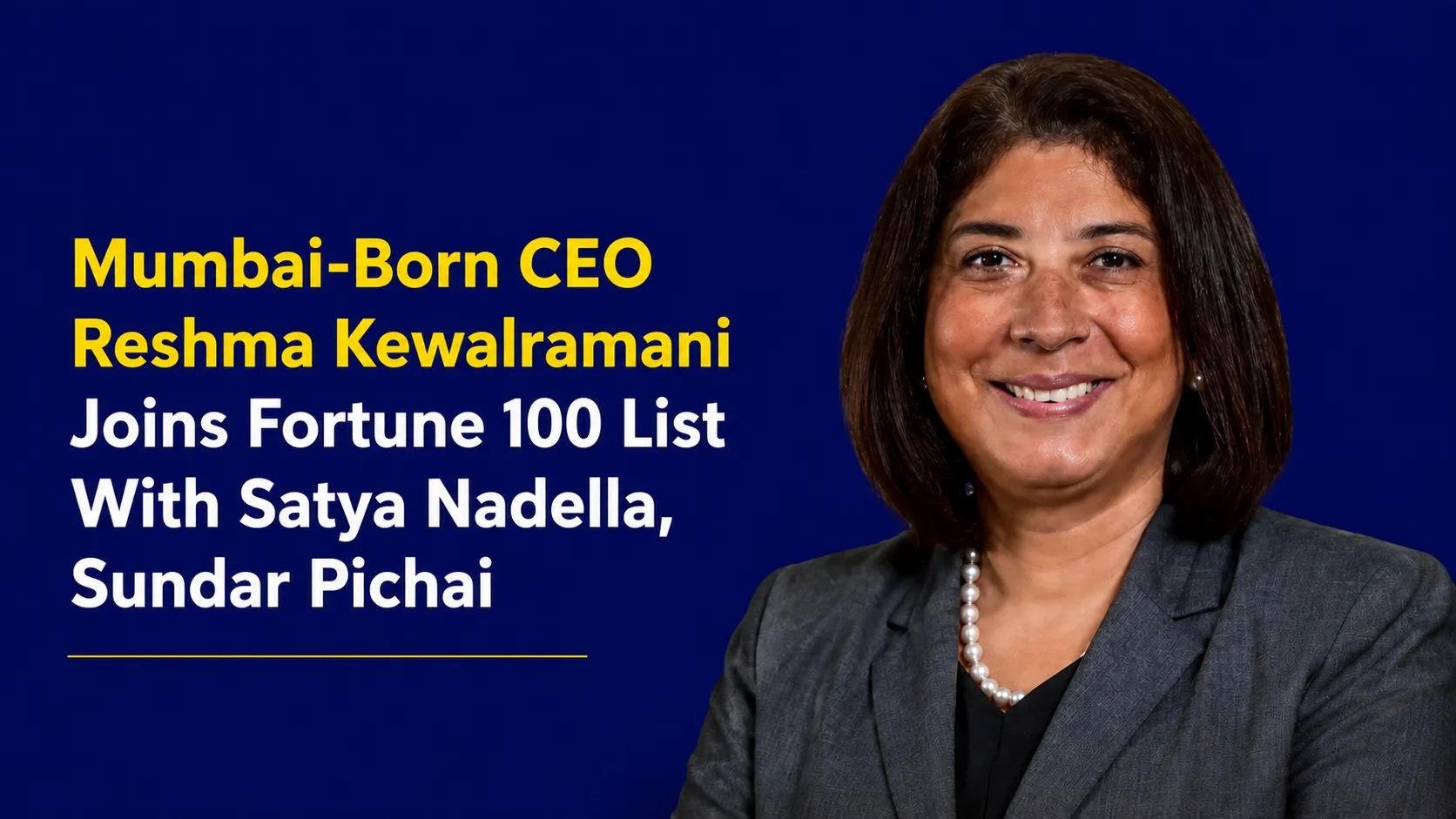
What distinguishes Kewalramani's story within the broader landscape of NRI women in leadership is the specific pathway it charts: not a direct route from business school into corporate leadership, but a long arc through clinical medicine, patient care, and pharmaceutical research and development before arriving at the CEO suite. Her own account of what drew her into the industry — the desire to make medicines for patients, informed by years spent treating people directly — offers a distinctive template for how deep domain expertise, rather than purely a business or finance background, can be the foundation for reaching the highest levels of corporate leadership in a technical, science-driven industry. For the next generation of Indian-origin women considering careers that bridge medicine, science, and business, Kewalramani's trajectory — from a nephrology fellowship in Boston to the CEO's office of a Fortune 500 company reshaping the treatment of genetic disease — stands as a genuinely distinctive model of what that path can look like.


