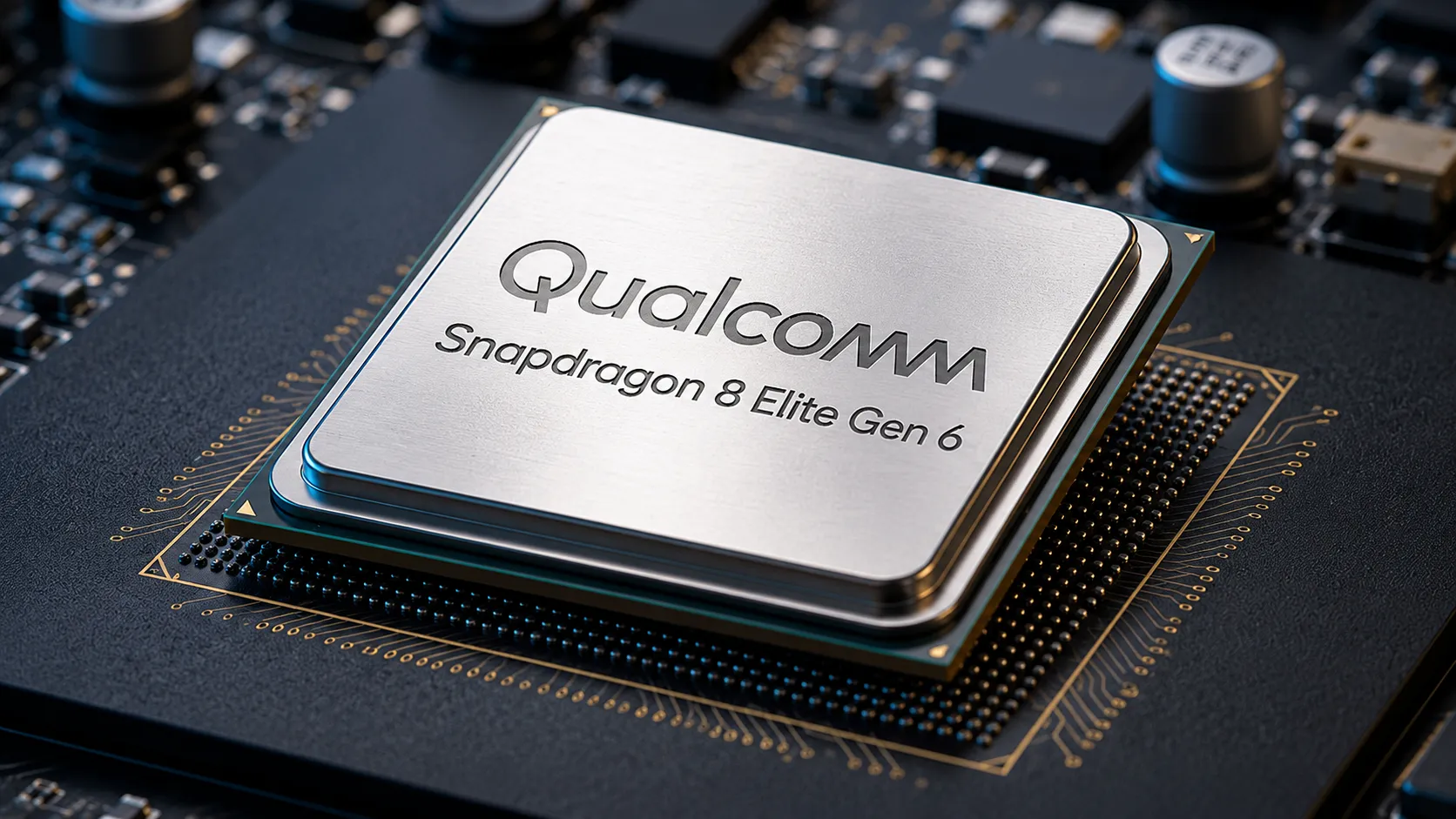
Qualcomm has informed its customers that it will raise chip prices by a double-digit percentage effective September 1, 2026, citing higher supplier costs as the primary driver behind the increase — a decision that, while announced by a US-based semiconductor giant, carries direct and immediate implications for India's enormous smartphone market, where Qualcomm's processors power a substantial share of devices sold across price segments ranging from budget handsets to premium flagship models. For Indian consumers already navigating a market where smartphone prices have shown a persistent upward drift over recent years, this latest development sets the stage for further price increases just as the crucial festive season shopping period approaches later in the calendar year.
Qualcomm's position within the global smartphone supply chain explains why a pricing decision from a single chip supplier can carry such outsized market-wide implications. As one of the world's dominant suppliers of mobile processors and modem chips, Qualcomm's Snapdragon processor lineup features across devices from numerous major smartphone brands operating in India, including both premium and mass-market segments. This broad market penetration means that a price increase applied across Qualcomm's chip lineup does not merely affect a narrow slice of the smartphone market but instead touches a very substantial proportion of devices sold across India's diverse and highly price-sensitive smartphone market.
The stated rationale behind the price increase — higher supplier costs — points toward broader dynamics within the global semiconductor supply chain that extend well beyond Qualcomm's own specific cost structure. Semiconductor manufacturing involves an intricate, globally distributed supply chain spanning raw material sourcing, wafer fabrication typically concentrated among a small number of highly specialised foundry operators, and various packaging and testing processes, each of which can experience its own cost pressures driven by factors ranging from raw material pricing to capacity constraints at critical points within the fabrication process. When a major chip designer like Qualcomm cites higher supplier costs as justification for a price increase, it typically reflects some combination of rising costs from foundry partners, increased costs for specialised materials and components used in chip manufacturing, and potentially broader currency or logistics-related cost pressures affecting the global semiconductor supply chain.
For Indian smartphone manufacturers and brands, this chip price increase arrives at a particularly sensitive moment strategically, given the country's simultaneous push to build a more robust domestic electronics manufacturing ecosystem through initiatives including production-linked incentive schemes aimed at boosting local smartphone and component manufacturing. While India has made genuine progress in expanding domestic smartphone assembly capacity over recent years, the country remains substantially dependent on imported semiconductor components, including Qualcomm's processors, meaning global chip pricing decisions continue to exert direct, largely unavoidable influence over the cost structure of smartphones assembled in India, even as final assembly increasingly occurs domestically.
The practical impact on smartphone pricing will likely vary considerably across different market segments and manufacturers, depending on factors including each company's specific chip sourcing arrangements, the extent to which manufacturers can absorb some portion of the increased cost within their own margins rather than passing it fully through to consumers, and the broader competitive dynamics within each specific price segment of the market. Premium and flagship smartphone segments, where manufacturers typically maintain higher margins and where consumers have historically shown somewhat greater price tolerance for incremental cost increases, may see this chip price hike absorbed more readily than budget and mid-range segments, where price competition tends to be considerably more intense and where even modest cost increases can meaningfully affect a device's competitive positioning within its specific price bracket.
India's smartphone market structure adds particular relevance to how this price increase is likely to play out domestically. India represents one of the world's largest smartphone markets by unit volume, but it is also characterised by intense price sensitivity across a very large proportion of that volume, with budget and entry-level smartphones representing a disproportionately large share of total units sold compared to more mature, higher-income smartphone markets where premium and flagship devices command a larger proportion of overall sales. This market structure means that even a modest per-unit cost increase driven by higher chip pricing can have an outsized impact on smartphone affordability for a very large segment of India's price-sensitive consumer base, potentially affecting overall market volume growth if manufacturers pass through the full cost increase to end consumers.
Competitive dynamics among smartphone brands operating in India will likely play a significant role in determining how much of this chip price increase ultimately reaches consumers versus being absorbed within manufacturer margins. Brands with stronger brand equity and pricing power, generally those with more established premium market positioning, may find it easier to pass through cost increases without significantly affecting sales volumes, while brands competing more heavily on price within the budget and mid-range segments may face more difficult trade-offs between protecting margins and maintaining competitive pricing relative to rivals.
The timing of this price increase, effective September 1, also carries strategic significance given its proximity to India's crucial festive season shopping period, which typically begins in earnest around the Ganesh Chaturthi and Navratri festivals and extends through Diwali, representing one of the most important sales windows of the year for Indian consumer electronics retailers and smartphone manufacturers alike. Manufacturers planning festive season pricing and promotional strategies will need to factor this chip cost increase into their planning, potentially complicating what has historically been a period characterised by aggressive promotional pricing and attractive financing offers designed to maximise sales volumes during India's peak consumer spending season.
Beyond smartphones specifically, Qualcomm's chip price increase carries broader implications for various other categories of connected devices that incorporate the company's processors and modem chips, including certain categories of laptops, tablets, wearable devices, and increasingly, various Internet of Things and connected automotive applications where Qualcomm has been expanding its chip business beyond its traditional smartphone-centric focus. This broader device category exposure means the ripple effects of this pricing decision are likely to extend meaningfully beyond the smartphone market alone, even if smartphones remain the most immediately visible and widely discussed application given the sheer scale of India's smartphone market.
India's broader electronics manufacturing policy ambitions add an additional layer of relevance to this development. The government's continued push to expand India's domestic electronics and semiconductor manufacturing capabilities, including recent policy initiatives aimed at attracting semiconductor fabrication investment to India specifically, reflects a longer-term strategic ambition to reduce the kind of import dependency that makes decisions like Qualcomm's chip price increase so directly and immediately consequential for Indian device pricing. While meaningful progress on domestic semiconductor fabrication capacity remains a multi-year undertaking rather than an immediate solution to near-term chip pricing pressures, this episode offers a useful, concrete illustration of why policymakers continue to view greater domestic semiconductor manufacturing capability as strategically important for reducing India's exposure to exactly this kind of externally-driven cost volatility.
For Indian consumers, the practical upshot of this development is likely to manifest gradually rather than immediately, given that smartphone manufacturers typically maintain some inventory of components purchased at prior pricing and often stagger the introduction of cost increases across their product lineup rather than implementing across-the-board price hikes simultaneously with a supplier's own pricing change taking effect. Consumers considering smartphone purchases in the months following September 2026 may nonetheless want to factor the possibility of gradually rising prices into their purchase timing decisions, particularly for devices in price segments where manufacturers have historically shown greater willingness to pass through supplier cost increases directly to end consumers.
As India's smartphone and broader electronics market continues to navigate this latest chip pricing development, the episode serves as a useful, concrete reminder of just how directly global semiconductor supply chain dynamics continue to shape consumer-facing pricing outcomes in one of the world's largest and most closely watched smartphone markets — underscoring both the genuine progress India has made in building domestic electronics assembly capacity, and the continued work still required to build the kind of deeper, more comprehensive domestic semiconductor manufacturing ecosystem that could eventually provide greater insulation from exactly this kind of externally driven cost pressure.
Retailer and e-commerce platform responses to this pricing shift will offer an early, practical signal of how the increase actually flows through to end-consumer pricing in the Indian market specifically. India's smartphone retail landscape, spanning large e-commerce platforms, organised offline retail chains, and a vast network of independent local mobile phone retailers, has historically shown considerable variation in how quickly and fully supplier-side cost increases translate into shelf-price changes, with intense retail competition sometimes delaying or partially absorbing cost increases through squeezed retailer margins rather than immediate, full pass-through to consumers.
Component sourcing diversification strategies pursued by major smartphone brands add a further variable worth considering when assessing the ultimate market impact of Qualcomm's specific pricing decision. Several manufacturers operating in India have, in recent years, worked to diversify their chip sourcing beyond Qualcomm alone, incorporating processors from alternative suppliers including MediaTek and, for certain premium devices, in-house designed chips from vertically integrated manufacturers. This diversification, while not eliminating exposure to broader semiconductor cost trends across the industry, does provide manufacturers with somewhat greater flexibility in managing the specific impact of any single supplier's pricing decisions, including this latest Qualcomm increase.
The used and refurbished smartphone market, which has grown substantially in India over recent years as a more affordable alternative for price-sensitive consumers, may see a modest demand boost if new device prices rise meaningfully following this chip cost increase, offering a useful pressure valve for consumers unwilling or unable to absorb higher prices for new devices, even as this dynamic itself illustrates the broader affordability pressures that persistent component cost inflation continues to place on India's overwhelmingly price-sensitive smartphone consumer base.
Global smartphone brand strategy responses to this Qualcomm pricing shift will likely vary considerably depending on each company's broader positioning and market share ambitions within India specifically. Brands pursuing aggressive market share growth strategies within India's fiercely contested budget and mid-range segments may choose to absorb a larger share of the cost increase within their own margins, at least in the near term, viewing market share preservation as a higher priority than immediate margin protection, while other brands may prioritise margin discipline over volume growth, passing through a greater share of the cost increase even at the risk of some near-term volume impact.

The broader global semiconductor industry context adds useful perspective on whether this specific Qualcomm price increase represents an isolated company decision or part of a wider industry-wide cost inflation trend. Should other major chip suppliers serving the smartphone and broader electronics industry follow with similar pricing actions of their own in the coming months, citing comparable supplier cost pressures, that would suggest the current episode reflects genuine, industry-wide semiconductor supply chain cost dynamics rather than a company-specific pricing decision unique to Qualcomm, with correspondingly broader implications for device pricing across the entire electronics industry rather than being narrowly confined to Qualcomm-powered devices alone.
As September 1 approaches and Qualcomm's price increase takes effect, the coming weeks and months will offer a clearer picture of exactly how smartphone manufacturers choose to navigate this cost pressure, and how much of the increase Indian consumers ultimately end up bearing through higher device prices versus how much gets absorbed through manufacturer margin compression or offset through greater reliance on alternative, potentially lower-cost chipset suppliers. For a market as large, competitive, and price-sensitive as India's smartphone ecosystem, even a seemingly modest component-level cost increase from a supplier as central to the industry as Qualcomm carries the potential to meaningfully reshape competitive dynamics and consumer purchasing patterns across the months ahead.
Industry body reaction from India's own electronics manufacturing associations has, in similar past episodes of imported component cost inflation, generally called for accelerated progress on domestic semiconductor and component manufacturing capacity as the more durable, longer-term solution to insulating Indian device pricing from exactly this kind of externally-driven cost volatility, reinforcing the broader policy argument for continued investment in India's nascent domestic chip manufacturing ecosystem even as that capacity remains years away from being able to meaningfully substitute for imported processors in categories like premium smartphone chipsets.