Pickles, Purpose, and a ₹30 Crore Empire: How a 24-Year-Old Ditched London to Sell Her Grandmother's Recipes
DELHI — May 22, 2026 — Niharika Bhargava was 24 years old, living in London, earning a comfortable salary at a marketing agency, and doing exactly what ambitious young Indians with good degrees and global opportunities are supposed to do. She had a career. She had a future. She had a life that her parents could describe to their friends without pausing for breath.
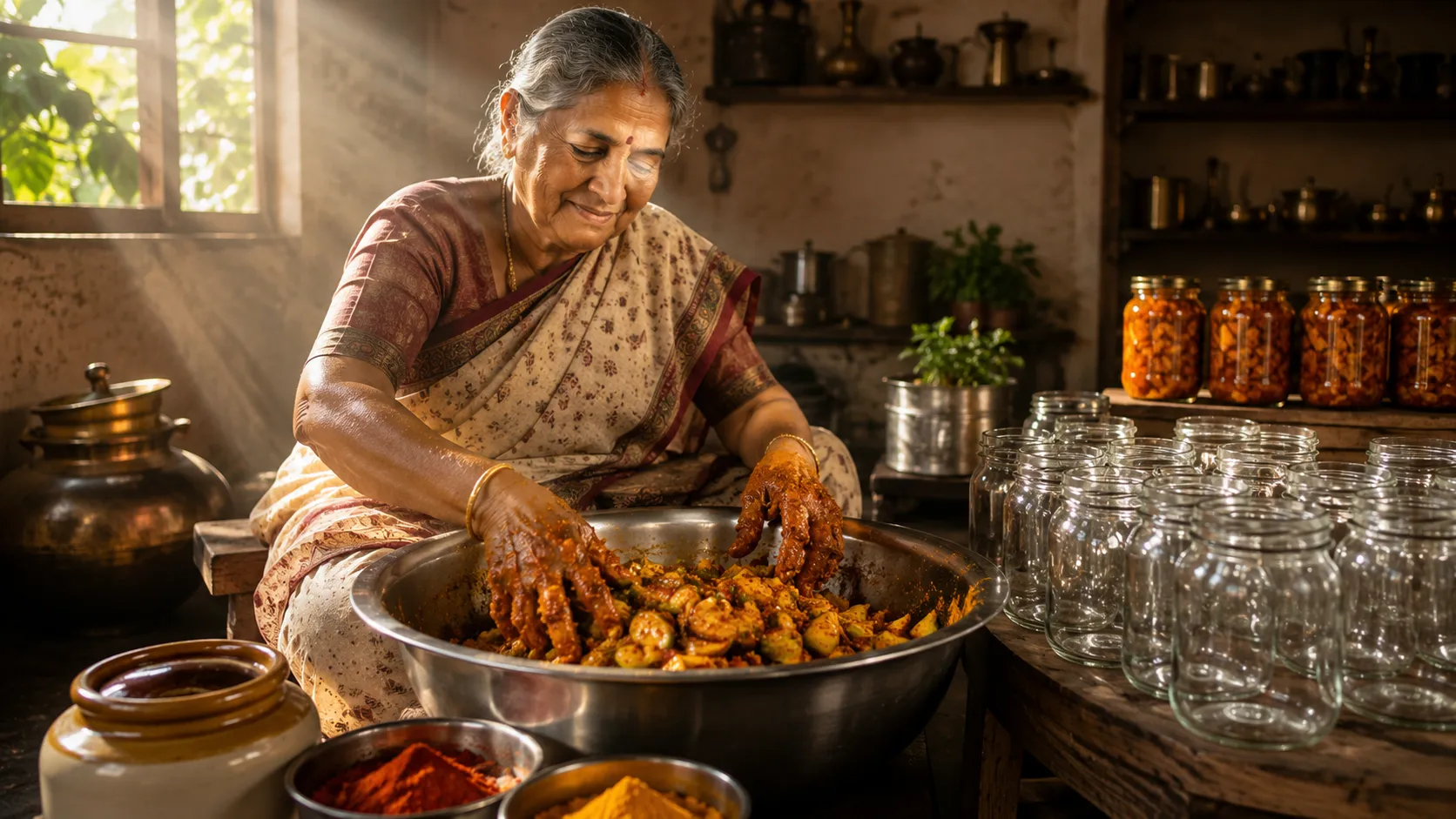
She was also deeply, persistently unhappy. The work was fine. The city was fine. The life was fine. But "fine" was not what she had imagined when she left India, and the gap between "fine" and "meaningful" had grown wide enough that she could no longer ignore it. She began to think about her grandmother—a woman who had spent decades in a small kitchen in India, making pickles from recipes passed down through generations, crushing spices by hand, waiting for the mangoes to reach exactly the right stage of ripeness, understanding fermentation with an intuition that no culinary school could teach.
In 2018, Bhargava quit her job, left London, and returned to India. She had no business plan, no funding, and no experience in the food industry. What she had was a conviction that her grandmother's pickles—made without preservatives, without artificial colors, without the shortcuts that industrial food manufacturing demanded—could find a market. She called the company The Little Farm Co. She started with a few jars, a small kitchen, and a belief that was either naive or visionary, depending on whom you asked.
Eight years later, The Little Farm Co. is steering toward ₹30 crore in annual revenue with a 30%+ repeat customer rate. Its products are sold on Amazon, Flipkart, and quick-commerce platforms across India. Bhargava has been featured in Forbes India as one of the country's most celebrated young entrepreneurs. And the grandmother whose recipes started it all is still involved—tasting every new batch, approving every formulation, ensuring that the pickles that leave the facility taste like the ones she has been making for fifty years.
The Woman Who Faced the Critics
The decision to leave London and sell pickles was not met with universal applause. Bhargava faced criticism from multiple directions simultaneously. Some relatives questioned why an educated young woman would abandon a promising career for what they saw as a cottage industry. Some farmers—men who had spent decades in agriculture—were skeptical of taking instruction from a woman in her twenties who had never farmed a day in her life. Some potential customers wondered why they should pay a premium for pickles when cheaper, mass-produced alternatives filled every supermarket shelf.
The farming community presented a particularly difficult challenge. Bhargava wanted to source her raw materials directly from farmers, bypassing the middlemen who dominate Indian agricultural supply chains. She wanted to work with smallholders—the farmers with a few acres of land who are the backbone of Indian agriculture but who rarely have direct access to premium markets. But when she approached them, many were dismissive. She was young. She was female. She had never farmed. Who was she to tell them how to grow their crops?
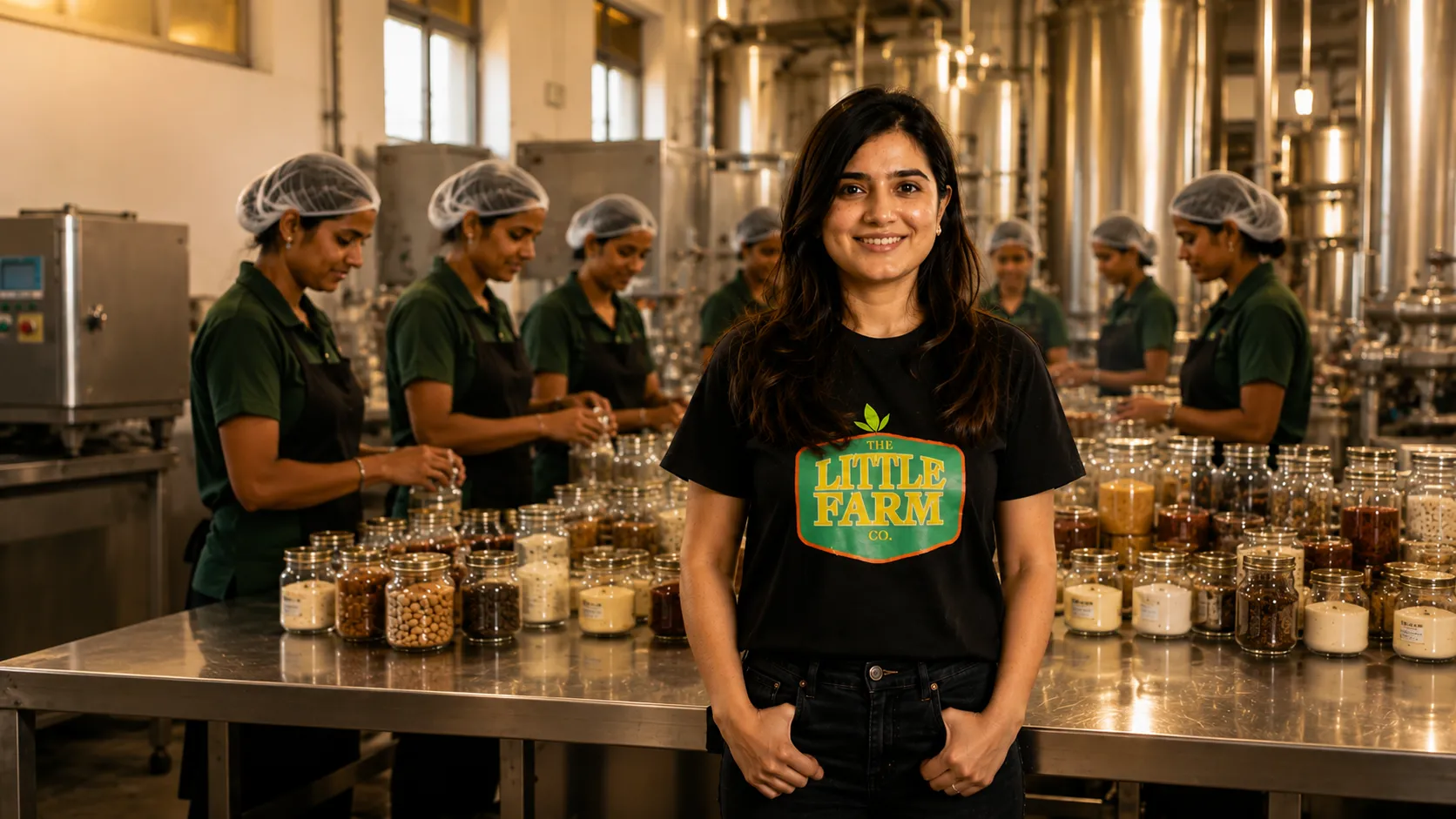
She persisted. She hired 15 tribal women as her first employees—women who had been marginalized by the formal economy but who possessed deep, intuitive knowledge of traditional food processing. She built relationships with farmers one by one, proving through action rather than argument that she was serious. She refused to compromise on her commitment to natural ingredients, even when suppliers offered cheaper alternatives that would have improved her margins. "We don't use preservatives," she said. "We don't use artificial colors. We don't cut corners."
The early years were lean. Revenue was slow to build. The company operated on a shoestring budget. But Bhargava had something that the larger condiment companies did not: a product that tasted like it had been made in someone's grandmother's kitchen, because it had been. The recipes were authentic. The ingredients were real. The fermentation was natural. And customers, once they tried the product, came back for more.
The Business of Authenticity
What distinguishes The Little Farm Co. from the hundreds of food startups that launch in India every year is not the product category—pickles, chutneys, and condiments are among the most crowded segments in the consumer goods market. It is the authenticity of the supply chain and the clarity of the founder's vision.
Bhargava does not source her raw materials from anonymous wholesalers. She works directly with farmers, building relationships that span years and ensuring that the fruits and vegetables that go into her products meet her specifications for ripeness, variety, and growing conditions. She does not outsource production to contract manufacturers who might cut corners on quality. She oversees every batch herself, with her grandmother serving as the final authority on taste and texture.
The result is a product that commands a premium price and generates unusual customer loyalty. The repeat purchase rate—over 30%—is significantly higher than the industry average for packaged foods. Customers who try The Little Farm Co.'s pickles tend to keep buying them, not because of a marketing campaign but because the product tastes like the pickles they remember from childhood.
The company's distribution strategy reflects the evolution of Indian e-commerce. The Little Farm Co. sells directly through its own website, through Amazon and Flipkart, and increasingly through quick-commerce platforms that can deliver a jar of pickle to a customer's door in under 30 minutes. The quick-commerce channel has been particularly important, because it solves the discovery problem—customers browsing for groceries on Zepto or Blinkit encounter the brand in a context where they are already planning meals.
The ₹1,000 Crore Vision
Bhargava's ambitions extend far beyond pickles. She has articulated a vision of building The Little Farm Co. into a ₹1,000 crore condiment and packaged foods giant—a company that can compete with the legacy brands that have dominated Indian kitchens for generations.
The path to that vision runs through product expansion. The company has already moved beyond its core pickle offerings into chutneys, preserves, and ready-to-cook meal accompaniments. Each new product is developed using the same philosophy: natural ingredients, traditional recipes, no preservatives, no artificial anything. The brand identity is built around the idea of "farm to table"—a concept that is more commonly associated with high-end restaurants than with packaged foods, and that gives The Little Farm Co. a distinctive positioning in a crowded market.
The financial trajectory supports the ambition. Revenue is growing steadily. The customer base is expanding. The quick-commerce channel is providing distribution that would have been unimaginable even five years ago. And Bhargava, still in her early thirties, has the kind of long-term orientation that allows her to think in decades rather than quarters.
The Forbes India recognition was a milestone—an acknowledgment from the business establishment that a woman who left London to sell her grandmother's pickles had built something significant. But Bhargava has been careful not to let the recognition distract from the work. "We're not here to be celebrated," she said. "We're here to build a company that outlasts us."
What This Story Actually Says
The Niharika Bhargava story is not primarily a story about pickles. It is a story about the courage to leave a comfortable life in pursuit of a meaningful one. It is a story about the value of authenticity in an age of mass production. And it is a story about the quiet, persistent work of building a company that honors the past while competing in the present.
Bhargava's grandmother is still involved in the business—still tasting every batch, still approving every new product, still ensuring that the pickles that leave the facility taste like the ones she has been making for fifty years. That continuity is not a marketing gimmick. It is the soul of the company. The Little Farm Co. is not selling nostalgia. It is selling pickles that are made the way pickles used to be made, by people who understand that some things cannot be automated, cannot be outsourced, cannot be reduced to a cost-per-unit calculation.
The 24-year-old who left London did not know whether her grandmother's recipes could support a business. She took a bet on the idea that authenticity, quality, and patience could compete with scale, advertising, and price. Eight years later, the bet is paying off. The pickles are selling. The farmers are partnering. The grandmother is still tasting. And the company that began in a small kitchen with a few jars is steering toward a future that its founder, at 24, could barely have imagined.


