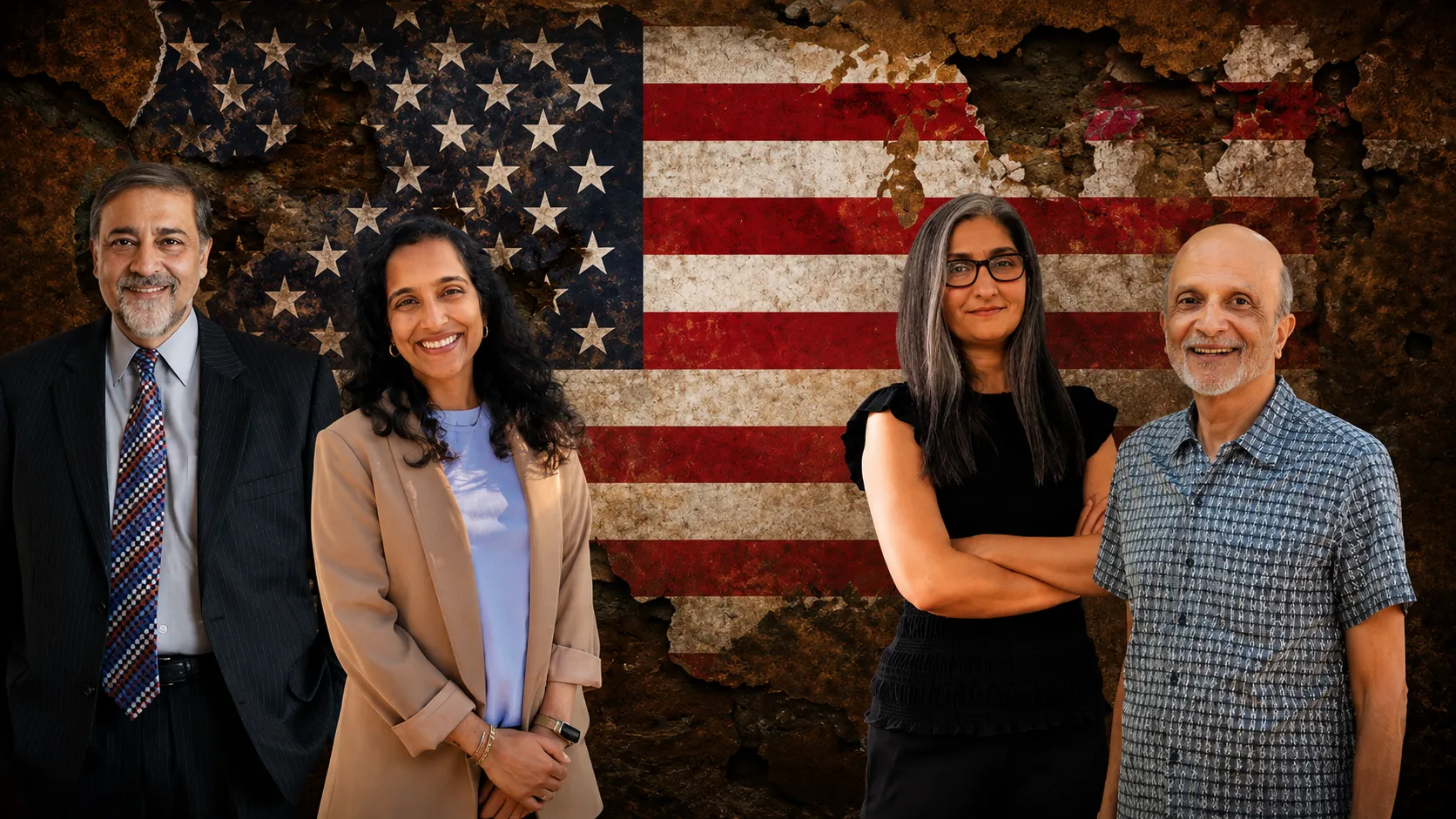
Long before social media made it possible to follow news from home with a single scroll, a scattered, geographically dispersed diaspora relied on something considerably more labour-intensive to stay connected: newspapers mailed across time zones, radio programming broadcast in a language spoken thousands of miles from where it was recorded, and community publications built by people who understood, because they lived it themselves, exactly what it felt like to build a life in one country while a piece of identity remained rooted in another. As the United States marks 250 years of independence, one of the diaspora media networks that has spent decades doing exactly that work is using the milestone to reflect on what that mission has actually accomplished — and where it is headed next.
A Publisher's Reflection on a 250-Year Milestone
Sunil Hali, publisher of the Indian Eye Group of publications, marked the United States' 250th anniversary with a reflection on the specific role ethnic media has played in the Indian American story. As the country celebrates 250 years of its founding, Hali writes, the story of Indian Americans has become an important chapter in that broader national journey — a land of dreams where, alongside entrepreneurs, doctors, engineers, artists and public leaders, Indian American media has grown over the last three decades and played a genuinely distinctive role in strengthening the bond between India and the United States.
That framing is worth sitting with: Hali is not simply celebrating individual Indian American achievement in business, medicine or public life — categories that receive considerable mainstream attention on their own. He is specifically crediting the infrastructure of Indian American media itself — the newspapers, radio stations, and now digital platforms that have covered this community's story from the inside, in its own languages, for its own audience — as a distinct and under-recognised contributor to how deeply Indian Americans have integrated into American life while maintaining meaningful connection to India.
What Ethnic Media Actually Does That Mainstream Coverage Doesn't
According to Hali's account, long before social media and digital platforms became widespread, newspapers, television channels and radio stations serving the Indian American community kept people informed about news and developments in both countries simultaneously — covering global news from India, immigration issues, business opportunities, community achievements, cultural celebrations and developments in India that mattered directly to readers and listeners living thousands of miles away, but that mainstream American media had little structural incentive to cover with any real depth or consistency.
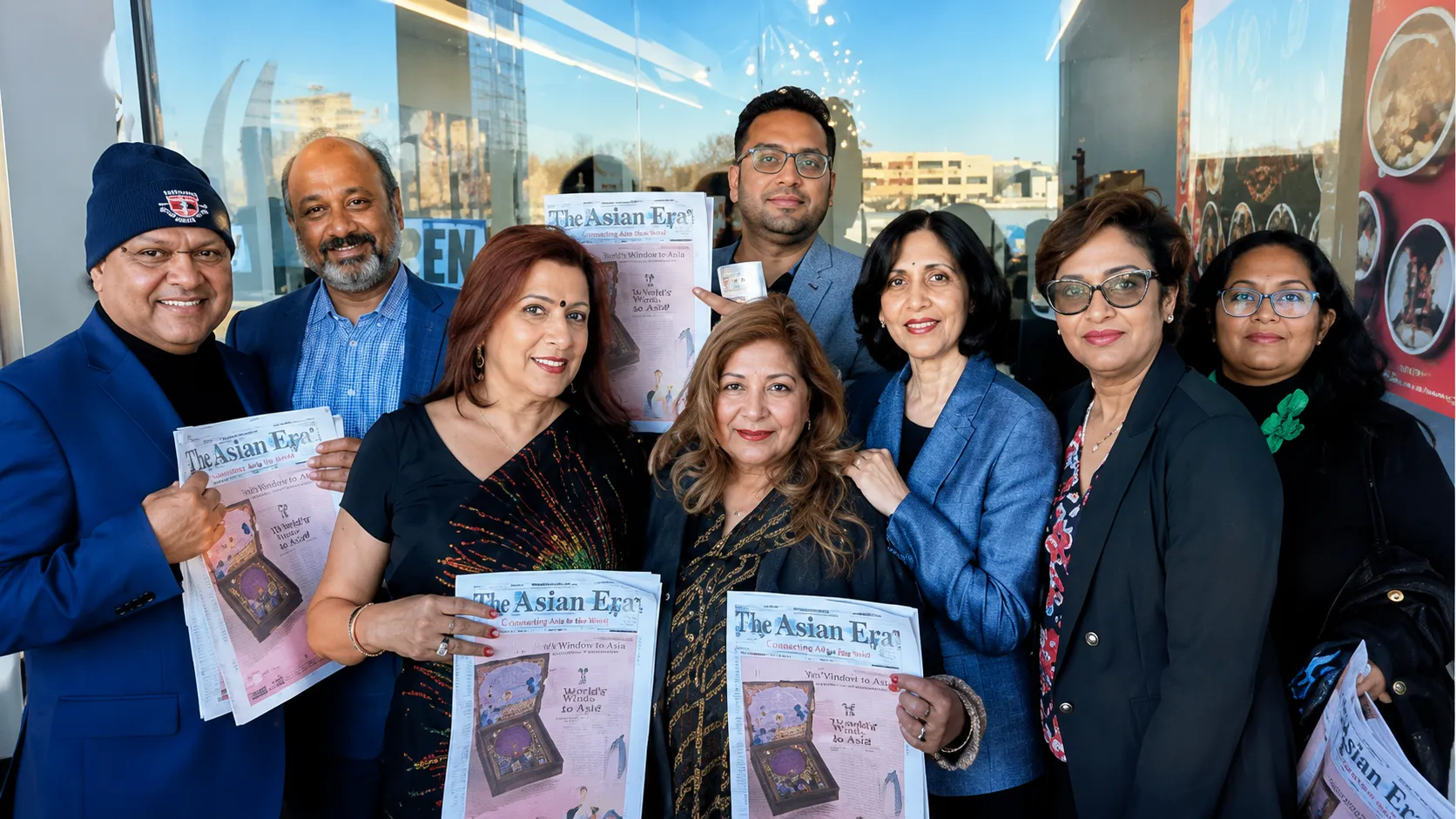
The Indian Eye News Group, among the media organisations pursuing this mission, has built a genuinely multimedia network serving Indian American communities across North America, alongside audiences in India and South America. Through daily, weekly and integrated news portal offerings, the group has consistently highlighted stories celebrating diaspora achievement while working to strengthen the broader relationship between India and the United States — with its flagship Indian Eye Weekly newspaper distributed around the world, and particularly across the United States from the East Coast to the West Coast.
A Portfolio That Spans Language, Region and Format
What distinguishes the Indian Eye Group's approach is the sheer breadth of its platform portfolio, each piece deliberately targeted at a specific linguistic or regional community within India's genuinely vast internal diversity, rather than treating "Indian American" as a single, undifferentiated audience. Radio Zindagi has become one of the most recognisable voices for South Asians across North America, broadcasting in fifteen cities and reaching listeners daily with music, news, interviews and discussions on issues affecting the community. While it serves listeners with the best in Bollywood and regional Indian music, the network functions as considerably more than an entertainment platform — informing immigrants about civic participation, education, health, business and public affairs, while also providing ongoing updates from India, creating a shared space where culture and current affairs intersect for an audience navigating both worlds simultaneously.
Bhavya Gujarat represents the group's newest platform specifically serving the Gujarati-speaking community, stepping into a role the group had previously filled for nearly 20 years through its partnership distributing Divya Bhaskar across North America. By covering local community news and events alongside developments from Gujarat and India directly, the platform aims to help preserve language, culture and tradition among generations of Gujarati Americans living abroad — while also celebrating entrepreneurs, social workers, artists and young achievers, and highlighting investment, tourism and cultural exchange opportunities between Gujarat, among India's fastest-growing states, and the United States.
Beyond Gujarati-language coverage, the group's portfolio extends to Telugu Talkies, serving Telugu-speaking audiences with entertainment, community news and cultural programming that keeps families connected to their specific linguistic heritage while promoting Telugu community achievements across technology, cinema, festivals and tradition. Jee Punjabi similarly serves Punjabi-speaking communities, covering news, culture, music, faith and community events that reflect the rich internal diversity of the Punjabi diaspora specifically, while strengthening ongoing links with Punjab through stories spanning education, business, agriculture, culture and philanthropy.
Building Toward New Formats
The group's ambitions extend beyond its existing print, radio and digital portfolio. Hali describes forthcoming Indian Eye Podcast and Television platforms designed specifically to cater to changing media consumption habits among today's audiences, offering in-depth interviews, discussions and special programming that provide space for policymakers, business leaders, diplomats, educators, artists and community leaders to exchange ideas that go meaningfully beyond typical headline-driven coverage. These planned platforms are explicitly framed around exploring the growing strategic partnership between India and the United States, alongside innovation, education, entrepreneurship and cultural diplomacy — and are specifically intended to give younger Indian Americans a dedicated space to engage with issues shaping both countries, functioning as what Hali describes as an important bridge between generations within the diaspora.
That generational bridge-building framing is worth emphasising, given how often conversations about ethnic and diaspora media focus primarily on first-generation immigrant audiences. By explicitly designing new podcast and television formats aimed at engaging younger, more digitally native Indian Americans — many of them American-born, with a meaningfully different relationship to both India and their own Indian heritage than their immigrant parents or grandparents — the Indian Eye Group is positioning itself to remain relevant across a generational transition that has proven genuinely challenging for many legacy ethnic media organisations, several of which have struggled to retain audience relevance as their original immigrant-generation readership ages.
Why This Matters Beyond Media Industry Dynamics
Hali's closing framing offers perhaps the most consequential claim in his entire reflection: that by informing, connecting and inspiring communities on both sides of the world, platforms like these strengthen people-to-people ties that often prove more enduring than government agreements alone. This is a genuinely significant claim, and one grounded in a plausible underlying logic — official government-to-government relationships between India and the United States rise and fall with electoral cycles, trade disputes and shifting geopolitical priorities, as recent tension around visa policy and tariffs has made clear. Person-to-person ties built through decades of shared cultural programming, community journalism and diaspora storytelling operate on a considerably longer, more durable timescale than any single administration's policy priorities in either country.
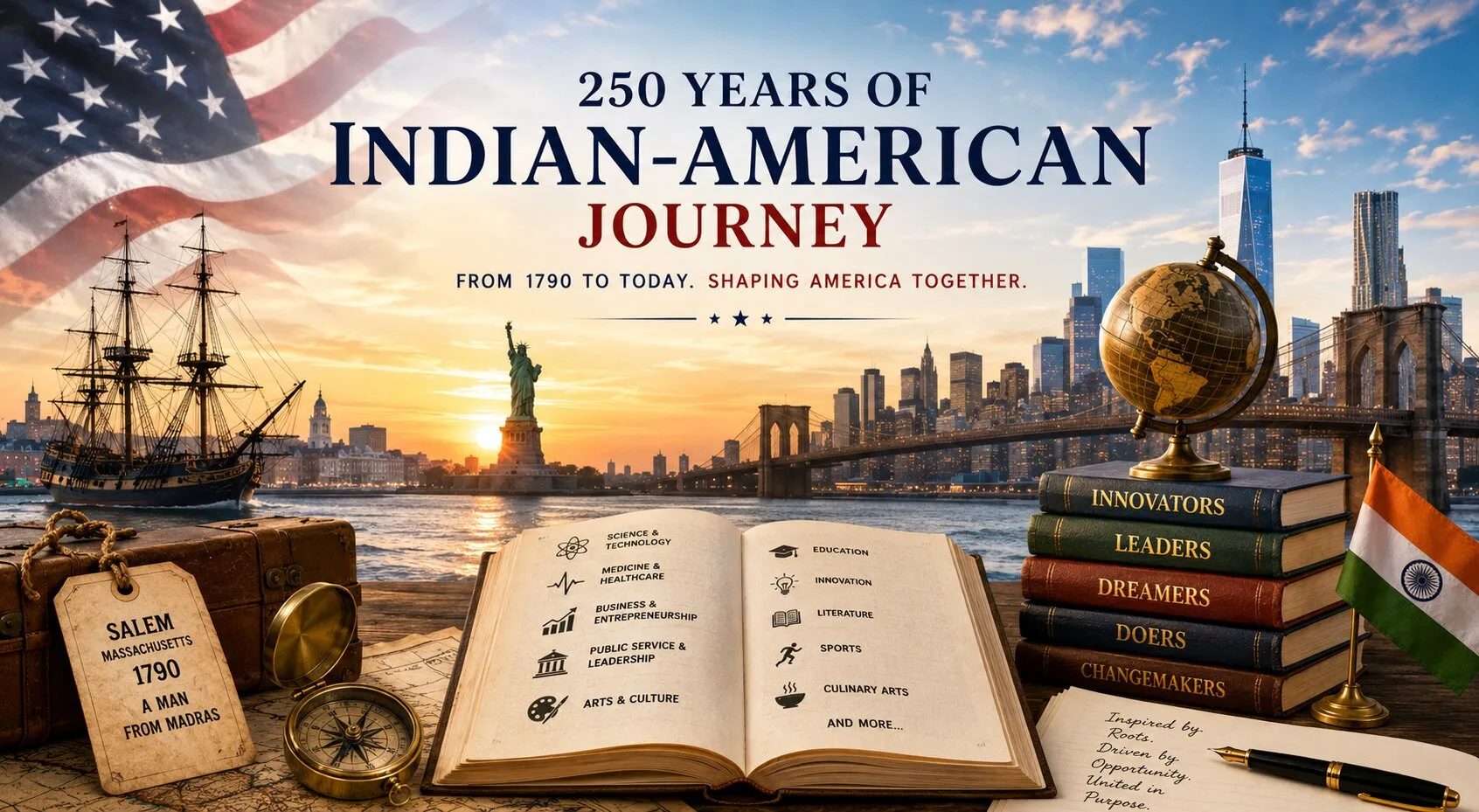
As part of its 250th anniversary coverage, the Indian Eye Group is producing a special edition chronicling the journeys of community members who have contributed to a deeper understanding between what Hali describes as the world's oldest democracy and its largest one — a framing that positions this milestone not simply as an occasion for celebration, but as an opportunity to formally document and preserve a body of diaspora storytelling that might otherwise remain scattered across decades of newspaper archives and radio broadcasts, never assembled into a coherent, accessible record of how one community has, story by story and broadcast by broadcast, helped bridge two very different nations across nearly two and a half centuries of American history — and three decades of sustained Indian American media coverage documenting exactly how that bridge continues to be built.
The Business Case Behind the Mission
It would be incomplete to treat Hali's reflection purely as a mission statement without acknowledging the genuine commercial dynamics underpinning a diaspora media network of this scale. Building and sustaining a multiplatform operation spanning print, radio, television and digital, across multiple South Asian languages and covering audiences dispersed across North America, India and South America, requires a sustainable advertising and subscription base — meaning the Indian Eye Group's continued expansion into new language-specific platforms like Bhavya Gujarat reflects not just cultural mission, but a calculated bet that India's fastest-growing diaspora communities, particularly those tied to states experiencing rapid economic growth like Gujarat, represent commercially viable audiences for advertisers seeking to reach affluent, engaged Indian American consumers with genuine purchasing power and continued ties back to specific Indian regions.
A Model Other Diaspora Communities Are Watching
The Indian Eye Group's language-and-region-specific platform strategy also offers a template that other immigrant and diaspora communities in the United States have increasingly sought to replicate, as they too grapple with the challenge of serving internally diverse populations that mainstream American media, and even broader pan-ethnic media targeting a single national origin group, often fail to reach with sufficient specificity. Rather than treating "Indian American" as a monolithic audience best served by a single generalist publication, the group's decision to build distinct platforms for Gujarati, Telugu and Punjabi-speaking communities specifically — alongside its broader Hindi and English-language coverage — reflects a recognition that India's own internal linguistic and regional diversity travels with its diaspora, and that genuinely effective diaspora media has to be built around that reality rather than around a simplified, homogenised notion of what "Indian" content means to a genuinely heterogeneous audience spanning dozens of languages and regional identities back home.
The Quiet Infrastructure Behind Diplomatic Headlines
When India and the United States sign a trade agreement, hold a bilateral summit, or navigate a period of tension over visa policy or tariffs, the coverage that dominates international headlines rarely mentions the decades of accumulated goodwill, mutual understanding and person-to-person familiarity that diaspora media networks like Indian Eye have been quietly building in parallel, story by story, for three decades. Yet Hali's closing argument — that these people-to-people ties often prove more enduring than government agreements alone — points to something genuinely underappreciated in how the broader US-India relationship actually functions: the estimated 5.8 million-strong Indian American community, and the media ecosystem that has grown up specifically to serve it, together constitute a form of soft infrastructure that persists regardless of which administration sits in New Delhi or Washington, or which specific trade dispute happens to dominate a given news cycle. As formal diplomatic relations between the two countries continue navigating genuine turbulence, that quieter, more durable layer of connection may ultimately matter more than any single summit or signed agreement.
Marking 250 Years by Looking Both Ways
There is something fitting about a diaspora media organisation choosing to mark America's 250th anniversary not simply by celebrating the country it has spent three decades covering, but by simultaneously looking back toward India — through Bhavya Gujarat's ties to Gujarat, Telugu Talkies' connection to Andhra Pradesh and Telangana, and Jee Punjabi's links to Punjab. That dual orientation, celebrating an adopted homeland's milestone while continuing to actively nurture connection to a country of origin, captures something genuinely central to the diaspora experience itself: not a binary choice between assimilation and heritage, but a sustained, deliberate practice of holding both simultaneously, generation after generation — precisely the practice Hali's entire media network has spent three decades built specifically to support, one broadcast, one newspaper column and one community story at a time — and one it shows no sign of slowing down as the next 250 years of this relationship begin to unfold, across every new platform, language and generation the group continues to add to its growing network, and every new story its journalists and broadcasters choose to tell on behalf of a community still actively writing its own chapter of the broader American story, 250 years on and counting.


