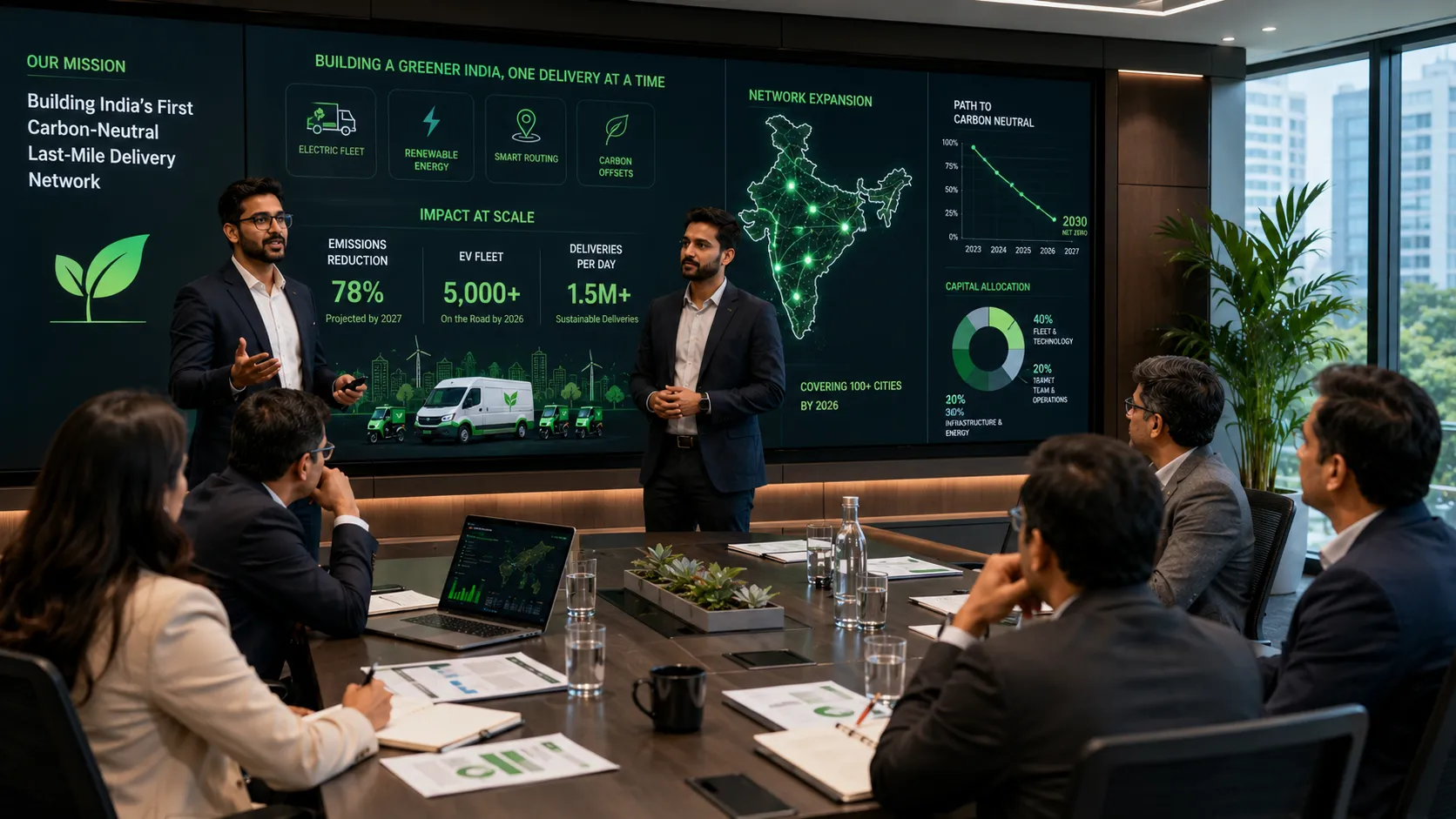
Every day, millions of delivery vehicles crisscross Indian cities, emitting carbon, stuck in traffic, and burning fuel. Last‑mile delivery accounts for 40% of logistics costs and a disproportionate share of urban emissions. Nimble, a Bengaluru‑based logistics startup, has built a technology platform that combines electric cargo vehicles, AI‑powered route optimisation, and a network of micro‑hubs to make last‑mile delivery faster, cheaper, and greener. The company has raised $20 million in Series B funding led by Lightrock India, with participation from the Climate Pledge Fund (Amazon) and existing investor Matrix Partners. The funds will be used to deploy 5,000 electric cargo vehicles (two‑wheelers, three‑wheelers, and small four‑wheelers) and 500 micro‑hubs across 15 Indian cities by 2027, with the goal of becoming carbon‑neutral by 2028.
Nimble’s platform serves e‑commerce companies, direct‑to‑consumer brands, and food delivery aggregators. Instead of each company operating its own fleet, Nimble aggregates demand across multiple clients and optimises delivery routes in real time. A single Nimble vehicle can carry packages from 10 different brands, reducing empty miles and vehicle count. The company’s AI engine considers traffic patterns, delivery windows, package size, and vehicle type to create efficient routes. In 2025, Nimble delivered 50 million packages with 30% fewer vehicles than traditional logistics, reducing CO₂ emissions by 12,000 tons. The company claims a delivery success rate of 99.2% and an average delivery time of 4 hours.
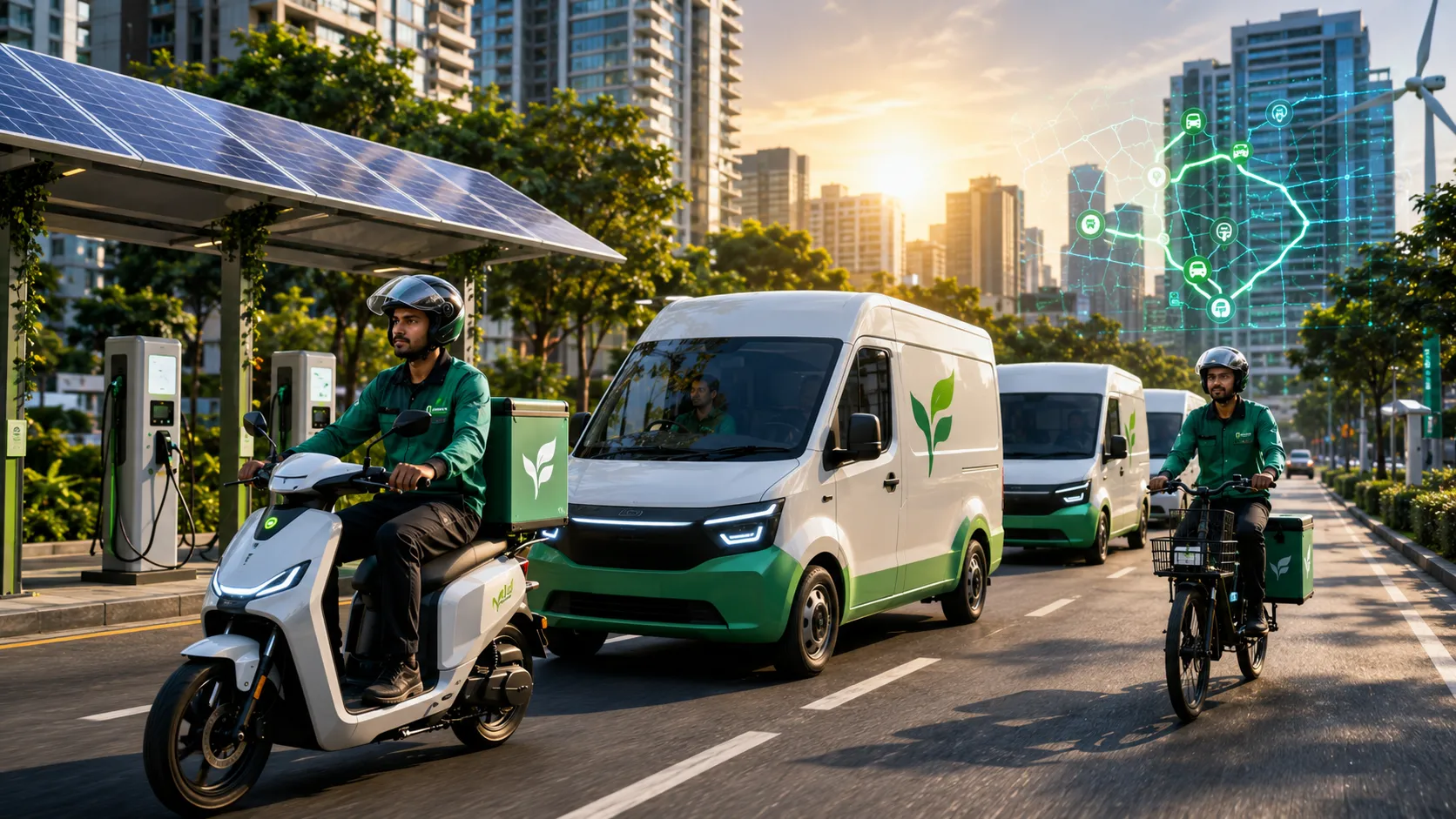
“Last‑mile delivery is broken – too many vehicles, too much carbon, too much cost,” said co‑founder and CEO Arjun Sharma, a former Uber Logistics executive. “Nimble fixes it by pooling demand, electrifying the fleet, and using AI to plan every delivery. The result is a win for the planet and a win for the bottom line.” Nimble’s clients include Myntra, BigBasket, Licious, and Mamaearth, all of which have committed to reducing their Scope 3 emissions. The startup charges a flat fee per package, which is typically 15% lower than traditional logistics providers, while offering faster delivery.
The Series B round comes as India’s e‑commerce market grows at 20% annually, driving demand for last‑mile delivery. However, urban logistics is also a major source of pollution: delivery vehicles contribute 15‑20% of PM2.5 levels in cities like Delhi and Bengaluru. The government’s Faster Adoption of Manufacturing of Electric Vehicles (FAME III) scheme provides subsidies for electric cargo vehicles, and Nimble is a certified beneficiary. The Climate Pledge Fund’s investment is strategic; Amazon has committed to net‑zero carbon by 2040 and is backing startups that can help decarbonise its supply chain. Nimble already handles a portion of Amazon’s same‑day deliveries in Bengaluru and Hyderabad.
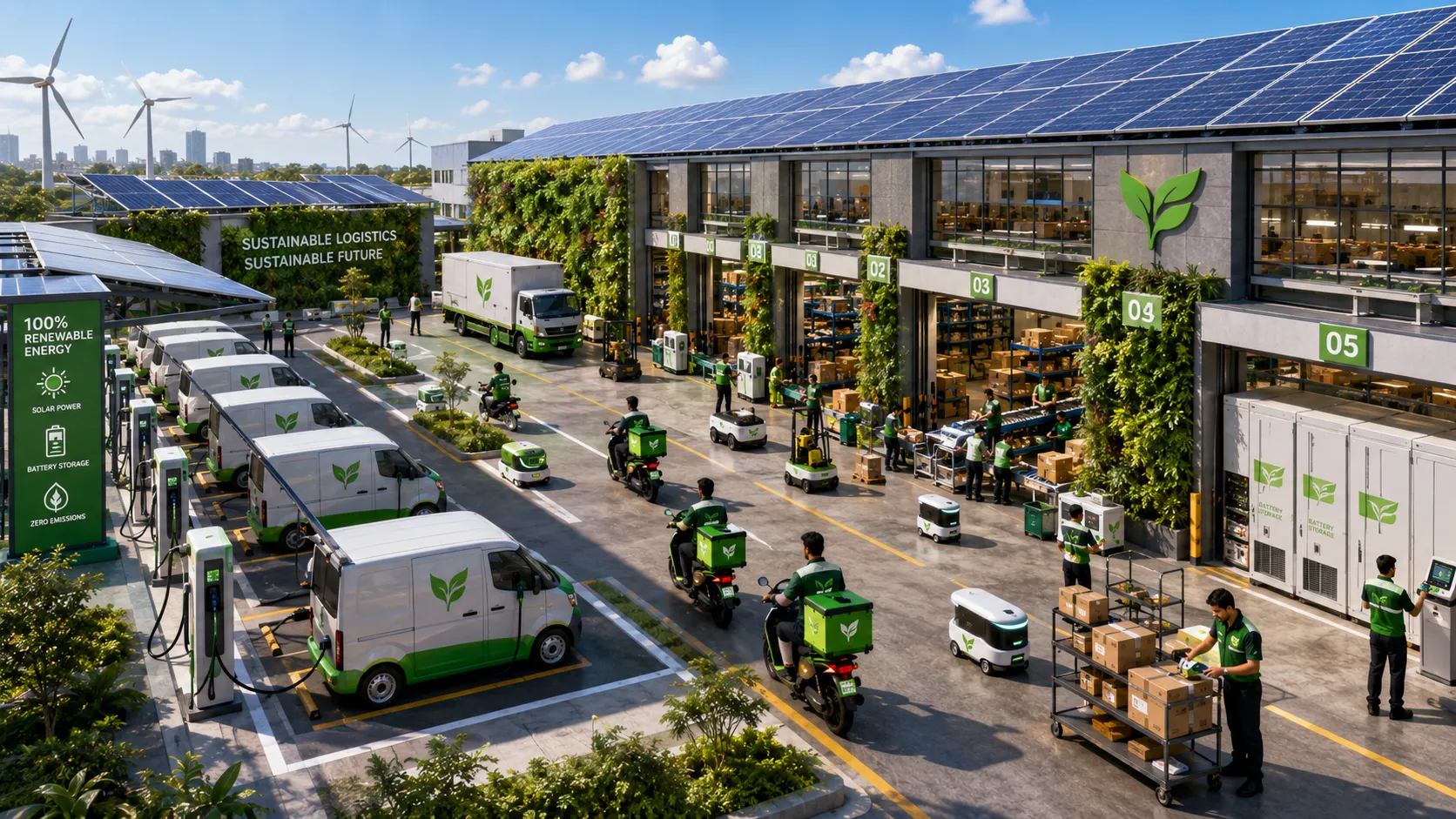
Nimble will use the funds to build its electric fleet, partnering with manufacturers like Ola Electric, Bajaj, and Euler Motors for vehicles. The company is also developing swappable battery stations to reduce downtime – a critical issue for three‑wheelers that have limited range. The micro‑hubs are small warehouses located in dense urban neighbourhoods, each serving a 5‑km radius. A typical hub can handle 5,000 packages per day, using solar panels to charge the vehicles. Nimble already operates 80 micro‑hubs across 8 cities; the new funding will expand that to 500 hubs.
Competitors include Shadowfax, XpressBees, and Delhivery, all of which are much larger but predominantly use fossil‑fuel vehicles. Nimble’s differentiation is its green focus and its asset‑light model – the company owns the technology platform and the batteries, but the vehicles are leased and the hubs are rented. This allows rapid scaling without heavy capital expenditure. The startup also has a proprietary battery swapping algorithm that predicts demand and positions batteries at hubs to minimise wait times. In pilot tests, swapping takes under 2 minutes, compared to 4 hours for charging.
The social impact extends beyond emissions. Nimble trains and employs local delivery partners, many of whom are from low‑income backgrounds. The company offers a “rent‑to‑own” scheme for electric two‑wheelers: after 18 months of deliveries, the delivery partner owns the vehicle. This has reduced driver attrition from 25% to 12%. Nimble also provides accident insurance and health checkups. “We want our delivery partners to see this as a career, not a gig,” said Sharma.
The Series B funding values Nimble at $140 million. The company expects to become EBITDA‑positive by late 2027, driven by economies of scale and falling battery costs. The unit economics are compelling: revenue per package is ₹35 ($0.42), cost is ₹30 ($0.36), giving a gross margin of 14%. As the fleet scales, fixed costs (route optimisation software, hub rent) are amortised over more packages, improving margins. Nimble projects reaching 200 million packages annually by 2029, with gross revenue of ₹700 crore ($84 million).
Nimble’s long‑term vision is to become the “default green logistics layer” for Indian e‑commerce. The company is also piloting a “reverse logistics” service for returns, which is notoriously inefficient; by consolidating returns at micro‑hubs, Nimble can reduce reverse logistics costs by 40%. It is experimenting with cargo e‑cycles for hyperlocal deliveries within 2 km, which are even cleaner than electric scooters.
For the millions of urban residents breathing polluted air, every delivery vehicle off the road matters. For the e‑commerce brands facing pressure from investors to report ESG metrics, a green logistics partner is increasingly a necessity. Nimble is positioning itself at the intersection of these trends, offering a service that is good for business and good for the planet. “Green logistics is not a premium; it is a requirement,” said Sharma. “We are proving that carbon‑neutral delivery can be cheaper than the dirty alternative. That is how we win.”