For years, Neuralink existed in the realm of science fiction – a company founded by Elon Musk that promised to connect human brains directly to computers, but delivered little more than a series of dramatic monkey demonstrations and FDA investigation headlines. That era ended yesterday. Neuralink has received expanded FDA approval to begin mass production of its N1 brain‑computer interface implant, priced at $15,000, with the first human trials scheduled for late 2026. The device, a coin‑sized chip with 1,024 electrodes, is inserted by a precision surgical robot. It is designed to allow paralyzed patients to control computers, smartphones, and eventually robotic limbs with nothing but their thoughts. The age of the cyborg has begun – not with a bang, but with a quiet regulatory filing.
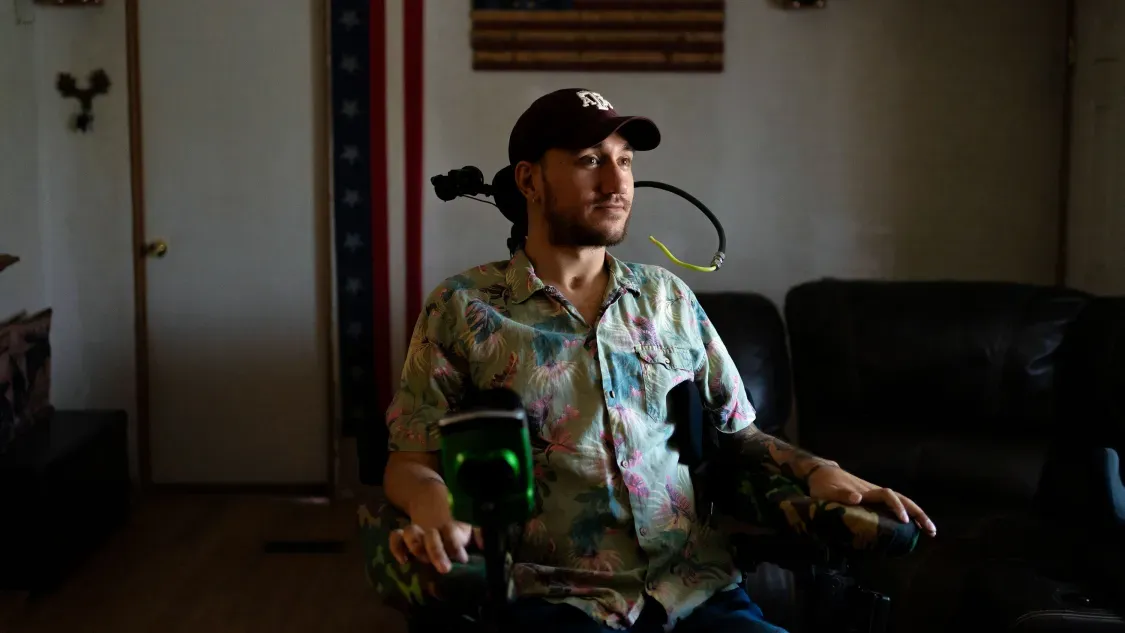
The expanded approval is a landmark. In 2024, the FDA granted Neuralink a “breakthrough device designation” for its implant, allowing limited human trials in a handful of patients with quadriplegia. Those trials, which involved five patients, demonstrated that the N1 chip could capture neural signals with sufficient fidelity to allow patients to type at 40 words per minute, play video games (a patient with ALS beat a professional gamer at Mario Kart), and control a robotic arm to pour a glass of water. The results, published in a peer‑reviewed journal in early 2026, were sufficiently compelling that the FDA waived the usual requirement for a larger trial. The device is now approved for commercial sale, subject to a five‑year post‑market surveillance study.
“This is the first time a fully implantable, high‑channel‑count brain‑computer interface has been approved for non‑research use,” said Dr. Matthew MacDougall, Neuralink’s head of neurosurgery. “Our patients have demonstrated that the device is safe, effective, and durable. We are now ready to bring it to the thousands of people who could benefit.”
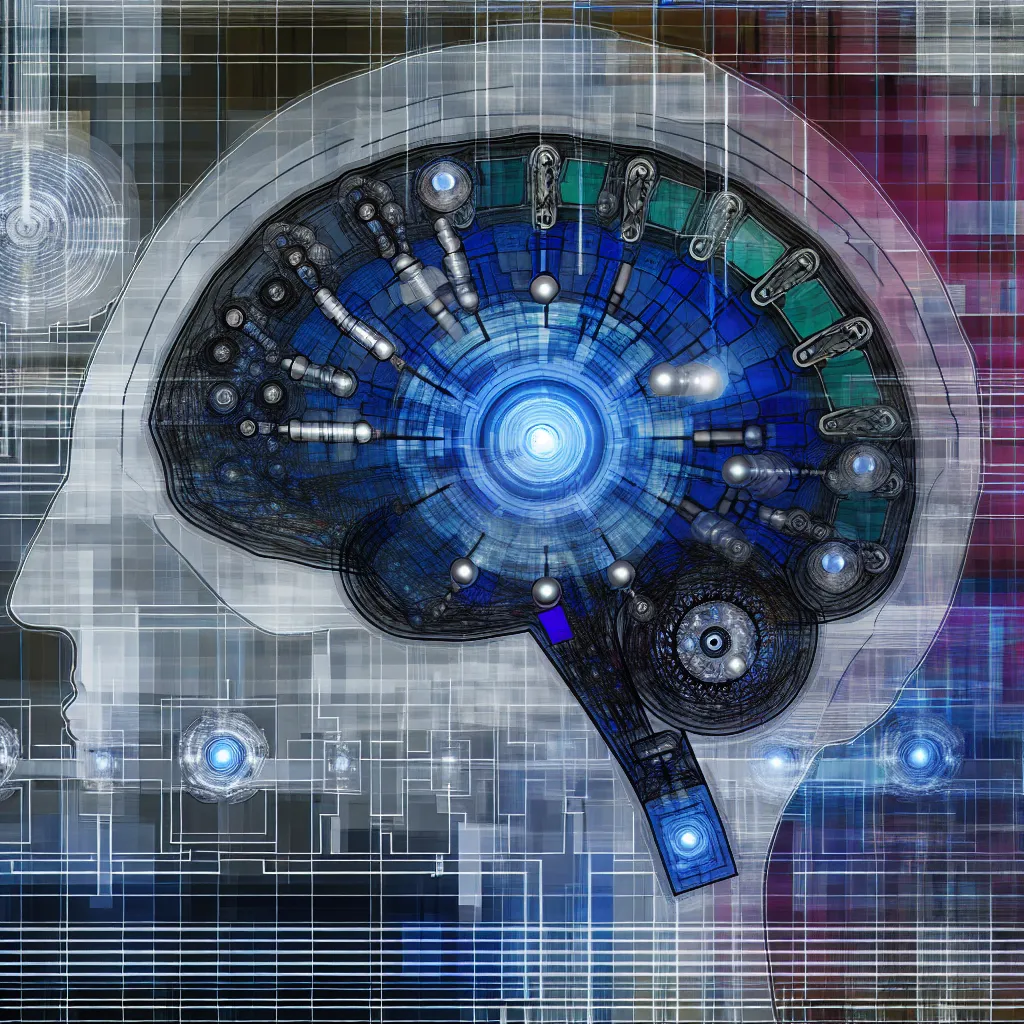
The N1 implant is a marvel of miniaturization. It measures 23 millimeters in diameter – about the size of a quarter – and is 8 millimeters thick. It contains 1,024 electrodes arranged in 64 threads, each thread thinner than a human hair. The electrodes are inserted into the motor cortex, the region of the brain responsible for movement. They detect the firing patterns of individual neurons and transmit those signals wirelessly to an external receiver worn behind the ear. That receiver, about the size of a hearing aid, connects via Bluetooth to a computer or smartphone. The entire system is powered by an inductive charging coil that recharges the implant overnight, similar to a wireless phone charger.
The surgical procedure is equally sophisticated. Neuralink has developed a robot, called R1, that performs the implantation. The robot uses computer vision to identify blood vessels on the surface of the brain and then inserts the electrode threads at precise angles, avoiding vascular damage. The entire surgery takes about two hours and is performed under general anesthesia. The first five patients all went home within 48 hours. There were no serious adverse events.
The mass production facility, located in Austin, Texas, is already running. Neuralink has invested $200 million in a 100,000‑square‑foot factory that can produce 10,000 units per month by Q1 2027. The company has also stockpiled enough components – custom chips, biocompatible polymers, and medical‑grade batteries – to assemble 50,000 units. “We learned from Tesla that scaling is the hard part,” said Musk in a private briefing with investors. “We are not going to be bottlenecked by manufacturing. When the FDA says go, we will have product on the shelf.”
The price of $15,000 is lower than many analysts expected. Traditional deep‑brain stimulation implants, used for Parkinson’s disease, cost between $20,000 and $50,000, not including surgery. The BrainGate system, a research‑only brain‑computer interface, costs over $100,000 to manufacture. Neuralink’s cost advantage comes from vertical integration: the company makes its own chips (using TSMC’s 12nm process), its own electrodes, its own robot, and its own software. “If we can get the price down to $10,000, insurance companies will cover it,” said a Neuralink executive who spoke on condition of anonymity. “At that point, the market is enormous.”
The initial market, however, is relatively small. The target population is patients with severe paralysis – quadriplegia due to spinal cord injury, locked‑in syndrome from brainstem stroke, or advanced ALS (Lou Gehrig’s disease). The World Health Organization estimates that there are 5 million such patients globally, with 200,000 new cases each year. Neuralink expects to capture about 10% of that market within five years, or 500,000 implants. At $15,000 each, that’s $7.5 billion in annual revenue – not including follow‑up services, software subscriptions, and future generations of the device.
The real prize, however, is not paralysis. Musk has repeatedly stated that Neuralink’s long‑term goal is “symbiosis with artificial intelligence” – the idea that humans must merge with machines to avoid being rendered obsolete by superintelligent AI. The N1 implant, with its 1,024 electrodes, is a first step. Future versions will have more electrodes, higher bandwidth, and bidirectional communication (not just reading brain signals, but writing them). Musk has spoken of “conceptual telepathy” – the ability to transmit a thought from one brain to another, or to upload a memory to the cloud. Those claims are met with skepticism by neuroscientists, who note that we are still decades away from understanding how memories are encoded.
The competitive landscape is heating up. Synchron, a startup backed by Jeff Bezos and Bill Gates, has an implant called the Stentrode that is inserted through the jugular vein, avoiding open brain surgery. Synchron’s device is less invasive but has fewer electrodes (only 16) and lower bandwidth. It received FDA approval for human trials in 2024 and has been implanted in 20 patients. Blackrock Neurotech, a Utah‑based company, has a Utah array (100 electrodes) that has been used in research for two decades, but the company has struggled to commercialize. Neuralink’s advantage is its electrode density and its manufacturing scale.
Ethical concerns abound. The idea of a commercial brain implant raises questions about data privacy, autonomy, and equity. Who owns the neural data that the implant records? Can a hacker take control of the device? Will insurers require patients to accept a brain implant as a condition of coverage? Neuralink has attempted to address these concerns by publishing a “patient bill of rights” that guarantees data ownership, requires explicit consent for any data sharing, and includes a hardware kill switch that the patient can activate. The company has also hired an independent ethics advisory board, chaired by a former White House bioethicist.
The five‑year post‑market surveillance study will be closely watched. The FDA has required Neuralink to track all patients for at least five years, reporting any device failures, infections, or neurological complications. The company must also submit annual reports on quality of life measures – does the implant actually improve the patient’s wellbeing? Early results from the initial five patients are positive. All five reported significant improvements in their ability to communicate and control their environment. One patient, a former architect with ALS, used the implant to design a house. “I can’t move my hands, but I can think about a line, and it appears on the screen,” he said. “It’s not as good as drawing, but it’s infinitely better than nothing.”
Skeptics note that 1,024 electrodes is still a tiny fraction of the 86 billion neurons in the human brain. The N1 implant can decode about 100 distinct commands – enough to type, click, and move a cursor, but not to restore natural movement or convey complex emotions. “This is a wonderful assistive technology,” said Dr. Leigh Hochberg, a neurologist at Brown University who leads the BrainGate consortium. “But it is not a mind‑reading device, and it is not a pathway to AI symbiosis. Let’s not get ahead of ourselves.”
Musk, as always, is ahead of himself. In the same briefing where he discussed manufacturing, he also talked about “future versions that will let you play music directly into your auditory cortex” and “eventually, saving and replaying memories.” Those capabilities are not in any roadmap, but they capture the public imagination. The result is that Neuralink has become a cultural phenomenon: a company that is simultaneously a serious medical device manufacturer and a quasi‑religious promise of transcendence.
For the patients who will receive the N1 implant over the next year, the transcendence is real but mundane. They will be able to send text messages, browse the web, and control smart home devices with their thoughts. They will gain a degree of independence that they had lost. They will not gain superpowers. But for someone who has been unable to type a single word for years, the ability to type 40 words per minute is, in its own way, a superpower.
The mass production of the N1 implant marks a transition – from speculative science to actual medicine, from laboratory curiosity to commercial product. Whether the product succeeds or fails will depend not on Musk’s grand pronouncements but on the daily experience of patients. If the device works reliably, improves quality of life, and remains safe, it will change the lives of millions. If it fails, it will be a cautionary tale of hype exceeding reality.
For now, the factory is humming, the robots are calibrated, and the first 50,000 units are waiting for orders. The age of the cyborg has not arrived in the way science fiction imagined – no laser eyes, no super strength. It has arrived in the form of a 23‑millimeter disk that fits in the palm of a surgeon’s hand. And for the patients who will receive it, that is enough.


