Mukesh Bansal — The Engineer Who Sold T-Shirts Online and Then Built India’s Largest Health & Fitness Platform
The T‑Shirt That Started It All
Mukesh Bansal grew up in a middle-class family in Uttar Pradesh. He studied computer science at BITS Pilani, then moved to the US for a master’s degree. He worked at Oracle and other tech companies, but he felt something was missing. He wanted to build something of his own.
In 2007, he quit his job and moved back to India. His first venture was a personalized gift store online. It failed. Then he noticed something: Indian men were wearing better clothes, brands were becoming status symbols, and yet no one was selling branded apparel online. Flipkart sold books; eBay sold everything but was chaotic.
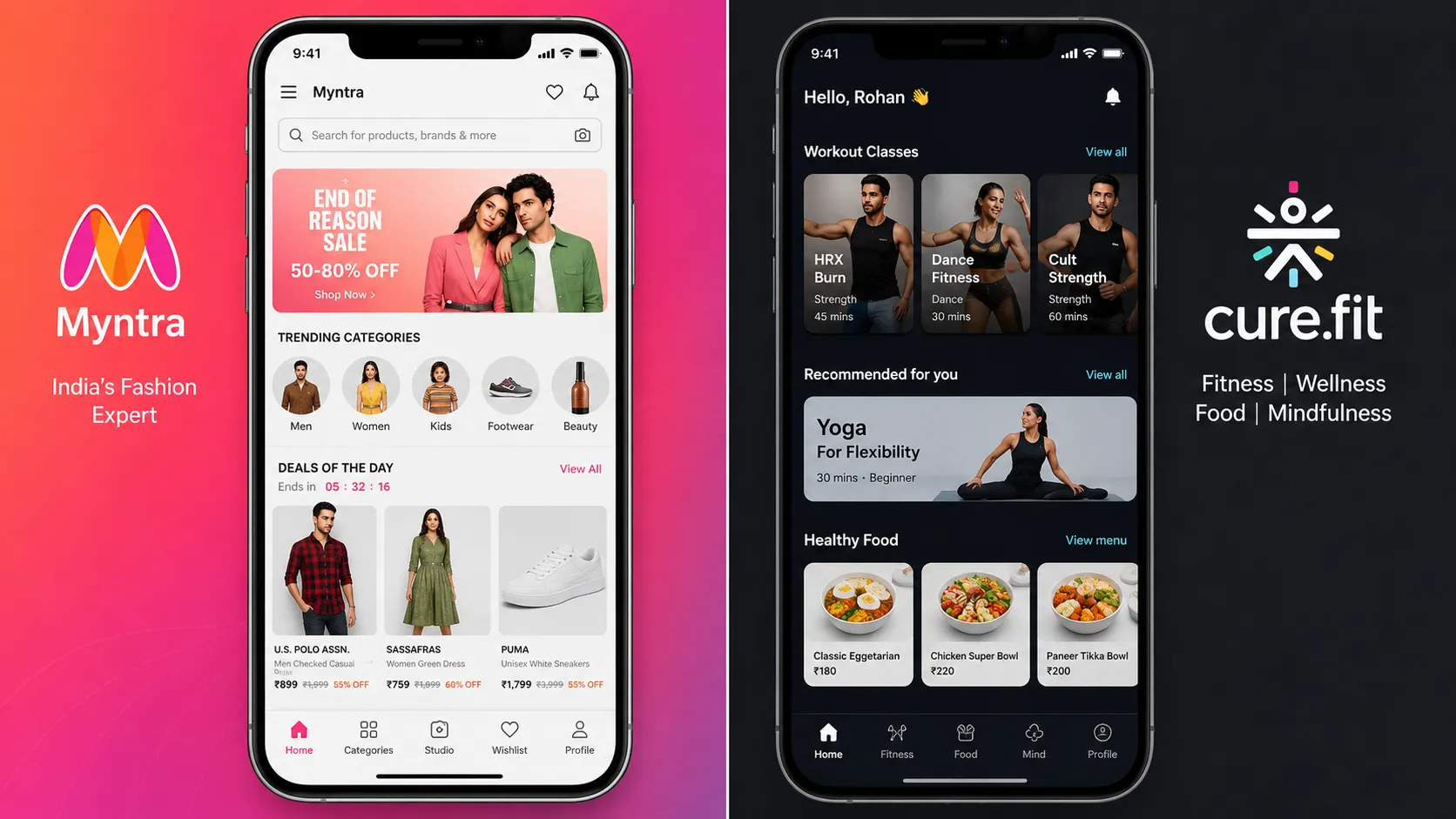
Mukesh pivoted Myntra to focus on branded clothing and accessories. He signed exclusive deals with brands like Nike, Puma, and Levis. He invested in high-quality photography and detailed size guides. He also introduced cash-on-delivery and free returns – innovations that reduced the fear of online shopping for clothes.
By 2012, Myntra was India’s largest fashion e-commerce platform. It had raised funding from Tiger Global and Accel. In 2014, Flipkart acquired Myntra for $300 million – a massive exit for Mukesh.
The Pivot to Health: Cure.fit
After the acquisition, Mukesh stayed at Flipkart for a while but soon realized he wanted to start again. He saw a new trend: urban Indians were becoming health-conscious but lacked a unified platform. You could join a gym, use a separate app for yoga, order healthy food from a third service, and talk to a therapist separately. It was fragmented.
In 2016, he co-founded Cure.fit (later rebranded to Cure.fit, with the dot as a heartbeat). The idea was a single platform for all things health: gyms (Cult.fit), yoga (Mind.fit), healthy food (Eat.fit), and mental wellness (Mind.fit again). It was ambitious – a combination of offline and online, subscription and pay-per-use.
The early years were rough. Investors were skeptical – running gyms was capital-intensive, and food delivery was competitive. But Mukesh believed that a seamless, integrated experience would create loyalty. He opened Cult gyms in premium locations, offered first-class equipment, and kept membership prices affordable. Eat.fit delivered fresh, healthy meals in reusable packaging. The app tracked progress, offered live classes, and rewarded consistency.
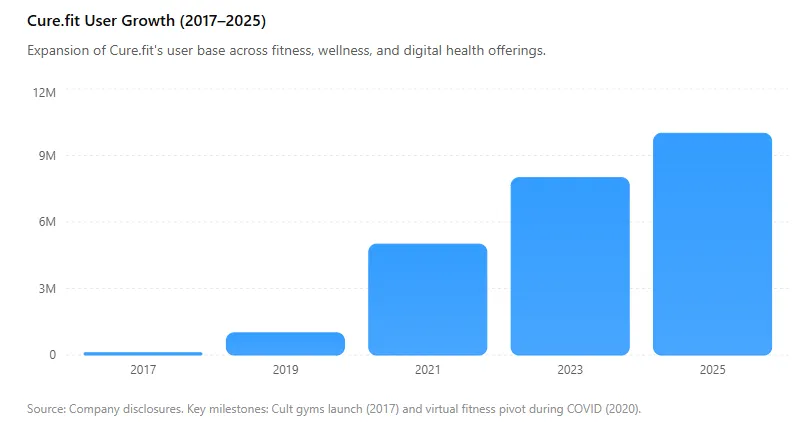
By 2020, Cure.fit had over 1 million users and was valued at over $1 billion – a unicorn. Then COVID-19 hit. Gyms closed. Eat.fit delivery slowed. Mukesh pivoted again: he launched Cult.fit Live (virtual workouts), Mind.fit live meditation sessions, and home delivery of health essentials. The platform grew even faster during the pandemic.
Today, Cure.fit has over 10 million users, operates 100+ Cult gyms across India, and is valued at over $2.5 billion. Mukesh remains CEO, focused on making health accessible to every Indian.
Leadership Philosophy: Data-Obsessed and Customer-Centric
Mukesh is known for his analytical, data-driven approach. He tracks metrics like retention rate, session duration, and net promoter score daily. He is also obsessed with customer experience – he famously used to personally respond to Myntra customer emails.
He believes in “pivoting fast.” Myntra pivoted from gifts to fashion; Cure.fit added mental wellness and food delivery based on user data. He encourages his teams to experiment, fail quickly, and learn.
He is also frugal. Cure.fit’s offices are functional, not flashy. He flies economy and avoids luxury.
Challenges and Critiques
Unit economics: Cure.fit’s gyms are expensive to run. While revenue has grown, profitability remains elusive.
Competition: Urban Company, Fittr, and even cult yoga studios compete for health-conscious customers.
Post-pandemic shift: As people return to offices and social life, virtual workouts have declined. Cure.fit is balancing offline and online.
Eat.fit profitability: Food delivery margins are thin. Cure.fit has scaled back Eat.fit to focus on key geographies.