India's Daily-Essentials Market Is Mostly Unorganised. Doodhvale Farms Is Building the Brand That Changes That.
Every morning, across hundreds of millions of Indian households, the same question plays out in some form. Is this milk adulterated? Is this ghee pure? Is this oil actually cold-pressed? The answers are usually not available. The food India trusts most — the milk its children drink, the ghee it uses in its dal, the oil it cooks with every day — arrives through supply chains that are opaque, fragmented, and largely unorganised. Most Indian families settle for less without knowing exactly what less means.
Doodhvale Farms was founded in 2015 in Delhi on the premise that this should not be the case. That a vertically integrated farm-to-home dairy and daily-essentials brand could give Indian families the transparency, the quality assurance, and the freshness that the unorganised market structurally cannot provide.
On July 8, 2026, the company announced it had raised an additional $1 million from its existing lead investor, Atomic Capital Fund I — a follow-on investment that reflects the investor's deepening conviction in what the company has built in the year since the $3 million Series A that Atomic Capital co-led in November 2024.
Total capital raised across all rounds: approximately $4.1 million.
What Doodhvale Farms Actually Is
Doodhvale Farms was founded by Sudhir Jain, Aman J Jain, Ishu Jain, and Sanjay Jain — a family-rooted founding team whose operational involvement from the farm level up is reflected in the product and supply chain architecture they have built.
The company describes itself as a vertically integrated platform for fresh dairy and daily essentials. In practice, that means owning and controlling the supply chain from livestock feed through milk production, processing, packaging, and last-mile delivery — rather than aggregating milk from multiple collection centres whose sourcing standards and quality can vary significantly.
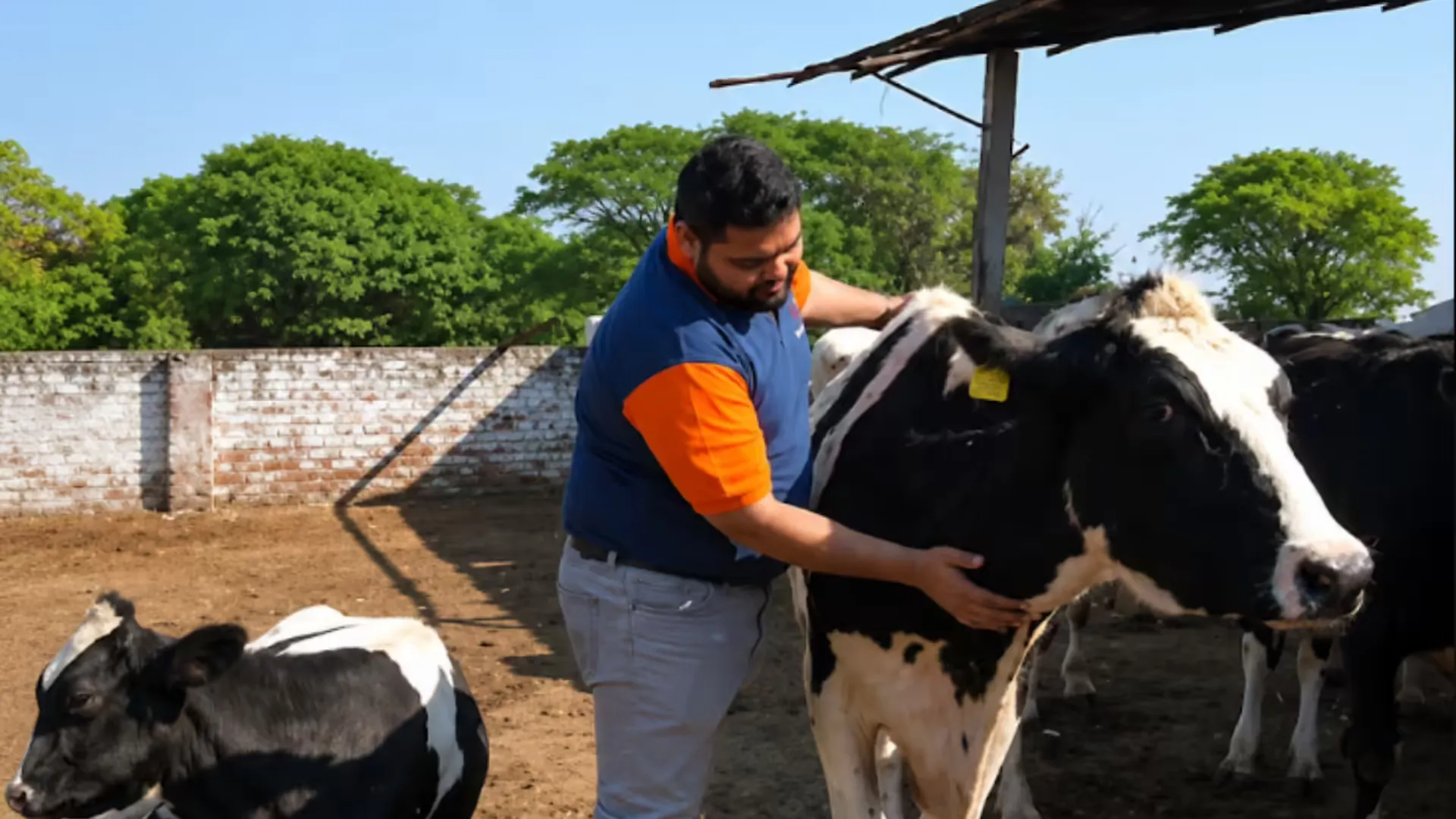
Milk comes from a single source — a livestock farm rather than a village-level collection network. This allows the company to control everything from the feed given to cattle to the temperature at which milk and other products are stored and transported. The result is milk that is adulteration-free and antibiotic-free — a claim that is significantly harder to verify across a fragmented supply chain than it is from a vertically integrated one.
The product range has expanded well beyond milk. Fresh daily essentials — paneer, khoya, butter, ghee, dahi, and more — form the core dairy offering. The company is also tackling what CEO Aman J Jain describes as India's protein gap: a range of household protein products for a country where protein deficiency is widespread but affordable, trustworthy protein-rich food products are not. Non-perishable daily staples — wood-pressed oils and atta — ship across India, while fresh products are delivered daily to homes in Delhi-NCR, Chandigarh, Ambala, Karnal, and Meerut.
The app-based subscription model, through which customers receive fresh products delivered to their homes on a daily basis, is the distribution architecture that makes the freshness promise deliverable. More than 100 SKUs are available across the platform.
The Growth That Made Atomic Capital Back Them Again
The rationale for a follow-on investment is different from the rationale for an initial investment. The initial investment is a bet on potential. The follow-on is a bet that the potential is being realised — that the metrics from the months since the first cheque justify putting more money behind the same team and the same model.
The metrics from Doodhvale Farms are specific. Overall revenue grew approximately 65 per cent in the current year. D2C revenue grew nearly 2 times. The company has been EBITDA profitable for three consecutive years — a statement of unit economics discipline that most D2C food companies at this stage cannot make. City expansion is planned, with more cities to be added to the fresh delivery network.
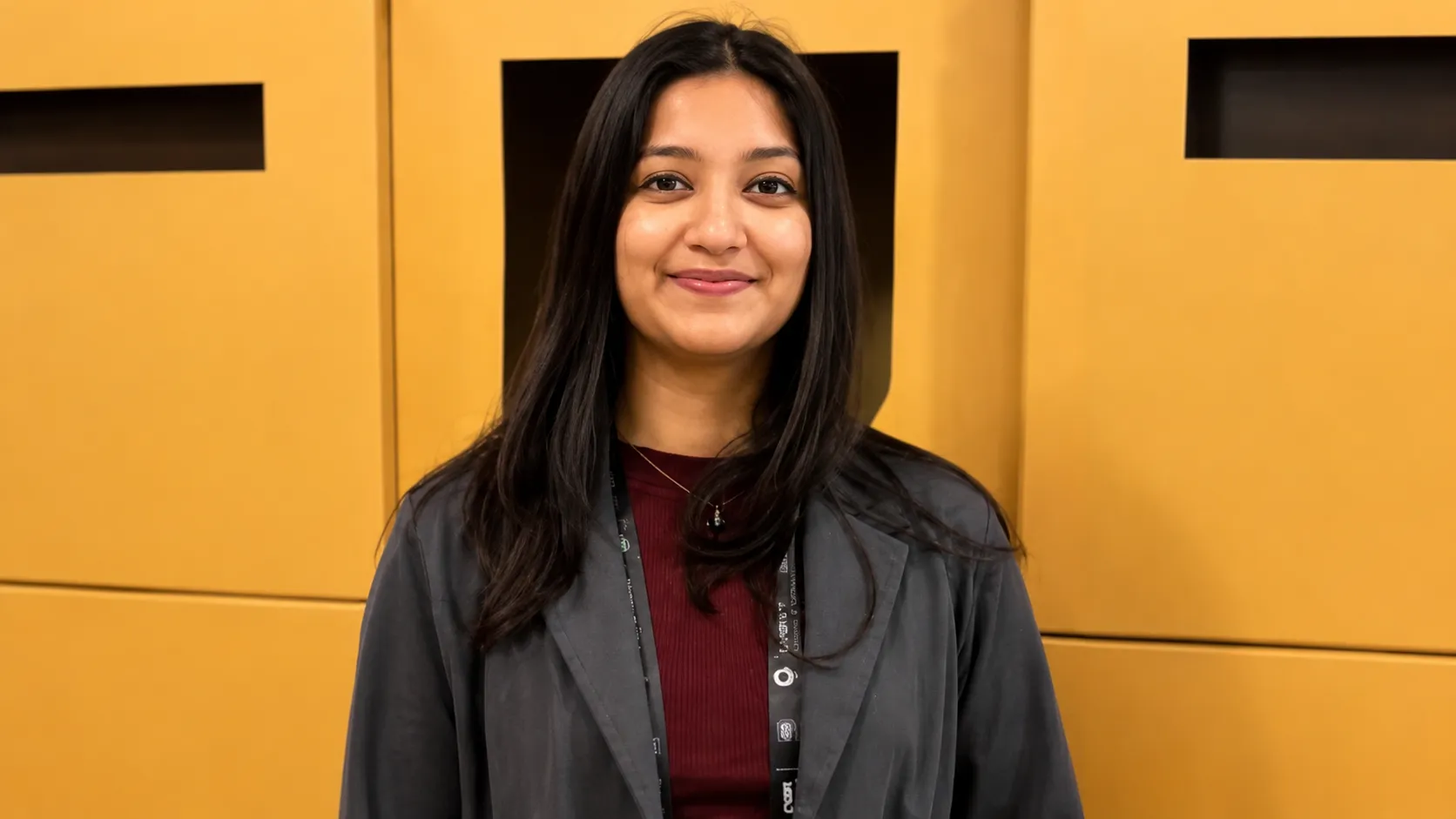
Apoorv Gautam, Founder and Managing Partner of Atomic Capital Fund I, described the follow-on conviction in terms that go beyond the financial metrics. The team, he said, has demonstrated a rare ability to scale rapidly while maintaining strong unit economics, capital efficiency, and contribution-level discipline. This follow-on investment reflects the firm's deepening conviction in the company.
That combination — scale and discipline simultaneously — is specifically rare in the Indian daily-essentials and dairy category, where growth typically comes at the cost of margin as companies spend aggressively on customer acquisition and fulfilment before the unit economics are ready to support it. Doodhvale's three consecutive years of EBITDA profitability, maintained through rapid growth, is the specific financial quality that justifies the Atomic Capital conviction.
What the $1 Million Will Do
The capital deployment plan is specific and sequenced. Market expansion means adding cities to the fresh delivery network — bringing the vertically integrated farm-to-home model to households beyond the current five-city footprint. Deeper channel penetration means growing within the existing cities, reaching more households in the pin codes already served and improving the retention and frequency metrics that determine the long-term value of a subscription dairy customer.
Product innovation means extending the protein range and the daily-essentials portfolio — adding new products that serve the same household across more categories, deepening the daily relationship with customers who are already receiving fresh milk and are natural candidates for the ghee, oil, atta, and protein products the brand is building.
AI and technology investment is the fourth deployment category — using technology to make honest food more affordable, as Aman Jain has described it. In a vertically integrated food business, the opportunities for AI to reduce waste, optimise routing, improve demand forecasting, and personalise the subscription offering are substantial. A dairy brand that can predict what a household will need before the customer needs to reorder, that can route deliveries more efficiently, and that can reduce spoilage across the fresh supply chain has meaningfully better economics than one that cannot.
The aim is to more than double the business over the next 12 to 18 months while strengthening unit economics — a combination that requires both the growth investment and the operational discipline that the company's track record suggests it can maintain.
Why the Market Makes This a Reasonable Bet
India's daily-essentials market is one of the largest consumer categories in the country and one of the least organised. The competition that Doodhvale faces — Amul, Mother Dairy, Country Delight, Sid's Farm, Akshayakalpa — spans the full range from national cooperative giants to venture-backed startups, each addressing some aspect of the quality and freshness problem that the unorganised market creates.
What Doodhvale's positioning offers that most competitors do not is the specific combination of vertical integration from the farm level, a single-source supply chain with documented quality standards, EBITDA profitability, and a product expansion into protein and daily staples that creates a broader household relationship than a pure dairy brand can build.
The India protein gap that the brand is now addressing — a market where most households consume significantly less protein than the recommended daily intake, and where trustworthy, affordable protein products are difficult to source — represents an extension opportunity that emerges naturally from the existing customer relationship. A household that trusts Doodhvale for milk trusts it for the protein powder that goes in the morning smoothie.
Aman Jain articulated the founding ambition with the directness that the investment decision reflects. Every day, he said, Indian families settle for less in the food they trust most, from milk to the protein their children need. Doodhvale Farms exists to end that compromise. Atomic backed the conviction early, and this round is them doubling down on it.
The capital lets the brand reach more homes, widen its protein and essentials range, and use technology to make honest food more affordable. This was never just about milk. It is about becoming part of how Indian households eat every day, without trading away quality to do it.


