Kunal Bahl & Rohit Bansal — From a Failed Startup to India’s Most Successful Angel Investors
The Failure That Taught Them Everything
Kunal Bahl and Rohit Bansal were childhood friends from Delhi. Both studied at the Wharton School of the University of Pennsylvania. After graduation, Kunal worked at Microsoft, Rohit at Capital One. In 2007, they both quit their jobs and returned to India to start a social commerce platform called Exclusively.in — a site where people could buy and sell luxury goods. It failed within a year. They had misjudged the market; Indians weren’t ready for luxury e-commerce.
But instead of giving up, they analyzed what did work. People loved deals and discounts. So they pivoted to a daily deals site, called it Snapdeal, and launched in 2010. The timing was perfect. India’s e-commerce market was exploding, and Flipkart and Amazon were still focused on books and electronics. Snapdeal sold everything — from mobile phones to fashion to home goods — at heavy discounts. Within two years, Snapdeal was processing $1 billion in sales.
The Rise: From Deals to Marketplace
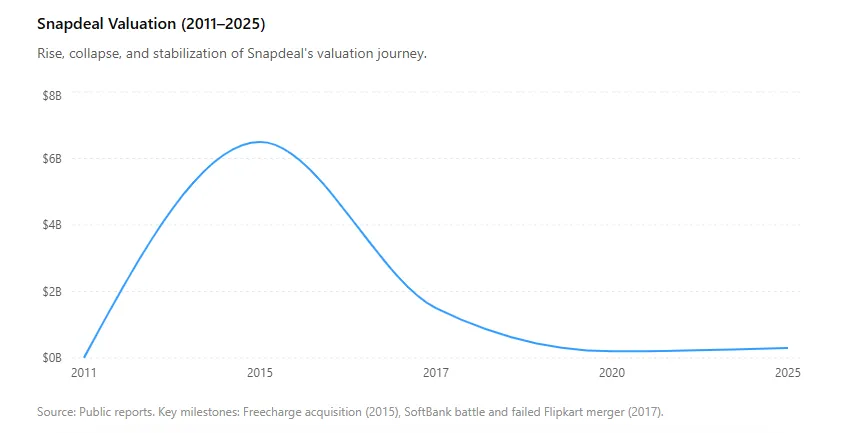
Snapdeal raised money from top investors — Nexus Venture Partners, SoftBank, Alibaba, and Foxconn. By 2015, Snapdeal was valued at $6.5 billion, making it India’s third-largest e-commerce company. Kunal and Rohit were hailed as visionaries. They hired thousands of employees, launched Snapdeal Wallet, and acquired smaller startups like Freecharge (a digital payments company) for $400 million.
The office was extravagant — a massive campus in Gurugram with a gym, salon, and gourmet cafeteria. The founders traveled by private jets. They believed they could challenge Flipkart and Amazon by being the “value player” — offering the lowest prices.
But cracks were forming. Amazon had entered India in 2013 and was investing billions. Flipkart raised even more. Snapdeal’s model — heavy discounting, low margins, and high customer acquisition costs — was unsustainable. By 2016, Snapdeal was losing over ₹1,000 crore a year. SoftBank, its largest investor, demanded a merger with Flipkart. Kunal refused, leading to a boardroom battle.
The Fall: Near-Death Experience
In 2017, Snapdeal was on the verge of collapse. It had burned through $2 billion in cash. Revenues were flat. Employee morale was low. Kunal finally agreed to a merger with Flipkart, but the deal fell apart at the last minute because of disagreements over valuation. SoftBank withdrew support. Snapdeal laid off 80% of its workforce, shut down most of its verticals, and retreated to a smaller office.
Kunal later described this period as “the most humbling experience of my life.” He and Rohit decided to restart from scratch. They raised a small round of funding from former investors, cut costs ruthlessly, and pivoted Snapdeal to a smaller, profitable e-commerce platform focused on value-conscious customers. By 2020, Snapdeal was profitable, though its valuation had dropped to under $500 million.
The Reinvention: Titan Capital and Angel Investing
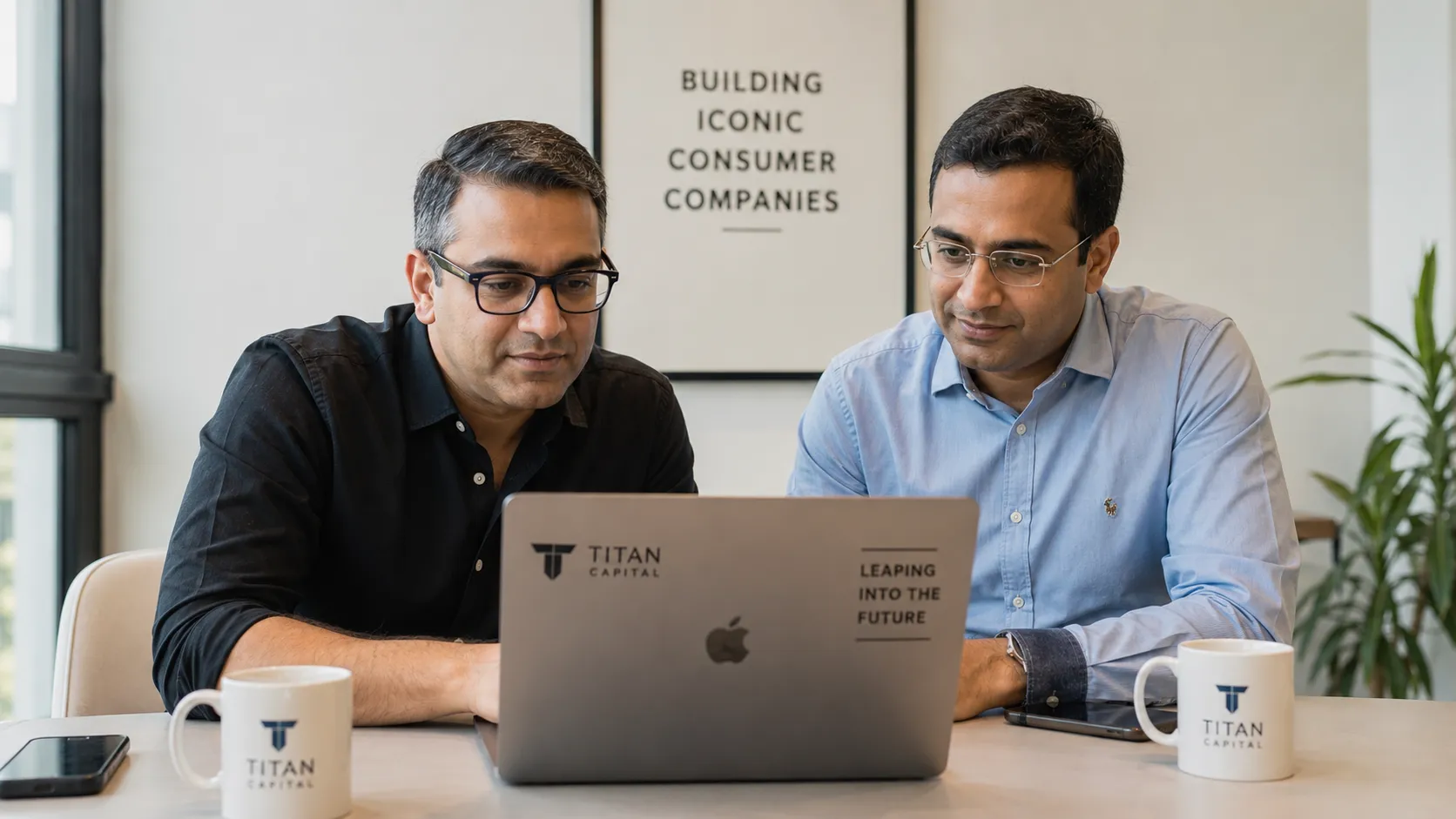
While rebuilding Snapdeal, Kunal and Rohit started writing small checks to other founders. They had learned so much from their failures — what not to do — and wanted to share that knowledge. They set up Titan Capital, a family office that invests in early-stage startups.
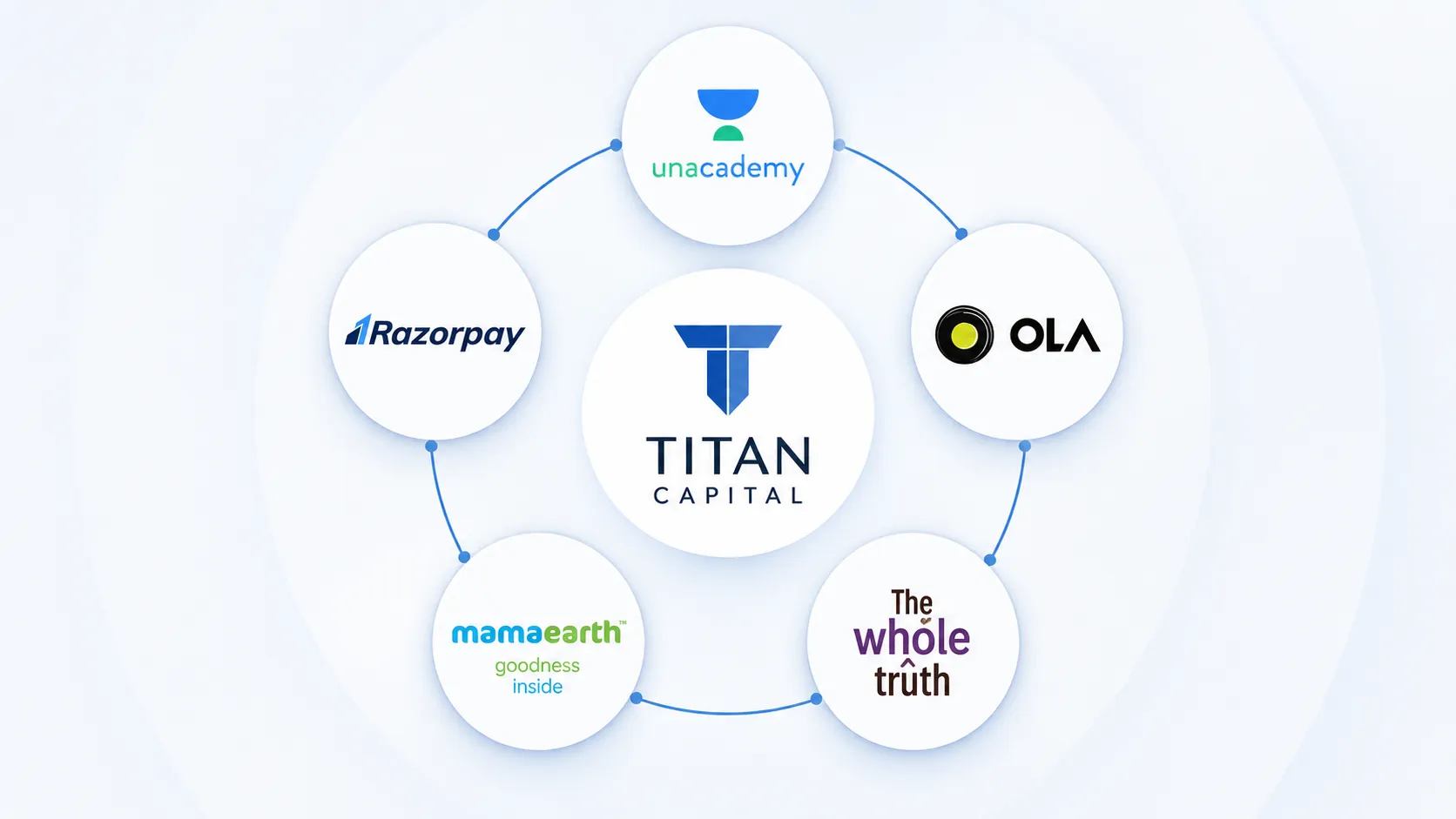
Their investment philosophy is simple: back founders who are solving real problems, not chasing hype. They invest small amounts (₹50 lakh to ₹5 crore) and take a hands-off approach, offering mentorship only when asked. Their portfolio now includes over 200 startups, many of which became unicorns:
Unacademy (edtech)
Ola (mobility)
Razorpay (fintech)
Mamaearth (D2C)
The Whole Truth (D2C)
Bluestone (jewellery)
Kunal also became a mentor on Shark Tank India, where his sharp, practical advice earned him respect. Rohit, more introverted, focuses on deal evaluation and strategy behind the scenes.
Leadership Philosophy: Humility and Pattern Recognition
Kunal and Rohit’s leadership style is the opposite of their Snapdeal days. They are now frugal, humble, and data-driven. Kunal often says: “Our biggest asset is our network of founders. We help them avoid the mistakes we made.”
Their key lessons:
Don’t grow too fast. Snapdeal’s hyper-growth masked problems.
Unit economics matter more than GMV. Discounting without profit is just charity.
Founders need to stay in control. SoftBank’s pressure nearly destroyed them.
Failure is data. Every failed startup teaches you what doesn’t work.
Challenges and Critiques
The Freecharge disaster: Snapdeal overpaid for Freecharge and later sold it at a huge loss. Critics say Kunal’s ego led to the acquisition.
SoftBank relationship: The boardroom battle with SoftBank’s Nikesh Arora was messy and public. Kunal has since repaired the relationship.
Titan Capital’s returns: While the portfolio is impressive, the actual cash returns are private. Some argue that Titan’s success is more about timing (investing early) than skill.
Kunal’s public persona: Some founders find him intimidating on Shark Tank. He admits he can be blunt but says it’s for their own good.