Kriti Sanon — From National Award-Winning Actor to Strategic D2C Investor and Builder
The National Award Winner Who Wanted More Than a Trophy
In 2023, Kriti Sanon won the National Film Award for Best Actress for her role in Mimi. It was the pinnacle of her acting career. But instead of signing a dozen new films, she did something unexpected: she quietly started building a business portfolio.
Kriti had watched her contemporaries—Ranveer Singh, Deepika Padukone, Alia Bhatt—move beyond endorsements into equity and ownership. She wanted the same. But she didn’t want to simply write a cheque and pose for photos. She wanted to be hands‑on. She wanted to understand product development, supply chains, and customer acquisition.
In 2024, she co‑founded Hyphen, a D2C beauty and skincare brand. The name reflects her philosophy: connecting the gap between what consumers want and what the market offers. Hyphen launched with a range of serums, moisturizers, and face masks, all formulated with clean ingredients and priced for the premium‑but‑accessible segment.
Unlike many celebrity brands that license a name to a third party, Kriti is a genuine co‑founder. She attends product development meetings, tests formulations on herself, and provides input on packaging. She also invested her own capital alongside external investors.

Hyphen’s Early Success
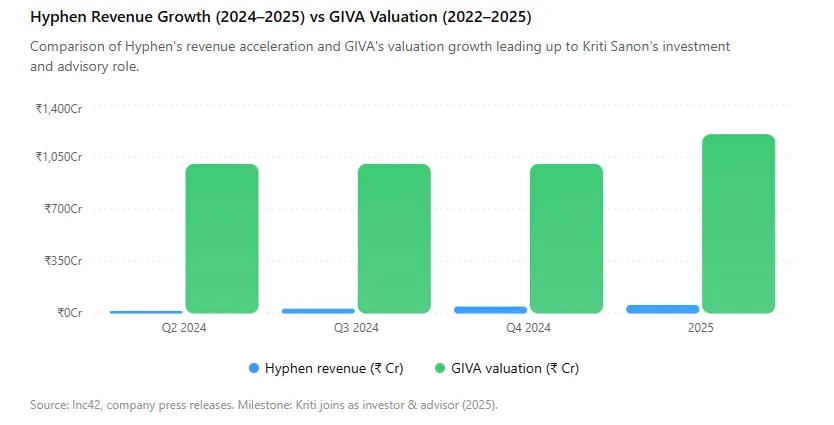
Hyphen launched in April 2024 with a direct‑to‑consumer website and a presence on major e‑commerce platforms. The first month saw over ₹5 crore in sales—impressive for a new brand in a crowded category. By the end of 2025, Hyphen had crossed ₹50 crore in annual recurring revenue and had turned profitable at the contribution level.
The brand’s hero product is a vitamin C serum, priced at ₹1,299. It uses a patented encapsulation technology that keeps the vitamin C stable longer. Kriti personally demonstrated the product in a series of Instagram Reels, showing her own skincare routine. The authenticity resonated.
Hyphen has since expanded into body care, hair care, and even a limited‑edition lipstick line. The company raised a ₹25 crore seed round from a consumer‑focused VC fund in early 2026, valuing the brand at ₹300 crore. Kriti remains the largest individual shareholder outside the institutional investors.
The GIVA Investment: More Than Just a Cheque
In 2025, Kriti announced her investment in GIVA, a D2C jewellery brand specializing in silver and gold‑plated pieces. GIVA had already raised over $40 million from investors like Sixth Sense Ventures and had become a category leader in affordable, trendy jewellery.
Kriti’s investment was not just financial. She took on a strategic role, joining the brand’s advisory board. Her responsibilities include:
Creative direction: She provides input on new collections, ensuring they align with her style and her audience’s preferences.
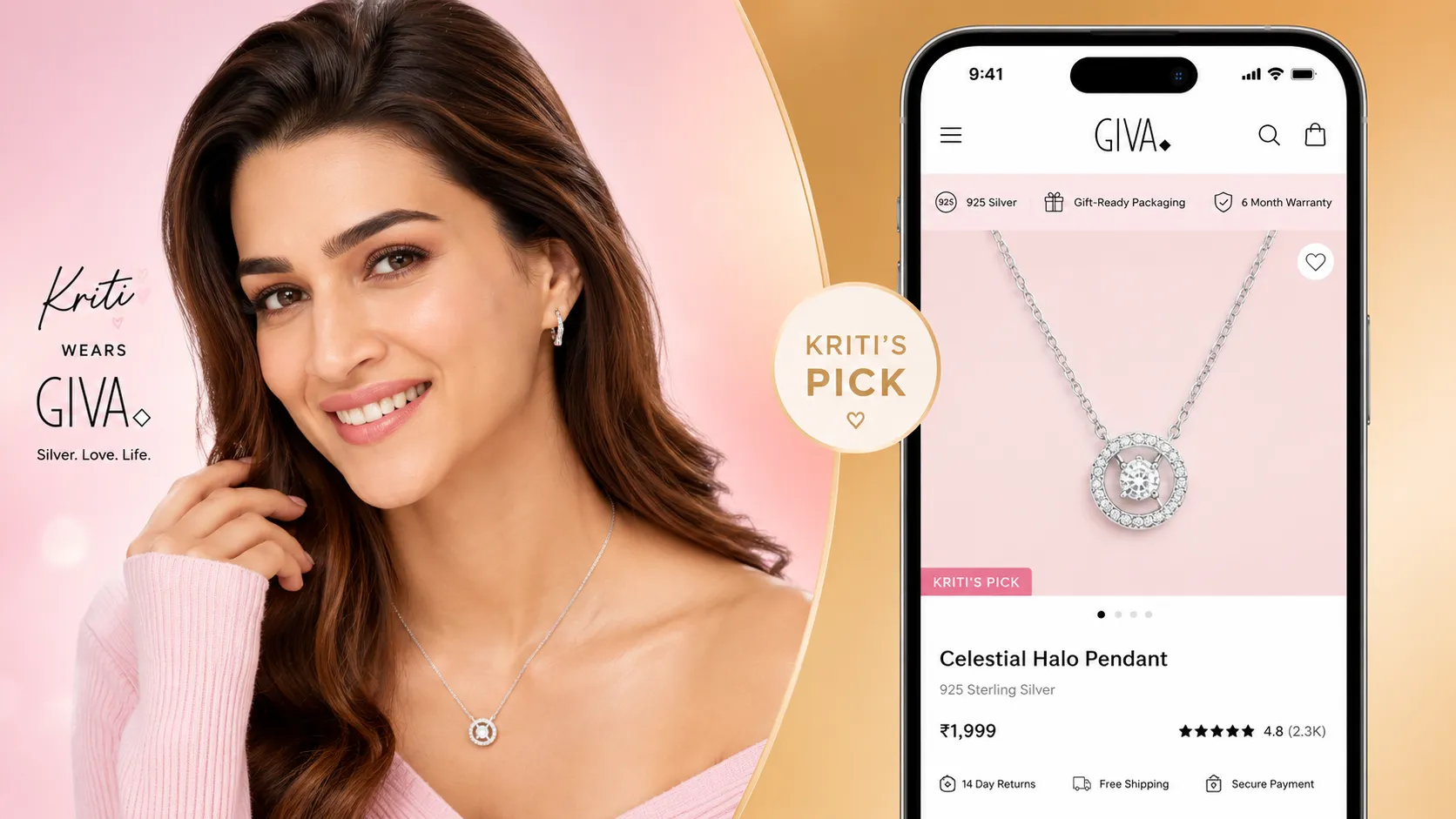
Campaign ideation: She appears in GIVA’s ads, but she also helps script and conceptualize them.
Product feedback: She wears GIVA pieces at public events and shares honest feedback with the design team.
In return, she received a significant equity stake (estimated 1–2%) and an annual fee for her advisory role. GIVA’s valuation at the time of her investment was around ₹1,200 crore. If the brand continues to grow, her stake could be worth ₹20–30 crore in a few years.
The partnership has been mutually beneficial. GIVA reported a 35% increase in website traffic and a 20% boost in conversion rates after Kriti’s first campaign. Her Instagram followers, who trust her taste in fashion, drove the surge.
The Economics of a Strategic Celebrity Investment
Why do brands like GIVA give equity to celebrities? The math is compelling. A traditional endorsement deal might pay Kriti ₹3–5 crore for a one‑year contract. The brand gets visibility, but the relationship ends. With equity, the brand aligns Kriti’s incentives with its own success. She becomes a genuine advocate, not just a paid spokesperson.
For Kriti, equity is a bet on the brand’s long‑term growth. If GIVA becomes a ₹5,000 crore brand in five years, her stake could be worth ₹100 crore—far more than any endorsement fee. Plus, she retains the flexibility to work with non‑competing brands.
Critics argue that celebrities get unfair deals—equity at a discount that ordinary investors can’t access. But brands counter that a celebrity’s platform is a unique asset. Without Kriti, GIVA might not have seen that 35% traffic spike. The premium is justified.
Balancing Acting and Business
Kriti still acts. In 2025, she had two releases: a romantic comedy and a thriller. But she now structures her shooting schedules to leave time for business. She has a dedicated team: a business manager, a legal advisor, and an operations person who coordinates with Hyphen and GIVA.
She has also hired a head of brand strategy for her personal portfolio, someone who evaluates new investment opportunities. She reviews term sheets, attends board meetings, and even travels to factories occasionally. This is not a passive side hustle—it’s a parallel career.
In interviews, she has said: “Acting is my first love. But I want to build things that outlast my films. A successful brand can live for decades.”
What’s Next for Kriti Sanon?
Industry insiders say Kriti is exploring two more investments:
A health‑food brand focused on clean protein powders (targeting her fitness‑conscious fan base).
A sustainable fashion label (in line with her personal preference for eco‑friendly clothing).
She is also rumored to be in talks with a venture studio to co‑launch a fund focused on women‑led D2C startups. The fund would write small cheques (₹50 lakh–₹2 crore) and provide strategic support.
If successful, Kriti could become the template for a new kind of celebrity entrepreneur—one who doesn’t just endorse but actively builds and invests.
Challenges and Critiques
Kriti’s business journey hasn’t been flawless. Hyphen faced supply chain issues during its first Diwali sale, leading to shipping delays. Customers complained on social media. Kriti issued a public apology and the company offered discount vouchers to affected customers.
Some fans have accused her of “selling out”—too many ads, too much promotion. She has responded by limiting sponsored posts and focusing on products she genuinely uses.
There is also the risk of overextension. If she takes on too many brands, her credibility may dilute. She has said she will invest in no more than four companies at a time.