Krish Subramanian — The Subscription Billing Unicorn That Put Chennai on the Global SaaS Map
The Subscription Economy’s Back Office
In 2011, the subscription business model was just gaining traction. Companies like Netflix (streaming), Spotify (music), and Freshworks (SaaS) were moving from one‑time licenses to recurring payments. But the software to manage subscriptions — billing at scale, handling failed payments, prorating upgrades/downgrades, and recognizing revenue — was either non‑existent or painfully manual.
Krish Subramanian, a Chennai‑born engineer with a degree from Anna University, saw this gap while working at a small IT services firm. He had previously built a payment gateway integration for a client and realized how painful recurring billing was. Every subscription change required custom code, and failed payments meant lost revenue.
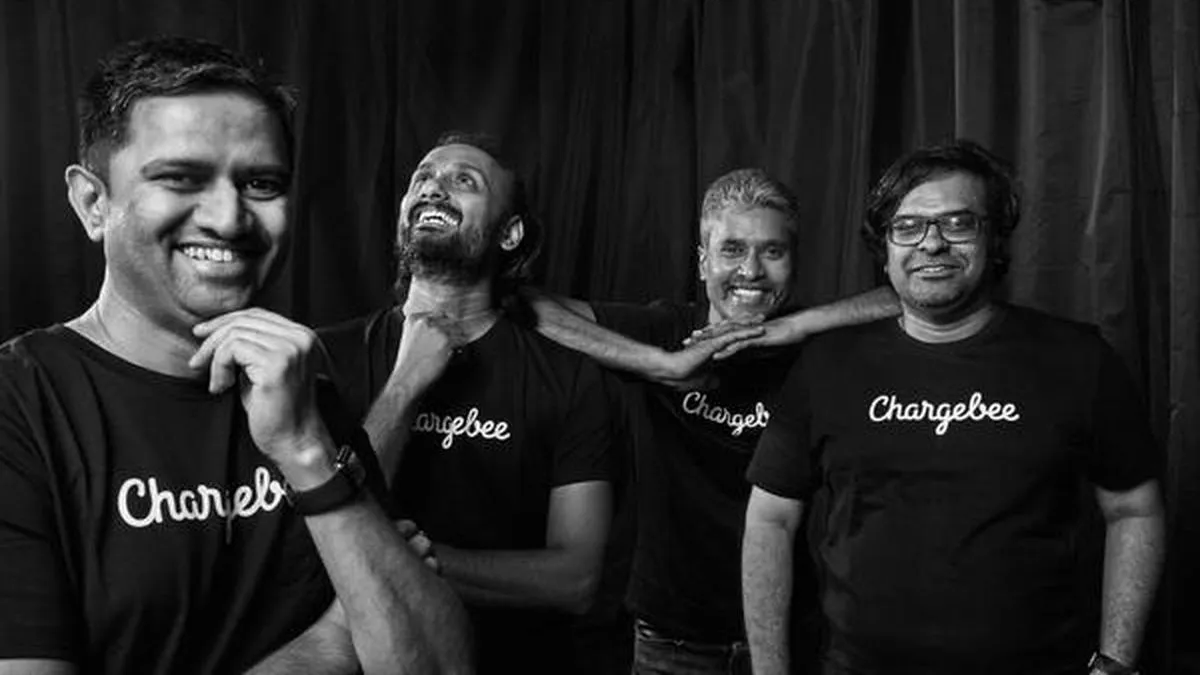
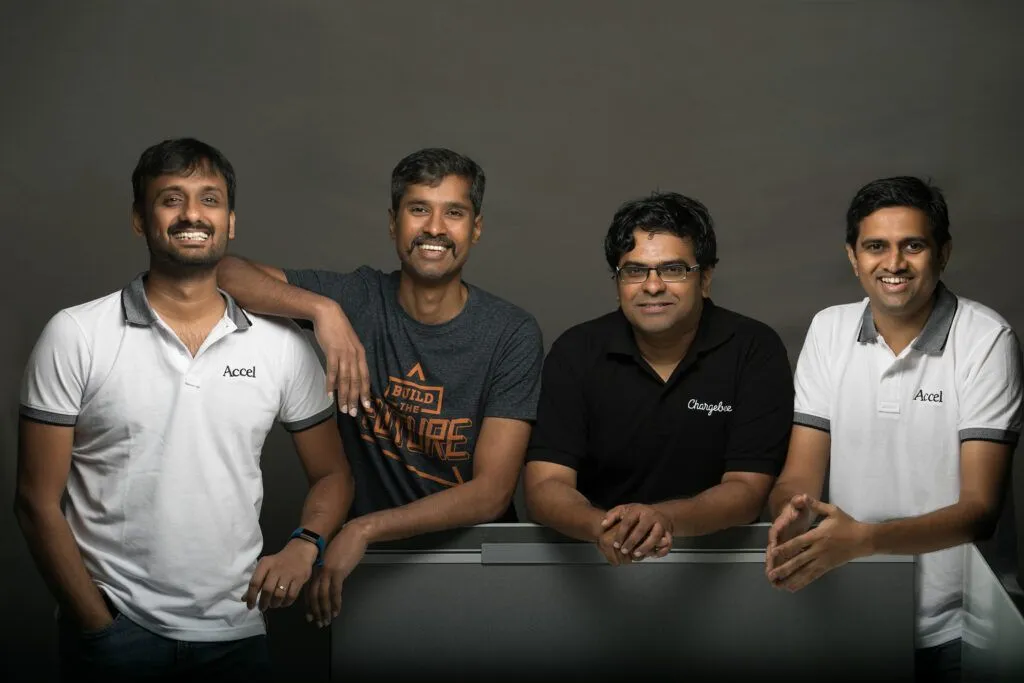
He teamed up with three colleagues — Rajaraman Santhanam (CTO), Saravanan KP (CPO), and Thiyagarajan T (engineering) — and together they started coding in a small office in Chennai’s Mylapore neighbourhood. Their product, initially called Chargent (later rebranded to Chargebee), was a recurring billing engine for SaaS companies.
The founding team had no external funding, no connections, and no customers. They built the first version in six months, launched it quietly, and waited.
The First 100 Customers: A Grind
Chargebee’s early growth was anything but explosive. Krish and his team personally reached out to SaaS founders on Hacker News, Product Hunt, and Twitter. They offered free migrations from competitors (like Recurly and Zuora) and provided 24/7 customer support — often answering tickets at 2 AM IST.
The breakthrough came in 2013 when a small US startup called Calendly (scheduling software) signed up. Calendly’s founders had tried other billing platforms but found them too complex. Chargebee’s simplicity — a clean UI, transparent pricing, and excellent documentation — won them over.
Calendly grew rapidly, and Chargebee grew with it. Soon, other SaaS companies followed: Freshworks (which became a customer, not just a competitor), Study.com, and Lucidchart. By 2016, Chargebee had 500 customers, was processing $100 million in annual recurring revenue (ARR) for them, and had raised a $5 million Series A from Accel Partners.
Unlike many founders who rush to the US after funding, Krish kept the engineering and product teams in Chennai. “Our customers are global, but our roots are Tamil Nadu,” he told a Chennai startup meetup in 2017. “We can hire world‑class talent here, and they stay longer.”
Remote‑First Before Remote Was Cool
By 2018, Chargebee had grown to 200 employees, most of them in Chennai. But Krish noticed a problem: the best talent was not always willing to relocate to Chennai. Some wanted to stay in Coimbatore, Madurai, or Trichy. Others preferred working from home due to family commitments.
So Chargebee became one of India’s first remote‑first SaaS companies — even before COVID made remote work mainstream. The company invested heavily in asynchronous communication tools (Slack, Notion, Loom), hired a remote culture manager, and organized quarterly in‑person retreats.
The policy paid off. Chargebee’s employee retention rate jumped to 90%, and the company was able to hire from smaller Tamil Nadu towns where living costs were lower and loyalty was higher. By 2021, 40% of Chargebee’s workforce was remote, spread across 20+ Indian cities.
Krish also refused to open a Bengaluru office, despite pressure from investors. “If we open an office there, we will lose our Chennai identity,” he said. “We are a Tamil Nadu company, and we will stay one.”
The Unicorn Moment and Strategic Acquisitions
In 2021, Chargebee raised a $125 million Series H led by Sapphire Ventures and Steadview Capital, valuing the company at $3.5 billion. The round made Chargebee India’s second‑most valuable SaaS unicorn (after Freshworks) and cemented Chennai’s reputation as a SaaS hub.
But Krish was not satisfied with just being a billing platform. He wanted Chargebee to become the “operating system for the subscription economy.” That meant expanding into:
Revenue recognition (automating ASC 606 and IFRS 15 compliance)
Billing analytics (predictive churn, dunning optimization)
Enterprise billing (handling millions of subscribers with complex pricing)
To build these capabilities quickly, Chargebee went on an acquisition spree:
RevLock (revenue recognition automation) — 2021
Numberz (receivables automation) — 2022
Brightback (customer retention automation) — 2023
Cheddar (legacy billing platform) — 2024
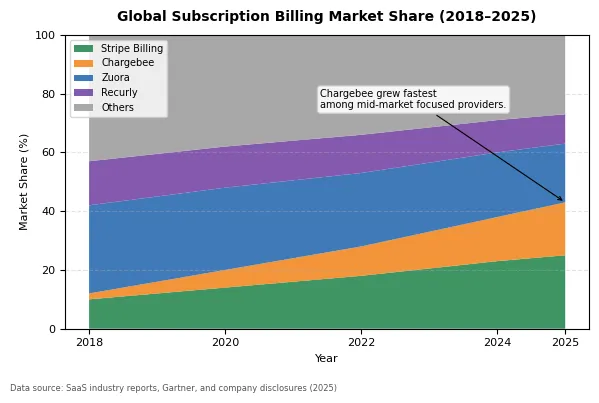
These acquisitions were carefully integrated, not left as standalone products. By 2025, Chargebee offered a full‑stack revenue operations platform, competing head‑on with Zuora, Stripe Billing, and Recurly.
The IPO Speculation and Market Position
As of 2026, Chargebee processes over $10 billion in annual transactions for 4,000+ customers, including Calendly, Freshworks, Okta, and Study.com. The company generates approximately $250 million in annual recurring revenue, with 30% year‑on‑year growth.
Investors expect Chargebee to go public in 2027–2028, either in the US (like Freshworks) or India (if the domestic SaaS listing rules improve). Krish has been coy, saying only: “We will go public when we are ready — not when the market is hot, but when we have built a durable, profitable business.”
The company is currently profitable at the operating level, with EBITDA margins of 12%. This is rare for a SaaS unicorn at this stage; most burn cash for growth. Krish’s financial discipline comes from bootstrapping the company for the first four years.
Leadership Philosophy: Build for Customer Success, Not Investor Hype
Krish is known for his calm, analytical leadership style. He spends 60% of his time with customers — listening to their pain points, reviewing support tickets, and conducting quarterly business reviews. “If our customers succeed, we succeed,” he says.
He is also deeply frugal. Chargebee’s Chennai office is modest, with no fancy perks. Travel is economy class. Marketing spend is data‑driven, not flashy. This frugality has given Chargebee a “cash runway” of over 5 years — meaning they could survive even a complete funding winter.
Krish has also been vocal about building in public. He shares revenue metrics, churn rates, and even product roadmap decisions on LinkedIn and the Chargebee blog. This transparency has built immense trust with customers and the SaaS community.
Challenges and Critiques
Chargebee has faced criticism, particularly around pricing. In 2022, the company raised prices for legacy customers, some of whom saw 50–100% increases. Krish apologized publicly, grandfathering old customers for 12 months, but the incident damaged trust temporarily.
Another challenge is competition. Stripe Billing is aggressively priced and integrated with Stripe’s payment processing. Zuora is entrenched in large enterprises. Krish’s response has been to focus on the mid‑market (companies with $5M–$500M ARR), where Chargebee’s combination of ease‑of‑use, depth, and customer support wins.
Finally, some former employees have complained about Chargebee’s “intense” work culture, especially during the acquisition integration periods. Krish has acknowledged this and invested in mental health programs, including free therapy for all employees.
The Tamil Nadu SaaS Ecosystem: Chargebee’s Role
Krish is a mentor to dozens of Chennai‑based SaaS founders, investing small checks through his family office (Liquid Metal Capital). He has also co‑founded Chennai SaaS School — a free weekend programme for engineering students interested in SaaS product management.
He credits Freshworks’ Girish Mathrubootham for paving the way. “Girish showed us that a Chennai company could go public on Nasdaq. That gave us permission to dream,” Krish has said.
Today, Chargebee employees have gone on to found their own startups, including Spene (sustainability SaaS), Rocketlane (customer onboarding), and NeoBilling (invoicing for SMEs). The flywheel is spinning.