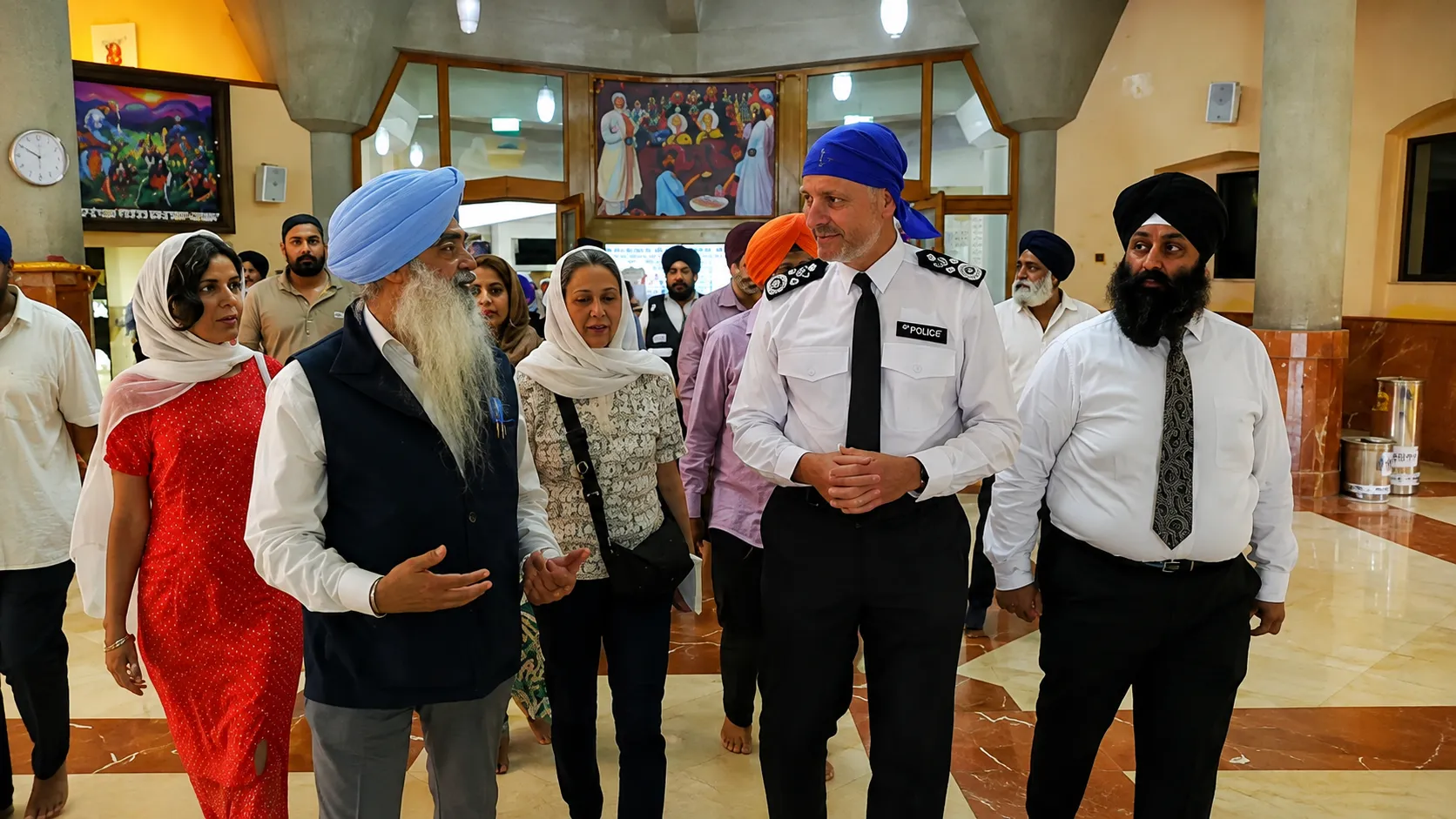
There is a particular kind of silence that falls over a gurdwara's langar hall when a community is not there to eat, but to grieve. Last Friday, that silence settled over Sri Guru Singh Sabha Gurdwara in Southall, west London — one of the largest and most significant Sikh places of worship in Europe — as one of the Metropolitan Police's most senior officers walked in not for a ceremonial visit, but to sit before a community still raw with shock, anger and fear.
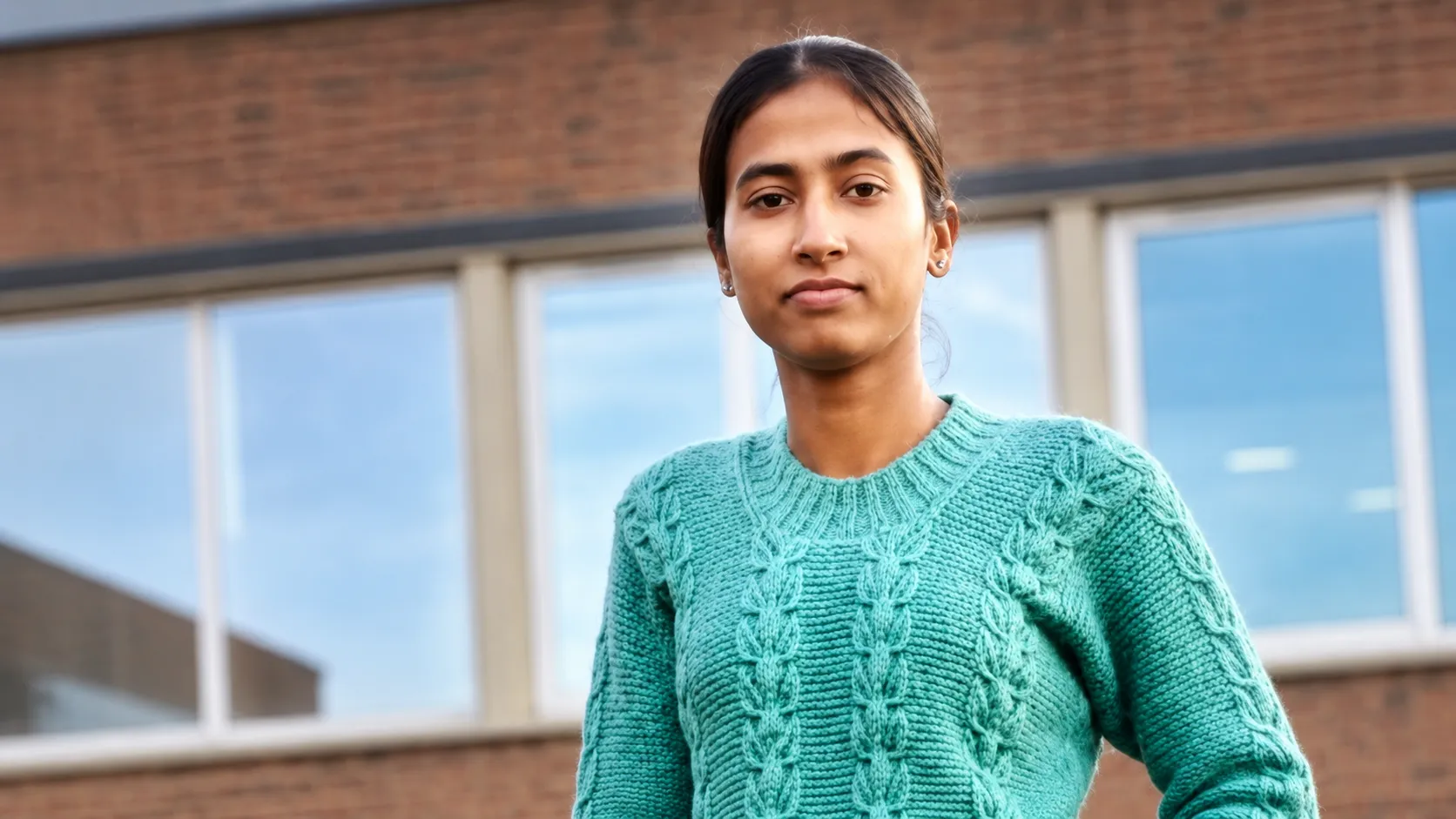
Matt Jukes, the Metropolitan Police's Deputy Commissioner, travelled to Southall alongside local officers to meet Sikh community leaders in the aftermath of the fatal stabbing of 24-year-old Kirandeep Kaur, a young woman who had built a new life in Britain after arriving from Punjab less than two years earlier. It was, by any measure, an unusual gesture — the deputy head of one of the world's largest police forces, sitting inside a gurdwara, absorbing the pain of a diaspora community that has, in recent years, grown increasingly vocal about wanting to be heard, protected and taken seriously.
What Happened to Kirandeep Kaur
The facts of the case, as they have been established so far, are as brutal as they are simple. On 12 July, Kirandeep Kaur was stabbed to death at a property on Uxbridge Road in Hayes, west London. Police who arrived at the scene also found a man in his twenties outside the address, suffering from stab injuries that were not believed to be life-threatening. In the weeks since, a suspect has been charged: Daniel Sean James, 44, of Mercer Place in Pinner, now faces charges of murder, attempted murder, and possession of a bladed article.
Behind those charge sheets is a young woman whose story will be painfully familiar to countless families across Punjab, and indeed across the wider Indian diaspora, who have sent daughters, sons, nieces and nephews abroad in search of opportunity. Kaur moved to the United Kingdom from Punjab in September 2024, initially to study, before taking up work at a grocery store — the kind of steady, unglamorous job that so often anchors the early years of a new immigrant's life in Britain, the first rung on a ladder toward stability, savings, and eventually, the family reunification so many hope for. She leaves behind a husband, an infant child, her parents, and three siblings. Her family, who live in Tarn Taran district in Punjab, have publicly called for justice following what has been described, in the words used by those close to the investigation, as a brutal murder.
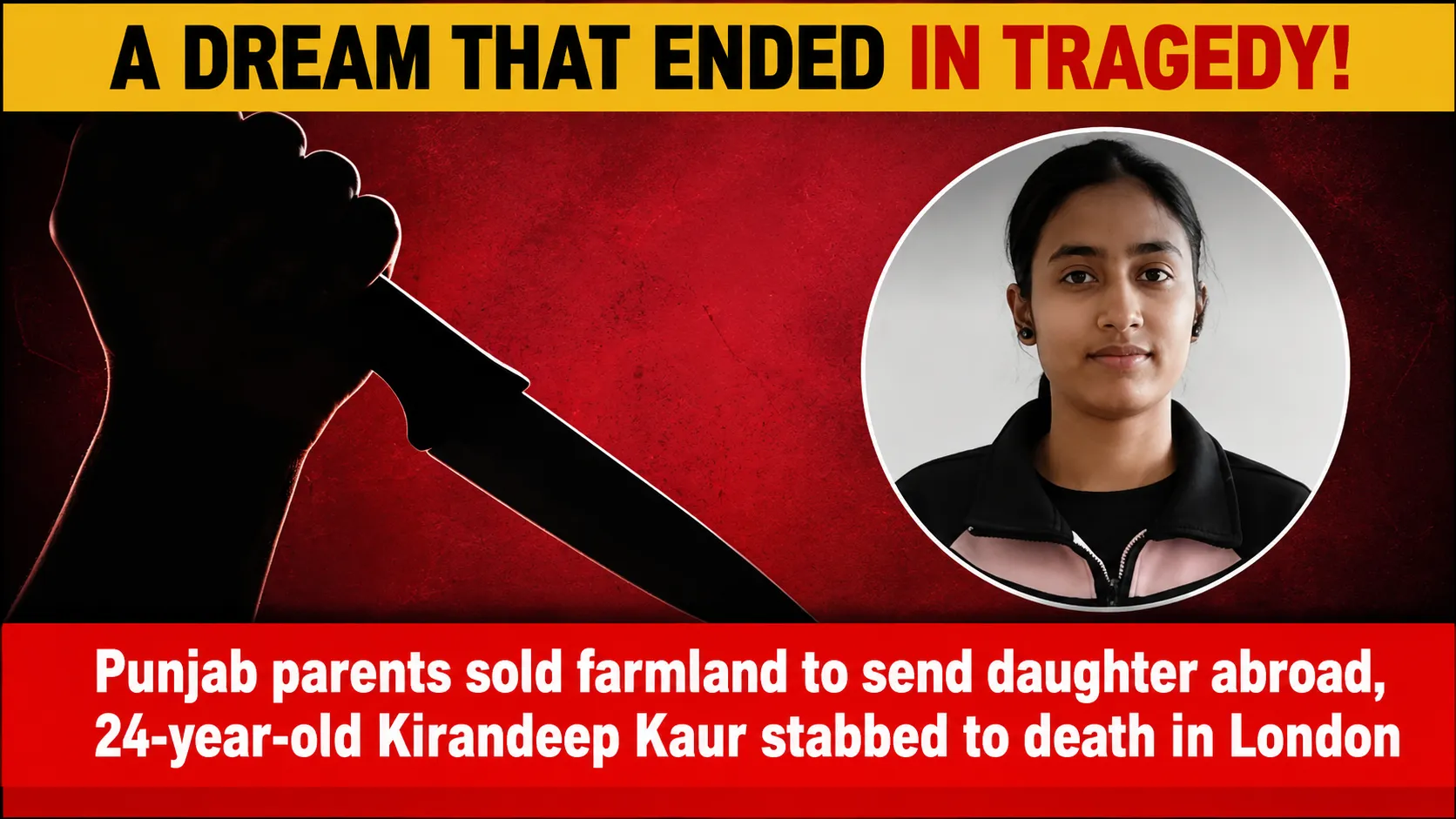
For a community that measures its presence in Britain not just in population statistics but in decades of institution-building — gurdwaras, community centres, business associations, and now a growing bench of Members of Parliament and civic leaders of Sikh and Punjabi heritage — the killing of a young woman just beginning her life here landed as more than an isolated tragedy. It landed as a test of whether the institutions meant to protect diaspora communities are truly listening.
Inside the Gurdwara Meeting
According to details of the visit, Jukes travelled to Sri Guru Singh Sabha Gurdwara specifically to offer condolences to Kaur's family, to hear directly from community representatives about their concerns, and to give an update, as far as an active investigation allows, on how the case is progressing.
He was explicit, in comments following the visit, that his purpose was to demonstrate the Metropolitan Police's "commitment to Sikh communities right across London," and he acknowledged openly the "concern and shock" that had rippled through Southall and beyond following Kaur's death. That acknowledgment matters. In the often bureaucratic language of policing, a senior officer naming a community's emotional state — shock, concern, grief — rather than retreating into procedural boilerplate, is itself a form of recognition that diaspora communities frequently say they don't receive often enough from the institutions meant to serve them.
Jukes told those gathered that officers had "moved quickly to arrest and charge a suspect" in the case, and he sought to reassure the room that police did not believe there was "any wider threat to the community." That reassurance was paired, notably, with action rather than words alone: additional patrols, including specifically around gurdwaras in the area, have been introduced as a precaution while detectives continue their work on the case. It is a small but symbolically important detail — a recognition that a gurdwara is not simply a building where a crime happened to occur nearby, but a community anchor whose sense of safety needed to be actively protected, not merely assumed.
"Our investigators are determined to find all the answers they can to the questions those affected have about what happened to Kirandeep, and why," Jukes said — a line that speaks to something beyond the mechanics of a criminal prosecution. Families in grief, particularly those separated by thousands of miles from the country where a loved one died, often say that what they need most desperately is not simply a conviction, but an understanding: why did this happen, could it have been prevented, and what does it mean for those who continue to make the same journey Kaur made in 2024.
Police have said the Southall visit allowed senior officers to hear directly from Sikh leaders, and that the Metropolitan Police intends to continue working closely with Sikh communities across London through what was described as regular engagement and partnership meetings — a commitment that, if honoured consistently rather than treated as a one-off gesture in response to a single tragedy, could mark a meaningful shift in how one of the world's most-watched police forces relates to one of Britain's most established diaspora communities.
A Community That Has Learned to Demand More
To understand why a single senior-officer visit to a gurdwara carries the significance it does, it helps to understand the broader context in which Britain's Sikh and wider Punjabi community now operates. This is a community with deep roots in the UK — generations deep in places like Southall, Leicester, Birmingham and Wolverhampton — and one that has, over the past several years, become considerably more organised and vocal in advocating for its safety, its religious and cultural institutions, and its political representation.