DiasporaLeaders4 MIN READ

Kamala Harris Warns Democrats Must Be ‘Too Big to Rig’ Heading Into the Midterms

The Indian American former Vice President frames turnout as the party's core defense against election manipulation ahead of a high-stakes midterm cycle

By Aravind Kumar · Author3 August 2026
Kamala Harris Warns Democrats Must Be ‘Too Big to Rig’ Heading Into the Midterms

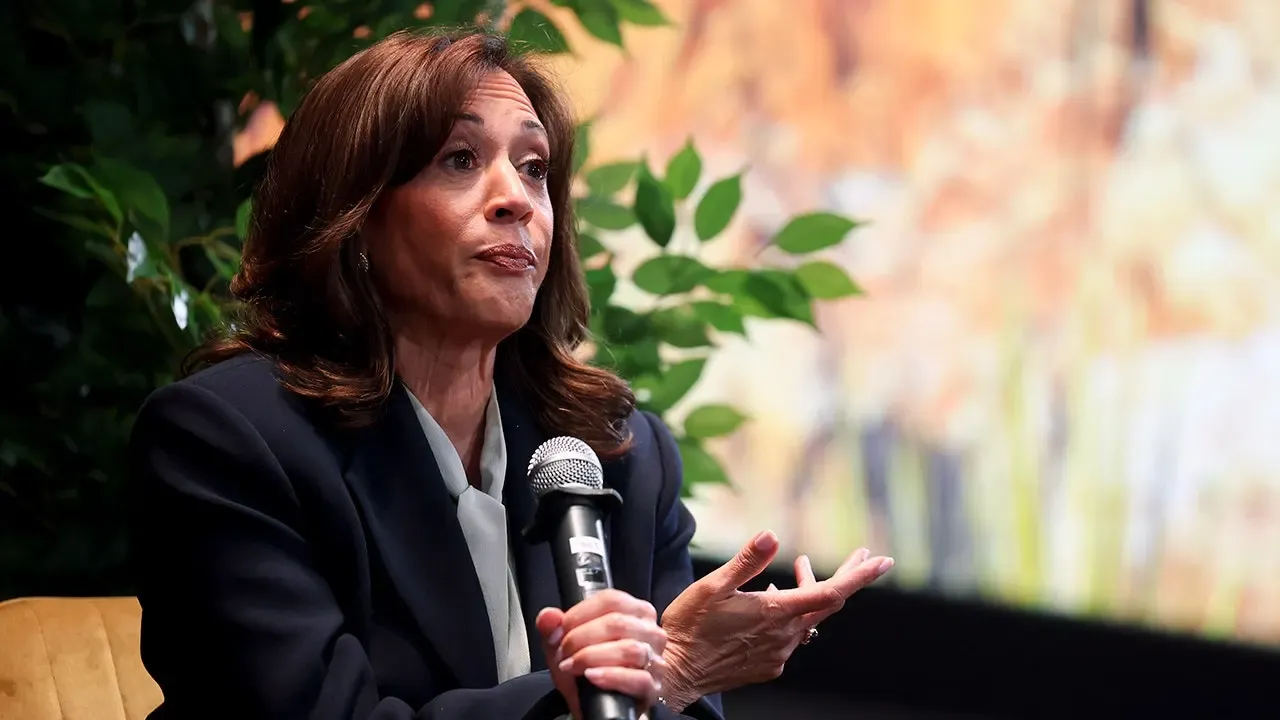
WASHINGTON, D.C. — Former Vice President Kamala Harris, whose political rise has long carried special significance for Indian Americans as the most prominent officeholder of Indian descent in U.S. history, issued a pointed message to Democratic supporters over the weekend as the party gears up for what strategists on both sides describe as one of the most consequential midterm election cycles in recent memory: turnout, she argued, needs to be large enough that the outcome cannot be meaningfully contested or manipulated. “In midterms, we need to be too big to rig,” Harris said, a formulation that quickly circulated widely among Democratic activists and diaspora political commentators alike.

The comment, brief but pointed, distills a strategic argument Harris and other Democratic leaders have increasingly emphasized in the run-up to the 2026 midterms: that overwhelming voter participation functions as the single most reliable safeguard against the kinds of procedural disputes, legal challenges and contested-result scenarios that have become a recurring feature of closely fought American elections over the past several cycles. Rather than focusing primarily on litigation strategy or post-election legal defense, Harris's framing places the emphasis squarely on the front end — building a turnout margin so decisive that contesting the result becomes practically and politically untenable.

For Harris, the daughter of an Indian mother and Jamaican father whose 2020 election as Vice President made her the highest-ranking Indian American in U.S. political history, midterm-cycle messaging carries particular weight within Indian American political circles, where her career has long been tracked as both a source of communal pride and a bellwether for the broader trajectory of Indian American political representation in the United States. Since leaving the vice presidency, Harris has remained one of the most closely watched figures in Democratic politics, with her public statements routinely parsed for signals about both near-term electoral strategy and her own longer-term political plans.

The “too big to rig” framing arrives amid a broader national conversation about election administration and voter confidence that has intensified rather than subsided in the years since the 2020 and 2024 election cycles. Democratic strategists have increasingly argued that the party's most effective response to persistent, largely unsubstantiated claims of electoral fraud is not primarily legal or rhetorical rebuttal, but the harder, more direct work of voter registration, turnout organizing and get-out-the-vote infrastructure — an approach that treats overwhelming participation itself as the most durable form of electoral legitimacy.
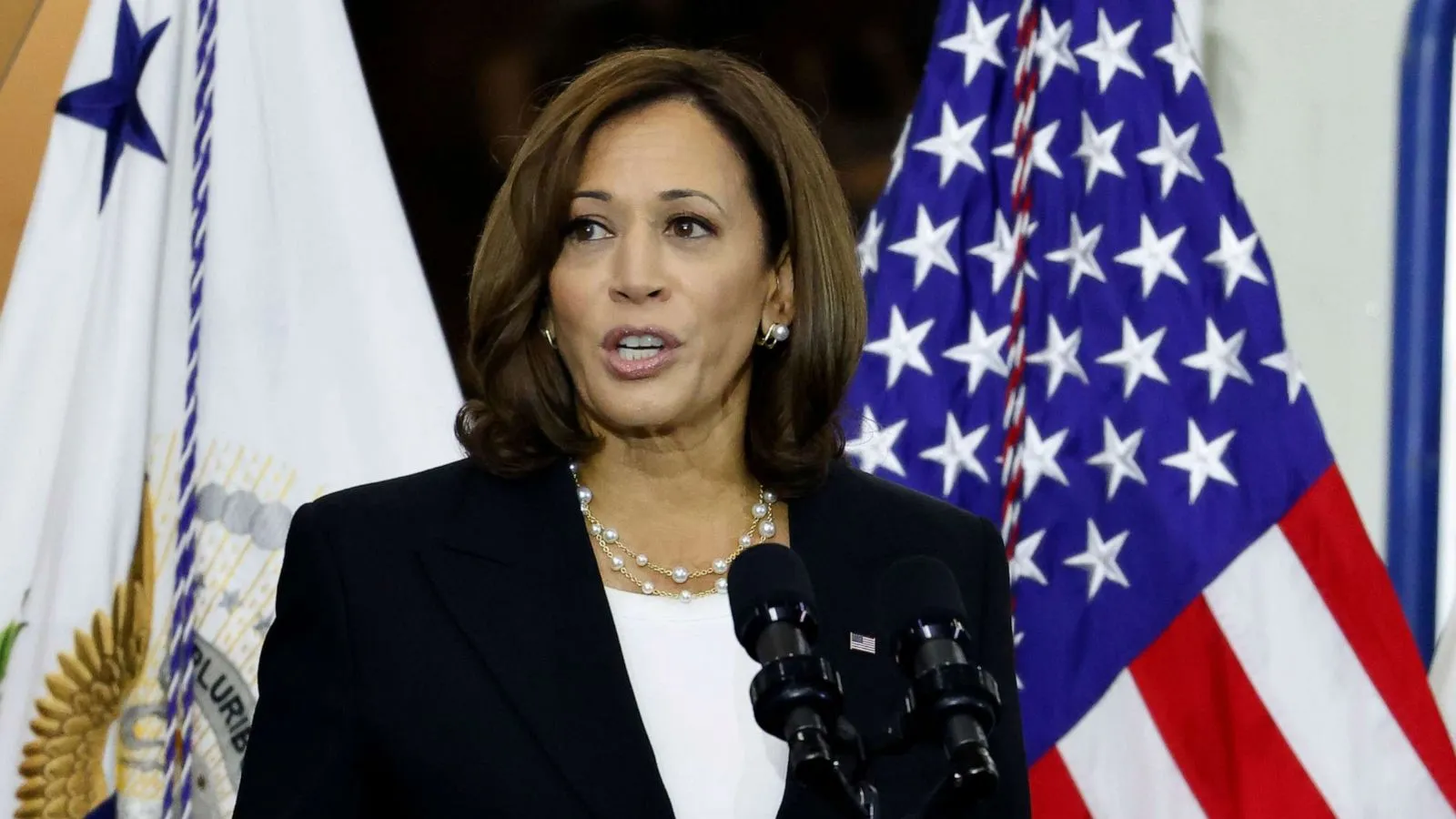
image.png

Harris's remarks land at a moment when the 2026 midterm map is shaping up to be unusually competitive across both chambers of Congress, with control of the House and Senate genuinely contested and a wide range of gubernatorial and state legislative races also drawing national attention and resources. In that environment, turnout-focused messaging from a figure with Harris's national profile carries outsized strategic value, capable of mobilizing both traditional Democratic base voters and the kind of episodic, midterm-only voters whose participation often determines the margin in closely fought races.


In midterms, we need to be too big to rig.
Kamala Harris

Within Indian American political organizing circles specifically, Harris's continued visibility has been credited with meaningfully accelerating broader diaspora political engagement over the past several election cycles. Organizations focused on mobilizing Indian American voters have pointed to her 2020 vice-presidential campaign as a watershed moment that measurably increased both voter registration and small-dollar political donation activity within the community, and her continued prominence in Democratic messaging — including turnout-focused appeals like her recent midterm comments — is widely seen within those organizations as reinforcing that engagement heading into 2026.

Harris's political trajectory since leaving national office has been closely watched for signals about her future plans, including persistent speculation about a potential future presidential run. Her midterm-focused messaging, however, has been interpreted by most political observers as squarely aimed at the immediate 2026 electoral landscape rather than any longer-term personal campaign — an effort to help Democrats defend and expand their position in Congress and in key state races before any conversation about the party's 2028 presidential field meaningfully begins.

The broader strategic logic behind “too big to rig” messaging reflects lessons Democratic operatives say they have drawn from recent election cycles: that narrow victories, however legally sound, invite sustained post-election disputes that can consume political energy, erode public confidence and, in some cases, delay the effective functioning of newly elected governments. A decisive turnout margin, by contrast, tends to short-circuit those disputes before they gain traction — a dynamic strategists argue makes turnout organizing not just a matter of winning individual races, but of preserving broader public confidence in the electoral process itself.

As the midterm campaign season accelerates through the remainder of 2026, Harris's turnout-centered message is likely to become a recurring refrain across Democratic campaign events and fundraising appeals nationally. For Indian American voters and political organizers, the comments serve as a reminder of Harris's continued centrality to the party's national messaging apparatus — and of the particular resonance her voice carries within a diaspora community that has, over the past decade, moved from the periphery to an increasingly visible position within American electoral politics.

Whether “too big to rig” becomes a defining slogan of the 2026 midterm cycle or simply one memorable turn of phrase among many will depend heavily on how effectively Democratic campaign infrastructure translates the message into actual turnout gains over the coming months. But the comment's rapid circulation over the first weekend of August suggested it had already struck a chord with a Democratic base eager for a clear, actionable framework for approaching an election cycle widely regarded as pivotal for the balance of power in Washington.

TagsKamala HarrisMidterms 2026Indian American LeadersToo Big to RigElection IntegrityDemocratic PartyVoter TurnoutIndian Diaspora USAWomen in PoliticsImpactful Global Indian

Reader reviews

Sign in to rate and review this article.
Loading reviews…
