
The World Knows Indian Leaders. But Does It Know Indian Institutions?
Never before have so many people of Indian origin occupied positions of global influence. Yet the institutions shaping the future still rarely carry Indian names.
Walk into almost any conversation about global business and the examples come quickly. Indian-origin executives have led some of the world's most valuable technology companies. They influence artificial intelligence, cloud computing, pharmaceuticals, finance, consulting and venture capital. The Indian diaspora has become one of the most successful immigrant communities in history, admired for its educational achievements, professional excellence and leadership. It is a remarkable story that deserves celebration. But beneath that success lies a more uncomfortable question. While Indian professionals have become exceptional at running existing institutions, why have they built comparatively few globally influential institutions of their own? When we think of world-renowned universities, research foundations, policy institutes, philanthropic organizations or global innovation hubs, Indian names rarely dominate the conversation. The diaspora has produced extraordinary individuals, but the organizations that define generations often belong to someone else. As India rises economically and strategically, perhaps the conversation needs to move beyond individual achievement toward something far more enduring.
Leadership And Institution Building Are Not The Same Thing
Running a successful organization and creating one from scratch require very different mindsets. Leadership is often about improving an existing system. Institution building begins with imagining a system that does not yet exist. It requires patience measured not in quarters or election cycles but in decades. Institutions survive founders. They outlive market cycles, political changes and technological disruption because they are built around enduring values rather than individual personalities. Throughout history, societies that achieved lasting influence invested heavily in institutions. Universities became engines of knowledge. Research laboratories drove scientific breakthroughs. Independent think tanks shaped policy. Foundations funded ideas that governments and markets often ignored. These organizations accumulated credibility over generations, becoming assets that benefited entire societies rather than a single company or family. Indian professionals have repeatedly demonstrated that they can lead complex global organizations. The next challenge may be applying those same leadership capabilities to creating institutions capable of shaping the future for decades to come.
The Diaspora Has The Resources. Does It Have The Ambition?
Unlike previous generations, today's Indian diaspora possesses something unprecedented. It has global networks, access to capital, executive experience and influence across nearly every major industry. Many Indian-origin professionals now sit on corporate boards, manage billion-dollar investment funds, lead research teams and advise governments. Collectively, the community has both financial resources and intellectual capital that earlier generations could only imagine. Yet much of this influence remains concentrated within existing corporate ecosystems. Imagine if even a small portion of that talent and wealth were directed toward building globally respected research centres, scholarship foundations, public policy institutes, medical innovation hubs or entrepreneurship universities focused on solving India's biggest challenges. Such institutions would not simply benefit India. They could contribute to global knowledge itself. The opportunity is enormous because the diaspora no longer lacks capability. What may still be missing is a cultural shift—from measuring success by career progression to measuring it by institutional legacy.
History Suggests Institutions Shape Nations More Than Individuals
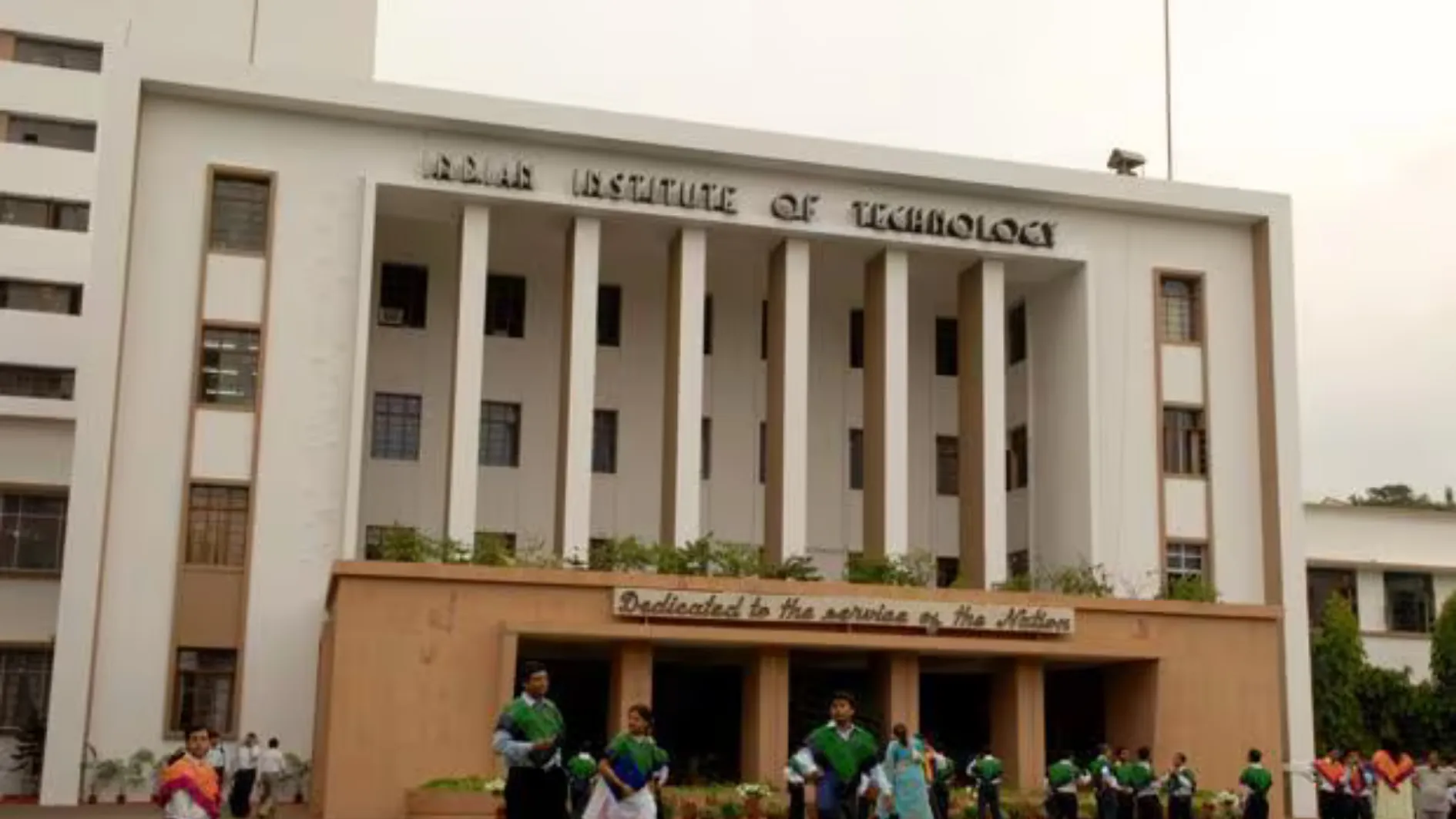
Every generation remembers iconic leaders, but history is ultimately shaped by institutions that continue functioning long after those leaders disappear. The universities established centuries ago still educate students today. Research organizations continue producing discoveries long after their founders are forgotten. Philanthropic foundations continue funding breakthroughs decades after the wealth that created them was earned. Institutions create continuity. They preserve knowledge, attract talent and solve problems that individual careers cannot. India itself offers powerful historical examples. Organizations such as the Indian Institutes of Technology, the Indian Space Research Organisation and several pioneering scientific institutions have produced impact far beyond the people who originally built them. Their success demonstrates that institutions become platforms upon which future generations create even greater achievements. The Indian diaspora now has an opportunity to build globally influential organizations that operate across borders, connecting India with the world's best talent, capital and ideas. That kind of legacy cannot be measured by market capitalization alone.
The Next Generation Is Asking Different Questions
Young professionals within the diaspora increasingly define success differently from their parents. Career advancement remains important, but so do purpose, sustainability, social impact and long-term contribution. Many younger entrepreneurs want to solve climate challenges, improve healthcare, transform education or expand financial inclusion rather than simply maximize shareholder value. This shift creates an opportunity to rethink what institutional success looks like. Future organizations may combine profit with public purpose. They may operate globally while remaining deeply connected to India. They may focus on open research, public-private partnerships and knowledge sharing instead of purely commercial outcomes. If this generation receives the right support, mentorship and patient capital, it could become the first to produce globally influential Indian institutions rather than simply globally admired Indian executives. That transition would represent one of the most important evolutions in the story of the diaspora.
India Needs Builders As Much As Leaders
As India positions itself to become one of the world's largest economies, it will require more than successful executives. It will need organizations capable of sustaining innovation for generations. Universities that attract the world's brightest students. Medical research centres solving diseases affecting billions. Independent think tanks shaping global policy. Philanthropic institutions funding ambitious scientific research. Cultural organizations preserving India's heritage while promoting it internationally. None of these can be created overnight. Institution building demands long-term thinking, patient investment and a willingness to prioritize legacy over immediate recognition. The Indian diaspora is uniquely positioned to lead this effort because it understands both India and the global systems it hopes to influence. Its greatest competitive advantage may not be its ability to climb existing ladders but its ability to build entirely new ones.
The Next Chapter Of Global Indian Success
The remarkable rise of Indian-origin CEOs has already changed how the world views India. It proved that Indian talent can compete—and win—at the highest levels of global business. But perhaps that achievement was only the first chapter. The next chapter may be written by founders who create universities that produce Nobel Prize winners, research institutes that shape artificial intelligence, philanthropic foundations that eradicate diseases, and public institutions that influence global policy. Individual careers inspire. Institutions transform societies. If the Indian diaspora truly wants to leave a legacy that extends beyond headlines and boardrooms, it may need to ask a different question. Not, "Which company will I lead next?" but, "What institution will still matter fifty years after I'm gone?" The answer to that question could define the future of Global Indian influence far more than any CEO appointment ever will.


