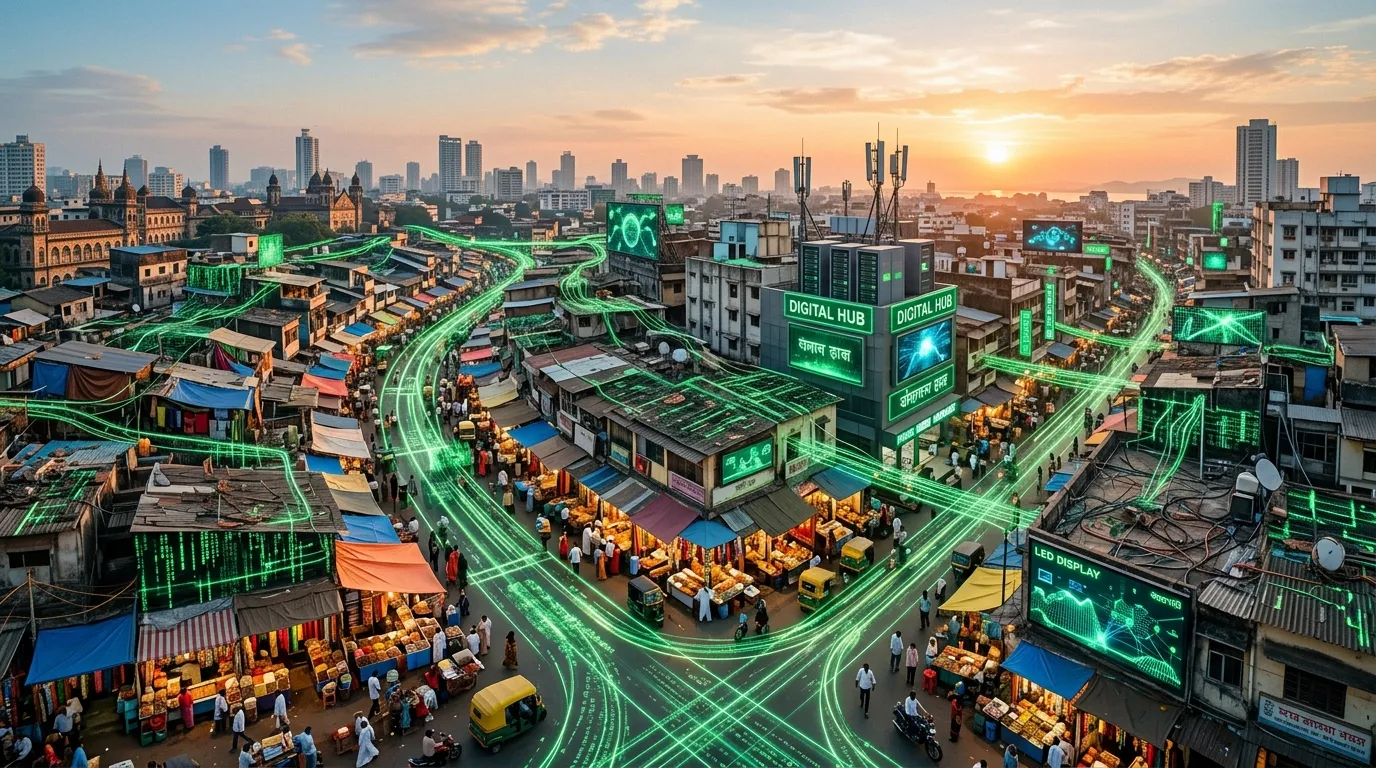
CHENNAI, India — May 30, 2026 — Indian small businesses have achieved their strongest post-pandemic growth in 2025, according to the newly released CPA Australia Asia-Pacific Small Business Survey. Driven by an unprecedented convergence of digital transformation, artificial intelligence adoption, a robust hiring market, and surging business confidence, India's small business sector is rewriting its own growth story — and turning heads across the Asia-Pacific region.
The findings mark a watershed moment for the world's third-largest startup ecosystem. With over 678,000 active startups and a government-backed entrepreneurship agenda at full throttle, India's small businesses are not merely recovering — they are accelerating into a new era of growth that experts say could fundamentally reshape the country's economic landscape through the remainder of this decade.
“India's small businesses recorded their strongest post-pandemic growth in 2025, driven by digital adoption, rising AI investments, strong hiring, and positive business sentiment.” — CPA Australia, Asia-Pacific Small Business Survey 2025 |
Four Forces Behind the Boom
The survey identifies four interlocking drivers that have catapulted India's small businesses ahead of their Asia-Pacific peers:
• Digital Adoption: Indian small businesses have rapidly embraced digital tools — from cloud-based accounting and e-commerce storefronts to digital payments — enabling them to reach customers far beyond their immediate geographies and reduce operational friction.
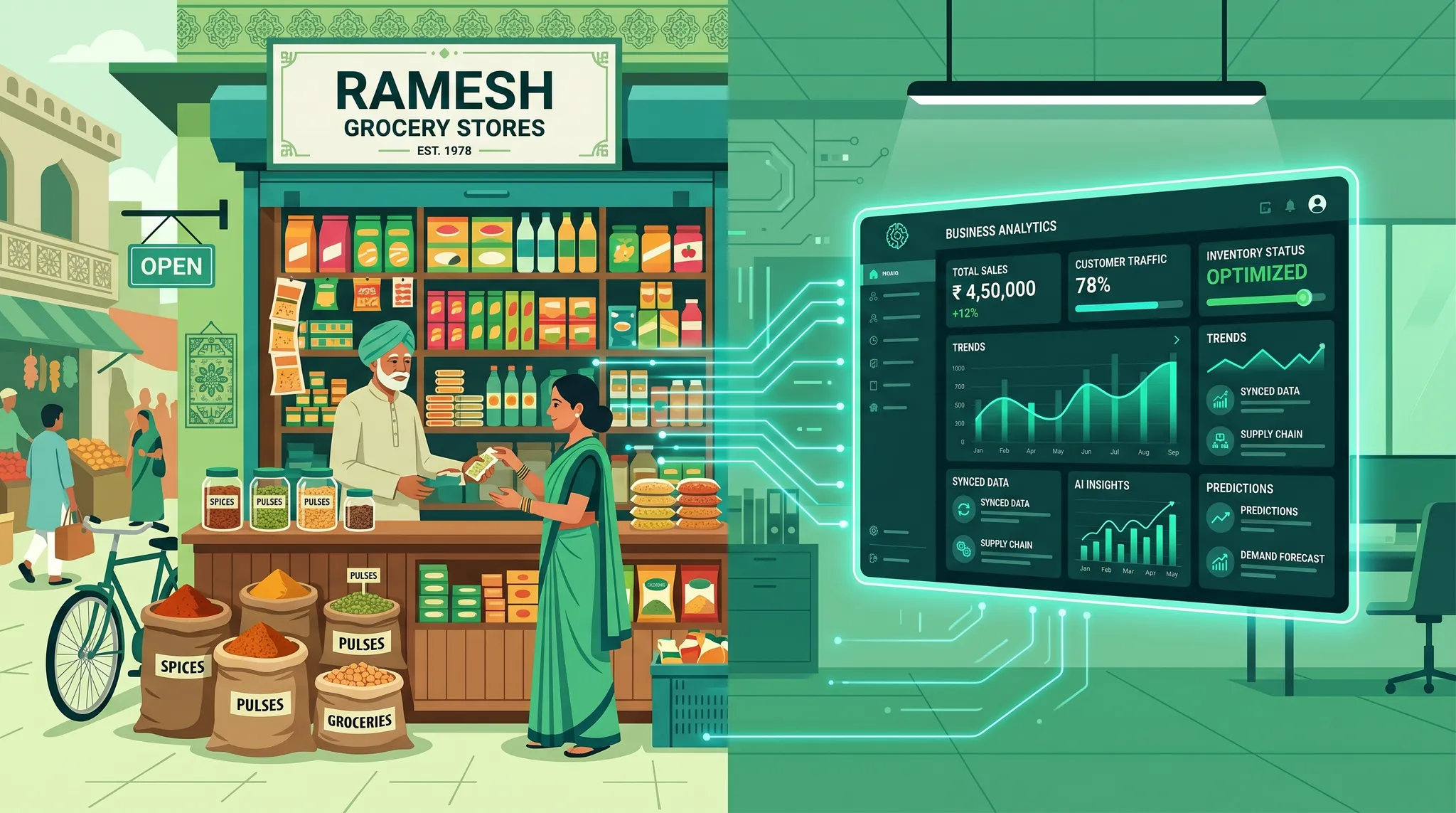
• Rising AI Investments: AI is no longer the exclusive domain of large corporations. Small businesses across retail, logistics, healthcare, and services have begun deploying AI-powered tools for customer engagement, inventory management, and demand forecasting — driving cost savings and scalability.
• Strong Hiring: Job creation within the small business sector reached its highest post-pandemic levels in 2025, reflecting both confidence in future demand and a growing appetite for expansion. This hiring surge has contributed to positive cycles of consumer spending and local economic growth.
• Positive Business Sentiment: Confidence among India's small business owners is at a multi-year high, underpinned by stable macroeconomic conditions, supportive government policy, and India's strengthening position in global trade and investment flows.

A Nation on the Move
The results arrive at a pivotal juncture for the Indian economy. Prime Minister Narendra Modi's administration recently confirmed that India has become the world's third-largest startup ecosystem, home to over 678,000 startups, 89 unicorns, and a government-backed Startup India programme entering its second decade. India's GDP is projected to grow between 6.8% and 7.2% in 2026, cementing its position as one of the fastest-growing major economies globally.
In 2026 alone, Indian startups have already raised $7.62 billion across 759 equity funding rounds, with standout deals including Rapido's $240 million raise, C2i Semiconductors securing $16.7 million from TDK Ventures and Peak XV, and a wave of early-stage investments spanning AI, logistics, fintech, and deep tech. The momentum shows no signs of abating.
678K+ Active startups | 89 Unicorns | $7.62B Raised in 2026 YTD | 6.8–7.2% GDP growth 2026 |

What This Means for the Road Ahead
Analysts and industry observers point to several structural tailwinds that could sustain — and amplify — this growth trajectory. India-Canada trade negotiations are progressing toward a US$50 billion bilateral target. India's e-commerce market is projected to hit $214 billion by FY30, according to ICICI Securities. And a new generation of purpose-driven founders, many from Tier 2 and Tier 3 cities, is bringing fresh energy and ideas to sectors from agritech and healthtech to edtech and clean energy.
For small business owners, the message from the CPA Australia survey is clear: the conditions that once favoured only large enterprises are now increasingly accessible at every scale. The convergence of affordable technology, accessible capital, and a government-driven innovation ecosystem means that the next wave of India's economic growth will be built from the ground up.


