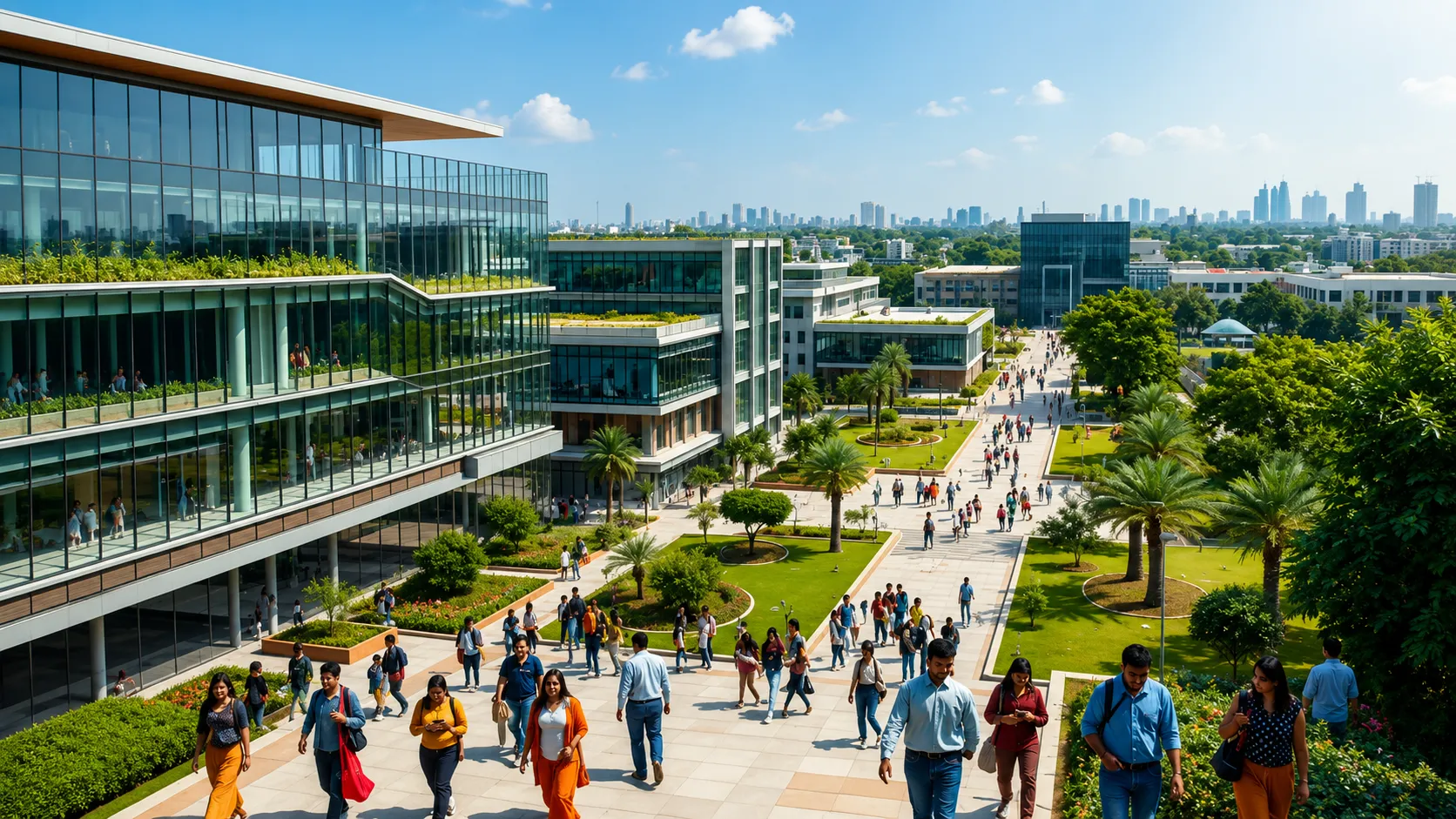
Amid the headline-grabbing drama of India-US trade negotiations and tariff deadlines, a quieter but arguably more structurally significant development has been unfolding in the higher education space: the deepening of academic ties between Indian and American institutions, most notably through the Illinois Institute of Technology's move to become the first US university cleared by India's University Grants Commission (UGC) to open an independent, degree-granting campus on Indian soil.
A Watershed Moment for Indian Higher Education Policy
For decades, Indian students seeking a US-accredited education had one primary pathway: travel to the United States, enroll, and navigate the increasingly competitive visa and work authorization landscape post-graduation. India has consistently ranked among the top countries of origin for international students in the US, contributing billions of dollars to the American higher education economy.
The announcement that Illinois Tech will establish Illinois Tech–Mumbai, located in Vikhroli, with an opening targeted for Fall 2026, represents a genuinely new chapter. Rather than Indian students traveling to the US, this arrangement allows students to earn the same US-accredited degree without leaving India — fundamentally altering the cost, visa risk, and accessibility calculus that has shaped Indian families' decisions about international higher education.
This follows the National Education Policy (NEP) 2020's provisions opening the door for foreign universities to establish campuses in India under a UGC-overseen framework. Prior to this, foreign universities could only operate through twinning arrangements or online programs — not fully independent, degree-granting campuses.
Why Illinois Tech, and Why Vikhroli?
Illinois Institute of Technology, a private research university with particular strength in engineering, computer science, architecture, and business, represents a specific kind of institution well-suited to this pioneering role — more entrepreneurial in pursuing international expansion than institutions whose brand equity partly rests on exclusivity.
The choice of Vikhroli, a Mumbai locality known for its mix of corporate offices and residential development, reflects deliberate positioning — situating the campus within reach of Mumbai's dense concentration of financial services and technology companies, potentially facilitating internships and post-graduation employment pathways.
The Two-Way Street: IIT Bombay's US Expansion
Notably, this corridor isn't one-way. Around the same period, IIT Bombay announced a partnership with SUNY Old Westbury that seeds IIT Bombay's first US sub-campus, penciled in for 2027 — signaling a maturation from a purely one-directional "brain drain" dynamic toward genuine institutional partnership and mutual market access.
The Strategic and Economic Stakes
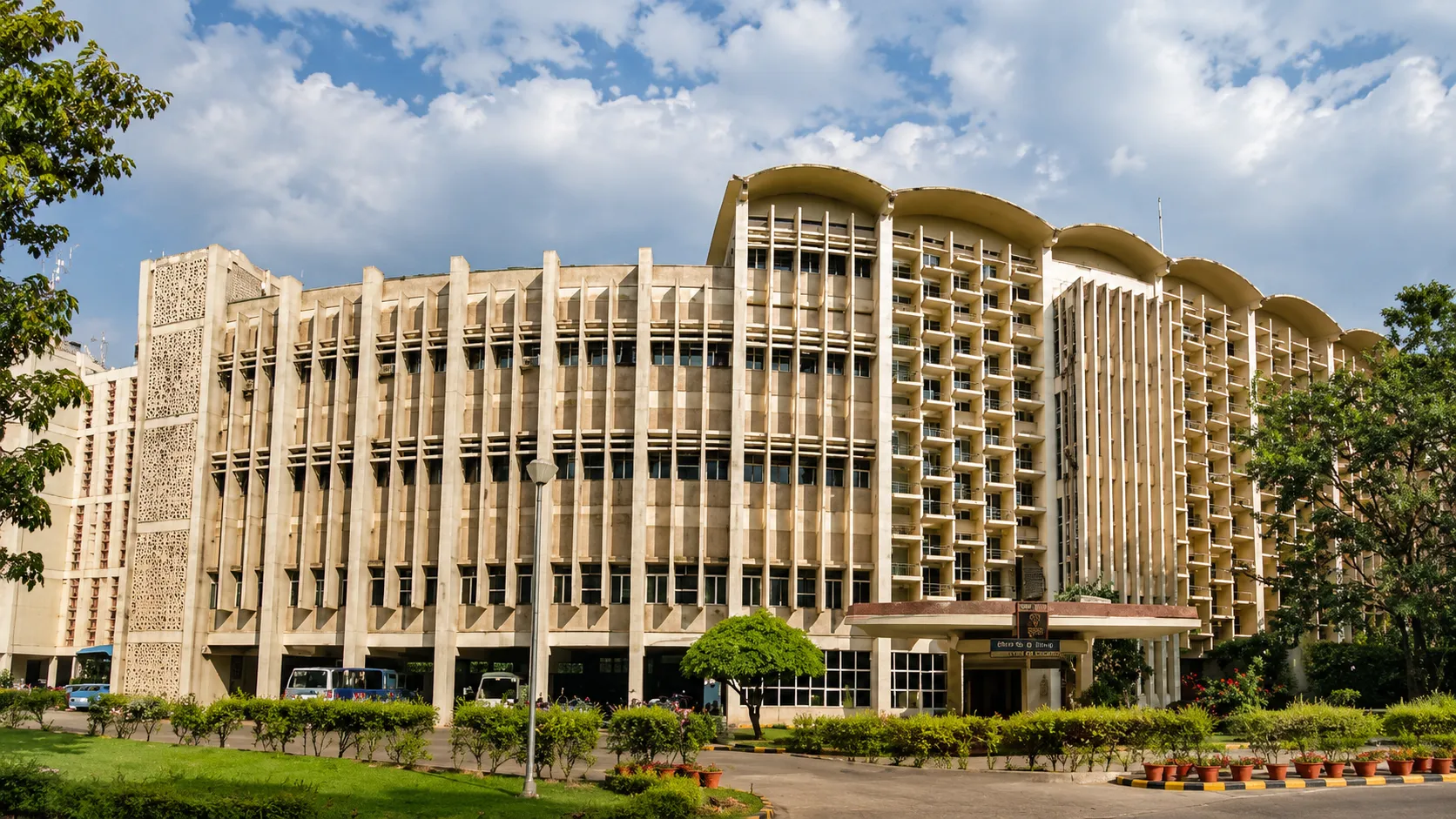
Foreign university campuses represent a potential solution to a persistent structural challenge: the gap between India's enormous demographic dividend and its domestic higher education system's capacity constraints at the high-quality end. By allowing internationally accredited institutions to establish domestic campuses, India's policy aims to retain outbound education spending, build domestic capacity, and reduce emigration pressure among top graduates.
Context: The Broader India-US Relationship Backdrop
This development is unfolding against an India-US relationship that has, in 2026, been simultaneously deepening in some respects while experiencing genuine friction in others — most notably the protracted trade and tariff negotiations with a deadline looming around July 22-24, 2026. Education has historically proven one of the more resilient, less politically contentious threads in the relationship.
What to Watch Going Forward
As Illinois Tech-Mumbai prepares for its Fall 2026 opening, several questions will determine its success: enrollment numbers for the inaugural cohort, faculty recruitment quality relative to the flagship Chicago campus, and whether the UGC continues approving additional foreign university applications at a healthy pace. The coming academic year will provide the first real-world data on whether "the US degree, delivered in India" can genuinely deliver on its promise.


