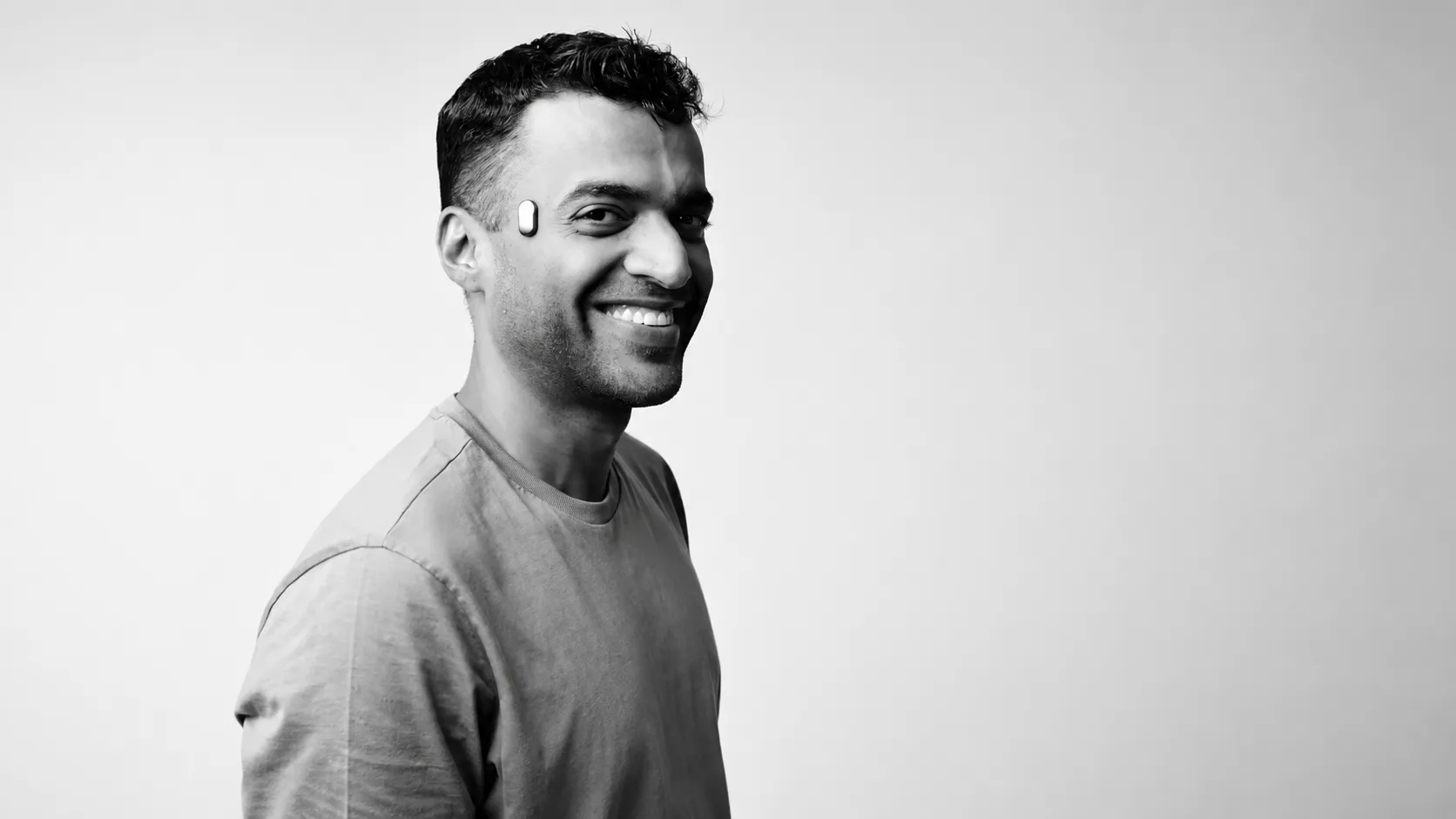
Deepinder Goyal, the Zomato and Eternal co-founder who stepped down as chief executive earlier this year to pursue what he has described as a phase of "higher-risk exploration and experimentation," is once again generating headlines with the rapid rise of his newest venture. Temple, the wearable health-technology startup Goyal founded and leads, is now attracting strong interest from external investors at a valuation of approximately $500 million — a figure that, if realised in a formal funding round, would represent a more than 2.6-times increase from the company's most recent disclosed valuation of $190 million, achieved less than six months earlier at the time of its maiden funding round.
The news emerged through a memo Goyal sent to Temple employees, announcing that the company would launch a fresh employee stock ownership plan liquidity programme ahead of its anticipated next formal fundraising round. "We are seeing strong interest from external investors at a $500 million valuation. Before we close our next round, I want some of this value to reach the people who created it," Goyal wrote, framing the ESOP buyback explicitly as a mechanism to share value creation with the team that built the company, rather than waiting for a later-stage liquidity event or eventual public listing, as is more conventional practice among Indian startups.
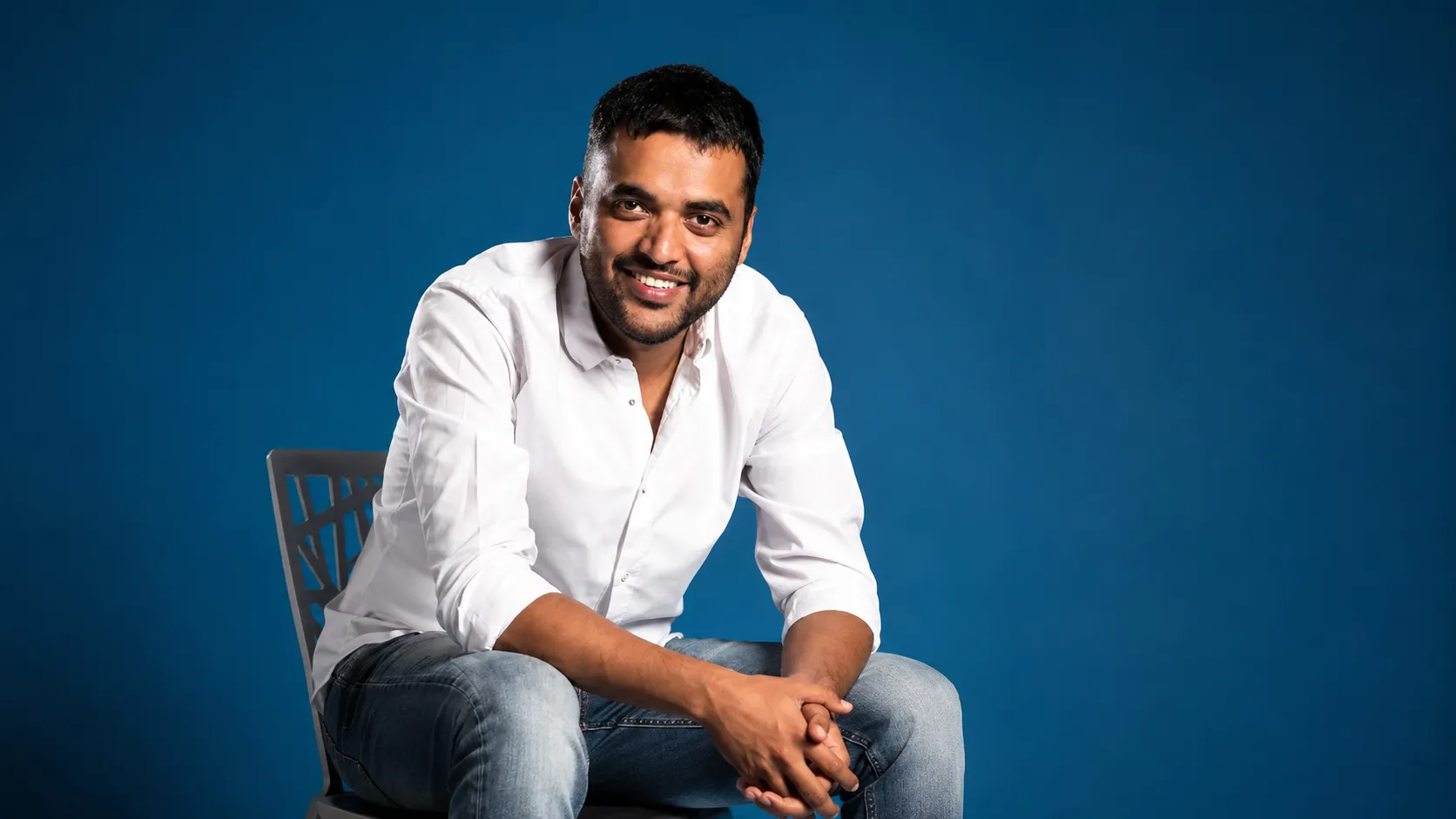
Temple's trajectory over the past several months has been unusually rapid even by the standards of India's fast-moving startup ecosystem. The company first announced its maiden funding round of $54 million in late February 2026, a raise led by Goyal himself alongside participation from Steadview Capital, venture capital firm Peak XV Partners, Zerodha co-founder Nikhil Kamath, and roughly 90 other investors — notably including more than 30 Temple employees who participated in the round in their personal capacity, investing at the same valuation terms as the external institutional backers. According to a filing with the Registrar of Companies at the time, Temple's board approved the issuance of 2,34,799 seed Series CCPS shares at an issue price of ₹21,000 each, raising a total of approximately ₹493 crore. Goyal personally led that round with an investment of roughly ₹104 crore, or about $11.5 million, followed by Steadview Capital's approximately ₹90.5 crore commitment. That funding round valued Temple at approximately ₹1,715 crore, or roughly $190 million, on a post-money basis.
The company's shareholding structure at the time of that initial round offers useful context for understanding the scale of value now potentially being created for various stakeholders. Following the share allotment, Goyal held the largest individual stake at 28.59 per cent, with Steadview Capital owning 5.28 per cent, Akshant Goyal and Peak XV Partners holding 3.9 per cent and 3.17 per cent respectively, and Info Edge and Nikhil Kamath each commanding a 1.32 per cent stake, alongside a range of smaller angel investors. Notably, the company had also carved out a dedicated ESOP pool comprising 10 per cent of the company, valued at approximately ₹171 crore, or roughly $19 million, on a post-money basis at that initial valuation — a pool that has now grown substantially in implied value given the company's subsequent valuation trajectory.
By the time Temple's valuation had climbed to $375 million — an intermediate step reported in recent weeks before the more recent $500 million figure emerged — the company had already launched its first ESOP liquidity programme, allowing approximately 20 employees to sell up to 25 per cent of their vested stock options at the new, higher valuation. According to regulatory filings reviewed by media outlets at the time, Goyal's personal stake stood at around 28 per cent, with employees collectively holding approximately 10 per cent through ESOPs, and Steadview Capital remaining the largest institutional shareholder with just over a 5 per cent stake, followed closely by Peak XV Partners.
What makes Temple's ESOP programme notable within the broader landscape of Indian startup liquidity events is both its timing and its pricing structure. ESOP liquidity events at early-stage startups remain relatively uncommon, and when they do occur, are frequently conducted at a discount to the company's most recent funding valuation, reflecting the additional risk buyers of illiquid private company shares typically demand as compensation. Temple's buyback, by contrast, is being executed at a valuation higher than its prior funding round — a structure that reflects genuine, demonstrated investor appetite for the company's shares ahead of its next formal fundraising round, rather than a discounted, liquidity-driven transaction designed primarily to give early employees an exit at a markdown.
Temple's broader place within a wider pattern of Indian startup ESOP activity in 2026 is also worth noting. According to data compiled by startup-focused media outlet Entrackr, nine startups had collectively completed ESOP buybacks worth more than $270 million through 2026 so far, with companies including BrowserStack, Innovaccer, CoinDCX, Unacademy, Tractor Junction, Emversity, Cashfree Payments, Plum, and Kratikal all having launched employee liquidity programmes during the year. More recently, travel fintech startup Scapia also announced an ESOP buyback worth ₹20 crore, reinforcing what increasingly appears to be a broader trend among India's more mature startups: sharing value creation with employees earlier and more frequently, rather than deferring all liquidity to an eventual initial public offering or acquisition event.
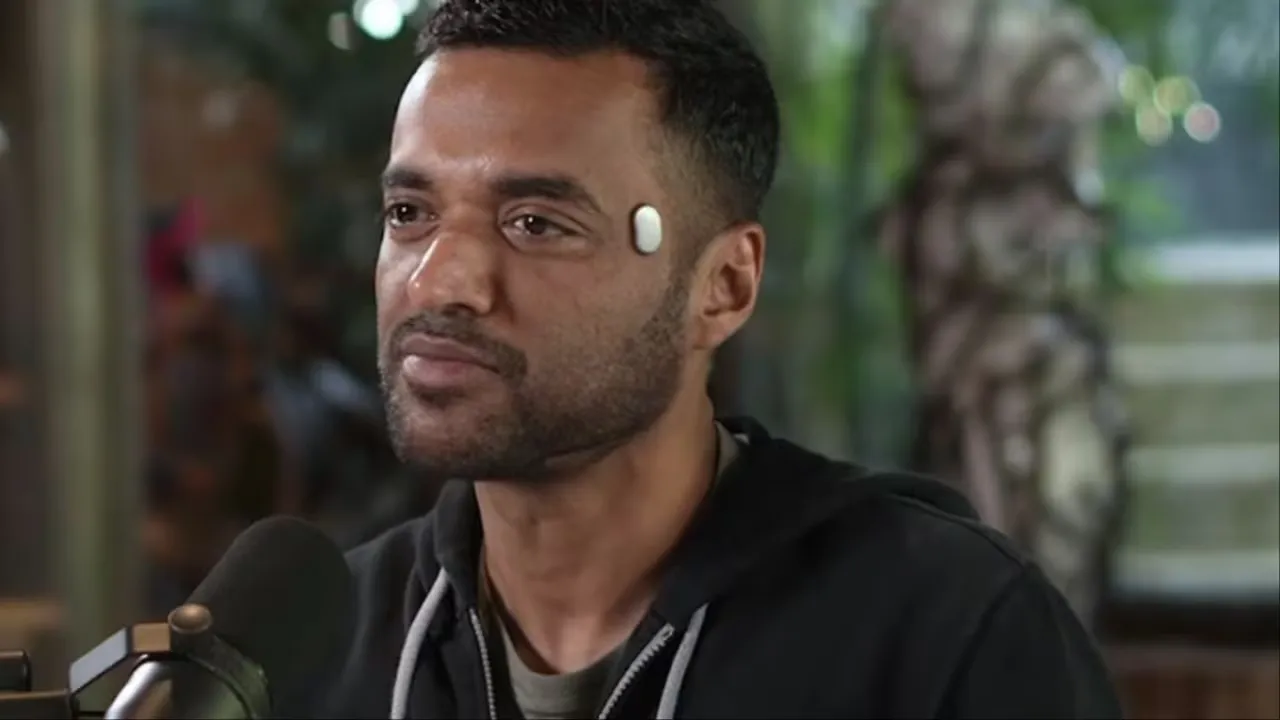
On the product side, Temple is developing a wearable, non-invasive monitoring device designed to be worn on the side of the forehead, engineered to measure blood flow in the brain — positioning the company within the broader and increasingly well-funded wearable health-technology category, but with a specific technical focus on cerebral blood flow monitoring that distinguishes it from more conventional fitness-tracking or cardiac-monitoring wearables that have dominated the category to date. The company is reportedly preparing for a wider commercial launch of the device in the coming months, with the current wave of investor interest and the accompanying valuation surge understood to be closely tied to growing confidence in the product's path toward that launch.
Temple represents just one thread within Goyal's broader post-Zomato investment activity. Beyond the wearable health-tech venture, Goyal has separately committed $25 million of his own personal capital to Continue Research, a venture focused on longevity science and exploring ways to extend human lifespan. He is also a co-founder of aviation startup LAT Aerospace, which has recently expanded into defence technology through the acquisition of early-stage firm Sharang Shakti. Taken together, this cluster of ventures reflects the kind of diversified, higher-risk entrepreneurial exploration Goyal had signalled he intended to pursue upon stepping down from his operating role at Eternal, the renamed parent company of Zomato and Blinkit that he had spent nearly two decades building into one of India's largest consumer internet platforms.