
The Silent Revolution on Our Plates
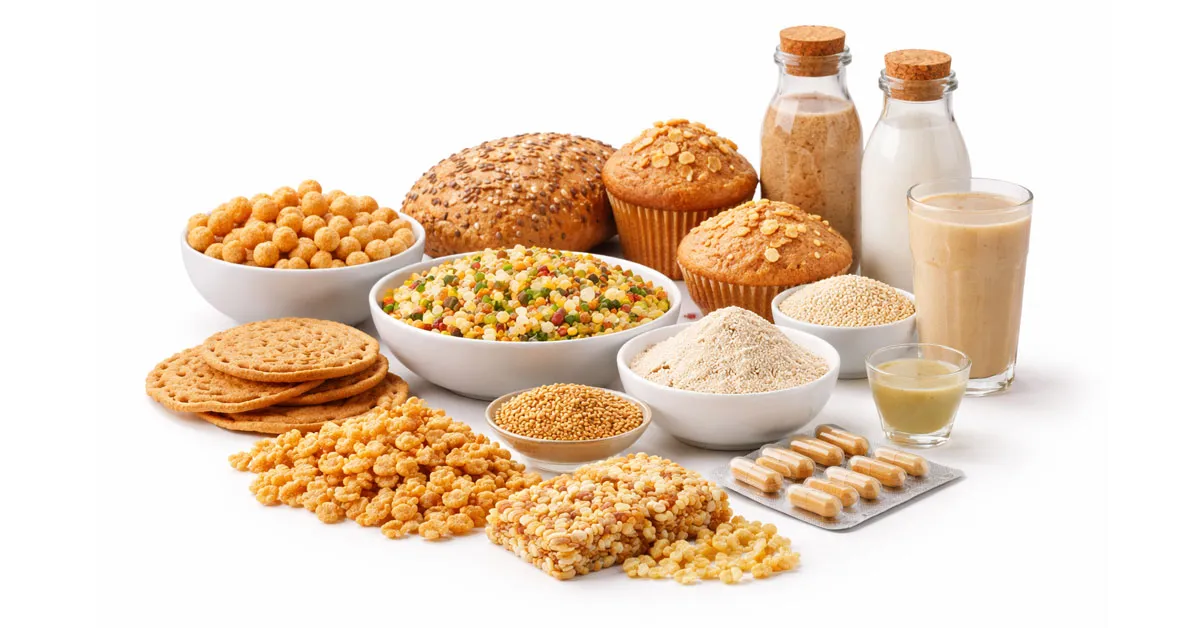
A profound shift is happening in kitchens and restaurants around the world. Consumers are increasingly rejecting traditional junk food in favour of "better-for-you" alternatives, with millets and natural foods leading the charge. What was once a niche health food movement has now become a mainstream phenomenon, driven by a powerful convergence of consumer awareness, scientific validation, and big business investment.
This is not a fleeting trend. It is a fundamental reimagining of our relationship with food. The global millet-based snacks market, valued at over $2.3 billion in 2025, is projected to reach $3.1 billion by 2032. This growth trajectory reflects a consumer shift toward nutrient-dense, low-glycemic, and allergen-friendly options that are naturally gluten-free and high in fibre and protein.
The Awareness Revolution
The driving force behind this shift is awareness. Consumers today are more educated about nutrition than any previous generation. They understand the connection between diet and chronic diseases like diabetes, obesity, and heart conditions. The COVID-19 pandemic accelerated this awareness, with people paying closer attention to immunity-boosting foods and overall wellness.
Social media has played a crucial role in this education. Nutritionists, fitness influencers, and health advocates have built massive followings by demystifying food science and exposing the hidden dangers of ultra-processed foods. The hashtag #EatClean has over 50 million posts on Instagram, while #Millet has seen a 400% increase in mentions over the past two years.
The UN's International Year of Millets (2023) was a watershed moment, significantly boosting public advocacy. Governments, NGOs, and international bodies collaborated to promote millets as a solution to food security, climate resilience, and nutrition. This global campaign pushed millets beyond their "niche health food" tag and embedded them in mass formats, from quick-service restaurants to school lunch programs.
What Are Millets and Why Are They Special?
Millets are a group of small-seeded grasses that have been cultivated for thousands of years in Asia and Africa. Varieties include pearl millet (bajra), finger millet (ragi), sorghum (jowar), foxtail millet, and little millet. They are nutritional powerhouses offering:
High fibre content that aids digestion and promotes satiety
Low glycemic index making them suitable for diabetics
Rich mineral profile including calcium, iron, and zinc
Gluten-free nature suitable for celiac and sensitive individuals
High antioxidant content that combats oxidative stress
Sustainable cultivation requiring significantly less water than rice or wheat
These characteristics make millets an ideal food for modern health concerns. They address everything from weight management to blood sugar control to heart health, all while being environmentally sustainable.
The Business Boom Behind Millets
The business response to this consumer shift has been swift and substantial. Major FMCG players have entered the millet-based segment with significant investments, recognizing the opportunity to capture the growing health-conscious demographic.
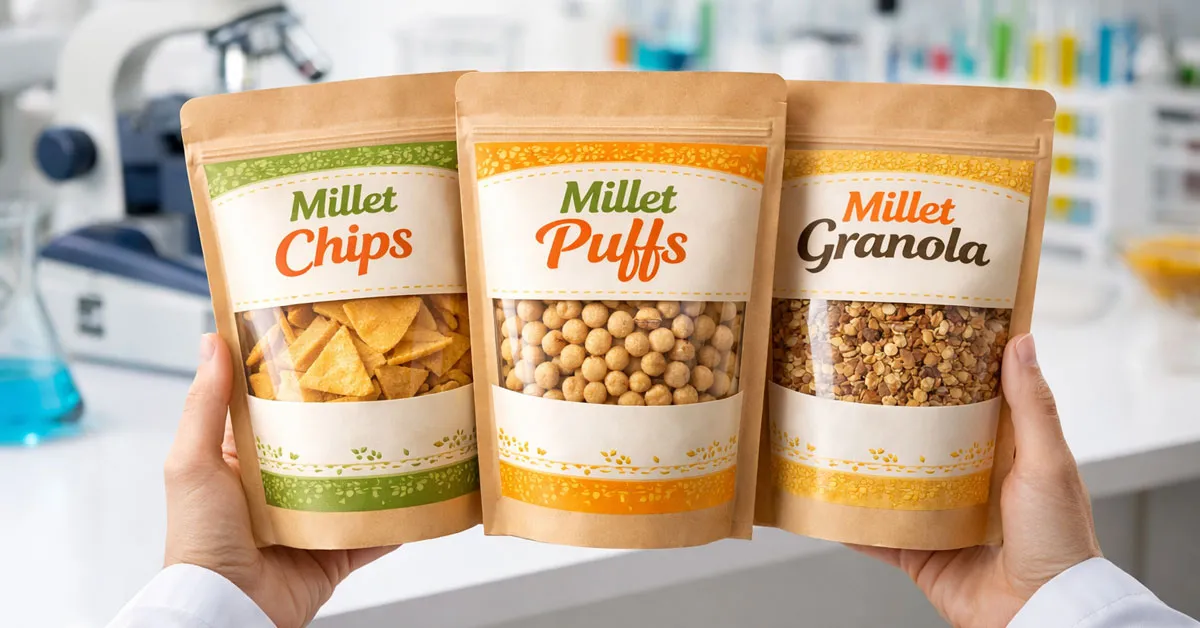
PepsiCo India's Kurkure, a household name in snacking, has entered the segment with "Kurkure Jowar Puffs." This move directly addresses consumer preferences for healthier options while leveraging a beloved brand name. The product bridges the gap between indulgence and nutrition, allowing consumers to enjoy a familiar snack experience with a healthier profile.
Similarly, ITC's "Mission Millets" lineup—spanning atta, cookies, noodles, and snacks—is a core part of its 'Help India Eat Better' nutrition strategy. ITC has recognized that the future of packaged food lies in offering healthier alternatives without compromising on taste or convenience.
Startups have been even more agile. Slurrp Farm, founded by Meghana Narayan and Shauravi Malik, has built a thriving direct-to-consumer (D2C) brand around millet-based baby and toddler foods. The Whole Truth, founded by Shashank Mehta, has built its entire philosophy around "100% clean-label" products, using millets and natural ingredients.
The Economics of the Millet Market
The business behind this revolution is robust and multifaceted:
1. FMCG Giants: For large corporations, millets offer a way to innovate and grow in a sluggish packaged-food market. They provide a premium positioning that commands higher margins while addressing regulatory and consumer pressure for healthier options.
2. D2C Startups: For entrepreneurs, millets represent a differentiated product category with passionate early adopters. E-commerce and quick-commerce platforms provide instant reach, while subscription models offer predictable recurring revenue.
3. Agricultural Sector: The shift to millets has positive implications for farmers. Millets are climate-resilient, requiring less water and chemical inputs than rice or wheat. This makes them more profitable and sustainable for smallholder farmers.
4. Processing and Manufacturing: The value chain from farm to fork creates opportunities in cleaning, processing, packaging, and distribution. Specialized machinery and supply chains are being developed to handle millet processing at scale.
5. Export Potential: India is the world's largest producer of millets, and the global demand creates significant export opportunities. Processed millet products are finding markets in Europe, North America, and the Middle East.
The Role of Quick Commerce
The rise of quick-commerce platforms like Zepto, Blinkit, and Instamart has been a game-changer for the millet revolution. Consumers can now order millet-based snacks, flours, and ready-to-eat meals and have them delivered in under 15 minutes. This instant gratification removes the friction of seeking out specialty health stores.
The data from these platforms confirms the trend. Millet-based products consistently rank among the top-selling health food categories, with repeat purchase rates significantly higher than average. This validates that consumers are not just trying millets; they are incorporating them into their regular diets.
Marketing the Millet Message
Brands have had to be strategic in marketing millets. Unlike some health foods that require consumers to compromise on taste, millet products are being positioned as delicious first and healthy second. The messaging focuses on the complete experience rather than just nutritional benefits.
Successful campaigns emphasize:
Familiarity: Products that taste like the junk food consumers love but with better ingredients
Convenience: Ready-to-eat, easy-to-prepare formats that fit busy lifestyles
Authenticity: Traditional recipes and heritage that connect to cultural identity
Aspiration: Association with fitness, wellness, and a modern lifestyle
Challenges and Opportunities
Despite the growth, the millet revolution faces challenges:
1. Cost: Millet-based products are often more expensive than their refined counterparts. Scaling production and supply chains will be crucial to making them accessible to mass markets.
2. Taste Adaptation: While many consumers are willing to try healthier options, they won't compromise on taste. Brands must invest in R&D to perfect their formulations.
3. Awareness Gap: While urban consumers are increasingly aware of millets, rural and semi-urban markets still need education and exposure.
4. Supply Chain Infrastructure: The millet supply chain is less developed than that of rice and wheat. Investment in processing, storage, and logistics is needed.
5. Regulatory Environment: Clearer labeling, certification, and health claims regulations will help consumers make informed choices.
The Future of Food
The millet revolution is part of a larger shift toward mindful eating. Consumers are increasingly asking not just "Is this delicious?" but also "Is this good for me? Is this good for the planet?" This questioning represents a fundamental change in consumer values that will define the food industry for decades to come.
The UN Food and Agriculture Organization estimates that to feed the projected global population of 9.7 billion by 2050, we need agricultural systems that are both productive and sustainable. Millets, with their low water footprint and high nutritional density, are a crucial part of this solution.
For businesses, the message is clear: health and indulgence are no longer mutually exclusive. The brands that can deliver both—delicious nutrition that consumers trust and enjoy—will dominate the future of food.
The millet revolution is not just a business opportunity; it is a positive force for individual health, environmental sustainability, and food security. That is a revolution worth joining.


