
CHENNAI — The conventional wisdom says Tamil Nadu is losing its best and brightest. Walk into any boardroom in Chennai, and you'll hear the same lament: our top talent is fleeing to Bengaluru and Hyderabad. The state's youth unemployment rate sits at 14 percent — higher than the national average of 9.9 percent. Skilled professionals, particularly in tech, are voting with their feet.
But that narrative is only half the story.
Here's what the data actually shows: Tamil Nadu's talent isn't disappearing. It's redistributing. And the transformation underway could be one of the most consequential economic shifts in modern India.
The Rise of the Global Capability Centre
At the heart of this story is the explosive growth of Global Capability Centres — the high-value research, engineering, and innovation hubs that multinational corporations are establishing in India.
Tamil Nadu, particularly Chennai, has emerged as a major destination for these centres. Chennai already hosts over 10 percent of India's overall GCC presence, ranking fourth among Indian cities with an 11 percent market share in Q1FY26. The city's dominant capability streams include BFSI operations and risk management, ERP modernization, and automotive technology — a perfect blend of the state's traditional manufacturing strengths and its growing tech expertise.
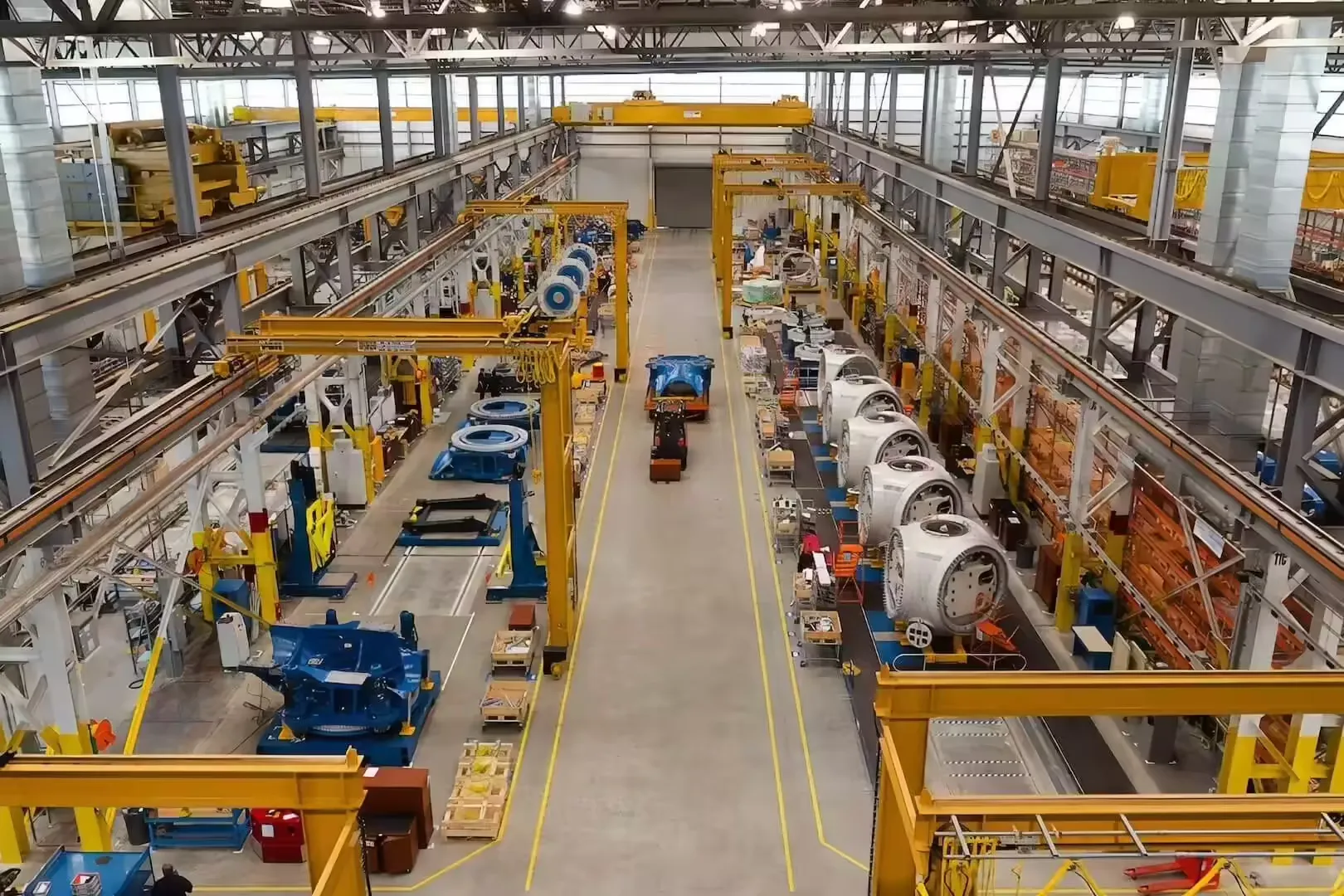
The state is betting big on this sector. Tamil Nadu's policy framework offers payroll subsidies of 30 percent in the first year, 20 percent in the second, and 10 percent in the third for high-paying GCC positions — specifically targeting roles with monthly payroll costs of ₹100,000 or more. The state aims to host over 460 GCCs employing more than 1.5 million professionals by 2030.
With a talent pool of 500,000+ annual graduates and cost advantages over traditional metros, Tamil Nadu has positioned itself as an innovation epicenter rather than just a manufacturing hub.
The Real Story: Tier-2 Cities Are Winning
Here's where the "brain drain" narrative breaks down.
Between January and March 2026, Tier-2 cities across India recorded growth rates approximately 20 percentage points higher than Tier-1 metros in GCC hiring. Tamil Nadu's Tier-2 cities are at the forefront of this shift.
Coimbatore: The Rising Star
Coimbatore is rewriting the state's investment map. One in seven GCCs in Tamil Nadu is already anchored here — and that number is growing faster than anywhere else in the state. The city is ranked as the top Tier-II city for GCCs, driven by its availability of engineering graduates, quality of life, and ease of doing business.
The numbers are staggering. The Tamil Nadu government signed 158 MOUs worth ₹43,844 crore ($5.3 billion) for the Coimbatore zone, ensuring over 100,000 new jobs. These investments span electronics, defense, aerospace, auto electronics, data centres, and GCCs.
What's driving this momentum? Cost efficiency. Companies expanding from Chennai can save 25-35 percent on operating costs while tapping into high-caliber engineering talent. Coimbatore boasts a 21 percent CAGR in technology arrangements, with a focus on EVs, engineering R&D, and AI through parks such as SVB Tech Park and ELCOT SEZ.
Recent investments include a $4.6 million AI startup called Aivar, funded by Sorin and Bessem, and a $5 million AI robotics investment in Xlogic Labs.
Madurai, Tiruchirappalli, and Vellore
The growth isn't limited to Coimbatore. Madurai is fast becoming a hub for technology firms, while Tiruchirappalli and Vellore are gaining traction, supported by reputed educational institutions that supply a steady stream of skilled graduates.
This isn't a brain drain. It's a brain redistribution — a deliberate, policy-driven effort to spread economic activity and opportunity across the state.
The Capability Gap: Why Tier-2 Still Struggles
However — and this is a critical nuance — the Tier-2 growth story comes with a significant constraint.
Tier-2 cities are struggling to meet the depth requirements of advanced digital roles. According to a Quess Corp report, approximately 50 percent of mid-senior level advanced role mandates in Tier-2 hubs are being re-routed to Tier-1 cities.
The math is stark: for every 6-10 open roles in advanced domains like AI engineering, cloud-native development, or zero-trust cybersecurity, only one qualified mid-senior profile can typically be found in Tier-2 locations. Shortlists dry up within weeks.
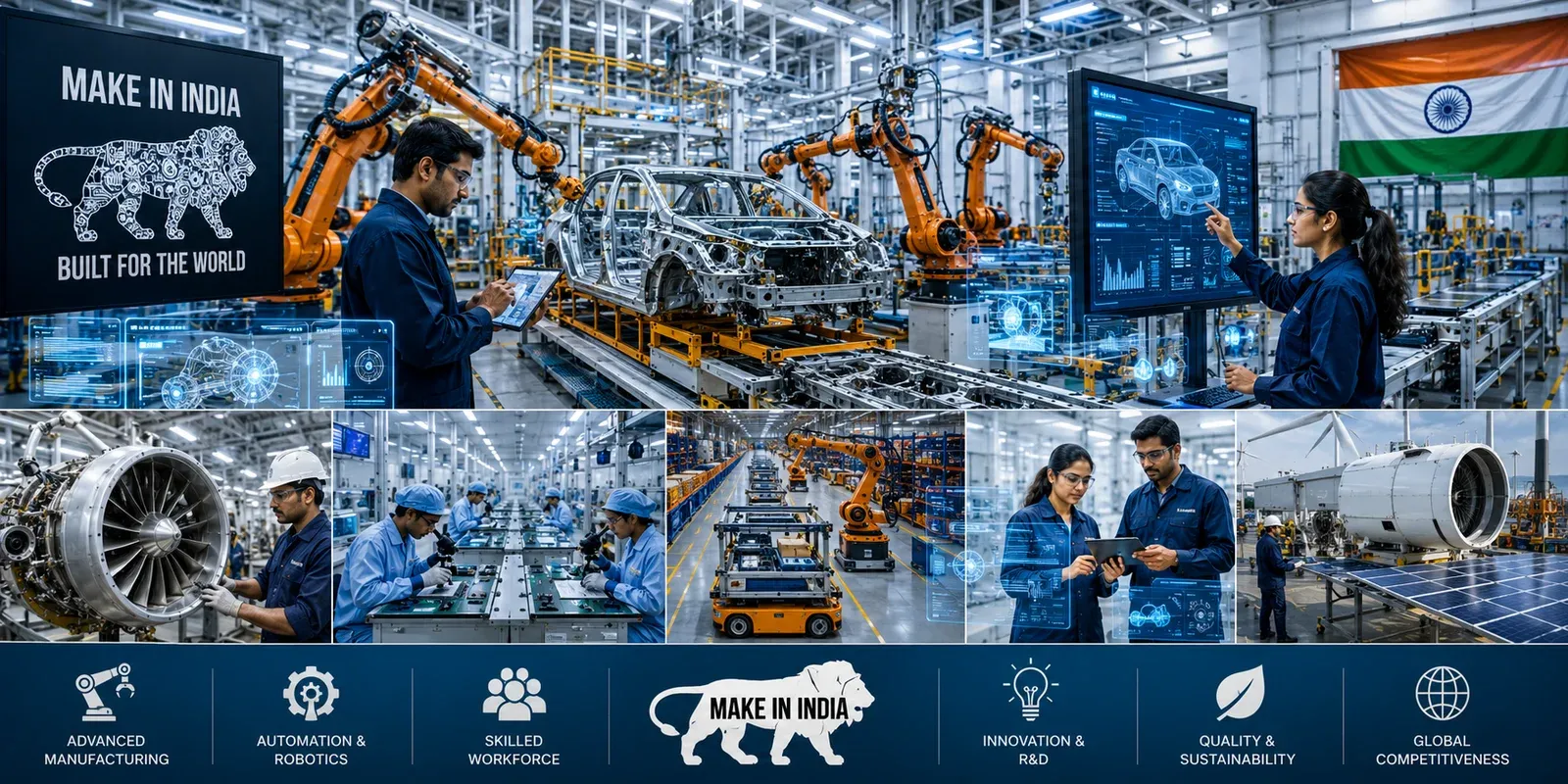
The most acute capability gaps include:
· Multi-cloud Infrastructure as Code (IaC) · MLOps at scale · Chaos engineering · Red-team cybersecurity skills · LLM fine-tuning and GenAI engineering
A separate report highlighted a 43 percent skills shortage in AI, data, and analytics roles across India's GCCs, with platform engineering facing a 38 percent gap.
This explains a seeming paradox: Tier-2 cities are growing much faster than Tier-1 cities, yet talent is still flowing toward Bengaluru, Hyderabad, and Chennai. The reality is that entry-level and mid-tier support work is decentralizing, while the most complex, highest-paying innovation roles remain concentrated in established tech hubs.
What's Driving the Brain Redistribution?
Supply and Demand
Tamil Nadu's traditional industrial strength — manufacturing — is becoming more capital-intensive and less labor-intensive. Meanwhile, the GCC sector is rapidly expanding. The talent base is pivoting from factory floors to knowledge centers.
Cost Advantages
Tier-2 cities offer 25-35 percent cost savings on operations compared to Chennai, making them attractive for scaling support functions.
Policy Incentives
The Tamil Nadu GCC policy offers substantial payroll subsidies for high-paying jobs, but these are capped at 50 GCCs to ensure quality over quantity. The government is deliberately curating growth rather than letting it run wild.
Infrastructure Development
The Chennai real estate market is seeing a GCC-driven boom, with premium office space expanding and rental yields in tech corridors like OMR reaching 6.5-7.2 percent. But the demand is also spilling over to Coimbatore, where a similar residential boom is taking place near tech parks.
The Reverse Migration Opportunity
There's another dimension to this story: the global reverse migration trend.
As restrictive immigration policies in the United States under President Donald Trump's administration push Indian scientists and engineers to consider leaving, states like Tamil Nadu are positioning themselves to capture returning talent.
The Tamil Nadu government has launched a pioneering reverse migration initiative offering competitive salaries, startup grants, relocation support, and expedited visas through the "Tamil Talents Plan," which connects returning scholars with institutions like the University of Madras and Madurai Kamaraj University. The state has allocated ₹100 crore for new research centers in collaboration with the Indian Institute of Science and Tata Institute of Fundamental Research, focusing on AI and applied sciences.
The historical precedent is instructive: India's earlier efforts to attract back Non-Resident Indians through the development of tech hubs in Bangalore and Hyderabad successfully brought approximately 200,000 NRIs back from the US annually. Tamil Nadu is now attempting a similar play — not just to stop a brain drain, but to reverse it.
The Bottom Line
The "brain drain" narrative is a lazy shorthand for a much more complex — and ultimately more optimistic — reality.
What's happening in Tamil Nadu is a massive redistribution of talent and economic activity across the state. Coimbatore is emerging as a genuine tech hub. Chennai is deepening its GCC specialization. The government is actively courting high-value investment and building the infrastructure to support it.
The challenge isn't the loss of talent — it's the mismatch between the skills available and the skills demanded. With a national-level 43 percent skills gap in AI, data, and analytics, the problem isn't that Tamil Nadu lacks talent. It's that the talent isn't trained for the jobs of the future.
In the end, the story of Tamil Nadu's talent landscape isn't one of loss. It's one of transformation — and the state is positioning itself to capture the next wave of India's knowledge economy.
This article is part of a series on India's evolving business landscape.


