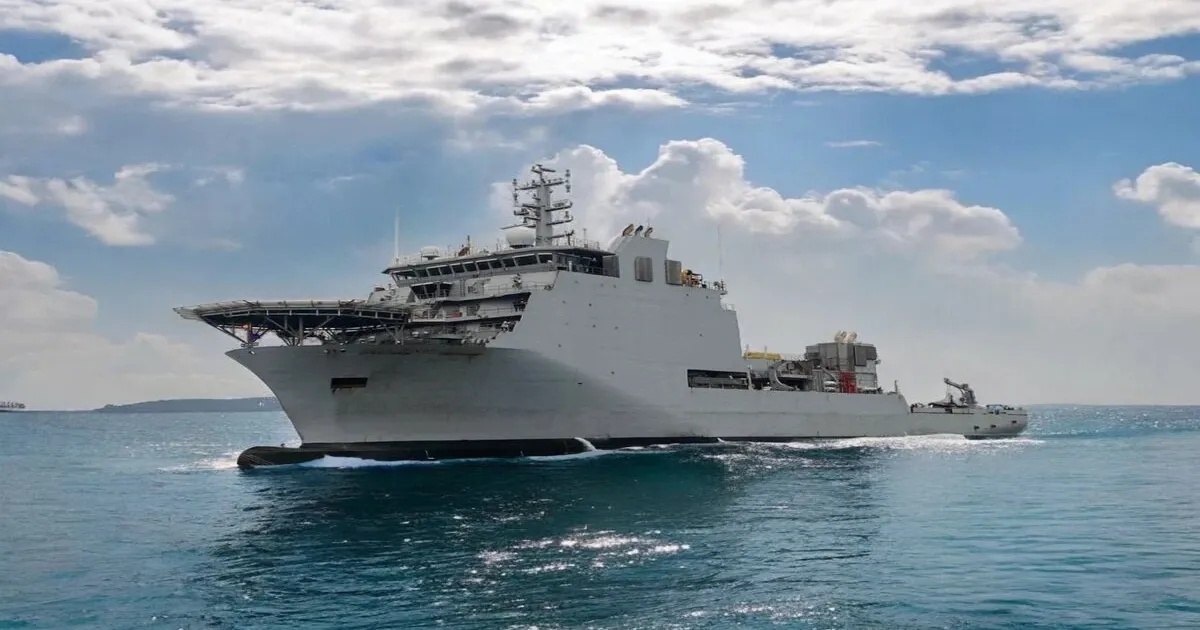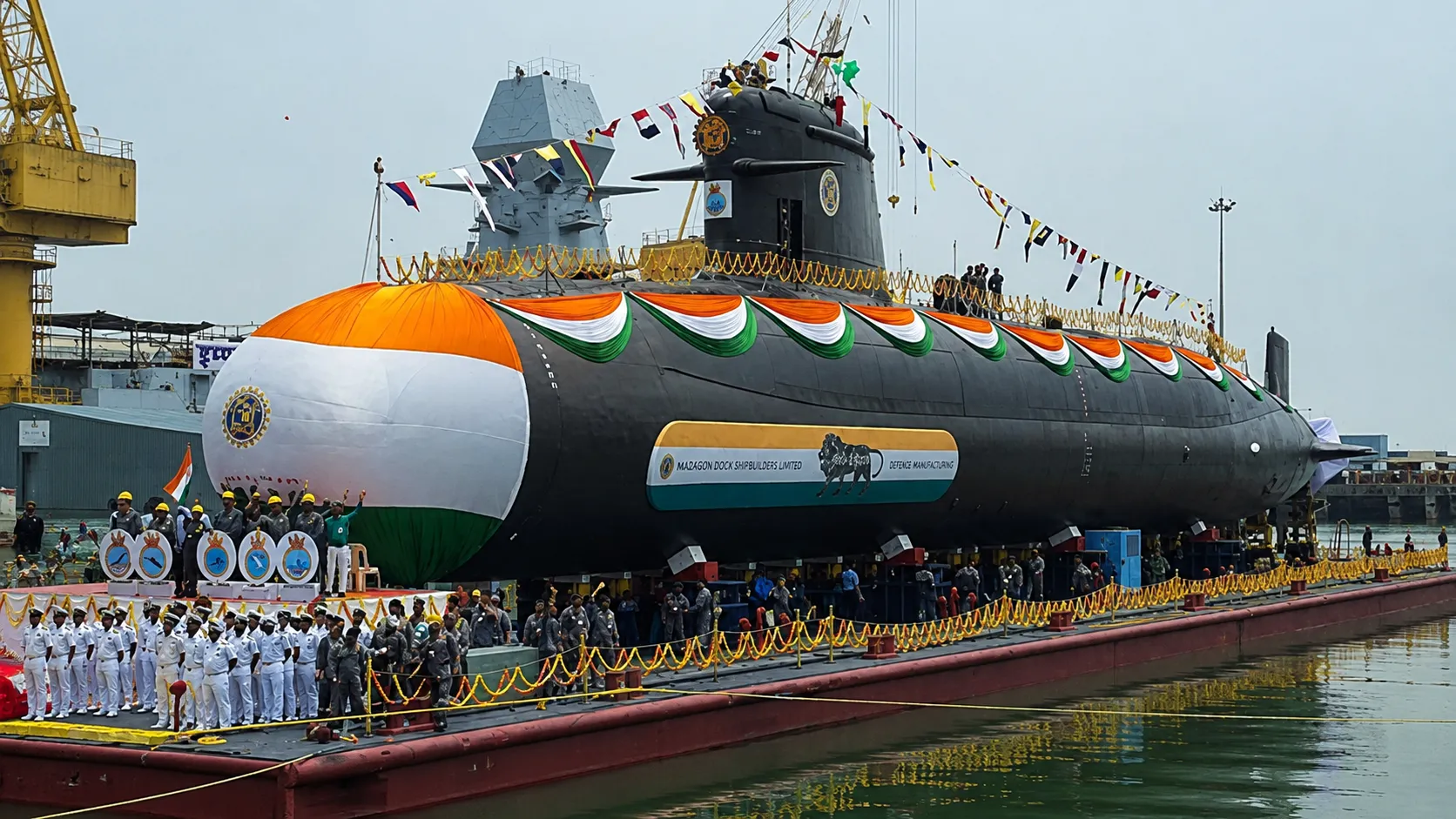
Gujarat has formally staked its claim to becoming India's leading hub for shipbuilding and maritime manufacturing, with Chief Minister Bhupendra Patel launching the state's ambitious "Shipbuilding and Repair Policy 2026" in Gandhinagar on Monday, July 27. The announcement was paired with confirmation that the Centre has separately approved a mega greenfield shipbuilding cluster at Kuchhadi in Porbandar district — a combined push expected to draw investments exceeding ₹27,000 crore into the state's coastal industrial ecosystem over the coming years.
The scale of ambition embedded in the policy is considerable. It envisages the establishment of two Integrated Mega Shipbuilding Parks and aims to increase Gujarat's overall shipbuilding capacity to more than 50 lakh Deadweight Tonnage, or DWT — a standard industry measure referring to the maximum weight a vessel can safely carry, including cargo, fuel, and crew. Alongside the capacity target, the policy sets out an equally significant human-capital ambition: skill development and capacity-building training for more than five lakh people, a figure that underscores just how central this initiative is intended to be not merely as an industrial policy, but as a large-scale employment generation programme for coastal Gujarat.
Speaking at the launch, Chief Minister Patel framed the policy within the broader national vision for self-reliant manufacturing. "This policy will create a globally competitive shipbuilding ecosystem in Gujarat and strengthen the state's role in achieving the vision of Viksit Gujarat 2047 and Aatmanirbhar Bharat," he said, linking the state-level initiative to the Centre's long-term development roadmap for a developed India by the year 2047, exactly a century after independence. Patel also pointed to Gujarat's inherent geographic advantages as the natural foundation for the policy — the state's 2,340-kilometre coastline, among the longest of any Indian state, combined with its already extensive port infrastructure and established industrial base, positions it uniquely to absorb large-scale maritime manufacturing investment.
The centrepiece of the policy's implementation will be the Mega Greenfield Shipbuilding Cluster at Kuchhadi, in Porbandar district — a project that has received in-principle approval from the Centre and is expected to become one of the most significant maritime infrastructure developments undertaken in India in recent years. According to Gujarat's Science and Technology Minister, Arjun Modhwadia, the proposed cluster will accommodate two to three world-class shipyards, supported by a dense network of ancillary industries feeding into ship component manufacturing, repair services, and marine equipment production. Modhwadia expressed particular gratitude to Prime Minister Narendra Modi, Union Shipping Minister Sarbananda Sonowal, and Union Minister Dr Mansukh Mandaviya — who also represents Porbandar in Parliament — for securing the in-principle Centre approval that makes the project possible.
The financial architecture behind the ₹27,000-crore figure is worth examining in detail, since it reveals a deliberate public-private blended investment model. Of the total, private investment in the shipyards themselves is expected to account for approximately ₹23,700 crore — capital that will come from shipbuilding companies and industrial groups choosing to establish or expand operations within the new cluster. The remaining roughly ₹3,300 crore is earmarked for common marine and land-based infrastructure, to be funded jointly through the Centre's Shipbuilding Development Scheme, commonly abbreviated as SbDS, and matching contributions from the Gujarat state government itself.
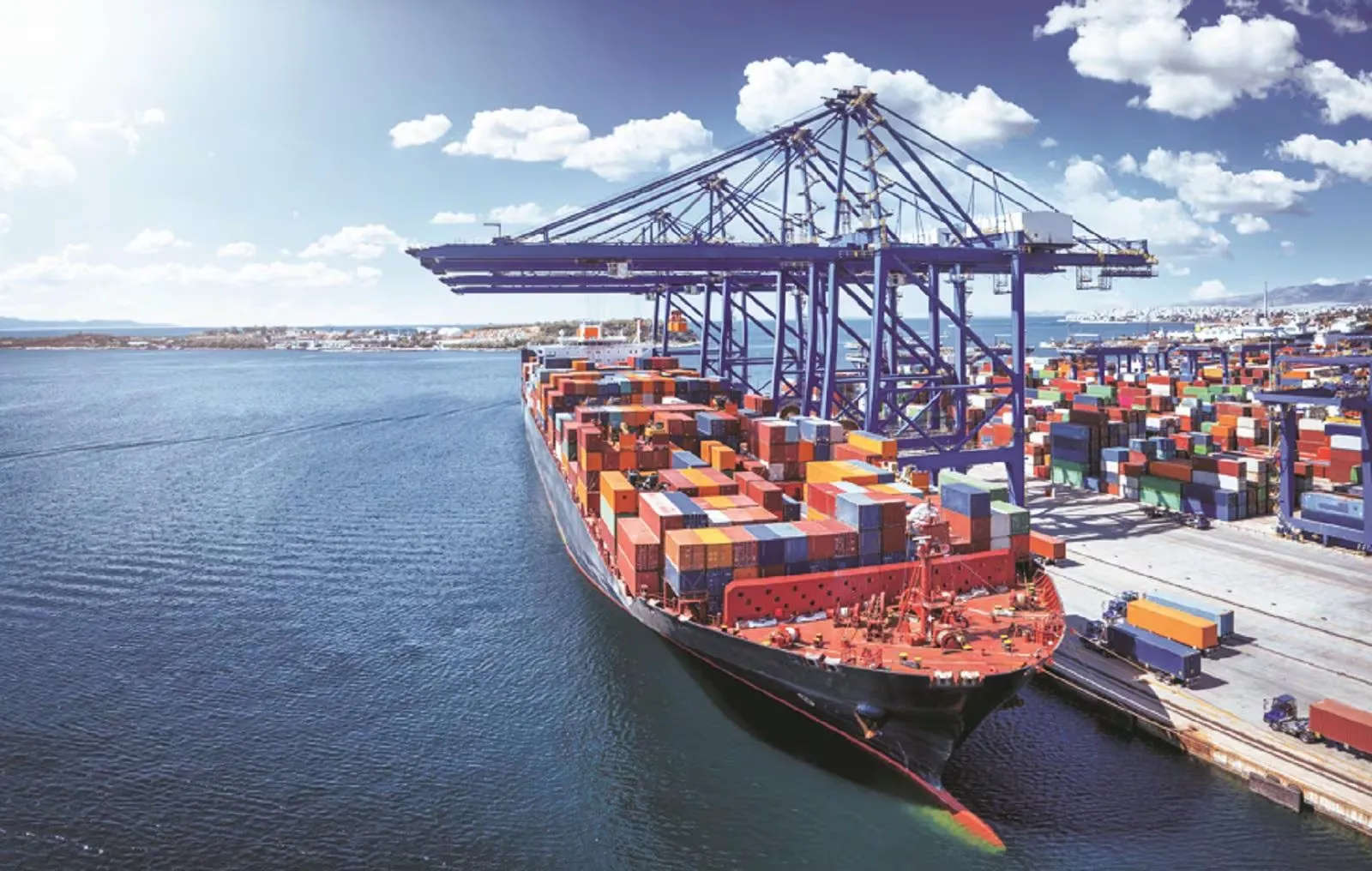
This shared infrastructure spending is not incidental — it is, in many respects, the policy's most strategically important component. The planned common infrastructure includes breakwaters to protect harbour areas from open-sea conditions, floating cranes and heavy-lift vessels for handling large ship components, dedicated dredging facilities to maintain navigable channel depths, harbour basin development, new navigation channels, and supporting road, electricity, and water supply networks. By socialising the cost of this foundational infrastructure across public funding sources, the policy is designed to substantially lower the barrier to entry for private shipbuilders who might otherwise be deterred by the enormous upfront capital typically required to establish greenfield shipyard operations from scratch.