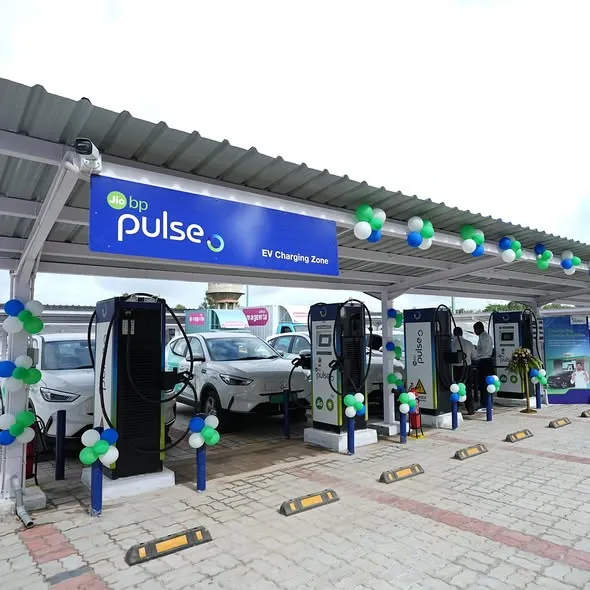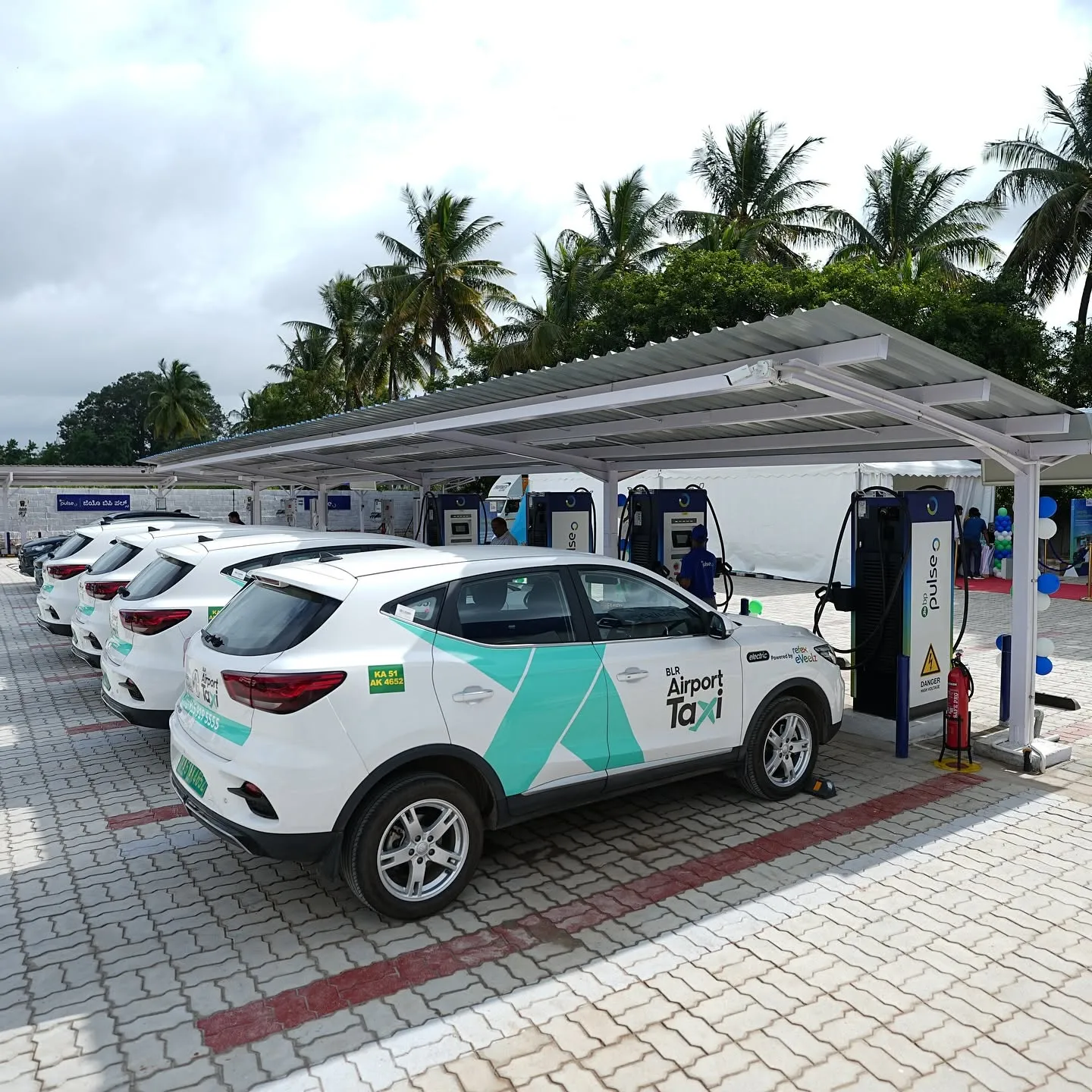
India’s electric vehicle revolution is hitting a familiar roadblock: the lack of reliable public charging. While EV sales have grown at 40% annually, the number of public chargers has lagged, creating range anxiety and deterring potential buyers. GreenLync, a two‑year‑old startup based in Gurugram, is building an open, interoperable network that works with any EV model. The company has just raised $35 million in Series A funding led by Sequoia India, with participation from Tiger Global and Toyota Ventures. The fresh capital will be used to deploy 10,000 fast chargers across 50 Indian cities by the end of 2027, making it one of the most ambitious EV infrastructure plays in the country.
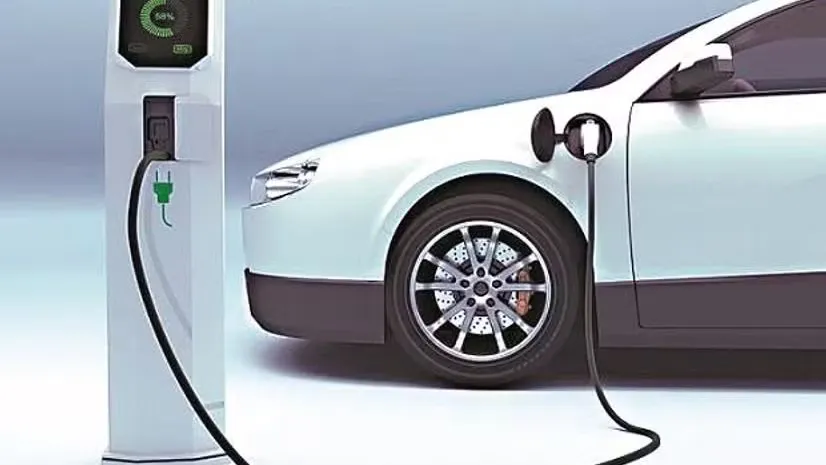
Unlike closed networks that lock users into specific apps or memberships, GreenLync’s chargers accept payments from any EV roaming app, including those from Tata Power, Statiq, and Ather. The company’s platform uses the Open Charge Point Protocol (OCPP), allowing any charger manufacturer to join. “We are the India‑first open roaming network,” said co‑founder and CEO Arjun Nair, a former Tesla engineer. “A customer with an Ola scooter or a BYD car should not need three different apps to find a charger. We remove that friction.”
GreenLync currently operates 1,200 chargers across 15 cities, including Delhi, Mumbai, Bengaluru, and Hyderabad. The company claims a utilization rate of 25% – well above the industry average of 10%. Its chargers are located at high‑traffic sites such as malls, office parks, and fuel stations, secured through revenue‑sharing partnerships. The startup also offers a white‑label software suite for businesses that want to install their own chargers but cannot manage the backend.
The funding round comes as India’s EV market accelerates. EV sales crossed 1.5 million units in 2025, up 40% from the previous year, but public chargers number only about 12,000 nationwide – a ratio of 125 vehicles per charger, far worse than China’s 5:1 or Europe’s 8:1. The government’s FAME III scheme, expected later this year, will allocate $2 billion for charging infrastructure, and GreenLync is positioning itself as a key implementation partner. The company has already been empanelled by the Bureau of Energy Efficiency (BEE) to set up chargers under the national EV policy.
GreenLync’s technology includes smart load balancing, which prevents grid overload during peak hours, and a dynamic pricing engine that lowers rates during off‑peak hours to encourage demand. The chargers are also integrated with India’s Unified Energy Interface (UEI), a government‑backed protocol for roaming. “Interoperability is the only way to scale,” said Sequoia India partner Shailesh Lakhani. “GreenLync has the best team and the most advanced technology to make that happen.”
The company will use the funds to manufacture its own line of 60kW and 120kW DC fast chargers, reducing dependency on imports. It also plans to launch a battery‑buffered charger for locations with weak grid connectivity, such as highways and rural routes. GreenLync expects to become profitable by 2028, driven by charging revenue and software subscription fees from enterprise customers. The company projects that each charger will generate ₹1.5 lakh ($1,800) in annual revenue at full utilization, and with 10,000 chargers, the top line would reach ₹150 crore ($18 million) by 2028.
Competitors include ChargeZone (backed by Hyundai) and Fortum India, but both are more capital‑intensive and less focused on open standards. GreenLync’s lean, asset‑light model – it owns the chargers but not the land – gives it an edge. “We don’t need to buy real estate; we partner with landowners,” Nair said. “That means we can deploy faster and with less capital.” The startup also has a partnership with Tata Power to use their existing grid connections, further reducing deployment costs.
The startup also announced a strategic partnership with ride‑hailing giant Ola to install chargers at Ola’s driver hubs. Ola’s 500,000 drivers will receive discounted rates, and GreenLync will gain access to a large, stable customer base. Similar discussions are underway with Uber and BluSmart. In addition, GreenLync is working with real estate developers to pre‑wire new apartment complexes with EV charging capability, a model that mimics the solar rooftop business.
The Series A round was oversubscribed, with interest from international climate funds. Toyota Ventures participated as a strategic investor, indicating that Japanese automakers see India as a key EV market and want to support charging infrastructure. The investment also includes a $5 million green bond facility from the Asian Development Bank, which will be used to finance charger deployment in low‑income areas.
GreenLync’s long‑term vision is to become the “India stack for EV charging” – a set of open APIs that any charging station can plug into, and any EV app can access. The company has already released its roaming API for free to small charger operators, a move that builds goodwill and accelerates network effects. “We want to create a public good, not a walled garden,” Nair said. “The faster India builds charging infrastructure, the faster we decarbonize transport. That benefits everyone.”
The company has set a target of 1 million charging sessions per day by 2030. To reach that, it will need to install 100,000 chargers and raise further capital. The Series A is just the beginning. GreenLync is already in talks for Series B, which could come as early as mid‑2027, valuing the company at over $500 million.
For now, the focus is on execution. The next 18 months will see GreenLync expand from 15 to 50 cities, hire 500 engineers and field technicians, and build its own charger factory in Haryana. The startup’s success will depend on whether it can maintain quality, keep costs low, and integrate with the rapidly evolving EV ecosystem. But with strong backing from top investors and a clear product‑market fit, GreenLync is well positioned to lead India’s EV charging revolution.