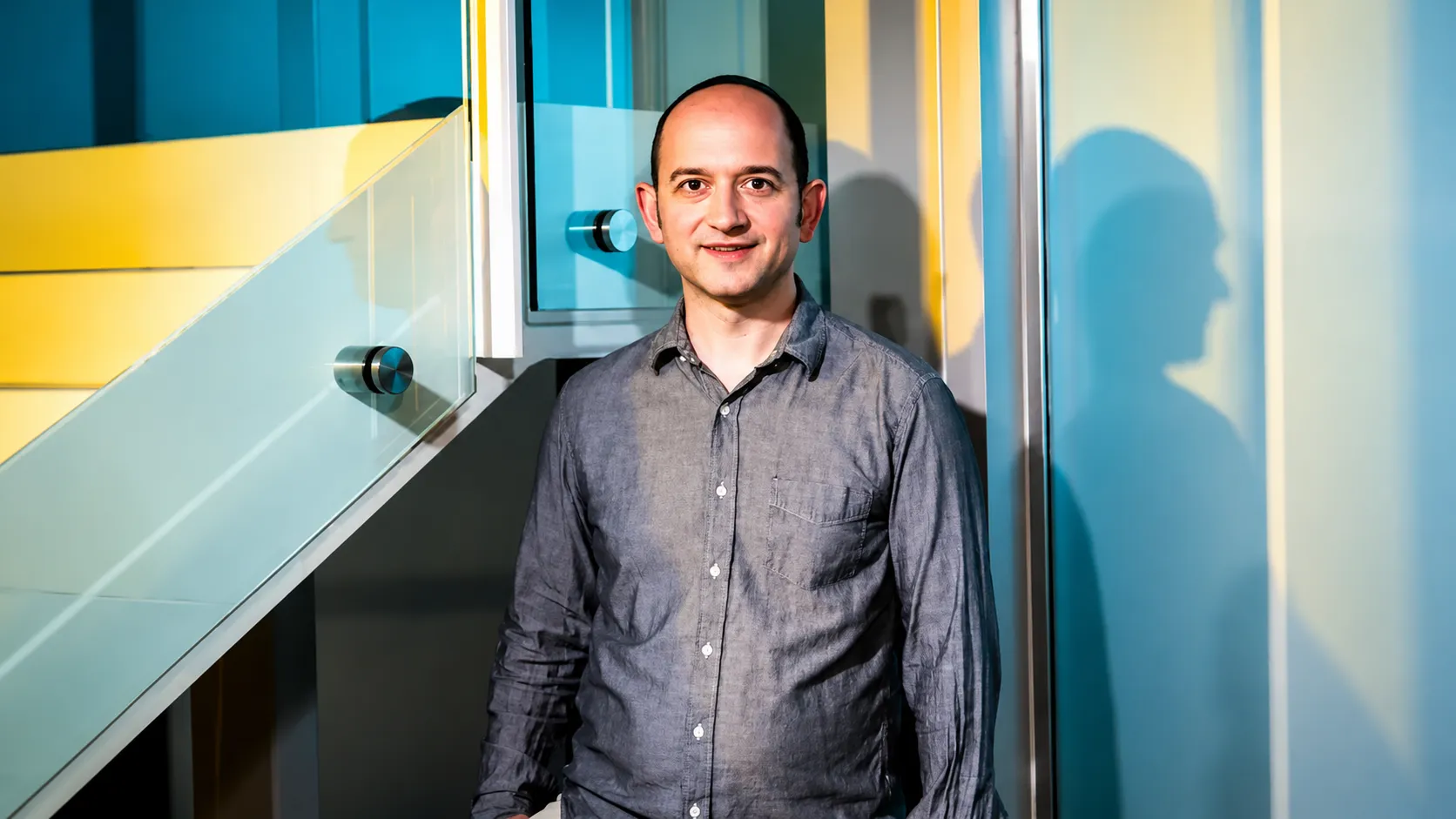
Less than two years ago, Google spent an eye-watering $2.7 billion to bring one man back into the fold. On Wednesday, that man walked out the door anyway — straight into the arms of OpenAI, the company Google has spent the better part of a decade trying to outpace.
Noam Shazeer isn't just another senior executive on the move. He is the co-author of the single research paper that arguably created the modern AI industry, and the man Google trusted to co-lead Gemini's race to catch ChatGPT. His departure for OpenAI is, by any measure, one of the most consequential individual talent moves Silicon Valley has seen in years.
The Man Who Co-Wrote The Paper That Built Modern AI
To understand why this move matters so much, it helps to understand who Noam Shazeer actually is. Back in 2017, while working at Google, Shazeer was one of the lead authors of “Attention Is All You Need” — the paper that introduced the Transformer architecture now underpinning virtually every large language model in existence, from ChatGPT and Gemini to Claude itself. It is hard to overstate how foundational that single piece of research has been; without it, the generative AI boom of the past several years simply doesn't happen the way it did.
Shazeer first joined Google back in 2000, and one of his earliest contributions was improving the spelling correction in Google's search engine — a reminder that his career at the company predates the entire modern AI era by nearly two decades.
The Saga: Meena, Character.AI, And A $2.7 Billion Comeback
Shazeer's relationship with Google has never been simple. Alongside colleague Daniel De Freitas, he built an advanced chatbot inside Google called Meena — but when the company declined to release it publicly, the pair left in 2021 to found their own venture, Character.AI, building consumer-facing, transformer-based dialogue systems well before ChatGPT's public debut in November 2022.
Google's answer to losing him came in August 2024, in the form of a deal reported to be worth roughly $2.7 billion — structured publicly as a licensing agreement for Character.AI's technology, but which also brought Shazeer and De Freitas, along with a team of researchers, back into Google's DeepMind unit. Once back, Shazeer was put in charge of co-leading Gemini's development and was widely credited as a central figure in the model's progress as it worked to close the gap with OpenAI's ChatGPT.
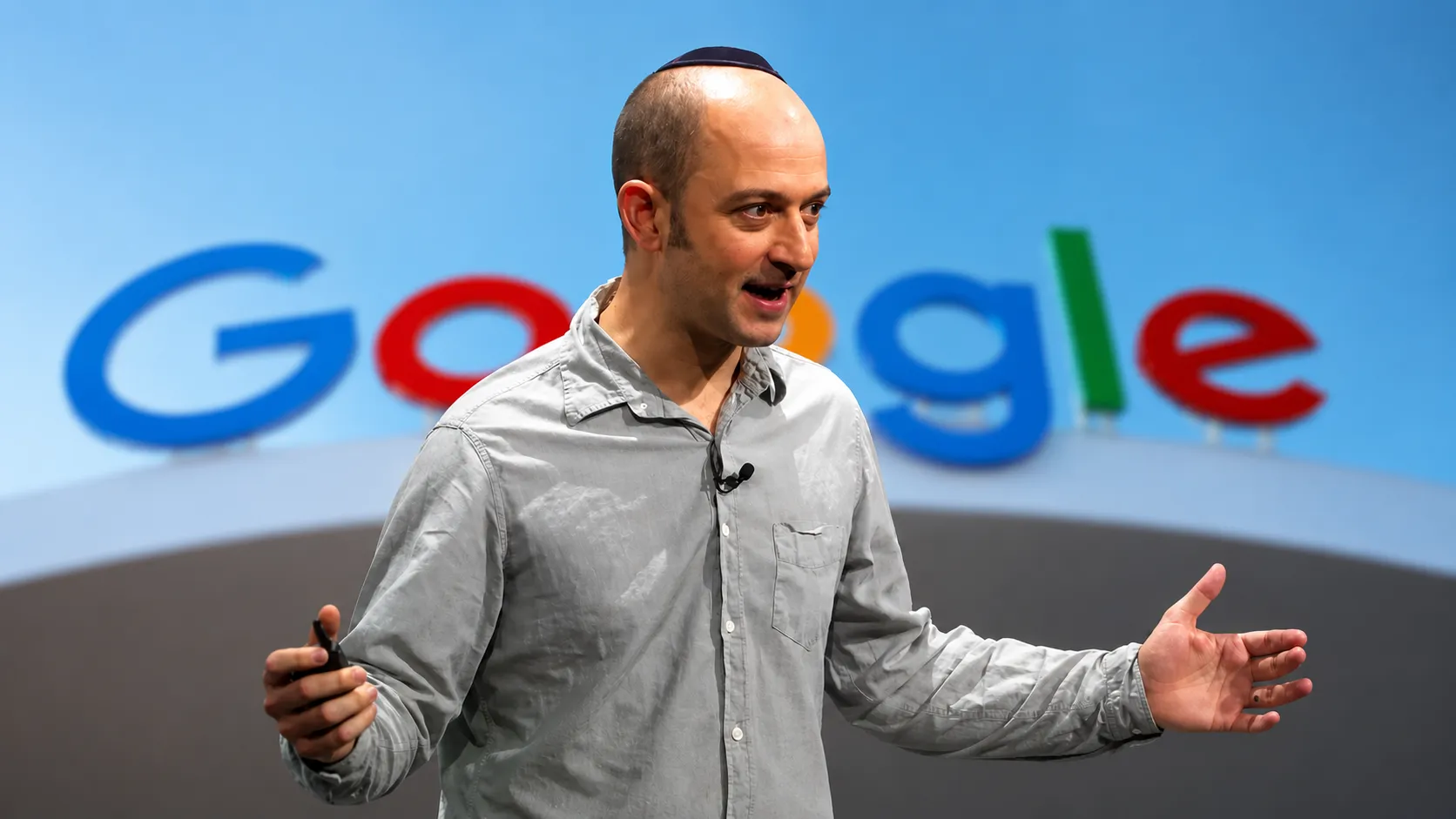
The Announcement That Shook The AI World
On Wednesday, June 18, Shazeer confirmed the move himself, posting on X that he was looking forward to working with OpenAI's team, while calling the decision a difficult one and expressing pride in what he and his Google colleagues had built together. Google, for its part, kept its response brief, telling Reuters only that it was grateful for his contributions over the years and that the exact timing of his departure was not immediately clear.
Why This Move, Why Now
Timing rarely happens by accident in an industry this competitive. Shazeer's exit lands just as OpenAI is reportedly preparing for an IPO later this year — a milestone that makes the company an even more attractive destination for top-tier research talent chasing both mission and upside. It also lands at a moment when the AI talent market has been in near-constant motion through 2026, with researchers moving between OpenAI, Google DeepMind and other frontier labs at a pace that would have seemed unthinkable just a few years ago.
There's also a competitive subplot worth watching: recent market-share data has shown ChatGPT's dominance softening as Gemini and other rivals gain ground. Shazeer's move could be read two ways — as OpenAI moving to shore up its research bench at a critical moment, or as a signal that even insiders who helped narrow Gemini's gap with ChatGPT see OpenAI's next chapter as the more compelling bet.
What It Means For The Industry
For the Impactful Global Indian reader, this is a story worth tracking less for the individual and more for what it says about the AI industry's current state: a handful of researchers now command nine-figure leverage, companies are willing to spend billions just to keep one person in the building, and even that isn't always enough. Google will now have to manage a leadership gap on Gemini at a moment of intense competitive pressure, while OpenAI gains direct access to the thinking of the person who helped write the very blueprint the entire industry still runs on. Whatever Shazeer builds next, the rest of the AI world will be watching closely — because, if his track record is any indication, it tends to reshape the field.