There is a moment in every great D2C brand story where the founding insight becomes undeniable. For GIVA, founded in 2019 by Ishendra Agarwal and Nikita Prasad as a digital-first silver jewellery brand, that moment came somewhere between its Series C closing and its decision to enter the lab-grown diamond category. Both events, viewed together, tell a story about what happens when a brand built on genuine consumer insight decides to follow that insight wherever it leads — even if it means entering one of the most technically and commercially complex categories in Indian retail.

GIVA's Series C — Rs 530 crore (approximately $61.5 million) led by Creaegis, with participation from Premji Invest, Epiq Capital, and Edelweiss Discovery Fund — is one of the largest pure D2C funding rounds in Indian startup history. The capital has been deployed with precision: accelerating offline store expansion, deepening omnichannel capabilities, strengthening supply chain and technology infrastructure, and specifically funding the push into lab-grown diamond jewellery. By June 2026, the results are visible in GIVA's store footprint, product range, and positioning in the Indian jewellery market.
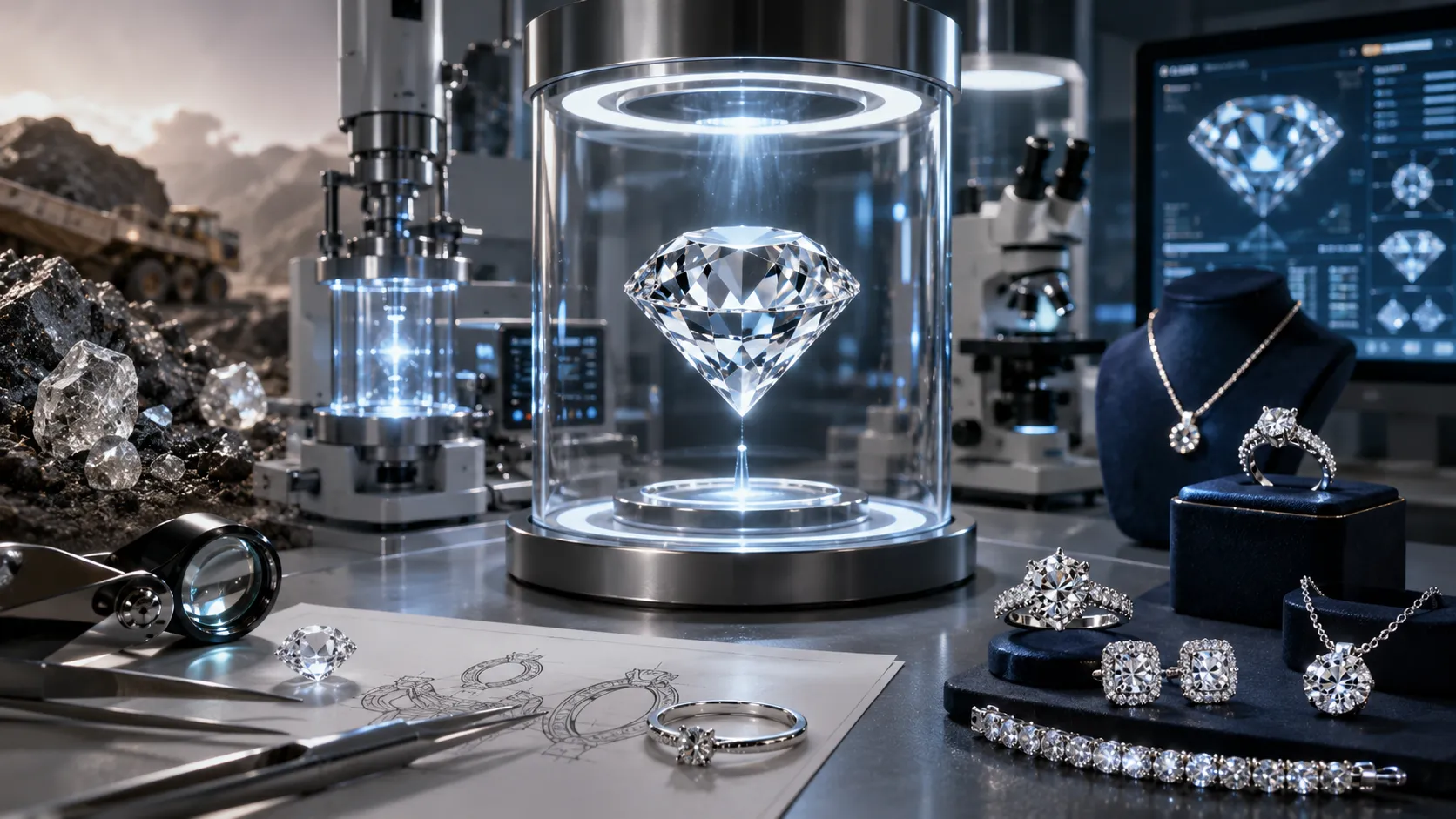
The lab-grown diamond strategic bet deserves particular attention. Lab-grown diamonds are chemically, physically, and optically identical to mined diamonds but are produced in controlled laboratory environments at a fraction of the cost. In mature markets like the United States, lab-grown diamond jewellery has already reached approximately 50% market share in the engagement ring category — a transition that happened faster than virtually any industry analyst predicted. GIVA, with its digital-native customer base and reputation for accessible quality, is in an unusually strong position to accelerate this adoption in India.
The founding story is important context. Ishendra Agarwal and Nikita Prasad started with a clear insight: urban Indian women wanted high-quality, contemporary silver jewellery at price points reflecting the actual craft involved rather than the inflated margins of traditional jewellery retail. Silver, historically treated as a second-class metal in Indian jewellery markets, was the perfect vehicle for demonstrating that beautiful, well-made jewellery did not need to cost a month's salary. The brand's SEO strategy — creating comprehensive content around silver jewellery care, styling, and occasion-based gifting — captured organic search traffic that would have cost hundreds of crores to replicate through paid acquisition.

The offline expansion dimension of GIVA's post-Series C strategy is as important as the lab-grown diamond push. Indian jewellery retail has a physical touchpoint reality that even the most digital-native brands cannot fully circumvent: jewellery is a high-consideration purchase where the ability to see, touch, and try on a piece in person remains important. GIVA's store rollout — focused on high-footfall urban locations in metros and Tier-1 cities — is building the physical infrastructure that converts digital brand awareness into in-person revenue.
For Global Indians in jewellery, luxury goods, and consumer brand investment — particularly those in the UAE, UK, Singapore, and the US where Indian diaspora spending on jewellery is substantial — GIVA's trajectory is a signal worth watching closely. A brand that can serve urban Indian millennials and Indian diaspora consumers with contemporary, high-quality jewellery at accessible price points, backed by a lab-grown diamond range at the luxury tier, has a global addressable market that its current valuation does not fully reflect. The Rs 530 crore Series C was not the peak of GIVA's capital requirement. It was the foundation.