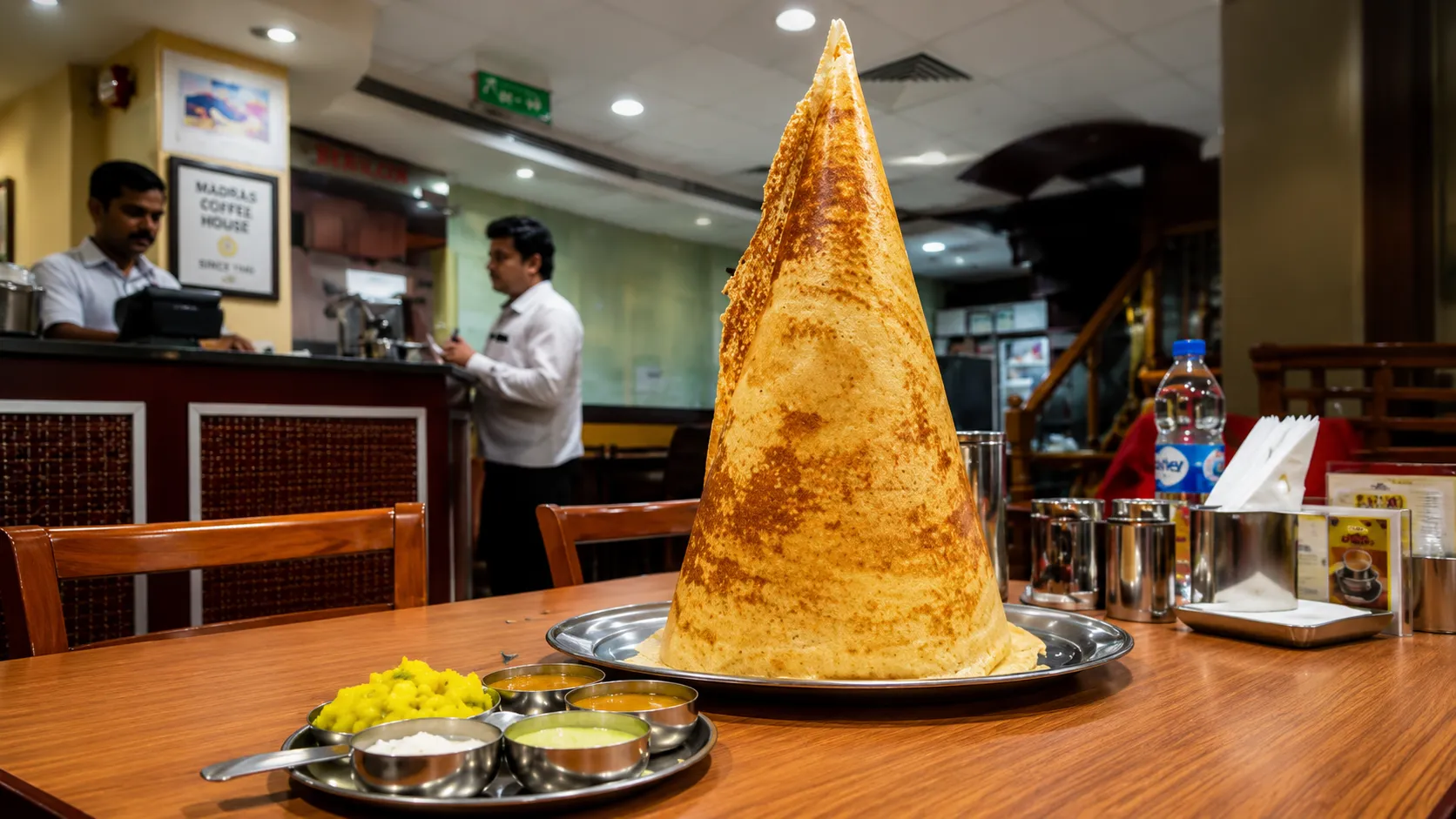
The Hook: The ₹50,000 Bet That Paid Off
In 2023, Ganesh Sathe did something his family thought was insane. He was preparing for his CA examination—a career path that promised stability, respect, and a solid paycheck. Instead, he borrowed ₹50,000 from his family, bought an old cart, and started selling his mother's benne dosa recipe on the streets of Thane.
"My mom makes the yummiest dosas. I decided to sell exactly that: benne dosas with authentic white butter sourced from Pune," he shared. His tagline was simple: high-quality dosa.
The first few months were brutal. Flashy food trucks selling momos, pizza rolls, and sweet delicacies surrounded his stall. Some days, sales dropped to just ₹200. Ganesh and his sister Sapna faced the heartbreaking reality of wondering if their dream would survive.
But they didn't give up.
Instead of shutting down, they did something revolutionary. They started documenting their journey on social media—sharing behind-the-scenes videos of their food preparation, their struggles, and their mother's secret recipe.
The strategy paid off. As their content gained popularity, footfall increased. Word-of-mouth spread. Today, The Benne serves nearly 400 customers daily, often selling out within hours. The stall generates around ₹40,000 in daily revenue and approximately ₹12 lakh in monthly profit.
What started as a ₹50,000 gamble became a ₹12-lakh-a-month empire.
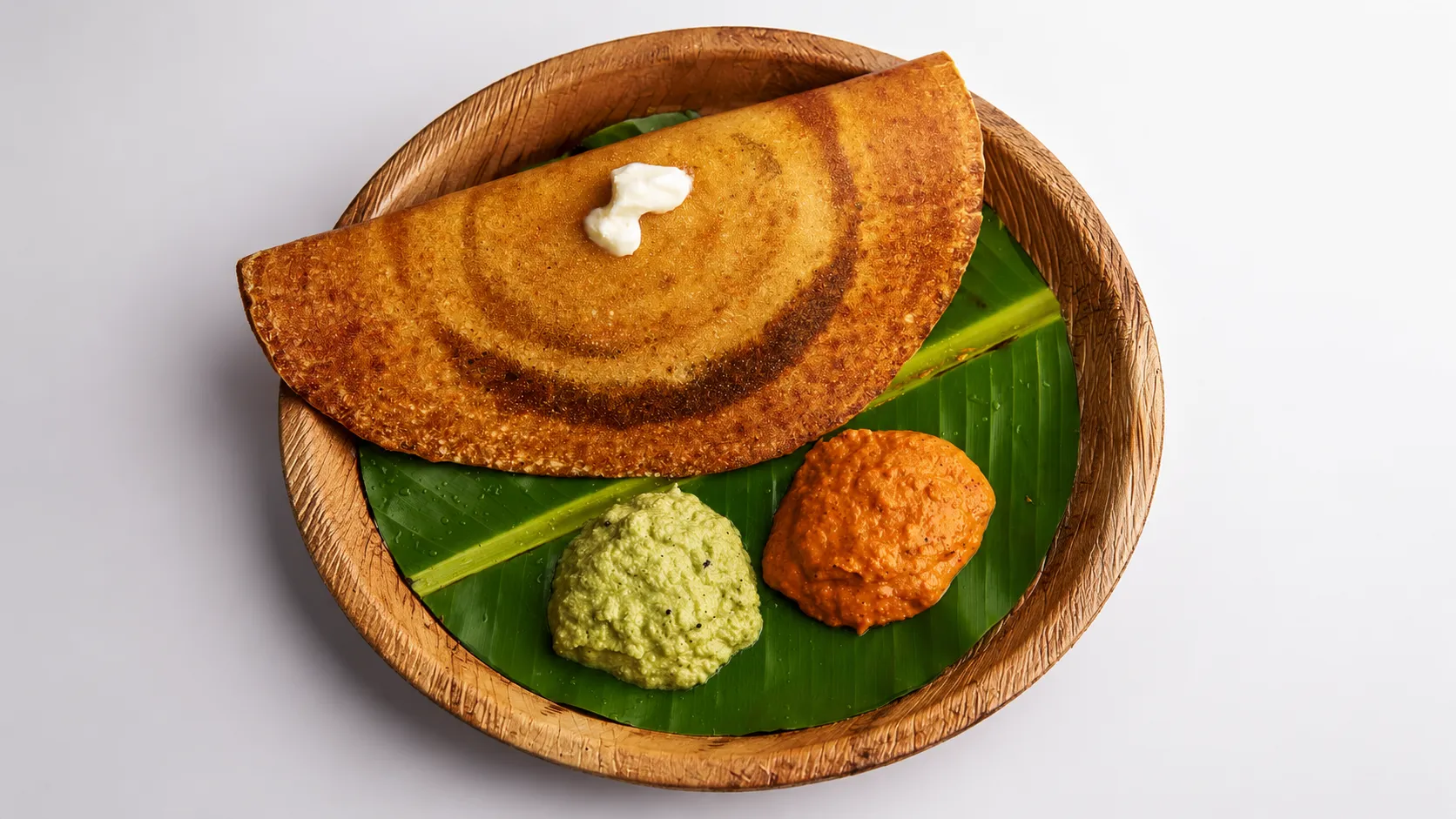
The Benne Effect: From Street Cart to ₹350 Crore Valuation
Ganesh and Sapna aren't alone. The dosa revolution is spreading across India—and investors are taking notice.
Benne, the Mumbai-based dosa chain founded by Akhil Iyer and Shriya Narayana, has become a city-wide phenomenon. What started as a 250 sq ft darshini-style eatery in Bandra in May 2024 quickly grew into outlets in Juhu and Delhi's GK. The couple, with no MBA or restaurant experience, transformed their craving for authentic Davangere-style benne dosa into a ₹1-crore-a-month success.
The queues wrap around the block. Even celebrities like Virat Kohli and Rohit Sharma are fans. Deepika Padukone and Ranveer Singh were spotted at trials for friends and family.
And now, the big money is following. Benne is in early-stage talks to raise ₹35-40 crore from Claypond Capital, the family office of billionaire investor Ranjan Pai, at a valuation of ₹350 crore. This would be Claypond Capital's first investment in the food and beverage sector.
A dosa chain valued at ₹350 crore. Let that sink in.
The Global Dosa: A Nottingham Trader Beats Tesco and Asda
The dosa revolution isn't just Indian—it's global.
In Nottingham, UK, street food trader Kumar Murugan achieved something extraordinary. His gluten-free dosa batter won gold at the Free From Food Awards 2026, beating products from Tesco, Asda, and M&S. The awards are decided purely on taste, judged blind by panels of chefs, food technologists, nutritionists, and allergy specialists.
Kumar, who launched DOSA (Delicacy Of South Asia) during lockdown, uses his mother Indra's recipe, following the traditional stone-grinding method—a practice he said is very rare in the UK. The batter is made from rice and lentils, naturally fermented over 12 hours.
"People can't tell they're gluten-free. They taste amazing," he said.
When he won the award, he was in shock. "I was just flying in the air. It's really, really special," he said. The award makes the long hours of making batter at 2am worthwhile.
From a food truck in Nottingham to beating Britain's biggest supermarkets—the humble dosa is conquering the world.
The Filter Coffee Revolution: Dosa Meets AI
Back in India, the dosa is getting a high-tech makeover.
The Filter Coffee, launched by friends Avinit Bagri and Sankrit Iyer in 2014 with a ₹75 lakh investment, started as a 40-seater outlet in Bengaluru's Kalyanagar. Today, the brand is brewing a ₹100 crore premium "darshini" revolution. By October 2026, the brand aims for 22 outlets in Bengaluru alone, and by 2027, new cities are on the horizon.
But that's not what makes this story different. The Filter Coffee is using AI to optimize operations, from batter fermentation to customer ordering patterns. It's proof that even India's most traditional food can embrace the future.
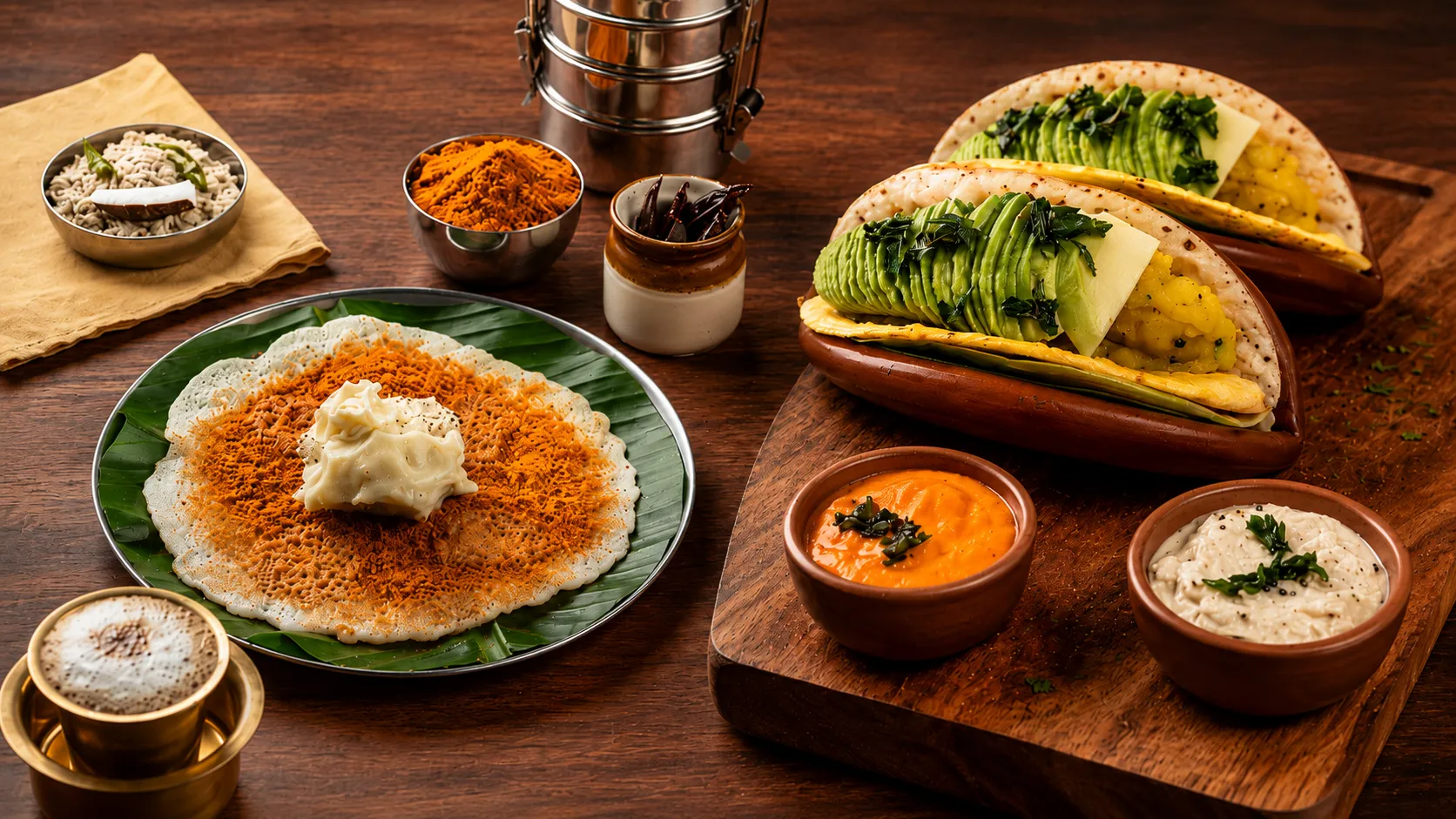
The Bigger Picture: What These Dosa Stories Teach Us
1. Passion beats pedigree. Ganesh Sathe had no business degree. Akhil Iyer and Shriya Narayana had no restaurant experience. What they had was a belief in their product and the courage to pursue it.
2. Social media is the great equalizer. Ganesh and Sapna turned their struggling stall into a viral sensation by documenting their journey. In today's world, authenticity travels faster than advertising.
3. The premiumization of comfort food. Benne dosa isn't just dosa—it's an experience. The use of authentic white butter, premium ingredients, and a darshini-style aesthetic has elevated a street food into a sought-after brand.
4. Global reach is real. From Nottingham to Mumbai, the dosa is finding new audiences. Kumar Murugan's gluten-free batter proves that Indian food can compete—and win—on the global stage.
5. Investors are hungry. A ₹350 crore valuation for a dosa chain. This isn't just about food. This is about the power of regional brands in India's booming QSR market.
The Final Verdict
Ganesh Sathe started with an old cart, a family recipe, and ₹50,000. Today, he earns ₹12 lakh a month. Kumar Murugan started with a dream in Nottingham. Today, he's beaten Tesco and Asda. Akhil Iyer and Shriya Narayana started with a craving. Today, they're valued at ₹350 crore.
The humble dosa isn't just food. It's a movement.
It's proof that India's startup dream isn't just about tech unicorns and AI algorithms. Sometimes, it's about a golden-brown, butter-soaked dosa made with love, served with passion, and shared with the world.
As Ganesh Sathe proved: success doesn't always begin with funding, connections, or a perfect plan. Sometimes it starts with a family recipe, persistence, and the courage to keep going when nobody is watching.
"My mom makes the yummiest dosas. I decided to sell exactly that." – Ganesh Sathe, Founder, The Benne
"People can't tell they're gluten-free. They taste amazing." – Kumar Murugan, Founder, DOSA Nottingham


