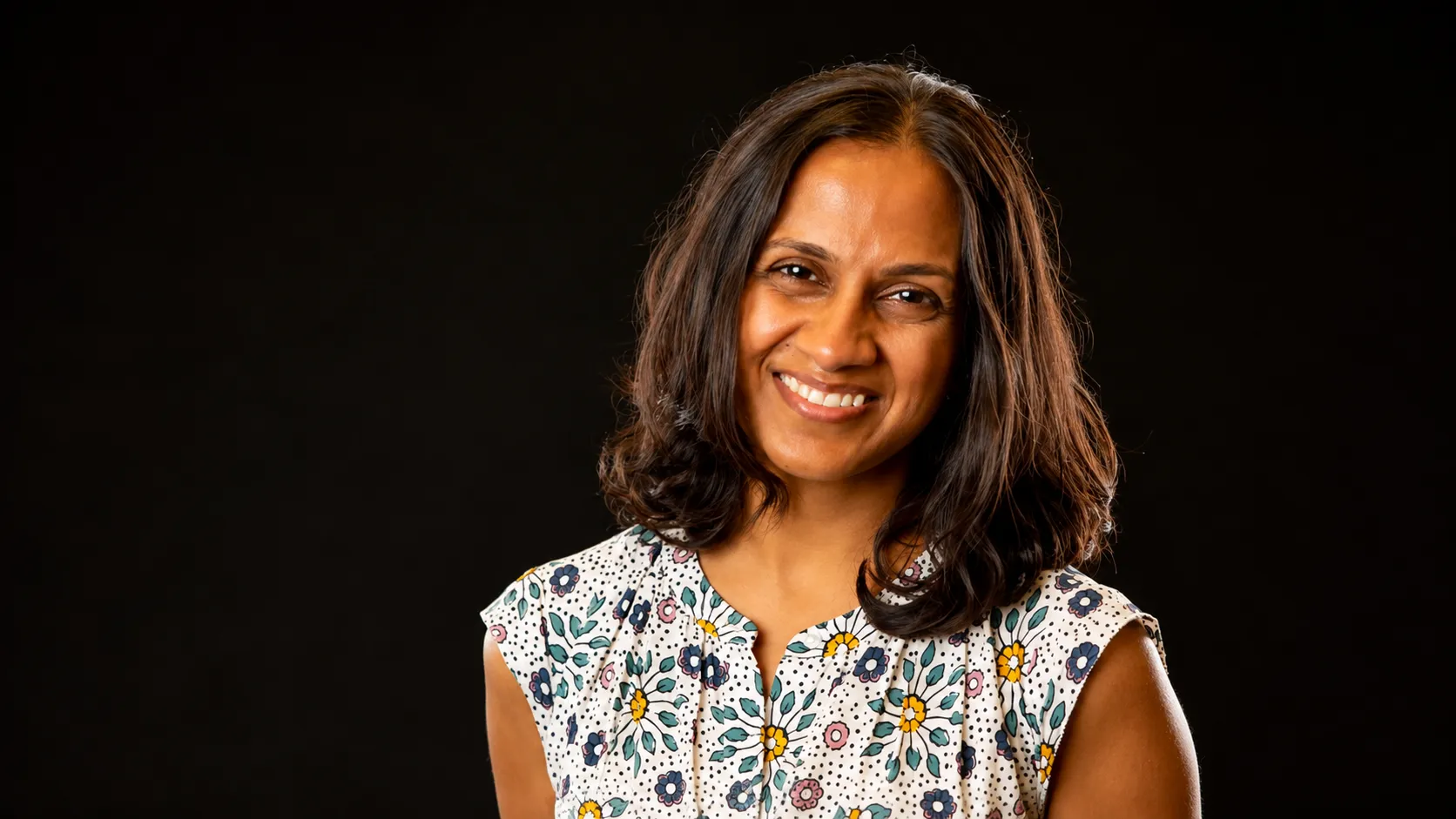
BALTIMORE, MD. — Dr. Nirali N. Shah, a physician-scientist whose two-decade career has helped define the modern era of pediatric cellular immunotherapy, is set to lead pediatric gene therapy efforts at the University of Maryland, according to a report published in early August. In her new capacity, Shah will also serve as associate director for translational research at the university's comprehensive cancer center — a dual role that reflects both her deep laboratory expertise and her sustained commitment to translating that research directly into treatment for children fighting some of the most aggressive cancers in pediatric medicine.
Shah's professional path to this moment has been built almost entirely around a single, defining scientific pursuit: harnessing a patient's own immune system to fight childhood blood cancers that have resisted conventional chemotherapy. As head of the Hematologic Malignancies Section within the Pediatric Oncology Branch at the National Cancer Institute, part of the National Institutes of Health, Shah has spent years developing and refining chimeric antigen receptor (CAR) T-cell therapies — an approach that involves genetically engineering a patient's own T-cells to recognize and attack cancer cells — specifically for children, adolescents and young adults battling high-risk leukemias and lymphomas.
Her research has focused particularly on cases where standard treatment has failed: relapsed and refractory disease, and the prevention of relapse following allogeneic hematopoietic stem cell transplantation, one of the most difficult clinical scenarios in pediatric oncology. Over the course of her NCI career, Shah has helped lead some of the field's most closely watched clinical trials, including early studies exploring CD19-targeted and CD22-targeted CAR T-cell approaches in children and young adults with B-cell acute lymphoblastic leukemia — work that has directly informed the broader scientific and regulatory understanding of how these engineered cell therapies perform in pediatric populations, a group that presents distinct biological and developmental considerations compared to the adult patients for whom many cancer therapies are initially developed and approved.
Shah's scientific interests have also extended into some of the field's most pressing unresolved challenges: reducing the toxicities and long-term late effects associated with cellular immunotherapies, understanding why cancer cells sometimes lose the very surface proteins that CAR T-cells are engineered to target — allowing tumors to evade treatment even after an initial response — and exploring next-generation approaches, including therapies capable of targeting multiple proteins simultaneously, designed to keep cancer cells identifiable to the immune system for longer and reduce the likelihood of relapse.
Colleagues who have followed her career trace her commitment to pediatric oncology back to childhood. Raised in Chicago in a family shaped by medicine — her father practiced as an internal medicine physician — Shah's early exposure to the fight against childhood cancer came through fundraising for St. Jude Children's Research Hospital as a schoolgirl, an experience she has cited as foundational to her eventual career choice. That early interest carried her through a college mentorship with a pediatric oncologist, summer work at St. Jude, and ultimately medical school at the University of Illinois College of Medicine in Chicago, followed by a dual residency in internal medicine and pediatrics at the Harvard-affiliated combined residency program based at Massachusetts General Hospital.
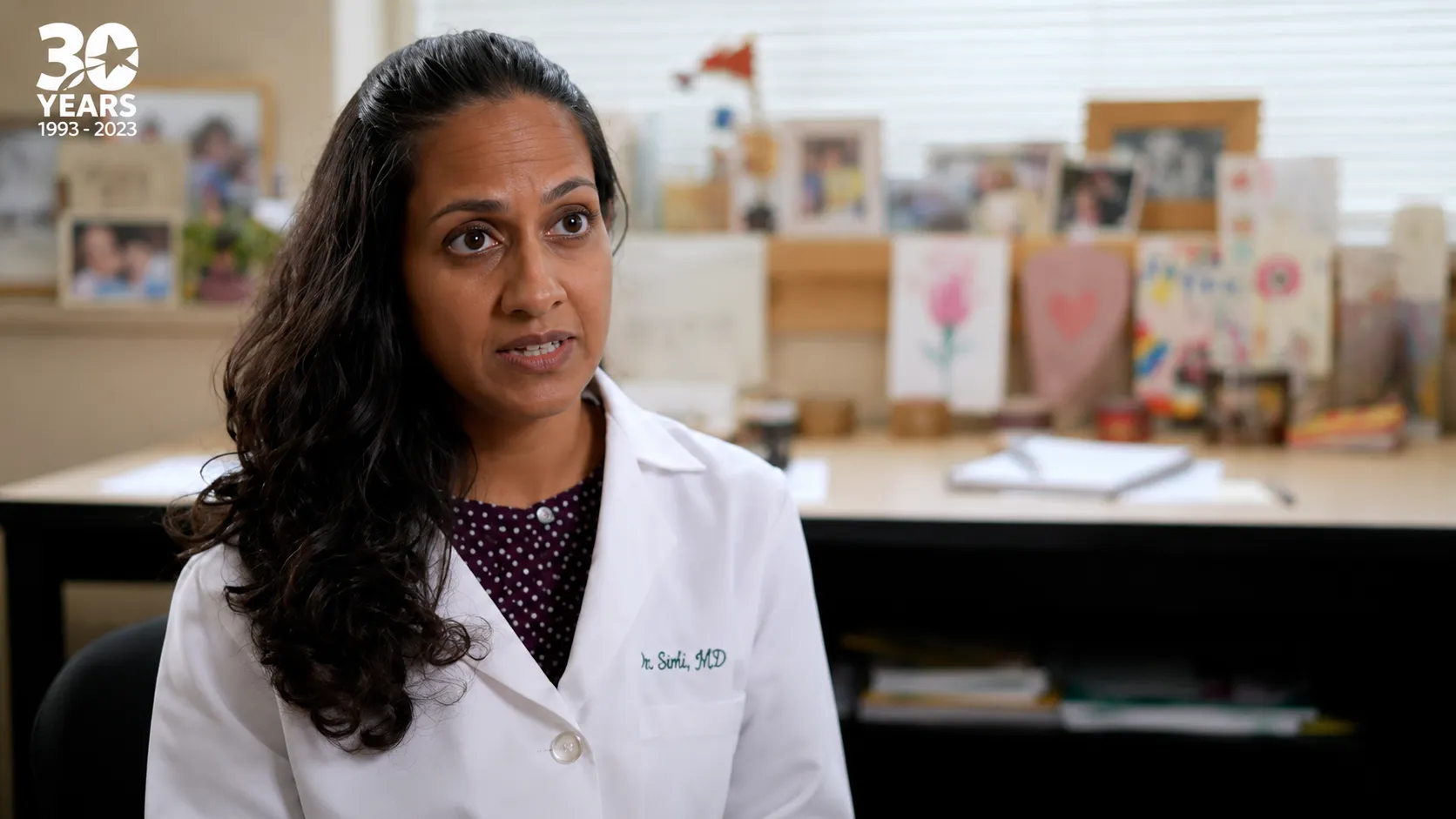
Since joining the National Cancer Institute in 2008 as a fellow, Shah has built a research program recognized as among the most influential in pediatric cellular immunotherapy globally, with a body of published work — spanning nearly 400 research publications and cited many thousands of times by fellow researchers — that has helped establish CAR T-cell therapy as a standard-of-care option for specific pediatric leukemias, a shift widely regarded within oncology as one of the most significant advances in childhood cancer treatment of the past decade. She has also served as director of the joint Johns Hopkins Hospital–National Cancer Institute Pediatric Hematology-Oncology Fellowship Program, extending her influence beyond her own laboratory into the training of the next generation of pediatric oncologists.
Her move to a leadership role in pediatric gene therapy at the University of Maryland represents a natural, if significant, evolution of that career — shifting a portion of her focus from a primarily federal research institution toward a major academic medical center's comprehensive cancer program, where translational research leadership carries direct responsibility for bridging laboratory discovery and bedside clinical care at institutional scale. The associate director role for translational research specifically speaks to an increasingly important priority across American academic medicine: ensuring that scientific advances in gene and cellular therapy move efficiently from early-phase clinical trials into broader, more accessible patient care, rather than remaining confined to a handful of specialized research centers.
For families navigating a pediatric cancer diagnosis, the practical stakes of that translational mission are significant. Gene and cellular therapies like the CAR T-cell approaches Shah has helped pioneer represent, for an important subset of pediatric cancer patients, treatment options that simply did not exist a generation ago — turning previously fatal relapsed leukemias into cases with meaningful, sometimes durable, response rates. Leadership roles like the one Shah is taking on at the University of Maryland are where the next phase of that progress will be determined: not primarily in the discovery of entirely new therapeutic targets, but in the harder, more incremental work of expanding access, reducing toxicity, and refining existing cellular therapies so that more children can benefit from them, more safely, in more places.
Shah's continued public engagement extends beyond the laboratory and clinic. She has, in recent months, testified before the Maryland legislature in support of state health policy legislation affecting vaccine recommendation authority, reflecting a broader pattern among physician-scientists of her generation who view public policy advocacy as inseparable from clinical and research responsibility — particularly in an environment where public health infrastructure and biomedical research funding priorities have both faced sustained political scrutiny.
As Shah begins this new chapter leading pediatric gene therapy efforts at the University of Maryland, her appointment adds another prominent name to the growing roster of Indian American physician-scientists occupying senior leadership positions within American academic medicine — a community whose representation in the highest tiers of biomedical research leadership has expanded steadily over the past two decades, even as it continues to be measured against the far larger and longer-standing presence of Indian American physicians in frontline clinical practice. For the children and families who stand to benefit from the next generation of pediatric cellular and gene therapies, however, the significance of Shah's new role will ultimately be measured in a simpler metric: the therapies that reach them, and the outcomes those therapies help make possible.