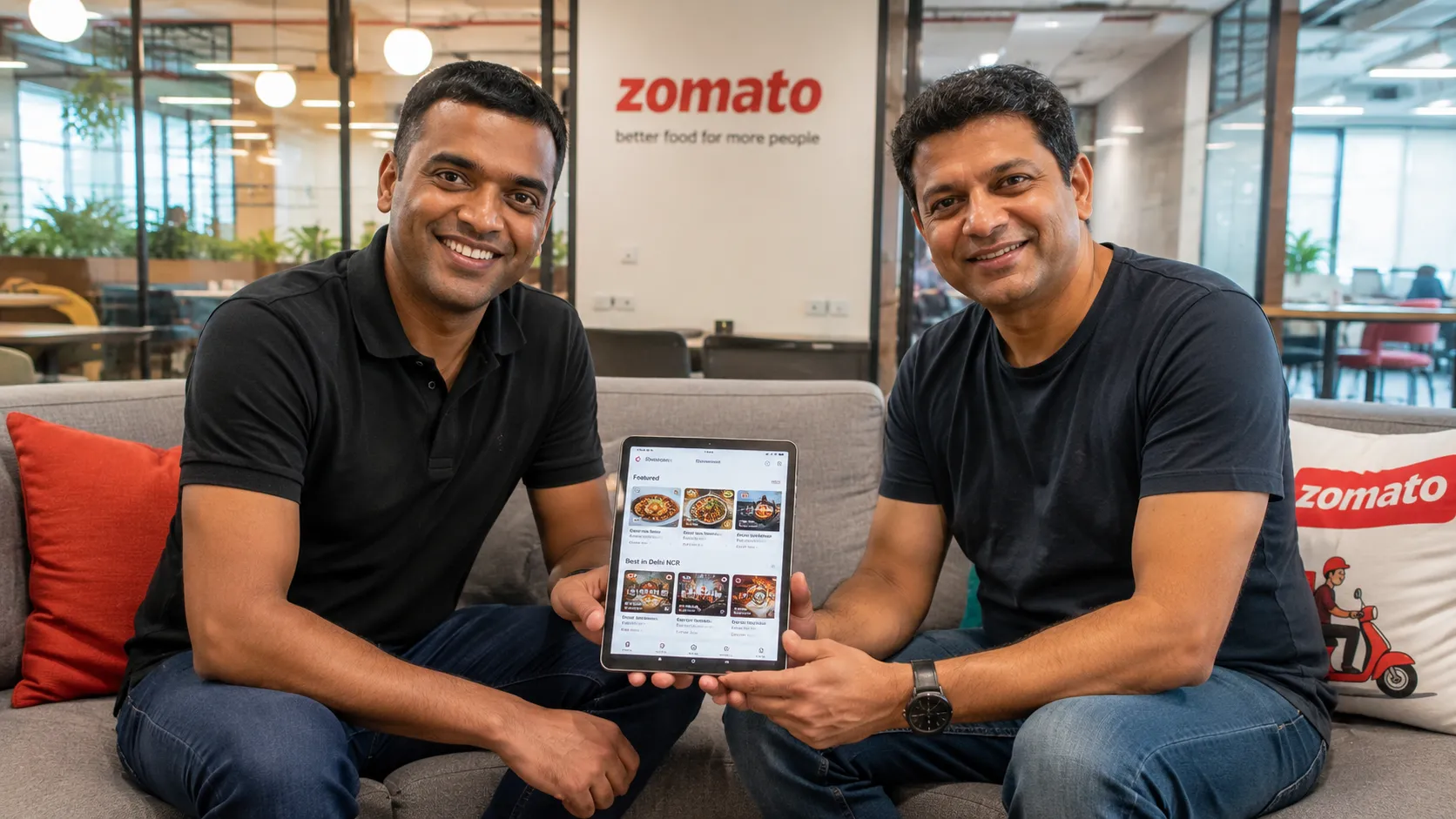
Deepinder Goyal & Pankaj Chaddah — A Bored Office Lunch That Became a $10 Billion Food Delivery Giant
The Cafeteria That Spawned a Unicorn
Deepinder Goyal was a 25-year-old IIT Delhi graduate working at Bain & Company. Every day at lunch, he and his colleagues would look at the same limited menu — dal makhani, butter chicken, naan — and complain. They wanted variety, but ordering from outside meant collecting physical menus from restaurants, passing them around, and then someone having to call and coordinate a group order. It was tedious.
Deepinder, who had taught himself coding, decided to solve the problem for himself. He scanned menus from nearby restaurants, uploaded them as PDFs on a simple website, and shared the link with his team. People loved it. Soon, other teams in Bain started using it.
He showed it to his colleague Pankaj Chaddah, another IIT Delhi graduate. Pankaj immediately saw the potential. They started working nights and weekends, building a better version — one that allowed users to search by cuisine, rate restaurants, and upload photos. They named it FoodieBay.
Then they realized that eBay might sue them. So they rebranded to Zomato — a made-up name that sounded like “tomato” but with a Z.
In 2010, both quit Bain and went full-time. The first office was a tiny 2-bedroom apartment in Gurugram. They had no revenue model, just users. Deepinder wrote code; Pankaj did sales and operations.
From Menus to Delivery
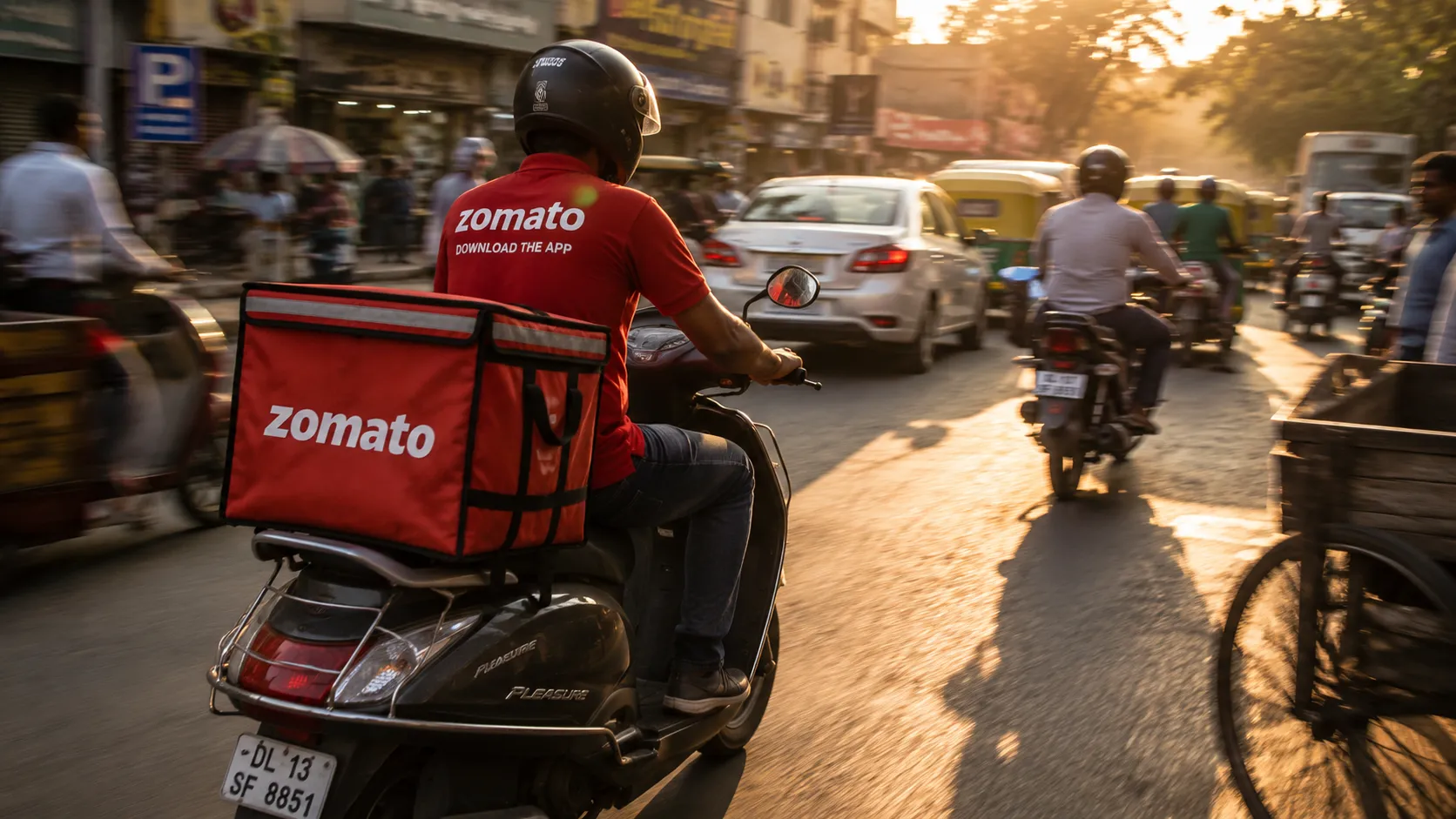
Zomato grew quickly as a restaurant discovery and review platform. By 2015, it was in 22 countries, had raised $225 million, and was valued at $1 billion. But the market changed. Swiggy launched food delivery in 2014, and by 2016, delivery was eating discovery’s lunch. People wanted food at their door, not just menus.
Deepinder took a hard decision: Zomato would pivot to delivery. This meant competing directly with Swiggy, UberEats, and Foodpanda. It also meant burning cash on discounts, delivery partners, and dark kitchens.
The war was brutal. Between 2016 and 2019, Zomato and Swiggy together lost over $2 billion. But Zomato had an advantage: its restaurant relationships. It also introduced Zomato Gold (a subscription for restaurant deals), then faced backlash from restaurant owners who said it was destroying margins. Deepinder apologized publicly and changed the model.
By 2019, Zomato was India’s second-largest delivery platform, but still losing money. Then came the pandemic — a disaster for restaurants but a boost for delivery. Zomato’s orders surged, and it used the opportunity to cut costs and improve unit economics.
The IPO and Blinkit Pivot
In July 2021, Zomato made history as the first Indian unicorn to list on the stock market. The IPO was oversubscribed 38 times, and the stock listed at a 65% premium, valuing Zomato at over $10 billion. Deepinder became a household name.
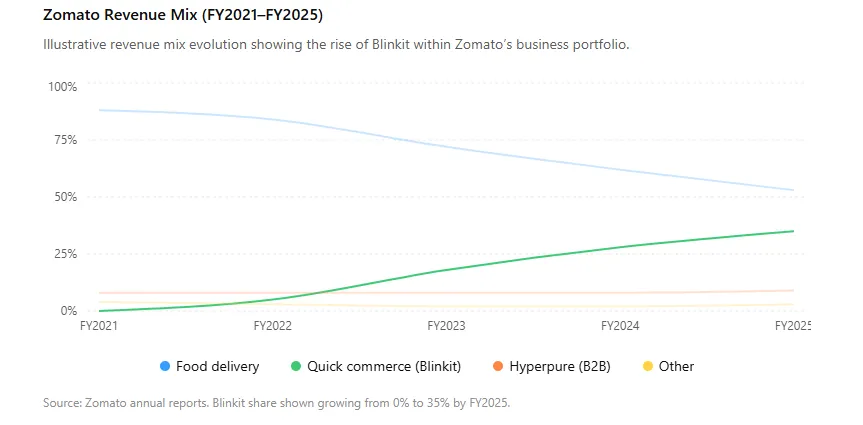
But post-IPO, the stock crashed. Investors worried about profitability and competition. In 2022, Zomato made a surprise move: it acquired Blinkit (formerly Grofers), a quick commerce startup (10-minute grocery delivery), for $550 million. Everyone thought it was crazy. Why was a food delivery company buying a grocery startup?
Deepinder’s bet was that quick commerce would be the next big thing, and that Zomato’s delivery network would give it an edge. For two years, Blinkit lost money. But by 2025, it turned profitable, and Zomato as a whole became profitable for the first time. The stock recovered.
Today, Zomato’s revenue is split between food delivery, quick commerce, and Hyperpure (B2B restaurant supply). The company is valued at over $15 billion.
Leadership Philosophy: Data-Driven and Apologetic
Deepinder is known for being analytical, almost to a fault. He tracks hundreds of metrics daily. He is also known for taking responsibility. When Zomato Gold was criticized, he wrote a long, apologetic blog post. When the IPO stock crashed, he wrote that “the only way to fix it is to perform.”
He has also been transparent about his own mistakes — from expanding too fast to firing employees poorly. Pankaj Chaddah left Zomato in 2018, citing burnout. Deepinder continues as CEO, and the two remain friends.
Challenges and Critiques
Deep discounting: Zomato and Swiggy burned billions offering free delivery and 50% off. This made customers entitled and restaurant margins thin.
Delivery partner treatment: Zomato has faced allegations of low pay, unsafe conditions, and no benefits for delivery partners. The company has introduced insurance and safety features, but criticism remains.
Blinkit acquisition risk: Many analysts called it a “Hail Mary” pass. So far, it’s worked, but quick commerce economics are still unproven at scale.
Zomato’s culture: Reports of a hyper-competitive, “bro” culture led to employee complaints. Deepinder has introduced DEI initiatives and employee wellness programs.