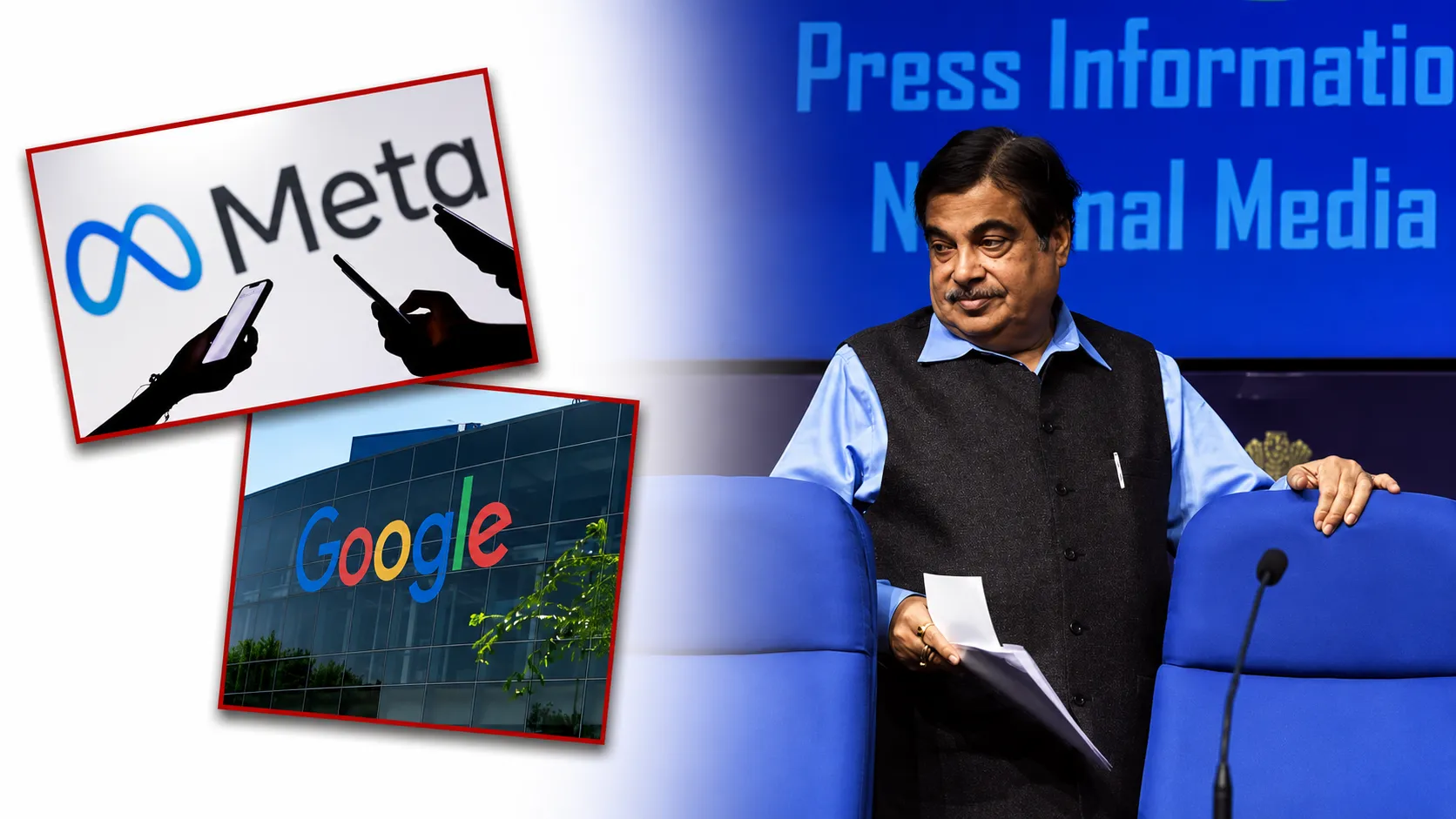
In a ruling that adds to a rapidly growing body of Indian litigation grappling with the legal challenges posed by artificial intelligence-generated content, the Bombay High Court on Monday, July 27, permitted Union Minister Nitin Gadkari to file a civil suit against Meta Platforms, X Corp, Google LLC, and a number of unidentified individuals, over what he alleges are defamatory deepfakes and AI-generated posts falsely portraying him as personally responsible for, and financially benefiting from, India's E20 ethanol-blending fuel programme.
Gadkari, who serves as Union Minister for Road Transport and Highways and is a senior leader within the Bharatiya Janata Party, brought his petition before the court under Clause XII of the Letters Patent — a procedural mechanism under which a party must obtain the court's permission before filing a suit whenever part of the underlying cause of action arises outside the court's territorial jurisdiction. This kind of leave, or permission, is a necessary preliminary step that allows a High Court to hear and decide a case despite what would otherwise be jurisdictional limitations, and is a particularly relevant procedural hurdle in cases involving globally distributed digital content, where the platforms being sued operate across multiple jurisdictions and the allegedly defamatory content itself may be accessible to users well beyond the geographic boundaries of any single state or court district.
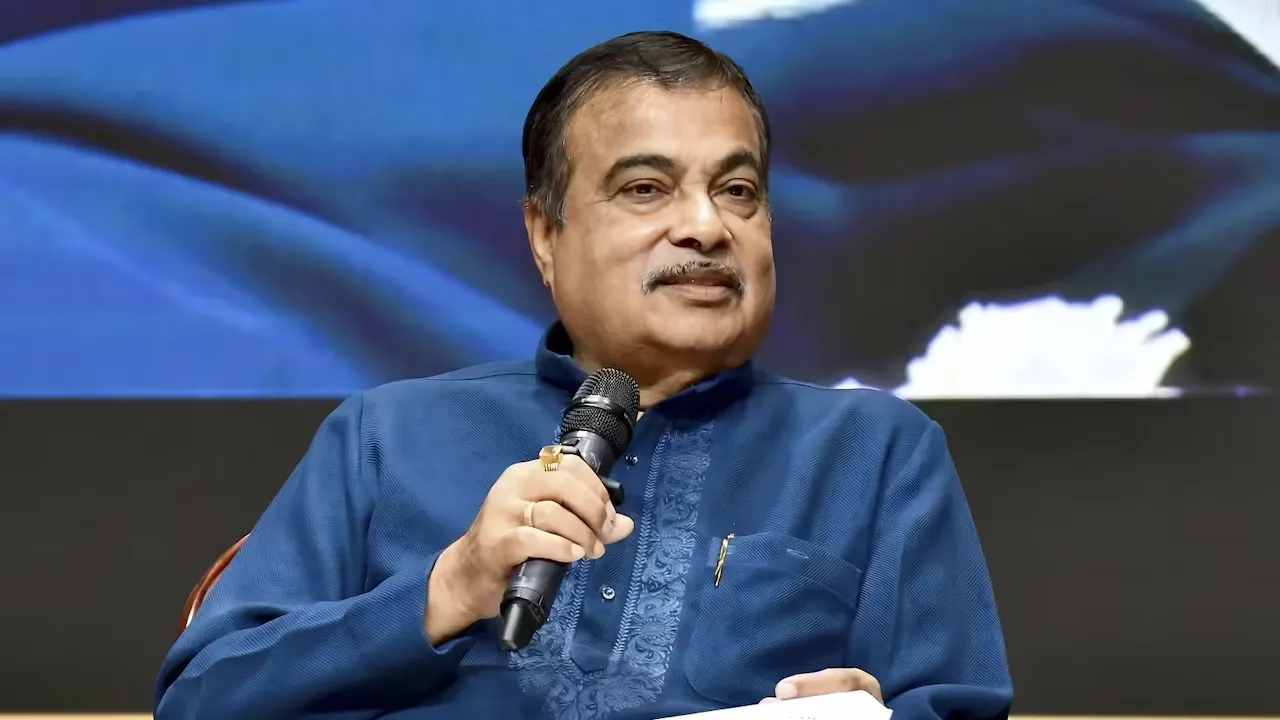
The leave petition came up for hearing before a single bench of Justice Abhay Ahuja. Gadkari's counsel, advocate Sandeep Ladda, submitted to the court that the online platforms named in the petition had made the allegedly defamatory and deepfake content publicly available, including specifically to users located in Maharashtra — a submission aimed at establishing the necessary jurisdictional nexus to Maharashtra required for the Bombay High Court to hear the matter. Justice Ahuja accepted these arguments and formally permitted the Union minister to proceed with filing his civil suit against the named online platforms.
At the core of Gadkari's grievance, as laid out in his proposed suit, is a body of content he alleges is false, AI-generated, and defamatory, specifically relating to the E20 ethanol-blended fuel initiative — a government programme aimed at increasing the proportion of ethanol blended into petrol sold across India, as part of the country's broader push toward reduced fossil fuel dependence and lower vehicle emissions. According to the suit, unidentified individuals have uploaded and circulated social media posts, reels, videos, and deepfake content that falsely portray Gadkari as being personally responsible for administering the E20 programme, and that further allege he and his family have financially benefited from the policy's rollout. Gadkari's petition characterises these claims as false, malicious, and grossly defamatory, stating they are designed to create a misleading public perception of him.
A central factual assertion running through Gadkari's suit is his claim that he holds no administrative role in, or financial interest connected to, the E20 programme whatsoever. According to the petition, the ethanol-blending initiative is administered entirely by the Ministry of Petroleum and Natural Gas — a separate government ministry from the Ministry of Road Transport and Highways that Gadkari himself leads. This distinction matters considerably to the substance of his legal claim: if accurate, it would mean the content he is challenging is not simply unflattering commentary about a policy he oversees, but factually incorrect claims about which government body is even responsible for the programme in question, layered with further false allegations of personal financial benefit.
The defendants named in Gadkari's suit reflect the now-familiar roster of major digital platforms that have increasingly found themselves at the centre of Indian deepfake and misinformation litigation: Meta, which operates both Facebook and Instagram; X Corp, the platform formerly known as Twitter; and Google, alongside its video subsidiary YouTube. Beyond these private platform defendants, the suit also names India's Ministry of Electronics and Information Technology and the Department of Telecommunications, government bodies with regulatory oversight over digital platforms and telecommunications infrastructure respectively. The unidentified individuals believed to have created and circulated the disputed content have been included in the suit as John Doe defendants — a standard legal mechanism that allows a plaintiff to proceed against parties whose actual identities remain unknown at the time of filing, with the expectation that their identities may later be established through the discovery process or through cooperation from the platform defendants.
Notably, Gadkari's petition takes explicit care to define the boundaries of what his suit is, and is not, seeking to achieve — a framing that appears deliberately calibrated to avoid the suit being characterised as an attempt to stifle legitimate political criticism or policy debate. "The goal of filing this suit is not to stop the public from discussing, analyzing, or criticizing any policy decision," the plea states, according to reporting on the matter. The petition further specifies that the use of vulgar language and fabricated videos falls outside the bounds of fair criticism or legitimate political satire — drawing a line intended to distinguish the specific AI-manipulated and factually false content he is challenging from the broader universe of legitimate, protected political commentary and criticism that any public official, including a sitting Union minister, should reasonably expect to face in a functioning democracy.
Gadkari's legal argument rests significantly on the concept of personality and publicity rights — the legal principle that an individual retains certain rights over the commercial and reputational use of their own name, image, and likeness, which can be violated when that likeness is used without consent, particularly through technologies like AI-generated deepfakes that can convincingly simulate a person's appearance and voice without their involvement. According to reporting on the case, Gadkari argued that the unauthorised use of his digital persona causes serious reputational harm that cannot adequately be compensated through monetary damages alone — a characterisation that will likely inform the nature of the interim relief he seeks, including a potential temporary injunction, which the court is expected to consider as the substantive suit proceeds.
This litigation does not exist in isolation. It follows a recent criminal complaint filed by the BJP's social media unit in Nagpur against a group of influencers accused of running organised digital campaigns specifically targeting the ethanol-blending issue — suggesting the broader controversy around E20 messaging on social media has already drawn law enforcement attention through at least one separate legal channel prior to Gadkari's own civil suit. More broadly, Gadkari's case forms part of a growing wave of litigation working its way through Indian courts concerning the misuse of AI-generated deepfakes and the legal protection of public figures' personality rights — an area of law that has evolved rapidly in India over the past two years as increasingly sophisticated and accessible AI content-generation tools have made convincing deepfakes correspondingly easier and cheaper to produce, prompting public figures across politics, entertainment, and business to increasingly turn to civil courts for redress.
The substantive suit, now cleared to proceed following the Bombay High Court's grant of leave, is expected to be heard by Justice Arif Doctor. How the court ultimately balances Gadkari's personality rights and defamation claims against the platforms' typically asserted intermediary liability protections — legal safeguards that generally shield platforms from direct liability for content posted by third-party users, provided the platforms comply with takedown obligations once notified — will likely be closely watched by legal observers, given the precedent-setting potential of how Indian courts choose to navigate the intersection of AI-generated content, platform responsibility, and the personality rights of public figures in cases of this nature.