The Invisible Revolution in Food Service
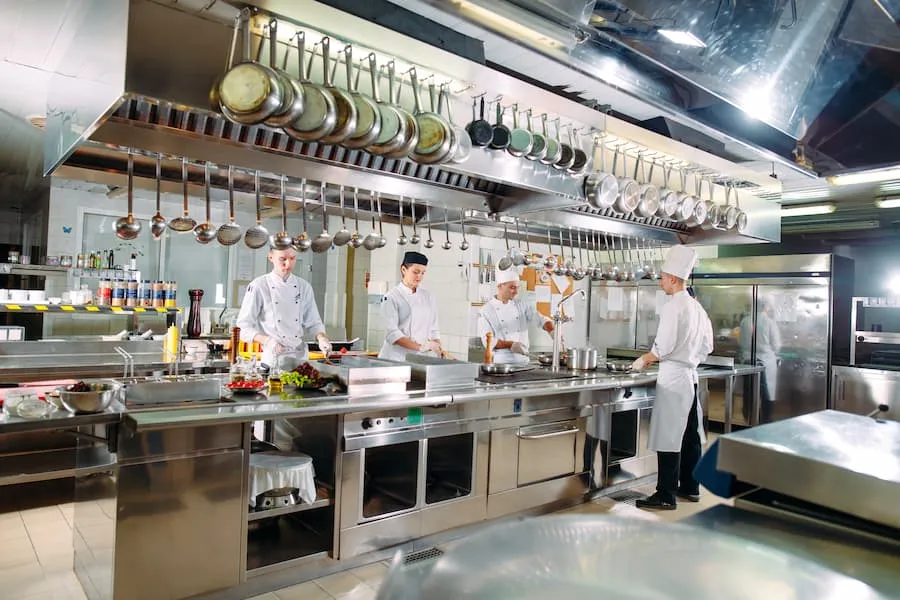
This revolution is happening largely out of sight. Unlike traditional restaurants with their inviting facades, warm lighting, and bustling dining rooms, cloud kitchens operate from unmarked industrial spaces, strip mall backrooms, and even shipping containers. Yet their influence on what we eat and how restaurants operate is profound and growing.
The numbers tell the story. Valued at over $56 billion in 2023, the global dark kitchen market is projected to exceed $110 billion by 2032. This represents a compound annual growth rate of over 12%, making it one of the fastest-growing segments in the food service industry. India, with its massive population, rapid digital adoption, and deep food delivery penetration, is at the epicentre of this revolution.
Understanding the Cloud Kitchen Model
A cloud kitchen, also known as a ghost kitchen, dark kitchen, or virtual kitchen, is a commercial cooking facility that prepares food exclusively for delivery. There is no dine-in option, no waitstaff, no host stand, and no interior design budget. Every square foot is optimized for production efficiency.
The model comes in several variations:
1. Single-Brand Cloud Kitchens: Independent restaurants or chains operating delivery-only outlets in addition to or instead of traditional locations. These allow brands to expand their reach without the massive capital expenditure of opening full-service restaurants.
2. Multi-Brand Cloud Kitchens: Facilities where multiple restaurant brands operate from the same kitchen. This allows for shared infrastructure costs while maintaining distinct brand identities. A single kitchen might be producing pizzas from one brand, biryani from another, and burgers from a third.
3. Aggregator-Operated Kitchens: Platforms like Swiggy and Zomato operate their own cloud kitchen facilities where multiple restaurant partners cook. This gives platforms greater control over quality, delivery speed, and capacity.
4. Shared Commercial Kitchens: Facilities where independent chefs, small food businesses, and delivery-only brands rent space on flexible terms. This democratises access to commercial kitchen infrastructure, allowing small entrepreneurs to compete with established players.
The Economics of Invisibility
The economic advantages of cloud kitchens are compelling and explain their rapid growth:
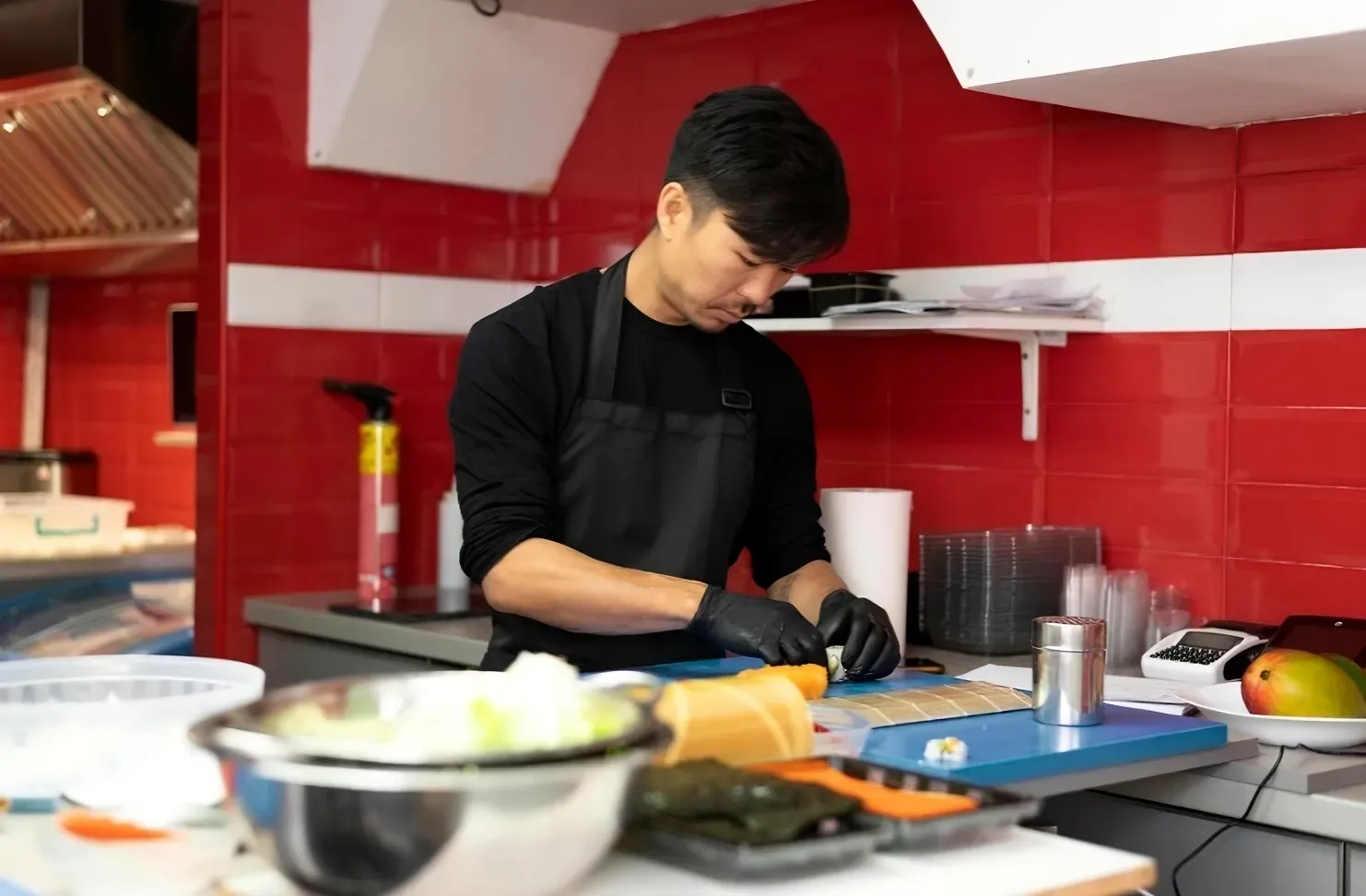
Lower Capital Expenditure: Opening a traditional restaurant can cost anywhere from $500,000 to over $2 million. A cloud kitchen can be established for a fraction of that—often under $100,000. No prime real estate, no expensive interior design, no extensive front-of-house equipment.
Reduced Operating Costs: Without a physical dining room, cloud kitchens eliminate costs associated with waitstaff, hostesses, tableware, linen, and restaurant maintenance. Rent for industrial or warehouse space is significantly lower than retail space. Utility costs are lower without the need to heat, cool, and light large dining areas.
Flexibility and Scalability: Cloud kitchens can be scaled up or down based on demand. Additional kitchen capacity can be added during peak periods. New brands and cuisines can be tested with minimal risk. Delivery zones can be expanded by opening satellite kitchens in new areas.
Data-Driven Operations: Delivery-only models generate massive amounts of data that can be used to optimize menus, pricing, and operations. Real-time feedback allows for rapid iteration and improvement.
Labour Efficiency: Without front-of-house staff, cloud kitchens can focus entirely on food production. Chefs and kitchen staff are the only personnel needed, and their time is entirely dedicated to cooking rather than service.
The Impact on Traditional Restaurants
The rise of cloud kitchens is fundamentally altering the restaurant landscape, creating winners and losers:
Margin Pressure: Traditional restaurants are facing intense competition from delivery-only brands that have lower cost structures. These brands can offer competitive pricing while maintaining healthy margins, forcing full-service restaurants to either improve their delivery economics or risk losing market share.
The Hybrid Model: Many traditional restaurants are adapting by running cloud kitchens alongside their physical operations. Some are converting underutilized dining space into dedicated delivery preparation areas. Others are creating separate virtual brands that operate exclusively from their existing kitchens.
Changing Real Estate Dynamics: The commercial real estate market is being reshaped. Prime retail locations are becoming less important as delivery dominates. Industrial and warehouse spaces are becoming more valuable. Some landlords are converting struggling retail spaces into cloud kitchen facilities.
Quality Challenges: Traditional restaurants built their reputations on the complete dining experience—ambience, service, presentation, and atmosphere. In the delivery-only world, the food must stand alone. This has forced restaurants to rethink their menus, packaging, and food preparation methods to ensure quality survives the delivery journey.
Brand Dilution: The proliferation of delivery-only brands and virtual restaurants is creating a crowded marketplace. Consumers are increasingly choosing based on convenience, price, and ratings rather than brand loyalty. This makes customer acquisition and retention more challenging.
The Technology Enablers
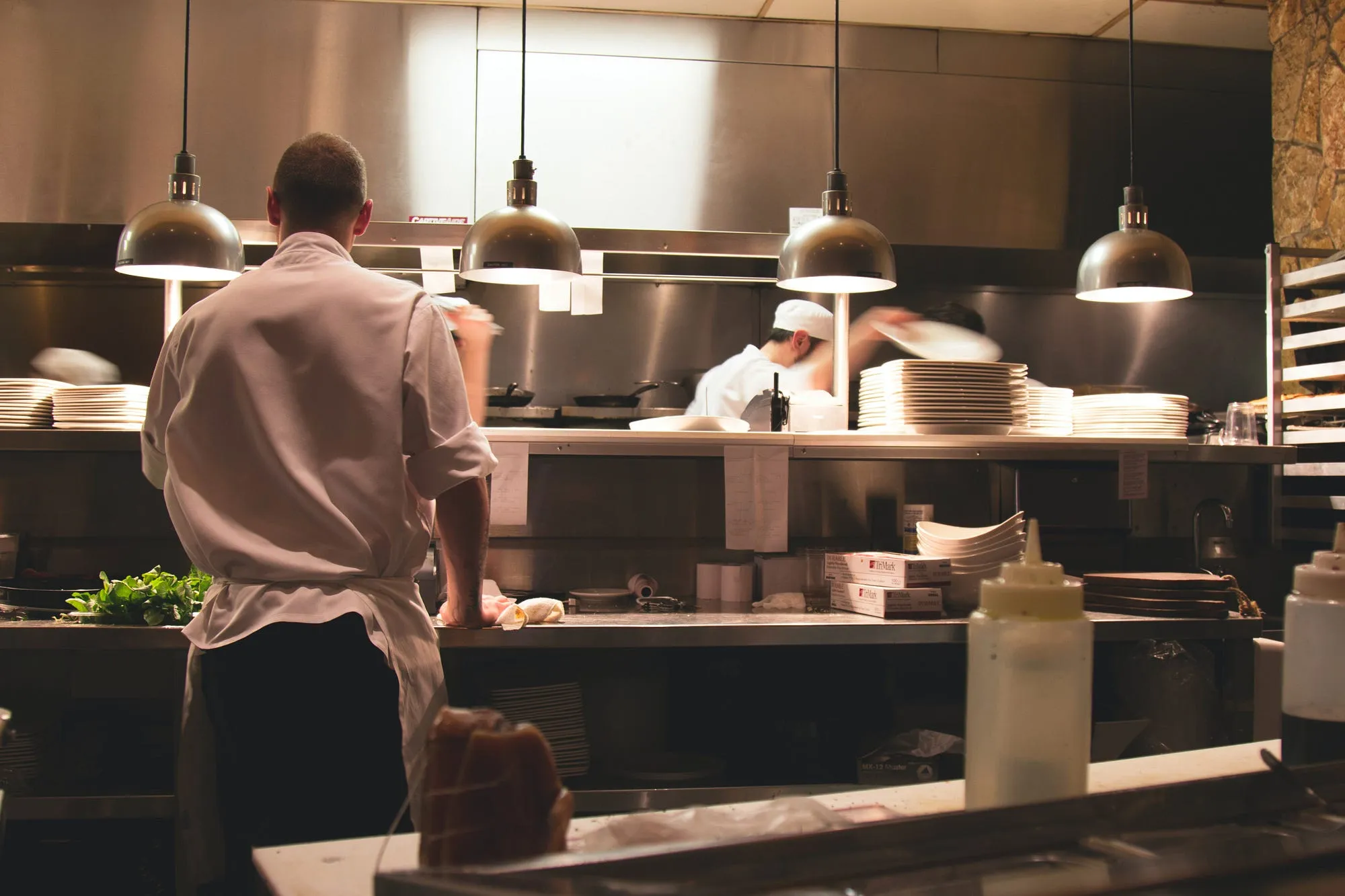
Cloud kitchens would not exist without the technology infrastructure that supports them:
Order Aggregators: Platforms like Swiggy, Zomato, Uber Eats, and DoorDash provide the marketplace and logistics. They connect hungry consumers with cloud kitchens and handle the delivery logistics.
Kitchen Management Software: Specialized software systems manage orders, inventory, production scheduling, and quality control. These systems ensure that multiple brands operating from the same kitchen can function efficiently without confusion.
Real-Time Analytics: Data dashboards provide instant visibility into order volumes, peak periods, popular items, and customer feedback. This allows for rapid operational adjustments.
Delivery Logistics: Sophisticated routing algorithms optimize delivery routes, predict preparation times, and coordinate pickups to minimize delivery times and ensure food arrives hot and fresh.
Packaging Innovation: Cloud kitchens have driven innovation in food packaging. Insulated containers, vented boxes, and compartmentalized packaging have become essential to maintaining food quality during transit.
The Consumer Experience
For consumers, cloud kitchens offer several advantages:
More Choices: The low barriers to entry mean more brands, more cuisines, and more variety available at their fingertips. A single delivery app can now offer dozens of options where there was once only one or two local restaurants.
Better Prices: Lower operating costs translate to more competitive pricing for consumers. Many cloud kitchen brands offer better value than traditional restaurants.
Consistent Quality: Data-driven operations and standardized processes can deliver more consistent food quality than traditional restaurants, where quality can vary based on the specific chef on duty.
Convenience: Cloud kitchens are designed for delivery optimization, often located in areas that allow for faster delivery times and broader coverage.
However, there are drawbacks. Consumers miss the social experience of dining out, the personal touch of restaurant service, and the ability to visually inspect food before ordering. The rise of cloud kitchens has contributed to the atomization of dining, turning what was once a social experience into a solitary one.
The Regulatory Landscape
Cloud kitchens operate in a regulatory grey area in many jurisdictions. Traditional restaurant regulations were designed around dine-in establishments with public-facing spaces. Cloud kitchens raise new questions:
Food Safety: Who inspects facilities that aren't open to the public? How do regulators ensure hygiene standards when there are no diners to observe conditions? Some jurisdictions have created new inspection categories specifically for cloud kitchens.
Licensing: Do cloud kitchens need the same licenses as traditional restaurants? Should they be classified as food processing facilities rather than restaurants? The answers vary by jurisdiction.
Zoning: Cloud kitchens in industrial or residential areas may face zoning challenges. Municipalities must decide whether delivery-only cooking facilities should be permitted in areas not zoned for retail.
Labour Law: The gig economy nature of many delivery workers raises questions about employee classification, benefits, and working conditions. Delivery drivers are often classified as independent contractors, limiting their protections.
The Future of Cloud Kitchens
The evolution of cloud kitchens is still in its early stages, and several trends are likely to shape their future:
Brand Evolution: The most successful cloud kitchen brands are investing in branding, marketing, and customer experience. They are building emotional connections with consumers that go beyond convenience and price.
Tiered Offerings: Some cloud kitchens are beginning to offer premium, chef-driven delivery options that compete with high-end restaurants. This expands the market beyond the mid-range and fast-food categories.
Integration with Retail: Cloud kitchens are increasingly co-locating with retail businesses, offering prepared foods in supermarkets and convenience stores. This blurs the line between groceries and restaurant meals.
Sustainability Focus: Environmental concerns are driving changes in packaging, energy use, and food sourcing. Sustainable practices are becoming competitive advantages for cloud kitchen brands.
Artificial Intelligence: AI is being deployed to predict demand, optimise menus, personalise recommendations, and automate kitchen operations. This will further improve efficiency and reduce costs.
Global Expansion: The cloud kitchen model is being exported globally, with international chains entering new markets and local brands expanding regionally. The model adapts to local cuisines and preferences while maintaining core efficiencies.
The Verdict
Cloud kitchens are not a passing fad; they are a fundamental restructuring of how restaurant food is produced and distributed. They represent the industrialization of cooking, bringing factory-like efficiency to an industry that has traditionally been craft-based and artisanal.
For traditional restaurants, the choice is clear: adapt or die. The most successful will be those that can offer something the delivery-only brands cannot—an experience. Atmosphere, service, community, and the social ritual of dining out will become the differentiating factors that justify premium pricing.
For entrepreneurs, cloud kitchens represent unprecedented opportunity. The low barriers to entry allow anyone with culinary talent and business acumen to enter the food business. However, competition is intense, and success requires more than just good food—it requires marketing savvy, operational excellence, and customer understanding.
For consumers, the future is one of unprecedented choice and convenience. They will have more food options than ever before, available at the tap of a screen. Whether this abundance comes at the cost of community and connection is a question only time—and consumer choice—will answer.


