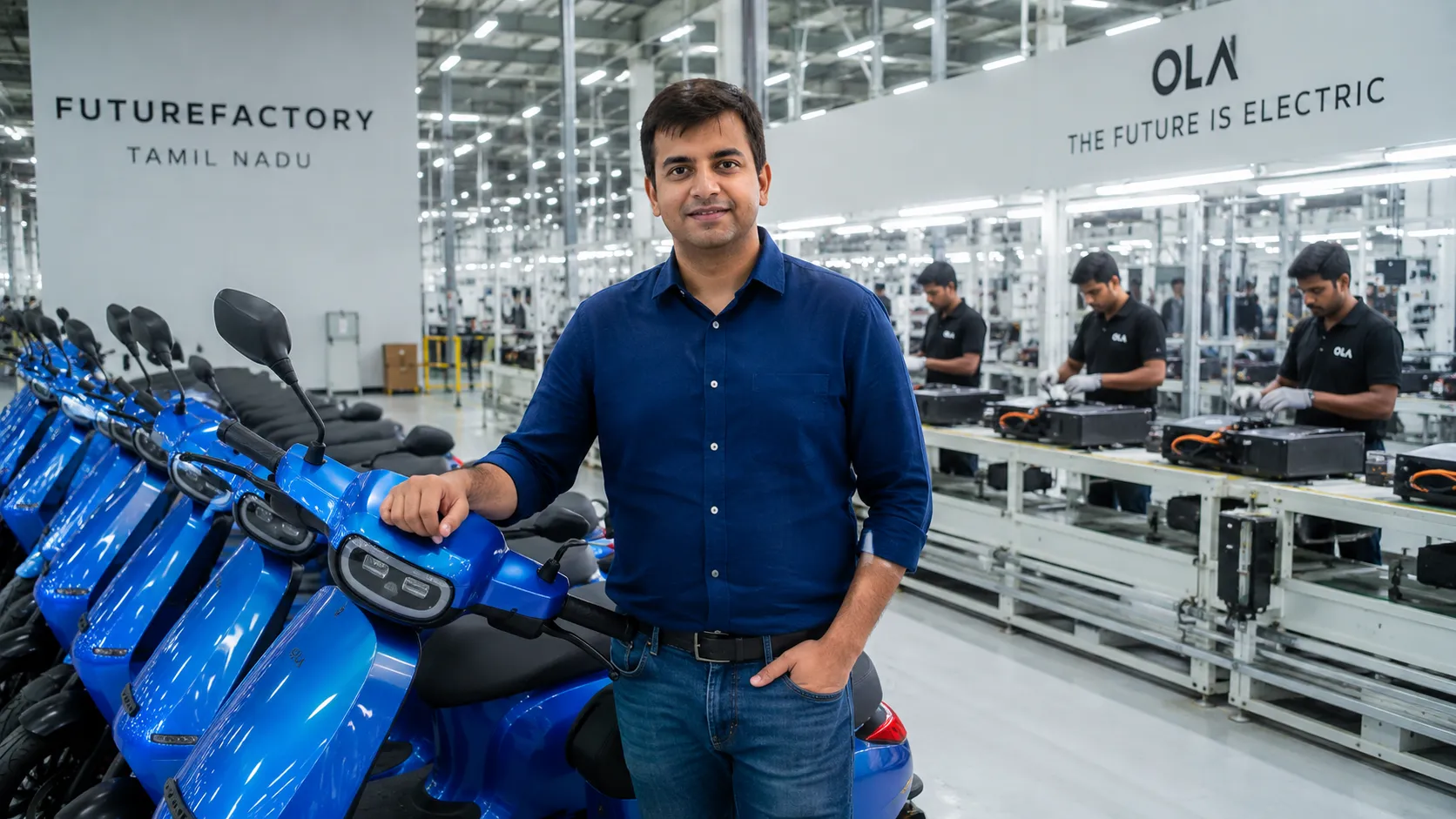
Bhavish Aggarwal — Thrown Out of a Taxi at Midnight, He Built a $7 Billion Mobility Empire
The Midnight Highway That Became a Mission
Bhavish Aggarwal was an IIT Bombay computer science graduate who had worked at Microsoft Research. He was on a road trip from Bengaluru to a client meeting in a nearby town. The taxi driver, tired and wanting to go home, stopped the car on a desolate highway and told Bhavish to get out. There were no other cars, no streetlights, no phone signal. Bhavish had to walk for hours before finding help.
That experience wasn’t just frustrating — it was a revelation. He realized that customers had zero power in India’s taxi market. Drivers could cancel arbitrarily, overcharge, take bad routes, or abandon passengers. There was no rating system, no real-time tracking, no accountability.
He shared this with his friend Ankit Bhati, a fellow IITian. Together, they built Ola — not as a taxi company, but as a technology platform that would connect riders with drivers, provide real-time tracking, enable cashless payments, and create a two-way rating system. Ola launched in 2010 as an online cab aggregator in Mumbai, then quickly moved to Bengaluru.
The Battle with Uber
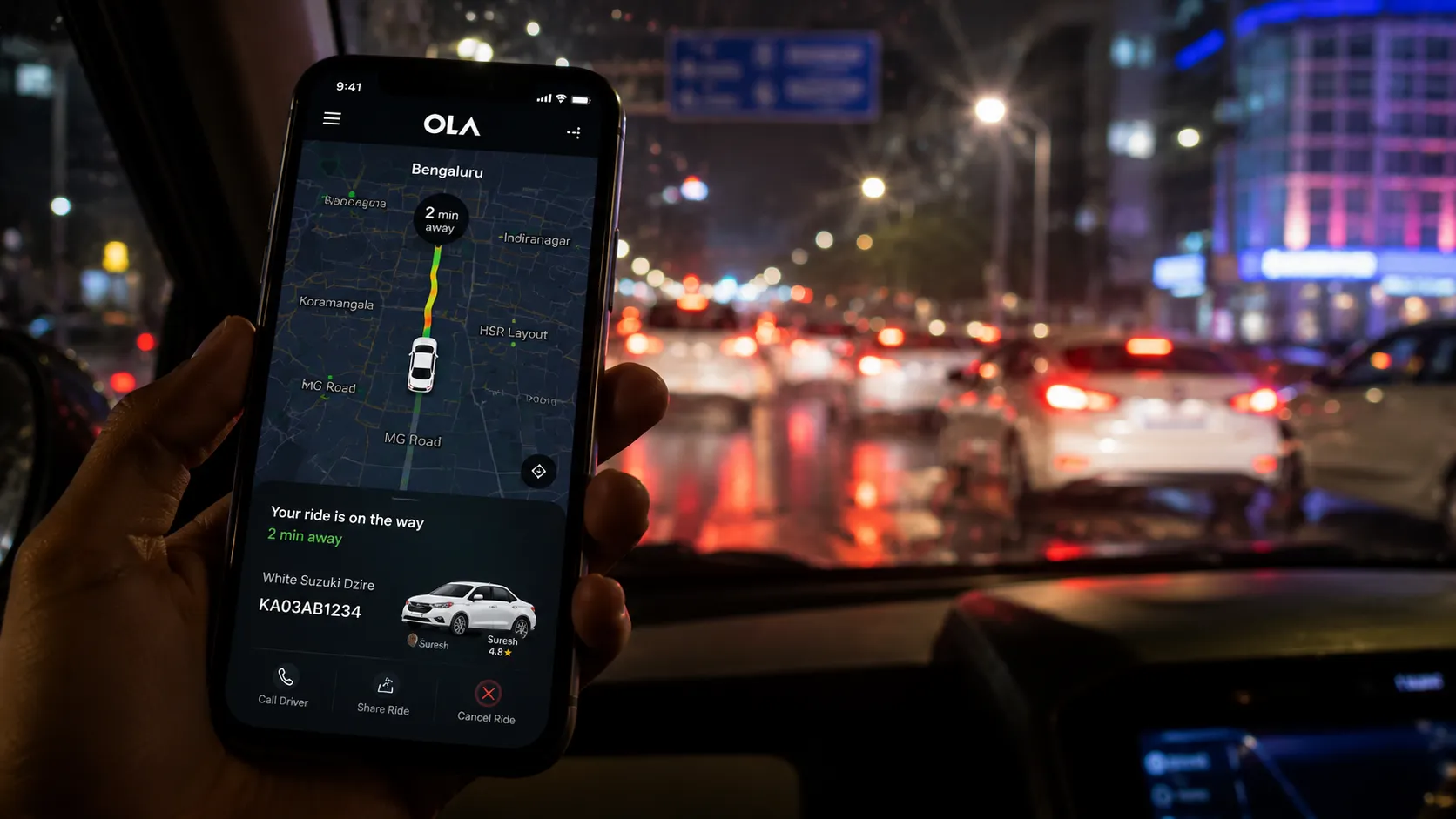
When Uber entered India in 2013, Ola was already in 10 cities. What followed was a brutal war of subsidies, discounts, and driver incentives. Both companies burned billions of dollars offering free rides and cashbacks to win market share. Bhavish famously called Uber a “bully” and fought aggressively.
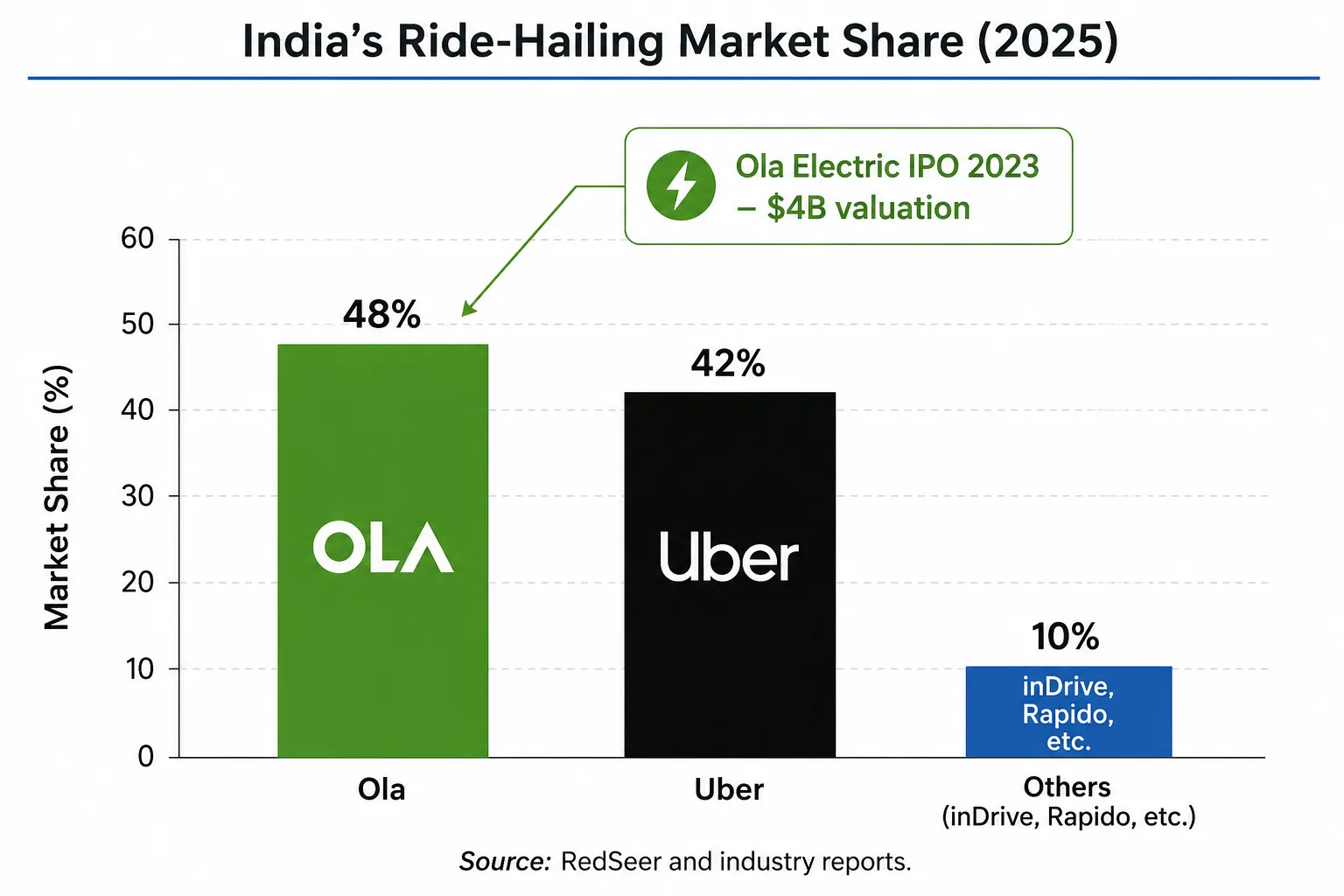
Ola raised massive funding from SoftBank, Tiger Global, and Tencent. It also built Ola Money (digital wallet), Ola Fleet (leasing cars to drivers), and Ola Auto (auto-rickshaws). By 2017, Ola had overtaken Uber in market share, controlling 60% of India’s ride-hailing market.
But the war came at a cost. Ola lost over ₹5,000 crore between 2015 and 2020. Bhavish was criticized for being too aggressive, even arrogant. Yet he refused to back down.
The EV Pivot: Ola Electric
By 2019, Bhavish realized that ride-hailing alone would never be profitable in India due to low prices and high driver commissions. He saw electric vehicles as the future — not just for Ola, but for India. In 2021, Ola Electric launched its first electric scooter, the S1 Pro, from a massive “Futurefactory” in Tamil Nadu.
The factory, initially claimed to be the world’s largest scooter factory (eventually scaled back), was designed to produce 10 million scooters a year. Ola Electric raised over $1 billion from investors including Temasek, SoftBank, and Alpha Wave. In August 2023, Ola Electric became a public company via an IPO on the BSE and NSE, valuing it at over $4 billion.
Bhavish’s vision is bold: make Ola Electric the world’s largest EV manufacturer outside China. But the path has been bumpy — with complaints about build quality, service delays, and battery fire incidents.
Leadership Philosophy: Aggressive, Centralized, and Relentless
Bhavish is known for his combative style. He once banned Uber employees from using Ola cabs. He has publicly fought with journalists, investors, and even his own drivers. He centralized decision-making, often ignoring advice from senior executives. Many have left.
But his supporters say that his aggressiveness was necessary to survive Uber. “If Bhavish had been nice, Ola would have died,” a former executive told The Ken.
Today, Bhavish is more focused on manufacturing and energy. He has ventured into Ola Krutrim (AI startup) and battery cell manufacturing. He wants to make India a net exporter of EVs and batteries.
Challenges and Critiques
Unprofitability: Ola’s ride-hailing business has never made a full-year profit. The IPO for Ola Cabs has been delayed multiple times.
Driver dissatisfaction: Ola’s high commissions (25-30%) have led to strikes and driver churn. Many drivers switched to Uber or in-house apps.
Ola Electric quality issues: Early scooters had software glitches, poor after-sales service, and even fires. Bhavish personally oversaw fixes, but brand damage remains.
Governance concerns: SoftBank’s large stake led to tension. Bhavish bought back some shares to regain control.


