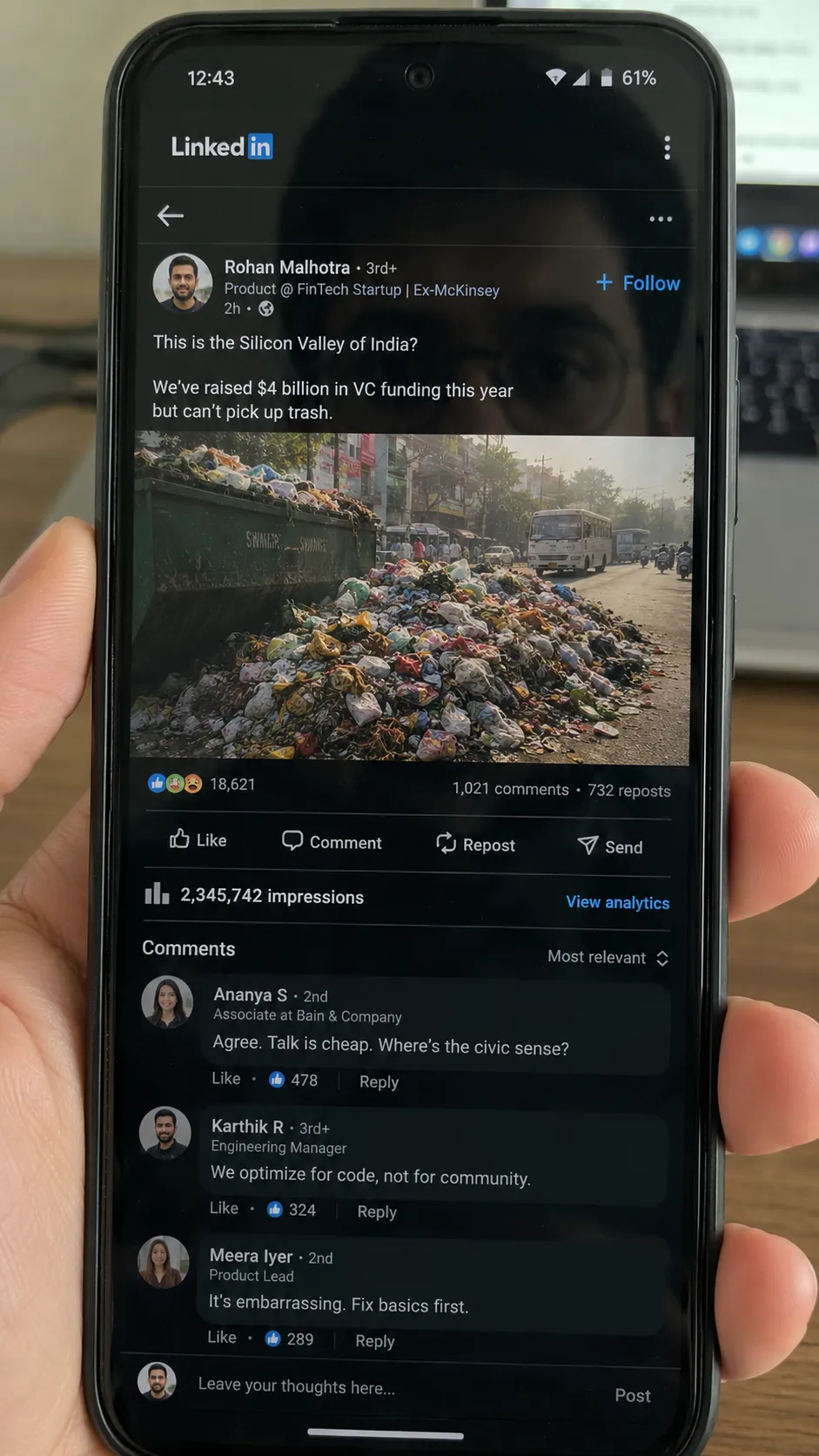
On a humid Tuesday morning, Rohan Murthy – a 34‑year‑old founder of a Series B fintech startup – did what thousands of Bengaluru professionals do every day. He opened his phone, started his commute from Indiranagar to Whitefield, and began counting. Not his calories or his meeting reminders. He counted garbage piles.
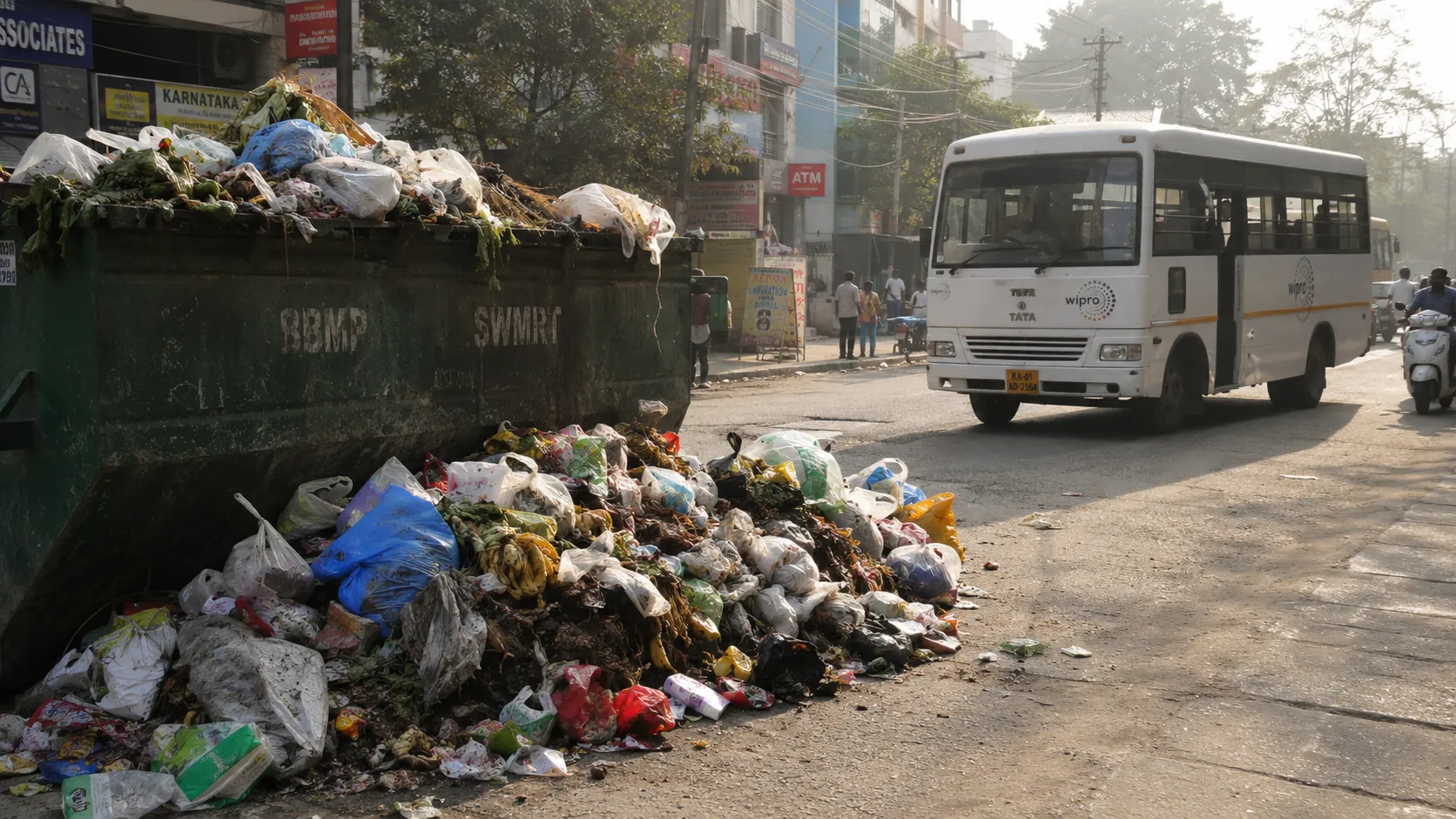
By the time he reached his office 8 kilometers and 47 minutes later, he had documented 10 overflowing dumpsters, 3 clogged storm drains, and a dead dog half‑submerged in a puddle of what he later called "a chemical rainbow." He posted the photos on LinkedIn with a simple caption: "This is the Silicon Valley of India? We've raised $4 billion in VC funding this year but can't pick up trash."
Within four hours, the post had 2.3 million impressions. By the next morning, it was on national news, debated in the Karnataka legislative assembly, and shared by three unicorn founders who publicly admitted they were relocating parts of their teams to Hyderabad and Pune. The post did not just go viral. It struck a nerve that has been raw in Bengaluru for years: the gap between the city’s soaring startup ambitions and its collapsing civic infrastructure.
"I didn't expect it to blow up," Murthy told me over coffee at a café in Koramangala that, ironically, was surrounded by construction debris. "But every founder here is thinking the same thing. We're building global companies from a city that can't manage its own sewage. How sustainable is that?"
The numbers back him up. Bengaluru accounts for nearly 35% of India’s unicorns and over $75 billion in startup valuation. The city produced 12 new unicorns in 2025 alone, more than any other Indian city. Global investors have poured capital into Bengaluru‑based startups at a rate of $1 billion per month. The city is home to the Indian headquarters of Google, Amazon, Microsoft, and Walmart, as well as homegrown giants like Infosys, Wipro, and Flipkart. By any measure, Bengaluru is the undisputed startup capital of India – and, many argue, of Asia.
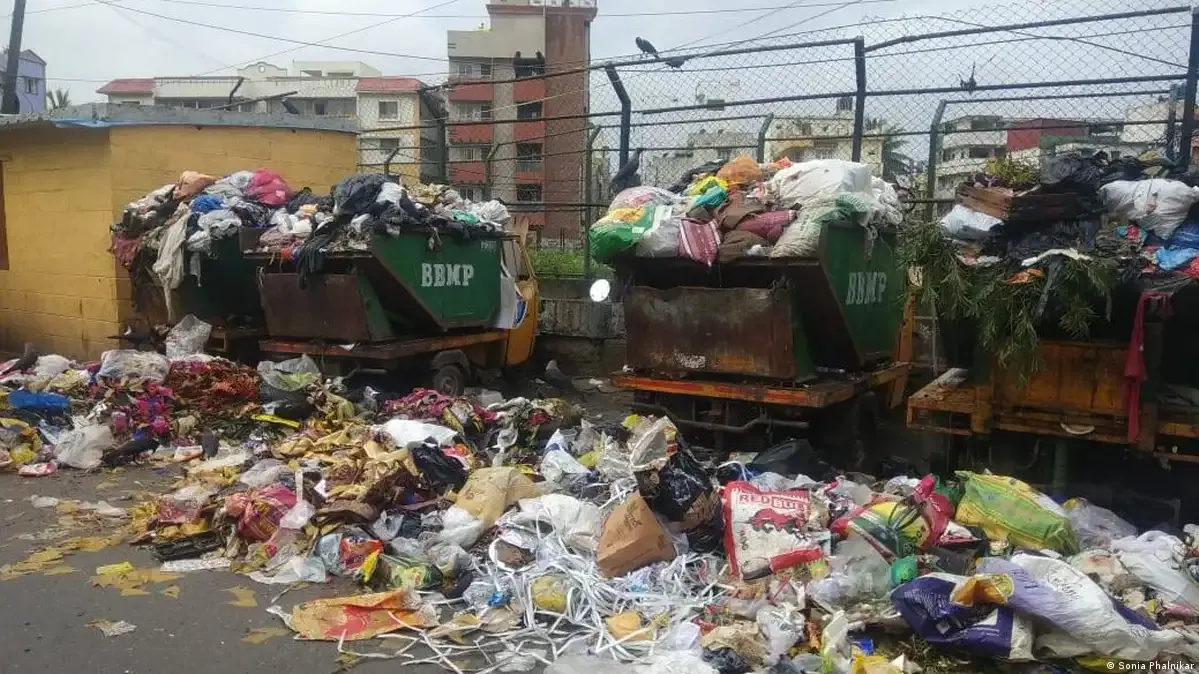
Yet a 2025 quality‑of‑life survey by a local think tank ranked the city 27th out of India’s 30 largest cities for basic infrastructure. Average commute times have risen to 90 minutes each way. Water tankers supply 40% of residential needs, as the city’s aquifers are depleted. Municipal waste collection, despite a $200 million smart‑city grant, covers barely 60% of the city. The storm drains that Murthy photographed had not been desilted in over a decade. And the "chemical rainbow" puddle? It came from a small electronics recycling unit operating illegally in a residential area.
Murthy’s post was not an isolated rant. It was a symptom of a deeper structural crisis. Bengaluru grew from 5 million people in 1990 to 14 million today, but its physical infrastructure was designed for a city half that size. Roads were built for bullock carts, not for SUVs carrying software engineers. Sewage treatment plants were designed for 1990s population projections. The city’s famously beautiful lakes have been reduced to sewage‑filled pits. The once‑reliable metro system is years behind schedule. And the municipal corporation – the Bruhat Bengaluru Mahanagara Palike (BBMP) – is chronically underfunded, understaffed, and under political pressure.
"The irony is not lost on global investors," said a partner at a US‑based VC firm that has backed six Bengaluru startups. "We're seeing term sheets that include 'remote‑work clause' – founders can operate from anywhere. If Bengaluru doesn't fix its basics, the next generation of Indian tech giants will be built from Gurugram or even Bali."
The remote‑work clause is becoming standard. Startups that once insisted on in‑person collaboration are now offering permanent remote or hybrid options, often citing Bengaluru’s traffic and pollution as reasons. Some are going further. Unacademy, an edtech unicorn, moved its headquarters to a campus in the outskirts of Mysore, 150 kilometers away, where the air is cleaner and the commute is 20 minutes. Ola, the ride‑hailing giant, has shifted much of its engineering talent to Hyderabad, which offers better roads, lower real estate costs, and a more proactive municipal government.
Murthy’s post sparked a rare moment of collective action. Within a week, over 200 founders signed an open letter to the BBMP offering to fund a "Founder's Task Force" for waste management – complete with IoT sensors, AI route optimization, and a performance‑based payment system. The letter proposed a public‑private partnership in which startups would contribute technology and funding, and the BBMP would provide regulatory approval and operational authority. The BBMP commissioner, Tushar Giri Nath, accepted the offer with a caveat: "We welcome private participation, but the underlying problem is behavioral. Residents throw garbage on the street because they've never been fined. Technology alone won't fix that."
The behavioral problem is real. Despite the city’s wealth, waste segregation at source remains abysmal. A 2024 study found that only 15% of households segregate dry and wet waste, despite a law mandating it. The rest dump everything into the same bin, which ends up in overflowing dumpsters or open landfills. The BBMP has tried fining residents, but enforcement is spotty. The courts have tried ordering the government to act, but implementation lags. The founders’ task force, if it materializes, will need to address not just technology but incentives.
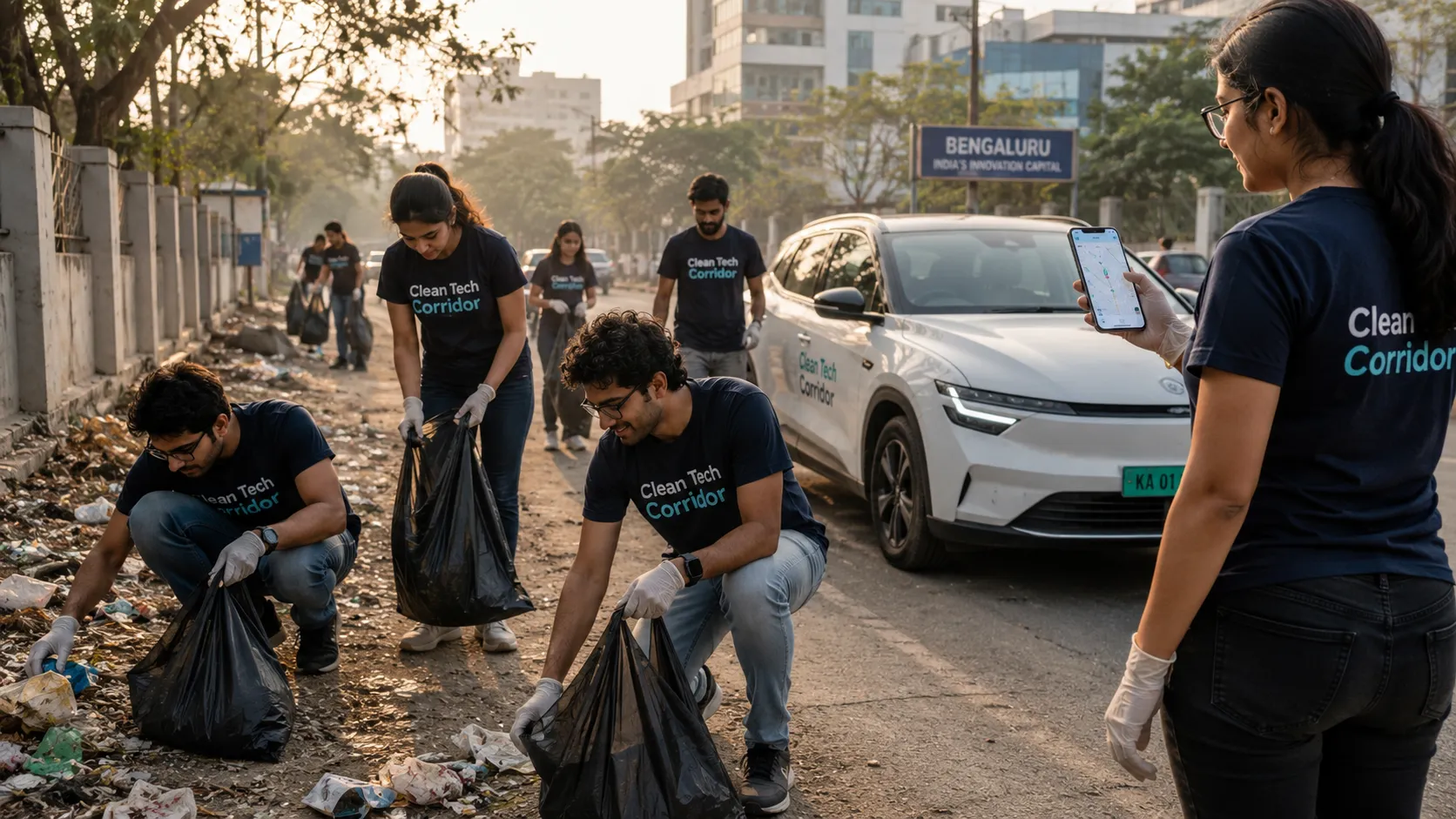
Some founders are taking a more direct approach. A group of tech entrepreneurs has started a volunteer "Clean Tech Corridor" along the 8‑km stretch that Murthy documented. Every Sunday, they show up with gloves, trash bags, and a small army of startup interns. They have collected over 5 tons of garbage in the past month. They have also installed three IoT‑enabled "smart bins" that alert the BBMP when they are full. The bins, paid for by the founders, cost $500 each – a trivial amount for a startup executive but a fortune for the BBMP’s cash‑strapped budget.
"The government is not evil," said a founder who has been part of the cleanup, requesting anonymity. "It is just slow. We can move at startup speed. We can deploy a sensor in a day. It takes them six months to approve a purchase order. The solution is not to blame the government; it is to work around it."
That sentiment is not universal. Other founders argue that private provision of public goods is a slippery slope. "If startups start paying for garbage collection, the government will never do it," said a social entrepreneur. "We need to hold the government accountable, not replace it." The debate has divided Bengaluru’s startup community, but both sides agree on one thing: the status quo is unacceptable.
Murthy, whose original post started the conversation, has stayed out of the political fray. He told me that his only goal was to show what he saw. "I am not a activist. I am not a politician. I am a founder who is tired of driving past garbage every day," he said. "If my post makes someone in power uncomfortable, good. If it makes other founders realize they can do something, even better."
The viral post has also had an unexpected consequence: it has become a recruiting tool. Some founders report that candidates now ask about the company’s stance on civic issues. "Before, they asked about equity and remote work," said one HR director. "Now they ask, 'Do you have a policy on employee volunteer hours for city cleanup?' I never thought I would have to answer that question, but here we are."
Bengaluru’s paradox is not unique. San Francisco, the original Silicon Valley, has its own crises of homelessness, property crime, and cost of living. But Bengaluru’s crisis is more acute because the city’s growth is more recent and more rapid. The institutions that govern the city have not kept pace with its economy. The result is a city that is simultaneously world‑class and third‑world, often on the same street.
As Murthy put it in a follow‑up post: "We're obsessed with disrupting everything except our own backyard. Maybe the next great Indian startup isn't another fintech app. Maybe it's a civic tech solution that finally works."
Whether that solution comes from a startup, the government, or a collaboration between the two remains to be seen. But one thing is certain: the conversation that started with a single LinkedIn post has become a movement. And for a city that prides itself on innovation, that may be the most important startup story of all.


