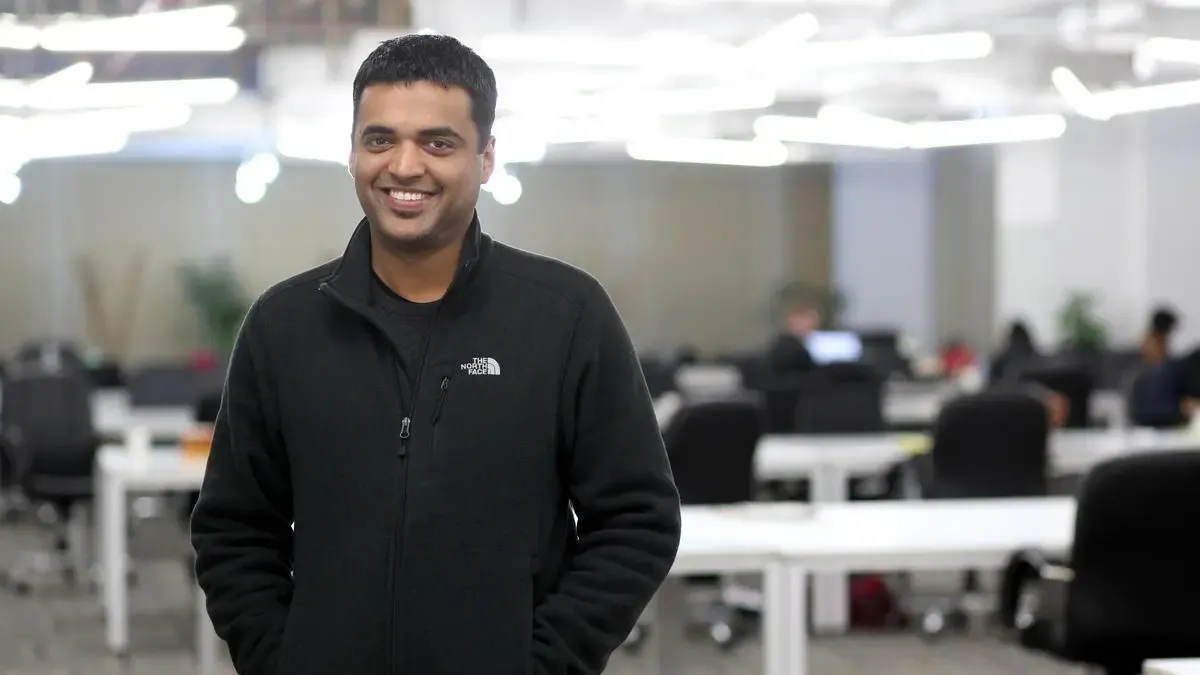
Employee stock ownership plans are, in theory, one of the defining promises startups make to the people who build them: work here, help create value, and eventually share in what that value becomes. In practice, that promise routinely takes seven to ten years, an acquisition, or an IPO to actually materialise — long enough that many early employees leave, or watch their options expire, well before ever seeing a rupee of real liquidity. Deepinder Goyal's newest venture just offered a meaningfully faster version of that promise, and the mechanics of how it did so are worth examining closely.
The Numbers
Temple, the wearable health-technology startup founded by Deepinder Goyal after stepping down as CEO of Eternal (formerly Zomato), has nearly doubled its valuation to $375 million through a secondary share transaction, and has simultaneously launched its first employee stock ownership plan liquidity programme. According to a Moneycontrol report citing an internal company memo, the transaction values Temple at $375 million — almost double the roughly $190 million post-money valuation the company carried following its seed funding round, announced in February 2026, when it raised $54 million from investors including Steadview Capital, Peak XV Partners, Dharana Capital, Info Edge, and NKSquared, the family office of Zerodha co-founder Nikhil Kamath.
Under the liquidity programme, approximately 20 employees out of Temple's estimated workforce of 200 to 220 are eligible to sell up to 25 percent of their vested employee stock options at the new $375 million valuation. Participation is entirely voluntary. Notably, the internal memo reportedly referenced interest from outside investors at a considerably higher valuation of $500 million as Temple considers its next formal funding round — meaning the company deliberately chose to structure the ESOP liquidity event at a lower valuation than what it believes it could command from external investors, specifically to allow eligible employees to realise value ahead of, and at a discount relative to, that anticipated next round.
Why This Timing and Structure Matters
ESOP buybacks and liquidity events conducted at a discount to a company's most recent or anticipated funding valuation are relatively uncommon among early-stage startups, and the specific sequencing here is worth unpacking. Rather than waiting for the next formal funding round to close — at which point a considerably higher $500 million valuation might have been locked in — Temple chose to open the liquidity window first, at the lower $375 million figure. This structure means eligible employees are being offered a real, near-term opportunity to convert paper wealth into actual liquidity, even though doing so means transacting at a valuation below what the company anticipates achieving imminently.
Goyal's own framing of this decision, as captured in the internal memo, is direct and specific: "Before we close our next round, I want some of this value to reach the people who created it." That framing positions the ESOP liquidity event not as a routine financial mechanism, but as a deliberate act of prioritising employee benefit ahead of further valuation appreciation that would, in a purely economically rational sense, have made the eventual liquidity event more valuable for participating employees had it been timed after the next round closed instead of before it.
Temple's Product and the Bigger Bet
Understanding why investors and, evidently, Goyal himself are confident enough in Temple's trajectory to support this kind of accelerated liquidity event requires understanding what the company is actually building. Temple is developing a lightweight wearable device designed to be worn attached to the side of the forehead — a considerably more unconventional form factor than the wrist-worn wearables that have dominated the consumer health-tech category to date. The healthtech startup describes the device as a "precision instrument" that measures what it calls "Entropy," a proprietary indicator of the metabolic and sympathetic demands being placed on the body in real time — positioning the product within the broader, increasingly well-funded category of preventive healthcare and longevity technology, but with a distinctly different measurement approach and physical form factor from established wearable competitors.
The device is currently available only through an early access programme, with the company targeting a broader commercial launch within the next year, subject to continued product validation and development. Temple has partnered with Ethereal Machines and Zetwerk for device manufacturing, giving the startup access to established Indian hardware manufacturing capacity as it moves from early access toward commercial-scale production — a genuinely non-trivial operational challenge for any hardware startup, and one that distinguishes Temple's execution risk profile considerably from the software-first businesses that have dominated Goyal's own prior track record at Zomato and Eternal.
The Founder Behind the Bet
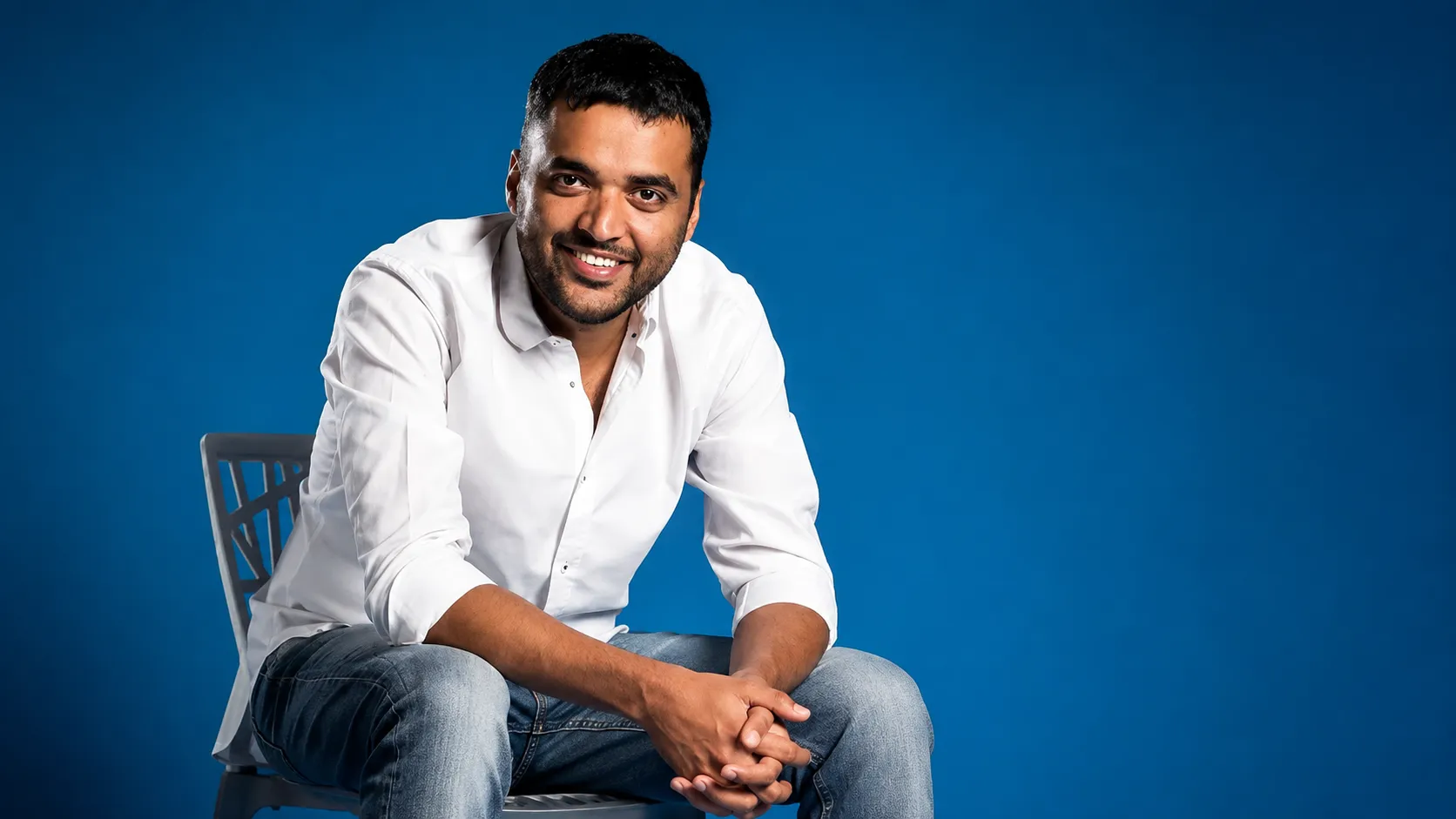
Deepinder Goyal's own trajectory adds considerable context to how Temple's rapid valuation growth and unusual ESOP structure are being read across India's startup ecosystem. Having built Zomato from an early food-delivery platform into Eternal, one of India's most closely watched publicly listed consumer internet companies, Goyal stepped down as CEO to found Temple — a move that itself generated significant attention within Indian startup circles, given how rare it is for a founder to step away from leading a large, successful public company specifically to pursue an entirely new, considerably earlier-stage venture in an unrelated hardware and healthtech category.
According to regulatory filings tied to Temple's seed round, Goyal was expected to hold approximately 28.6 percent of the company following the completion of that funding — a substantial founder stake that aligns his own financial upside directly with Temple's trajectory, and that provides useful context for why he might be personally motivated to see the company's early employees share meaningfully in its rapid valuation growth, having presumably experienced, through his own history at Zomato and Eternal, both the extended timelines and the eventual outsized rewards that Indian startup equity can produce for those who stay through a company's full growth arc.
Part of a Broader 2026 Trend in Indian Startup Employee Liquidity
Temple's ESOP liquidity programme is far from an isolated event within India's startup ecosystem this year. According to data compiled by Entrackr, nine startups have collectively completed ESOP buybacks worth more than $270 million in 2026 alone, a list that includes BrowserStack, Innovaccer, CoinDCX, Unacademy, Tractor Junction, Emversity, Cashfree Payments, Plum and Kratikal. Travel fintech startup Scapia separately announced its own ESOP buyback worth Rs 20 crore around the same period. Collectively, this wave of employee liquidity events points to a broader, increasingly established pattern among later-stage Indian startups: providing meaningful, real liquidity to employees well before an eventual IPO or acquisition, rather than asking employees to wait years, or in some cases indefinitely, for equity compensation to translate into actual realised value.
For India's startup talent market, this trend carries genuine structural significance. As competition for experienced engineering, product and operations talent has intensified across India's startup ecosystem, the ability to offer credible, near-term equity liquidity — rather than the more traditional, considerably more speculative promise of eventual IPO-driven wealth — has become an increasingly important differentiator for companies competing to attract and retain talent, particularly against the backdrop of a broader Indian startup funding environment that has, in recent years, made IPO timelines less predictable and less universally achievable than they once appeared.
What Comes Next for Temple
With its valuation now sitting at $375 million following the ESOP liquidity transaction, and reported investor interest already circling at $500 million ahead of a formal next funding round, Temple appears positioned to close a considerably larger raise in the coming months — one that would value the company at nearly two and a half times its February 2026 seed valuation within a single calendar year. Whether that trajectory holds will depend heavily on execution through the company's stated commercial launch timeline over the next year, and on whether the underlying "Entropy" metric and forehead-worn form factor prove genuinely differentiated and durable in a wearable health-tech market that has, in recent years, seen intense competition and rapid iteration across wrist-worn, ring-worn and now, with Temple, forehead-worn form factors all competing for a still-nascent but rapidly growing category of consumers willing to pay for continuous, real-time physiological monitoring.
What This ESOP Structure Reveals About Founder Priorities Post-Exit
There is a particular category of founder decision worth examining closely here: what a genuinely successful entrepreneur, who has already built and exited to considerable personal wealth through a prior venture, chooses to prioritise when building something new. Goyal did not need to found Temple — having already built Zomato into Eternal, one of India's largest publicly listed consumer internet companies, he could reasonably have chosen a considerably lower-risk path for whatever came next. That he instead chose to build an entirely new, hardware-intensive healthtech venture from scratch, and then structured an unusually employee-favourable ESOP liquidity event ahead of what could have been a higher-valuation liquidity opportunity, offers a data point about how founders who have already experienced one full startup cycle sometimes approach the employee-equity relationship differently the second time around — informed by direct memory of what extended, uncertain vesting timelines feel like from the employee side of the table.
This pattern is not unique to Goyal within the Indian startup ecosystem; the broader wave of 2026 ESOP buybacks across BrowserStack, Innovaccer, CoinDCX and others suggests a maturing generation of Indian startup leadership increasingly treating early, credible equity liquidity as a genuine competitive necessity rather than an optional gesture — a shift with real implications for how startup employment offers are evaluated and negotiated across India's technology sector going forward, as job-seekers increasingly factor the credibility of a company's eventual liquidity pathway into their decision alongside more traditional considerations like cash compensation and role scope.
The Hardware Risk Temple Is Taking On
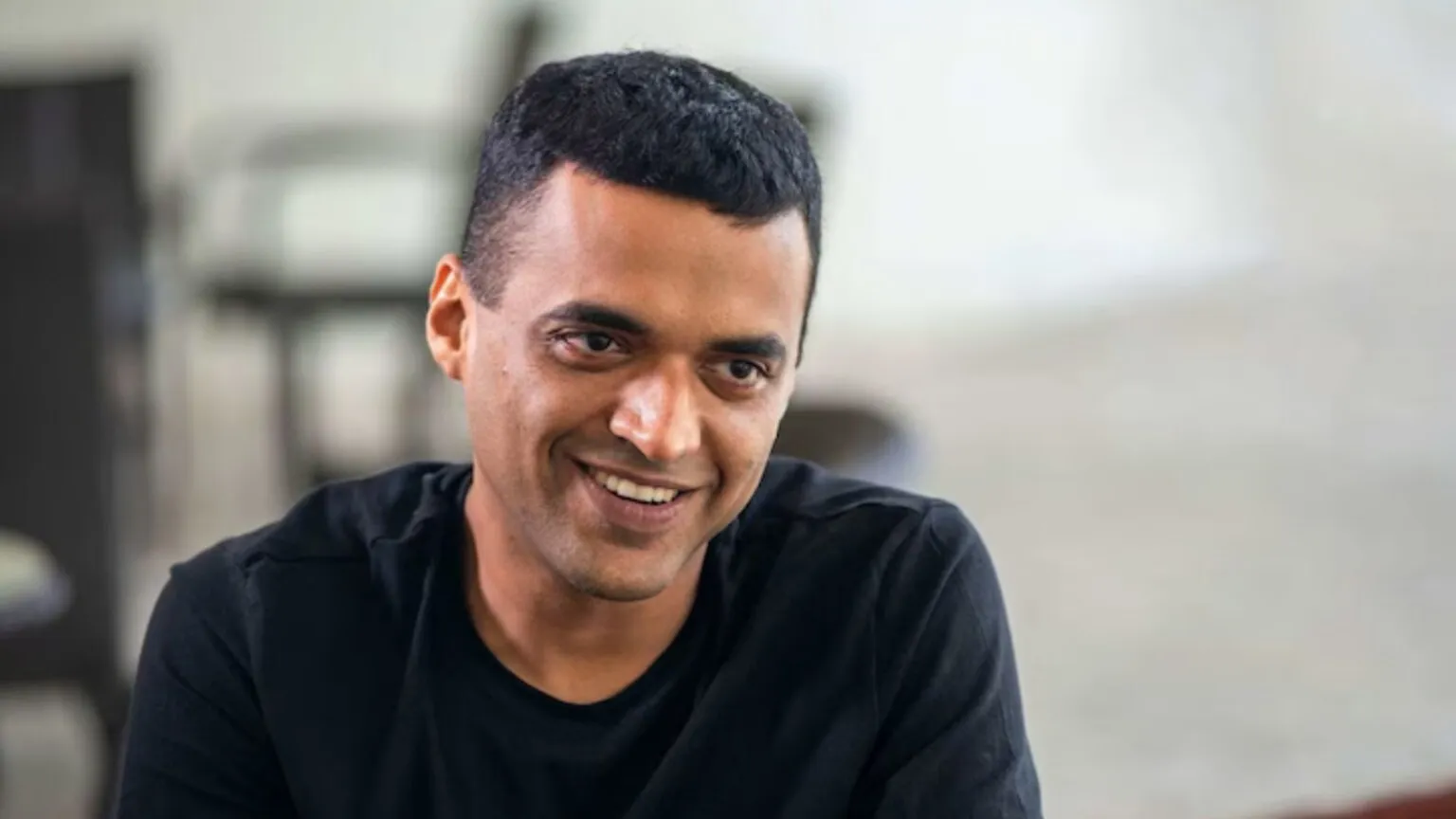
It is worth being clear-eyed about the execution risk embedded in Temple's specific bet, which is considerably different in kind from the software-first risk profile that defined most of Goyal's prior track record. Building and scaling a novel wearable hardware device — one using an unconventional forehead-worn form factor rather than the wrist or ring-based designs that have already achieved meaningful consumer adoption and manufacturing scale globally — carries manufacturing, supply chain, regulatory and consumer-adoption risks that a purely software-based startup simply does not face to the same degree. The partnerships with Ethereal Machines and Zetwerk for manufacturing represent a sensible derisking strategy, leveraging established Indian hardware manufacturing capability rather than building production infrastructure from scratch, but the fundamental question of whether consumers will adopt a forehead-worn device at meaningful scale, rather than gravitating toward the wrist and ring form factors that have already achieved broader cultural familiarity, remains genuinely unresolved and will only become clear once Temple moves from its current early-access programme into the full commercial launch targeted for the coming year.
A Test Case Other Founders Will Be Watching
Beyond Temple's own commercial prospects, the specific mechanics of this ESOP liquidity event are likely to be studied closely by other Indian startup founders weighing similar decisions about when and how to offer employee liquidity ahead of a formal fundraise. The core tension Goyal's memo makes explicit — offering liquidity now, at a valuation below what the company believes it can achieve imminently, versus waiting for a higher-valuation round to lock in before opening any liquidity window at all — is one that founders across India's startup ecosystem increasingly have to navigate as employee expectations around equity liquidity continue to rise. Temple's choice to resolve that tension in favour of earlier, if lower-valued, employee liquidity offers a concrete precedent that other founders, and the employees negotiating offers against them, are likely to reference directly in future compensation and equity conversations across India's broader startup labour market — a small but telling example of how one founder's second venture can end up reshaping industry norms well beyond the specific product that venture is trying to build, and a reminder that the most consequential startup decisions are not always the ones announced with the loudest fanfare, but the quieter structural choices that shape how an entire generation of employees comes to expect equity compensation to actually work.


