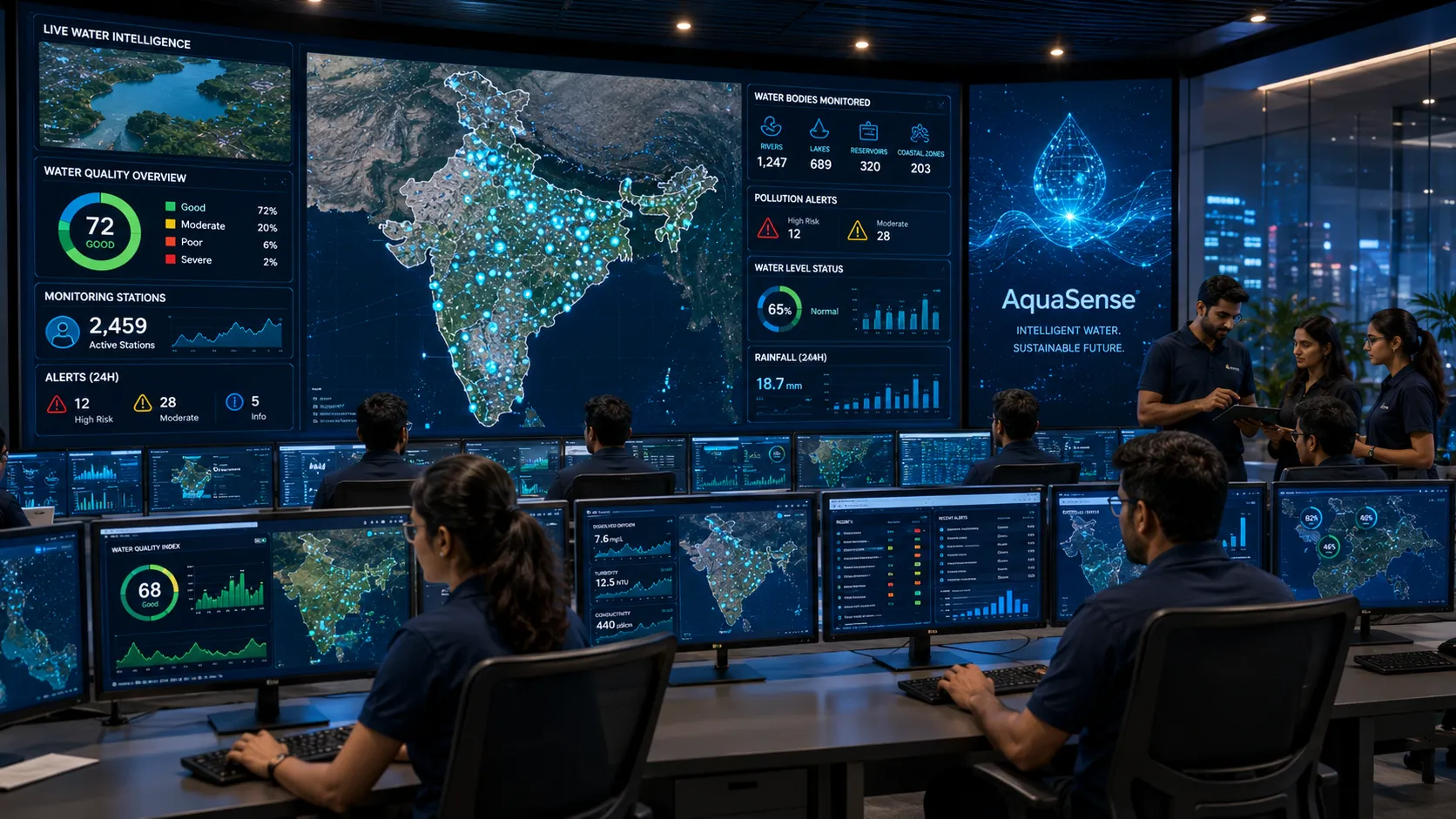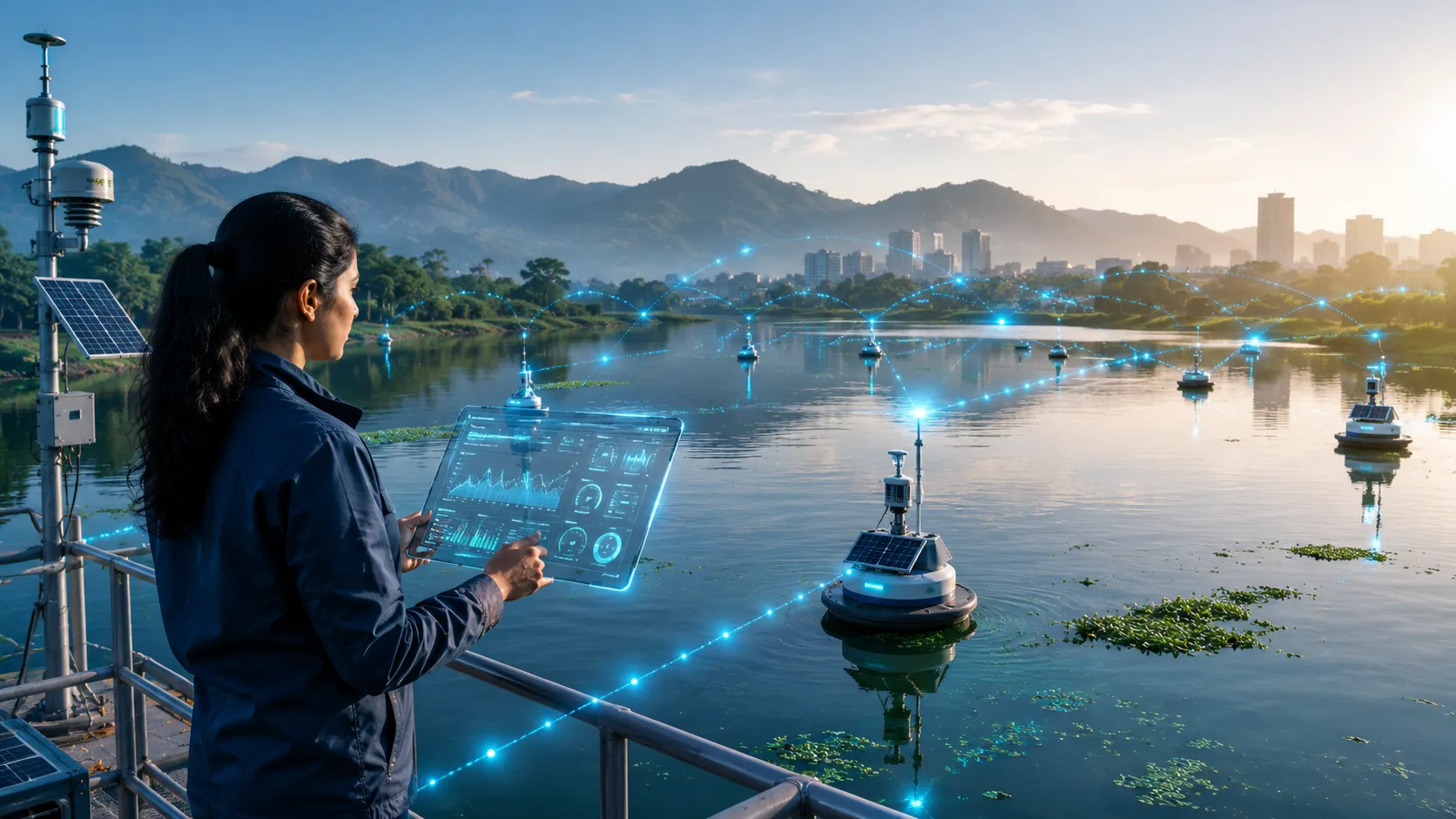
Every year, India’s rivers receive millions of tons of untreated industrial waste and sewage. The Central Pollution Control Board (CPCB) monitors water quality at a few hundred manual stations, with data delayed by weeks – often too late to stop a pollution event. The 2019 closure of the Sukinda chromite mines due to hexavalent chromium contamination was detected only after fish kills occurred. AquaSense, a Chennai‑based startup, has developed a low‑cost floating sensor that transmits pH, dissolved oxygen, turbidity, and heavy metal levels every hour. The company has raised $18 million in Series A funding led by Acumen Capital, with participation from the Asian Development Bank (ADB) and the venture arm of Grundfos. The funds will be used to deploy 50,000 sensors across 200 river stretches, 100 lakes, and 50 reservoirs over the next two years.
The AquaSense sensor is a 20‑cm sphere that floats on the water surface, powered by a small solar panel and a battery that lasts 7 days without sunlight. It uses a cellular or satellite connection (depending on location) to send data to a cloud dashboard. Each sensor costs $250 to manufacture, and the company plans to sell them to state pollution boards, industrial clusters, and NGOs at a slight markup. AquaSense also offers a data subscription service starting at $10 per sensor per month, which includes alerts when parameters cross safe thresholds and predictive analytics for pollution trends. In its first year of commercial operation, AquaSense has sold 5,000 sensors to customers including the Tamil Nadu Pollution Control Board, the Ganga River Basin Authority, and several industrial estates in Gujarat.
“Until now, water monitoring in India was like trying to diagnose a patient by taking a temperature once a month,” said co‑founder and CTO Karthik Ramesh, an environmental engineer who previously worked at the National Institute of Ocean Technology. “With our network, we get a continuous picture. We can pinpoint exactly which factory is dumping waste at 2 a.m., and we can alert authorities before the pollution spreads.” In a pilot project along the Adyar river in Chennai, AquaSense sensors detected a pH drop from 7.2 to 4.5 within two hours of an illegal discharge from a textile dyeing unit. The alert allowed authorities to trace the discharge and levy a fine of ₹25 lakh ($30,000) – the first time real‑time data has been used for enforcement in the state.
The Series A round is a strong vote of confidence in the Indian water tech market, which is estimated to grow to $30 billion by 2030. The ADB’s investment includes a $5 million grant for deploying sensors in the Ganga basin, where the National Mission for Clean Ganga (NMCG) has been struggling to maintain progress due to lack of real‑time data. “We need real‑time data to enforce environmental laws and to understand the cumulative impact of multiple pollution sources,” said an ADB official. “AquaSense provides that capability at a fraction of the cost of lab‑based testing – about 1/100th the cost per data point.” The ADB will also help AquaSense replicate its model in other Asian countries, starting with Vietnam and Bangladesh.
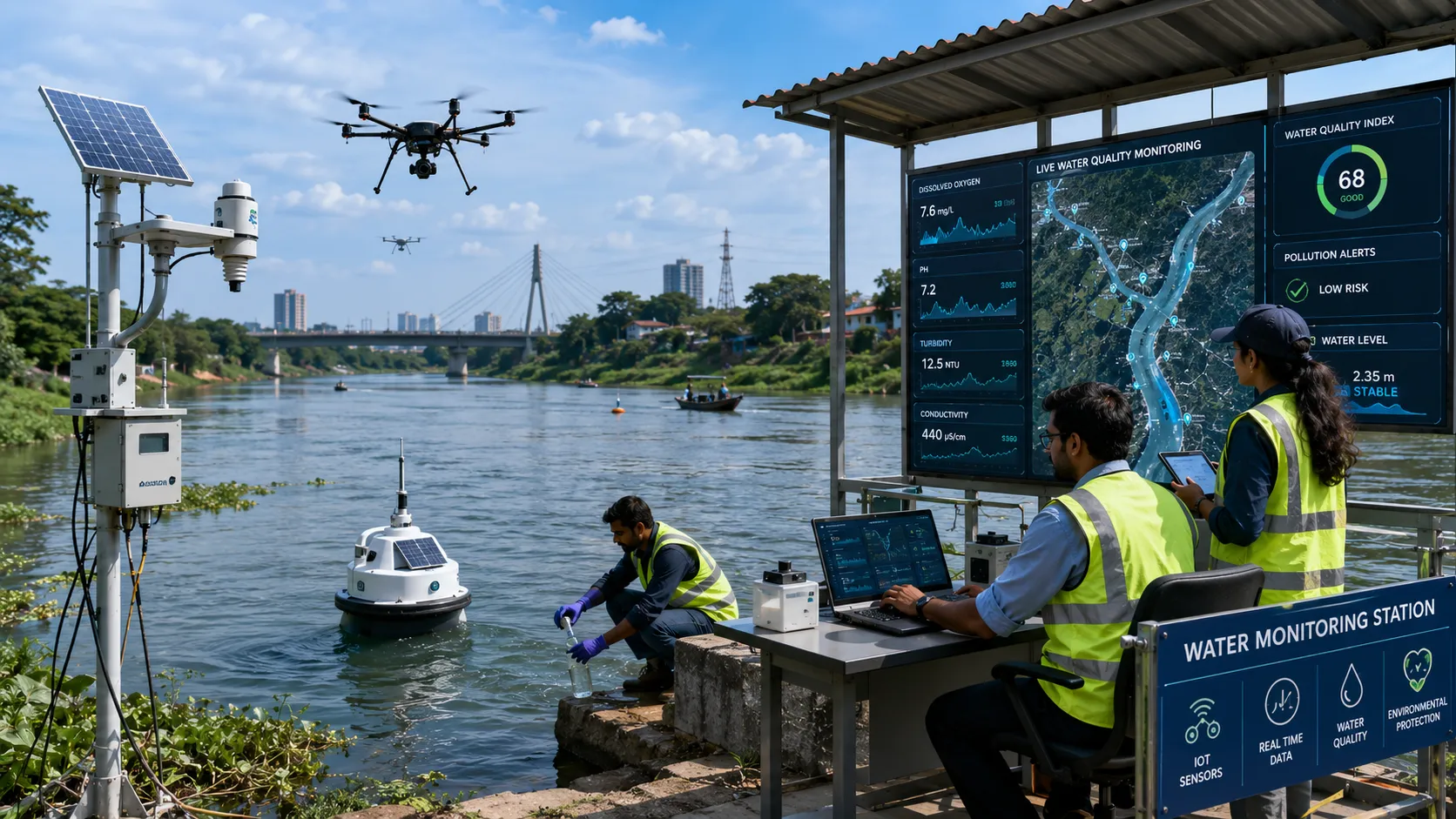
AquaSense will use the funds to scale manufacturing from a small workshop to a dedicated factory in Coimbatore, with capacity to produce 20,000 sensors per year. The company will also hire 100 field service engineers to maintain the sensors and train local operators. In addition, AquaSense plans to launch a citizen science program: school students can purchase a simplified sensor kit for ₹5,000 ($60) and contribute data to a national water quality map. The first 1,000 kits have already been pre‑ordered by schools in Chennai and Bengaluru, and the program is being piloted with the support of the Indian Institute of Technology Madras.
Competitors include Xylem’s YSI probes (which cost $5,000‑$15,000 per sensor) and Libelium’s sensor nodes (which require complex configuration). AquaSense’s advantage is its low cost, ease of deployment (no calibration required for six months), and local manufacturing. The startup also works with the India Water Foundation to train local communities in sensor maintenance, creating livelihood opportunities for rural youth.
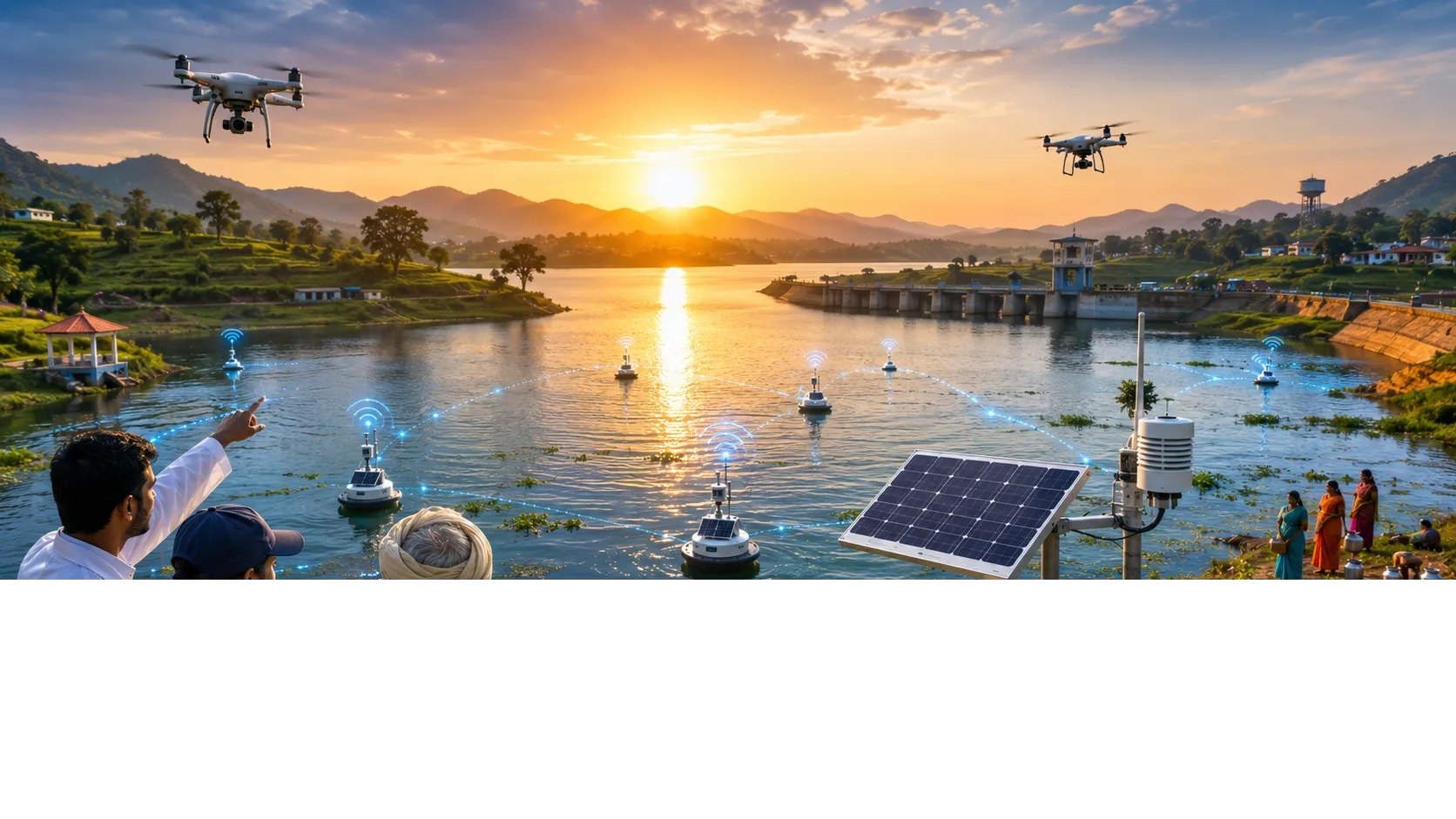
The technology behind the sensor is robust. It uses electrochemical sensors for pH and heavy metals (lead, cadmium, chromium), an optical sensor for turbidity, and a galvanic cell for dissolved oxygen. The sensor automatically cleans itself every 24 hours using a wiper mechanism, preventing biofouling. The data is transmitted using India’s own NavIC satellite system for remote locations, ensuring national security compliance. AquaSense holds a patent for its low‑cost heavy metal detection method, which uses a bismuth film electrode instead of the usual mercury‑based electrode, making it safer and easier to dispose.
The social impact is immense. According to a 2025 report by WaterAid India, 70% of India’s surface water is polluted, and 200,000 people die annually from waterborne diseases. Real‑time monitoring allows faster responses to contamination events, potentially saving lives. For example, during the annual Ganga floods, sewage treatment plants often overflow; with AquaSense sensors, authorities can close downstream water intakes before contaminated water reaches them. The startup has already signed a memorandum of understanding with the Uttar Pradesh Jal Nigam to provide real‑time alerts for the Ganga at 50 locations.
AquaSense’s long‑term vision is to create a “digital twin” of India’s water bodies – a virtual model that predicts pollution dispersal based on current data, weather, and flow rates. This would allow authorities to simulate the impact of a new factory or a sewage leak before it happens. “We are not just building sensors; we are building a decision support system for water security,” said Ramesh. “India’s water crisis is not just about quantity; it is about quality. Our mission is to make every water body transparent.”
For the 200 million people who depend on India’s rivers for drinking water, irrigation, and fishing, AquaSense offers a tool for accountability. A fishing community can now see real‑time data and decide whether to cast their nets. A farmer can know if the river water is safe for irrigation. A citizen can report a pollution event with timestamped evidence. The startup’s public dashboard, which aggregates anonymized data from all sensors, will be launched in early 2027, making water quality as easy to check as the weather. The era of blind pollution is ending. The era of data‑driven water stewardship is beginning.