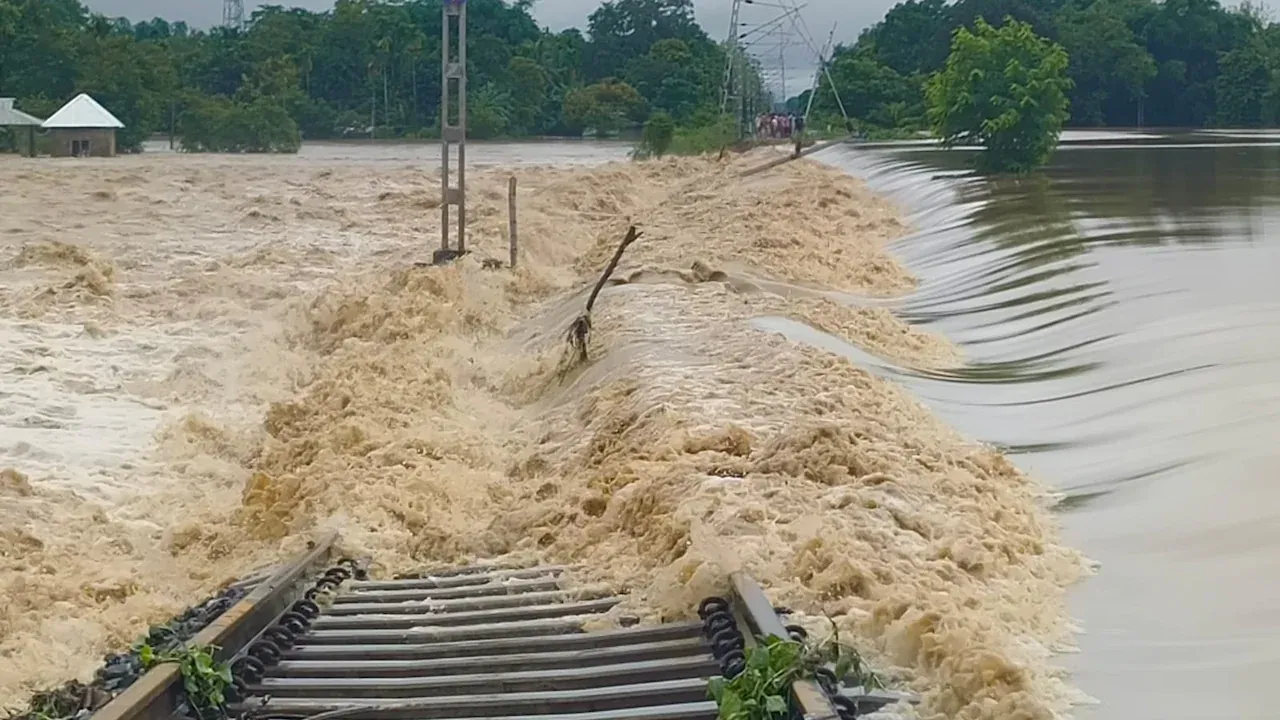
NEW YORK — As Assam battles what regional disaster monitors describe as its worst flooding in more than six decades, the American India Foundation (AIF) has activated its U.S.-based donor network in support of relief efforts on the ground, extending a disaster-response role the organization has played following nearly every major natural disaster in India since its founding. By late July, monsoon flooding driven by the swollen Brahmaputra and Barak rivers had affected more than 700,000 people across Assam, with dozens of deaths reported and hundreds of villages inundated, according to relief coordination reports from ACT Alliance and state disaster management authorities.
AIF's involvement follows a pattern the organization has repeated since it was founded in 2001, in the aftermath of that year's Gujarat earthquake, at the initiative of then-U.S. President Bill Clinton after discussions with business leaders including former McKinsey managing director Rajat Gupta and then-Citibank chairman Victor Menezes. Conceived from the start as a bridge for diaspora philanthropy between the United States and India, AIF has since raised more than $225 million and says it has impacted more than 16.5 million lives across 35 Indian states and union territories, working through a network of more than 330 partner organizations.
A Familiar Disaster, an Established Response Model
AIF's disaster response work has spanned the 2001 Gujarat earthquake, the 2004 Indian Ocean tsunami, the 2005 Kashmir earthquake, relief following the 2019 Pulwama attack, and its large-scale COVID-19 response, which the organization says reached nearly 1.9 million beneficiaries and supported over 375,000 health personnel during the pandemic. Across these responses, AIF has followed what it describes as a multi-phase approach — relief, reconstruction and rehabilitation — with the bulk of its resources typically directed toward the longer rehabilitation phase rather than only immediate emergency aid, funding local partner organizations for as long as three years after a disaster to support sustained recovery.
The Scale of This Year's Assam Crisis
This year's floods, which began in late April and intensified sharply after a cloudburst in mid-July, have affected 25 or more districts across Assam, according to figures compiled by relief organizations working in the state. As of early August, the Assam State Disaster Management Authority reported that roughly 178,000 people across seven districts remained affected, with 349 villages still inundated and more than 15,000 hectares of cropland underwater, even as authorities shifted focus from rescue operations toward rehabilitation. The Indian government has approved more than ₹379 crore under the State Disaster Response Fund to support Assam's flood response, with state officials continuing to press for additional advance funding to help families rebuild damaged homes.
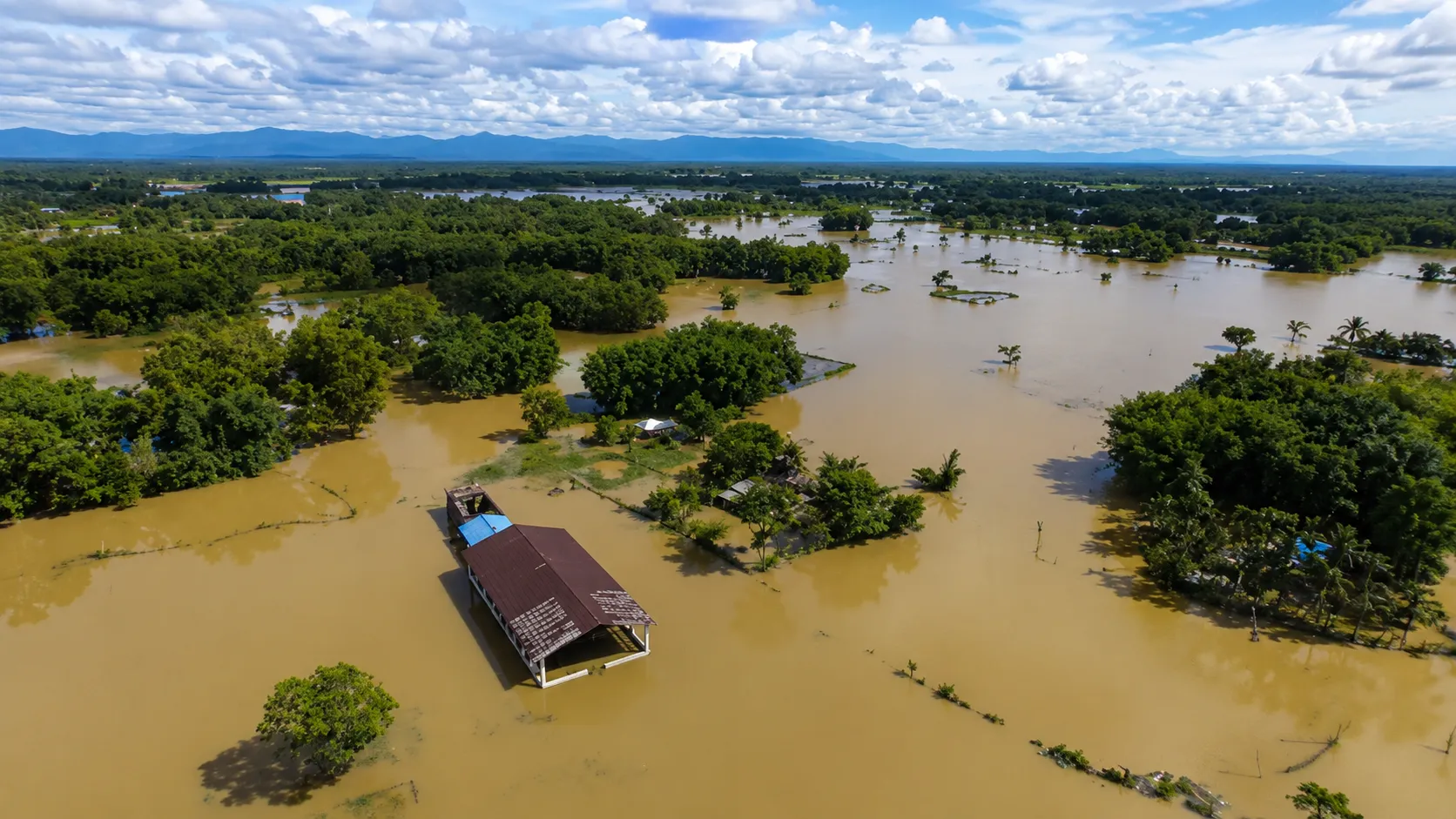
Beyond diaspora organizations like AIF, the response has drawn a wide mix of contributors — from corporate donations to grassroots fundraising by Assamese community associations in Indian cities and among the U.S.-based Assamese diaspora, including groups like the Assam Foundation of North America, which has run a phased fundraising campaign moving from initial emergency relief toward a rehabilitation program providing family kits to displaced households.
Why Diaspora Philanthropy Organizations Matter in Moments Like This
Organizations like AIF occupy a specific niche in India's disaster-response ecosystem: they aggregate smaller individual donations from across the U.S. Indian diaspora — spread across AIF's chapters in New York, California and other U.S. cities — and channel them through vetted, FCRA-registered Indian NGO partners capable of legally receiving foreign contributions and deploying them at the local level. That structure allows diaspora members with no direct family ties to Assam to contribute meaningfully to a disaster response far from their daily lives, while relying on AIF's decades of partner relationships to ensure funds reach affected communities effectively.
For an organization built specifically around the idea of the U.S.-India relationship as what its founders called a bridge between "the world's two most powerful democracies," recurring disasters like Assam's floods are also, in a sense, the clearest expression of that founding purpose — turning geographically distant sympathy into on-the-ground resources, disaster after disaster, for more than two decades.
Why It Matters
Assam's floods are, unfortunately, a near-annual event, but the scale of this year's crisis — described by multiple relief agencies as the worst in over sixty years — has drawn an unusually broad response from India's diaspora philanthropy infrastructure. AIF's continued involvement reflects both the durability of the institutional model diaspora giving has built over more than two decades and the ongoing reality that Assam's flood vulnerability, tied to the Brahmaputra's seasonal behavior and the state's geography, is unlikely to ease without long-term infrastructure investment that goes well beyond any single relief campaign.
• Assam's 2026 monsoon floods have affected more than 700,000 people across 25+ districts, with dozens of deaths reported.
• The American India Foundation, founded in 2001 after the Gujarat earthquake, has activated its U.S. donor network for relief.
• AIF has raised over $225 million since founding and says it has impacted 16.5 million+ lives across 35 Indian states.
• The Indian government has approved over ₹379 crore in State Disaster Response Fund support for Assam.
• AIF's model follows a three-phase approach: relief, reconstruction and rehabilitation, often over multi-year timelines.


